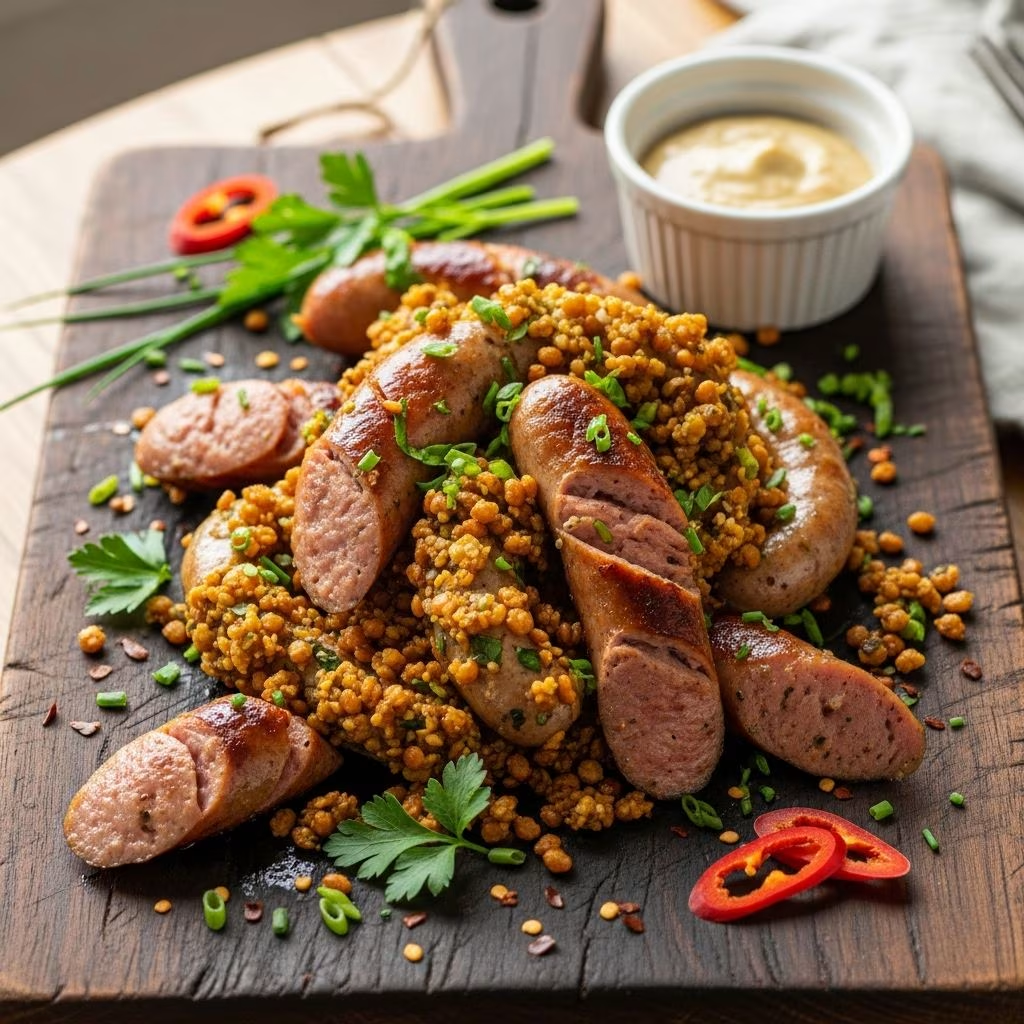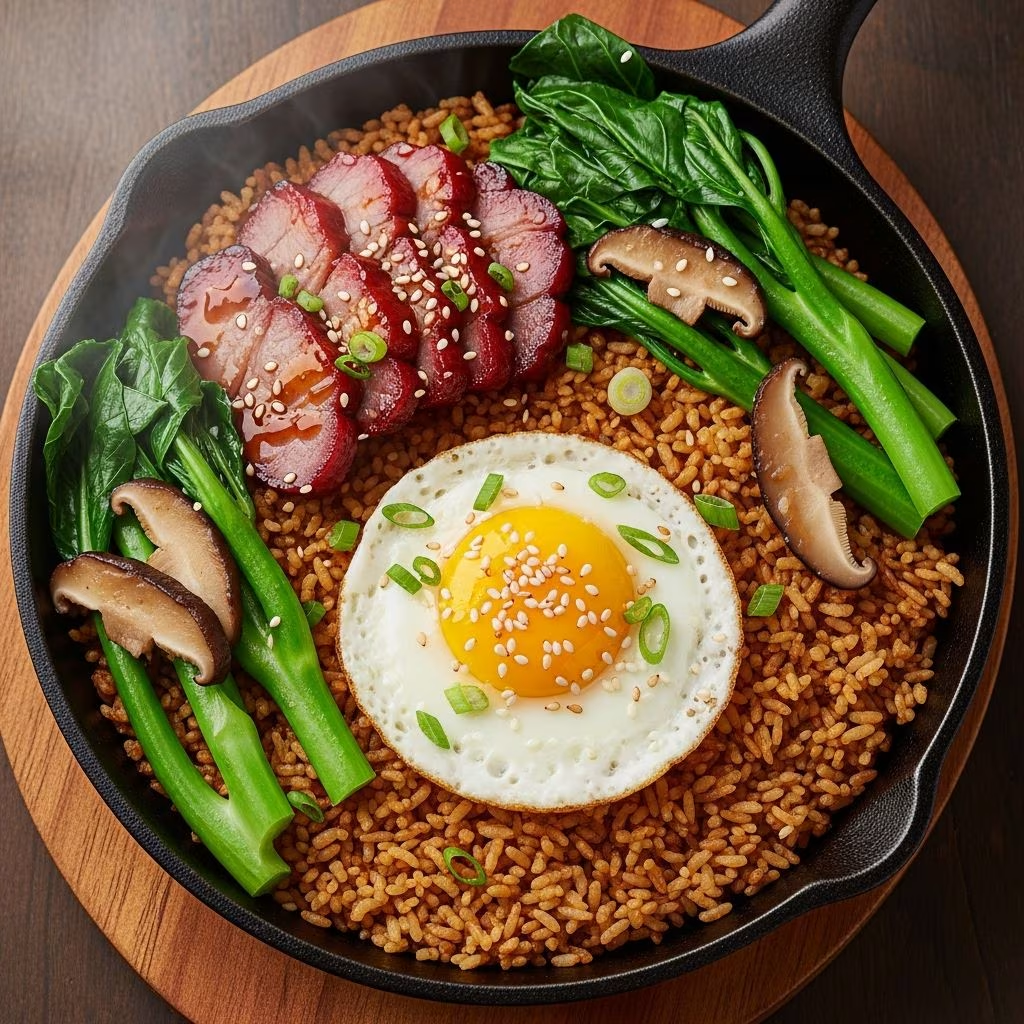
Experience the comforting allure of Hong Kong-style crispy rice, a dish that transforms simple ingredients into a symphony of textures and tastes. Traditionally crafted in clay pots over open flames, this recipe adapts seamlessly to modern kitchens using a sturdy skillet. The magic lies in the contrast: fluffy steamed rice atop a shatteringly crisp base, studded with rich cured meats and finished with a lustrous sauce.
The Allure of Cantonese Crispy Rice
Hong Kong cuisine celebrates bold flavors and clever techniques, and crispy rice exemplifies this tradition. Known as a street food staple and family dinner hero, it features cured Chinese sausages and pork belly that release their savory oils into the rice as it cooks. The bottom layer develops a golden crust—similar to Spanish socarrat or Persian tahdig—through careful heat control. This skillet version democratizes the dish, requiring no specialty equipment while delivering authentic results.
Originating from Cantonese home cooking, the dish pairs everyday jasmine rice with lap cheong (sweet pork sausage), gon cheong (liver sausage), and lap yuk (cured pork belly). These meats cure slowly, building umami depth that infuses the grains. A quick soy-based sauce adds glossy sweetness, tying everything together. Home cooks love its one-pan convenience and make-ahead potential.
Essential Ingredients for Success
Gathering the right components ensures your crispy rice shines. Focus on quality for the best flavor payoff.
- Rice: 1½ cups uncooked long-grain jasmine rice, prized for its fragrance and ability to crisp evenly.
- Water: 1⅔ cups for cooking, plus extra for 1-hour soaking to promote even absorption.
- Oil: 5 tsp neutral oil (like canola or grapeseed), divided for steaming and crisping.
- Salt: ½ tsp fine sea salt to season the rice base.
- Meats: 2 oz each of Chinese pork sausage (lap cheong), duck liver sausage (gon cheong), and cured pork belly (lap yuk), sliced thinly on the diagonal for maximum surface contact and aesthetics.
- Sauce Components: 2 tsp sugar, 4 tsp water, 2 tsp light soy sauce, 1 tsp dark soy sauce, ¼ tsp toasted sesame oil, ⅛ tsp white pepper powder.
These meats are available at Asian markets; substitutes like lop chong work if exact varieties are scarce. Measure precisely for balanced moisture and crispiness.
Step-by-Step Cooking Guide
Patience is key—rushing leads to soggy results. Follow these stages for perfection.
Prep the Rice: Rinse 1½ cups jasmine rice until water runs clear, then soak in a bowl covered by 2 inches of water for 1 hour. Drain thoroughly. In a 10-inch cast-iron or nonstick skillet, combine rice with 1⅔ cups water, 3 tsp oil, and ½ tsp salt. Shake gently to level. Arrange sliced sausages and pork belly evenly on top without stirring.
Steam Phase: Heat over medium-high until simmering. Cover tightly, reduce to medium-low, and cook 15-17 minutes until rice is tender and water absorbed. Meats will render fat, flavoring the grains.
Crisp the Base: Uncover, drizzle remaining 2 tsp oil around edges. Increase to medium heat; listen for sizzles. If silent, go to medium-high. Cook uncovered 7-10 minutes, checking with a spatula. Rotate pan for even browning. Aim for deep golden crust.
Sauce and Serve: Simmer sauce ingredients in a small pan until sugar dissolves. Drizzle half over rice; serve rest tableside. Garnish with scallions for freshness.
Total time: About 1.5 hours, mostly hands-off. Serves 2-4 as a main.
Mastering the Crispy Bottom
The coveted crust demands technique. High-quality cookware conducts heat evenly—cast-iron excels here. Oil perimeter first to prevent sticking. Audio cues matter: crackling signals crisping. Patience prevents burning; lift edges gently to peek. If uneven, swivel pan. For extra crunch, extend crisping by 2 minutes post-golden.
| Common Issue | Solution |
|---|---|
| Soggy rice | Insufficient crisping time or excess moisture—drain soak water well. |
| Burnt bottom | Too-high heat—start medium, adjust based on sizzle. |
| Uneven crust | Rotate pan; use heavy skillet for uniform heat. |
| Meats dry | Slice thin; they steam then crisp with rice. |
Customizing Your Skillet Rice
Adapt to preferences or pantry staples for endless variations.
- Vegetarian Twist: Swap meats for shiitake mushrooms, tofu, or preserved vegetables.
- Protein Boost: Add chicken, shrimp, or beef post-steaming.
- Spicy Kick: Infuse oil with chili flakes or top with sambal.
- Grain Swap: Short-grain for stickier texture; brown rice for nuttier profile (extend soak).
- Rice Cooker Hack: Cook rice and meats normally, then crisp in skillet separately for ease.
Scale up for crowds by using larger pans, maintaining thin rice layer.
Pairing and Serving Ideas
Elevate with thoughtful sides. Stir-fried greens like gai lan balance richness. Pickled radish cuts grease. For drinks, light lager or jasmine tea refreshes. Serve family-style, letting diners mix sauce to taste—encourages interaction.
Leftovers reheat well in a hot skillet, reviving crispiness. Portion into meal-prep containers for lunches.
Historical Roots and Cultural Significance
Crispy rice traces to Cantonese clay pot mastery, where heat distribution creates the signature bottom. Popular in tea houses and dai pai dongs, it embodies thrift: stretching rice with flavorful toppings. Modern adaptations spread globally, blending tradition with accessibility.
Nutrition at a Glance
Per serving (approx.): 550 calories, 25g fat, 65g carbs, 15g protein. Rich in umami from fermented meats; moderate rice portion aids blood sugar control.
Frequently Asked Questions
What if I can’t find Chinese sausages?
Use any cured pork sausage or skip for veggie version; flavors will differ but still delicious.
Can I make this gluten-free?
Yes—use tamari instead of soy sauces.
How do I store leftovers?
Refrigerate up to 3 days; re-crisp in skillet with oil.
Is soaking rice necessary?
Highly recommended for even cooking and better texture.
Clay pot vs. skillet?
Skillet mimics results without specialty gear; clay pot offers subtle earthiness.
Pro Tips from Seasoned Cooks
- Slice meats cold for precision.
- Use tight lid to trap steam.
- Rest 2 minutes post-cook for crust to set.
- Experiment with sesame seeds or fried shallots for crunch.
This dish bridges generations, inviting experimentation while honoring roots. Perfect for weeknights or impressing guests.
References
- Hong Kong–Style Crispy Rice Skillet — Outside Online. 2023-10-15. https://www.outsideonline.com/recipes/hong-kong-style-crispy-rice-skillet/
- Hong Kong Style Clay Pot Rice Bowl — The Woks of Life. 2024-05-20. https://thewoksoflife.com/hong-kong-style-clay-pot-rice/
- Hong Kong-Style Crispy Rice — Feral Cooks. 2023-08-12. https://feralcooks.com/hong-kong-style-crispy-rice/