A vibrant strawberry glaze transforms ordinary desserts into elegant creations worthy of any special occasion or casual gathering. Rather than relying on commercial varieties laden with artificial ingredients and preservatives, crafting your own glaze from scratch offers superior flavor, visual appeal, and quality control. This comprehensive guide walks you through the process of creating a glossy, delicious strawberry glaze that clings beautifully to pastries, cakes, and confections while delivering authentic berry sweetness.
Understanding the Foundation of Strawberry Glaze
Strawberry glaze exists in several distinct variations, each serving different culinary purposes and offering unique textural qualities. The most straightforward version combines fresh strawberries with sugar and heat to create a concentrated sauce that thickens through natural pectin development. This cooked reduction method produces a glossy, jewel-toned topping with deep strawberry intensity. Alternatively, some bakers prefer combining strawberry puree with powdered sugar and cream to achieve a pourable icing that drapes elegantly over baked goods. Both approaches yield professional-quality results, though they serve slightly different applications and possess varying consistency levels.
The choice between these methods depends on your intended use. A thick, jammy glaze works exceptionally well for layering between cake layers or spooning over cheesecake, while a creamier version with powdered sugar becomes the ideal choice for drizzling over donuts or frosting scones. Understanding these distinctions helps you select the preparation method that best matches your dessert vision.
Essential Ingredients for Building Flavor
Creating exceptional strawberry glaze begins with selecting quality components that work harmoniously together. Fresh strawberries form the foundation, contributing natural sugars, pectin, and vibrant color. Ripe berries possess superior flavor complexity compared to underripe fruit, making selection a crucial first step. A pound of fresh strawberries typically yields adequate glaze for moderate dessert applications, though recipes can scale according to your requirements.
Sugar amplifies the natural sweetness of strawberries while promoting the chemical reactions necessary for proper thickening and shelf stability. Granulated sugar dissolves readily during heating, though some recipes incorporate this component in the final glaze mixture for texture variation. Lemon juice contributes essential acidity that balances sweetness and brightens strawberry flavor without introducing citrus notes that overshadow the primary fruit. A tablespoon of fresh juice typically provides the ideal proportion, though personal preference may warrant slight adjustments.
Cornstarch serves as the primary thickening agent in traditional recipes, accelerating the natural thickening process and eliminating the need for extended simmering. This ingredient transforms liquid fruit juice into a sauce with luxurious, spoonable consistency. Some alternatives like arrowroot powder or tapioca starch function similarly, offering options for cooks with specific dietary preferences or restrictions. The judicious use of thickening agents prevents creating a glaze that becomes excessively stiff upon cooling.
Preparation Techniques That Ensure Success
Proper strawberry preparation directly impacts the final glaze quality and cooking time. Begin by thoroughly rinsing fresh berries under cool water and removing the green stems. Pat the fruit dry to eliminate excess moisture that could dilute your glaze. The next crucial decision involves determining how to process the strawberries. Some recipes recommend blending half the berries into a smooth puree while reserving the remaining half intact, creating a glaze with both juice distribution and textural interest.
Alternative preparation methods include mashing strawberries with a potato masher or pastry cutter, which releases juice while maintaining visible berry pieces. This technique produces a more rustic glaze with distinct strawberry chunks suspended throughout. For those preferring a completely smooth consistency, processing all berries into a uniform puree before cooking offers the most refined appearance and allows for effortless straining if desired.
The cooking process requires attention and proper temperature management. Combining strawberry puree, sugar, lemon juice, and cornstarch in a saucepan, then heating over medium-high temperature until the mixture reaches a gentle boil ensures even ingredient incorporation and proper cornstarch activation. Once boiling begins, immediately reducing heat to medium or low prevents scorching while allowing the glaze to thicken gradually. Constant stirring throughout cooking distributes heat evenly and prevents starch lumping.
Achieving the Ideal Consistency
Determining when your glaze has reached perfect thickness requires understanding the visual and tactile cues that indicate proper doneness. A common and reliable test involves dipping a spoon into the hot mixture and observing whether the coating remains on the back of the spoon without immediately sliding off. If liquid drips freely, the glaze requires continued simmering. Once the spoon coating holds briefly before flowing, your glaze has typically reached the appropriate thickness for most applications.
Cooking time varies depending on initial strawberry moisture content, heat intensity, and cornstarch quantity, typically ranging from three to ten minutes. Patience during this phase prevents undercooked glaze that remains too thin and disappointing, while excessive cooking can yield an overly thick, rubbery consistency that proves difficult to work with. As the glaze cools, it naturally thickens further due to gelatin and pectin setting, so slightly looser consistency during cooking often produces optimal final results.
Flavor Enhancement Strategies
Beyond the basic formula, numerous ingredients elevate strawberry glaze from pleasant to truly spectacular. Vanilla extract adds subtle vanilla warmth that complements rather than overshadows strawberry flavor. A teaspoon stirred into hot glaze immediately after removing from heat distributes evenly throughout. Citrus zest from lemons or limes introduces bright, sophisticated notes that add complexity. Approximately half to one teaspoon of finely grated zest provides perceptible enhancement without creating overwhelming citrus presence.
Fine sea salt or fleur de sel paradoxically intensifies sweetness by stimulating taste receptors while balancing the sugar’s cloying potential. A pinch added during cooking creates depth and sophistication that distinguishes homemade glaze from commercial varieties. Almond extract offers an interesting alternative to vanilla for those seeking different flavor dimensions. These additions remain entirely optional but significantly influence the final taste profile when employed thoughtfully.
Cooling and Storage Considerations
After removing glaze from heat, allowing it to cool properly ensures the best texture and application properties. Cooling to room temperature before using permits the mixture to set slightly while remaining pourable, though some applications benefit from chilling in the refrigerator for accelerated thickening. Transferring hot glaze through a fine-mesh strainer removes any cooked berry pulp or cornstarch lumps, creating a smoother, more refined final product. This step proves particularly important for glazes destined for delicate pastries where visible texture might prove distracting.
Properly stored strawberry glaze maintains quality for extended periods, making advance preparation entirely feasible for busy bakers. Refrigerated in an airtight container, homemade glaze typically remains fresh for up to two weeks, while frozen batches preserve quality for three months or longer. Freezing is particularly valuable for preserving seasonal strawberry glaze for enjoyment year-round. When ready to use frozen glaze, gentle reheating over low temperature restores the proper consistency without affecting flavor or appearance.
Versatile Applications for Every Dessert
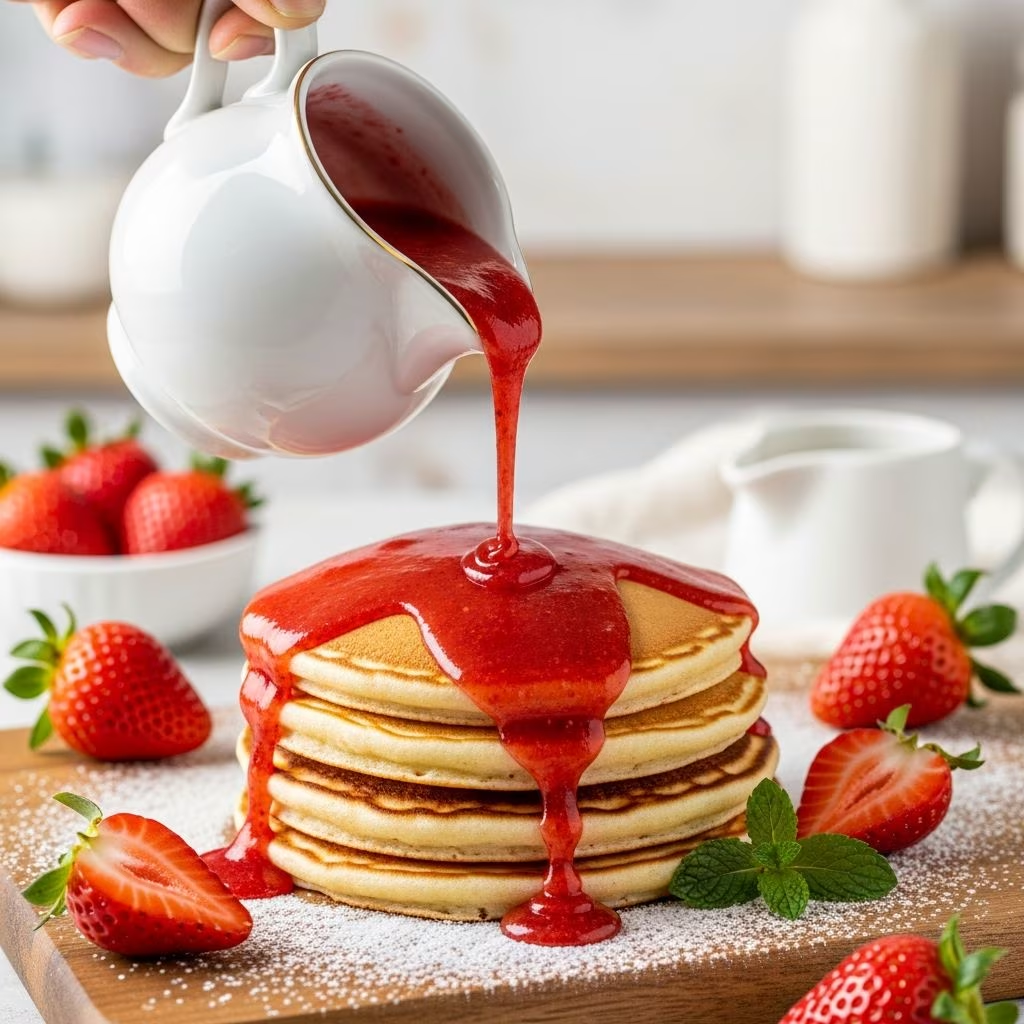
The beauty of homemade strawberry glaze lies in its remarkable versatility across numerous dessert applications. Layer generous quantities between cake layers before frosting the exterior, allowing the filling to peek tantalizingly at each slice. Spoon glaze directly over cheesecake while still slightly warm, creating an elegant topping that sets as it cools. Drizzle over freshly baked scones, donuts, or biscuits while the baked goods remain warm, encouraging slight glaze absorption that intensifies strawberry flavor throughout. Use as a dip for fresh fruit platters, providing an elegant presentation for entertaining.
Dessert pizzas benefit from strategic glaze swirls creating visual interest and strawberry flavor concentration. Danish pastries topped with glaze before baking develop glossy exteriors as the glaze caramelizes slightly. Small batch recipes prove ideal for serving with pound cake, angel food cake, or vanilla-based desserts where strawberry flavor can shine without competing with other strong flavors. The glaze’s adaptability makes it an essential technique for any baker’s repertoire.
Recipe Variations and Modifications
Various recipe interpretations accommodate different preferences, dietary needs, and ingredient availability. Some bakers prefer incorporating water into the cooking mixture, which reduces the glaze’s intensity slightly while extending the yield. This modification particularly appeals to those creating large batches or seeking a lighter-consistency topping. Cream-based variations incorporate heavy whipping cream and powdered sugar with strawberry puree, yielding a pale pink glaze with luxurious mouthfeel. These creamier versions work beautifully on baked goods where a softer set is preferable to a firm glaze.
For those avoiding cornstarch, omitting this thickener requires extended simmering until natural pectin concentrates sufficiently to achieve desired consistency. This approach demands patience but produces equally delicious results. Some recipes substitute arrowroot powder or tapioca starch for those with cornstarch sensitivities. Red food coloring remains entirely optional, as ripe strawberries typically produce beautiful color naturally, though a few drops can intensify color if desired.
Common Questions About Strawberry Glaze
Frequently Asked Questions
Can I use frozen strawberries instead of fresh?
Frozen strawberries work acceptably for glaze production, though fresh berries typically yield superior flavor and color. If using frozen fruit, thaw completely and drain excess liquid before processing. The thawing process releases additional juice, potentially requiring reduced cooking time or adjusted liquid quantities in your recipe.
How can I prevent my glaze from becoming too thick?
Monitor cooking time carefully and perform the spoon test regularly as your glaze approaches potential doneness. Remember that glaze continues thickening as it cools, so slightly loose consistency during cooking produces optimal final results. If glaze becomes overly thick, gentle reheating with a small amount of water can restore proper consistency.
What’s the best way to apply glaze to baked goods?
Apply glaze while baked goods remain warm but not so hot that the glaze melts completely without setting. Use a pastry brush for even coverage on cakes and pastries, or spoon directly over desserts for rustic application. Allow glaze to set at room temperature for optimal appearance and texture.
Can I make this glaze less sweet?
Reduce sugar quantities slightly, though this modification affects both sweetness and thickening properties. Increase lemon juice to compensate for reduced sugar and brighten overall flavor. Taste your glaze after cooking and adjust sweetness to personal preference before storing.
Pro Tips for Bakery-Quality Results
Several professional techniques elevate homemade glaze from good to exceptional. Sifting confectioners’ sugar through a fine mesh before incorporating into cream-based glazes eliminates lumps, ensuring silky smoothness. Adding cream gradually to cream-based glazes while whisking thoroughly between additions provides superior texture control compared to combining all cream simultaneously. Maintaining precise heat levels during cooking prevents scorching while ensuring proper thickening without evaporating excessive moisture.
Straining cooked glaze through fine mesh removes berry particles and cornstarch lumps, creating the refined appearance of professional bakery products. Allowing glaze to cool slightly before application permits proper setting without causing excessive melting on warm baked goods. Testing glaze consistency before final application ensures the texture matches your intended use, with time for adjustments if necessary.
Why Homemade Surpasses Commercial Options
Creating strawberry glaze from scratch offers compelling advantages over commercial alternatives. Control over ingredient quality ensures no artificial preservatives, colorants, or flavorings compromise your dessert’s integrity. The superior taste of fresh strawberries combined with pure ingredients delivers flavor complexity impossible to achieve commercially. Customization options permit tailoring glaze sweetness, thickness, and flavor to personal preferences and specific recipe requirements. Additionally, the cost per batch typically proves significantly lower than purchasing equivalent commercial products, particularly when strawberries are seasonally abundant and economically priced.
The satisfaction derived from transforming simple fruit and pantry staples into elegant, delicious glaze represents an often-overlooked benefit of homemade preparation. Impressing family and guests with clearly homemade desserts topped with beautiful, flavorful glaze creates memorable moments and establishes lasting culinary confidence.
References
- Strawberry Glaze – Olives + Thyme — Olives + Thyme. Accessed 2026-04-10. https://olivesnthyme.com/strawberry-glaze/
- Homemade Strawberry Glaze Recipe – Savory Experiments — Savory Experiments. Accessed 2026-04-10. https://www.savoryexperiments.com/strawberry-topping/
- Strawberry Glaze (For Donuts, Cakes & Scones) – Butter and Bliss — Butter and Bliss. Accessed 2026-04-10. https://butterandbliss.net/fresh-strawberry-glaze-recipe/
- Easy Strawberry Glaze for Cookies, Scones & Loaf Cakes — Displaced Housewife. Accessed 2026-04-10. https://www.displacedhousewife.com/strawberry-glaze/
- Homemade Strawberry Glaze — Hoosier Homemade. Accessed 2026-04-10. https://hoosierhomemade.com/homemade-strawberry-glaze/
- Homemade Strawberry Sauce (Topping) – Sally’s Baking Addiction — Sally’s Baking Addiction. Accessed 2026-04-10. https://sallysbakingaddiction.com/homemade-strawberry-topping/