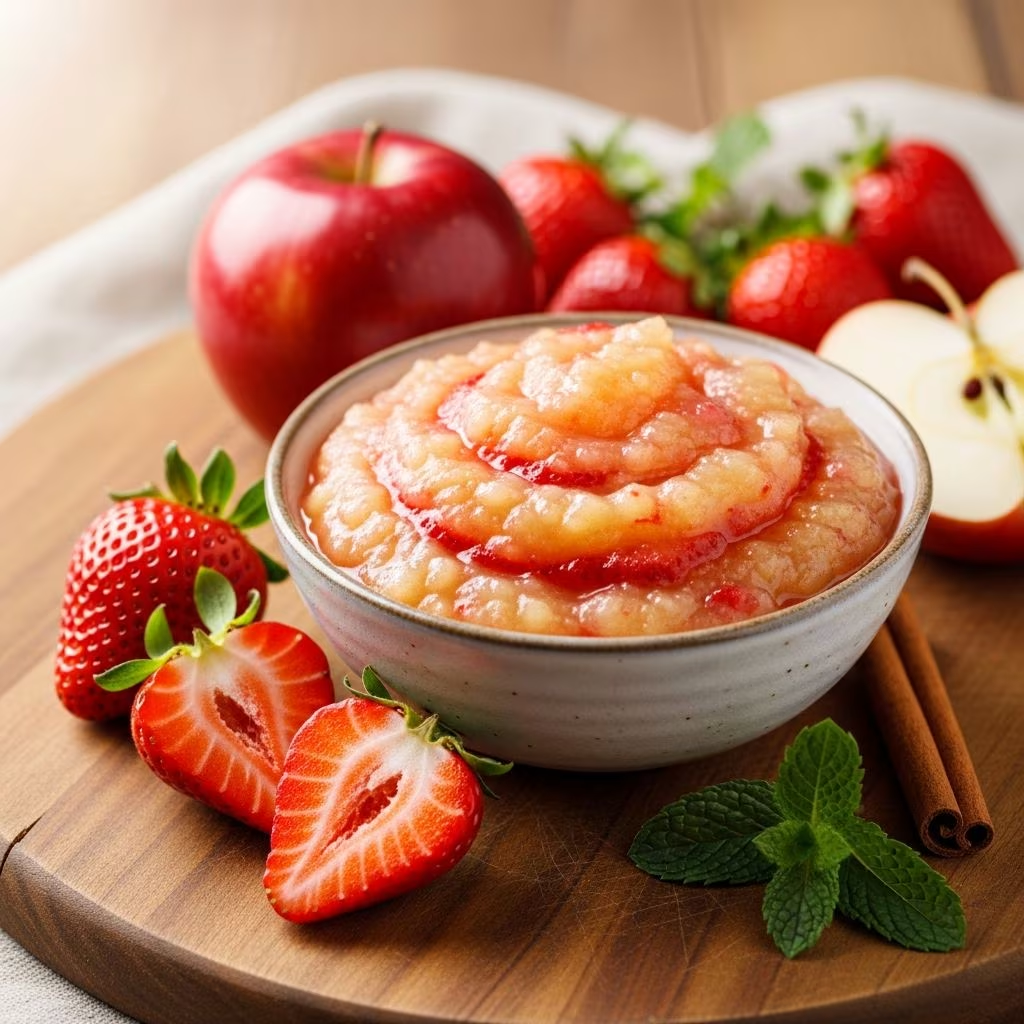
Making your own strawberry applesauce at home is a straightforward cooking project that yields delicious results in approximately 45 minutes or less. This naturally sweetened fruit blend combines the tartness of apples with the sweetness of strawberries, creating a versatile condiment suitable for breakfast, snacks, or baby food. Unlike commercially prepared versions, homemade applesauce allows you to control ingredients and customize flavors to your preference.
Understanding Your Fruit Selections
The foundation of excellent strawberry applesauce begins with choosing quality produce. Both fresh and frozen options work effectively, making this recipe flexible based on seasonal availability and budget considerations.
Apple Varieties That Work Best
Selecting the right apples significantly impacts your final product’s taste profile. Sweet apple varieties create a naturally more pleasant flavor without requiring added sweeteners. Recommended options include Gala, Pink Lady, Fuji, Honeycrisp, Jonagold, and Sweet Tango varieties. These cultivars offer inherent sweetness that balances the tartness sometimes present in applesauce. Avoid using extremely tart varieties like Granny Smith unless you plan to add sweetening agents, since the recipe methodology in these preparations typically relies on the natural sugars present in fruit.
You’ll typically need approximately 4 medium apples or 8 cups of peeled and chopped apple pieces for a standard batch. The size of your apple cuts affects cooking time—smaller, more uniform pieces cook faster and blend more smoothly than larger chunks.
Strawberry Considerations
Fresh strawberries provide vibrant flavor and beautiful color to your applesauce. A standard 16-ounce container of fresh strawberries (approximately 3 heaping cups when diced) works well for most recipes. Frozen strawberries serve as an excellent alternative when fresh berries are unavailable or cost-prohibitive. The frozen variety maintains nutritional value and flavor intensity comparable to fresh options.
Essential Ingredients and Equipment
This recipe requires minimal components, making it accessible for home cooks of various skill levels.
Core Ingredient List
- 4 medium fresh apples (peeled and diced)
- 16 ounces fresh or frozen strawberries (hulled and diced)
- 1 cup water
Optional Flavor Enhancers
- Fresh lemon juice (adds brightness)
- Ground cinnamon (provides warmth and spice)
- Honey (optional sweetener if desired)
Equipment You’ll Need
- Large pot or stockpot
- Blender or immersion blender
- Potato masher (optional alternative to blending)
- Cutting board and knife
- Wooden spoon for stirring
Step-by-Step Preparation Method
The cooking process involves straightforward steps that even beginning cooks can execute successfully.
Preparation Phase
Begin by washing your strawberries thoroughly and removing the stems and leaves. For apples, rinse the exterior, then peel away the skin using a vegetable peeler or knife. Cut the peeled apples in half, remove the core, and dice into roughly uniform pieces. Consistency in size helps ensure even cooking throughout the batch. If using frozen strawberries, thaw them slightly before processing.
Cooking Process
Combine the prepared apples and strawberries in your large pot, then add approximately 1 cup of water. The water level should just reach the fruit surface—this prevents burning while allowing the natural fruit juices to concentrate during cooking. Place the pot over high heat and bring the mixture to a boil. Once boiling begins, reduce the heat to medium and allow the fruit to simmer gently for 30 minutes. Stir occasionally to encourage even cooking and prevent sticking to the pot bottom.
The fruit is sufficiently cooked when it becomes very soft and breaks apart easily with gentle pressure from a spoon. Remove the pot from heat and allow it to cool for 5 to 10 minutes before transferring to your blending equipment.
Blending and Texture Adjustment
Transfer the cooked fruit mixture to your blender and process until smooth. For a chunkier consistency, you can use a potato masher instead of a blender, which creates a more rustic texture while maintaining some fruit fiber visibility. If using a standard blender rather than an immersion blender, work in batches if necessary to avoid overfilling. Blend until you achieve your desired consistency—some people prefer completely smooth applesauce while others enjoy a slightly textured version.
Flavor Customization Techniques
While the basic recipe is delicious on its own, several simple additions can elevate the flavor profile.
| Flavor Addition | Amount | Flavor Profile | Best For |
|---|---|---|---|
| Fresh lemon juice | 1-2 tablespoons | Bright, citrusy brightness | Enhancing natural fruit flavors |
| Ground cinnamon | 1/4 to 1 teaspoon | Warm, slightly spiced | Autumn-inspired variations |
| Honey | 2-4 tablespoons | Enhanced sweetness | Those preferring additional sugar |
| Vanilla extract | 1/2 teaspoon | Subtle vanilla notes | Creamy dessert applications |
Storage and Preservation Methods
Proper storage extends the shelf life of your homemade applesauce and maintains its quality.
Refrigerator Storage
Cooled applesauce stores well in the refrigerator for approximately one to two weeks when kept in an airtight container. This method works perfectly for smaller batches intended for immediate consumption.
Freezer Preservation
For longer-term storage, freeze applesauce in multiple formats. Flat freezer bags with excess air removed take up minimal space and thaw quickly. Alternatively, use airtight containers, though these require more freezer real estate. To use frozen applesauce, thaw it in the refrigerator overnight or at room temperature for a few hours. The mixture may separate slightly during thawing, so stir well before serving.
Water Bath Canning
For shelf-stable preservation, you can process jars of hot applesauce in a water bath canner. Ladle hot applesauce into sterilized jars, leaving half-inch headspace. Remove air bubbles, wipe jar rims clean, add lids and bands, then process pints for 15 minutes and quarts for 20 minutes in a rolling boil water bath. This method creates shelf-stable products lasting one to two years.
Nutritional Benefits and Applications
Strawberry applesauce offers nutritional advantages that make it suitable for various dietary needs and life stages.
The combination of strawberries and apples provides natural fiber, vitamin C, and various phytonutrients. This makes homemade applesauce particularly valuable as first foods for babies and toddlers, offering nutrition in an easily digestible form. Adults benefit from the fiber content and natural sugars, making it suitable for breakfast accompaniments, dessert toppings, or snack items.
The no-added-sugar versions appeal to those monitoring refined sugar intake, as the sweetness derives entirely from fruit. Those desiring additional sweetness can easily incorporate honey or reduce liquid content to concentrate natural sugars.
Helpful Tips for Successful Preparation
- Apple sizing matters: Cut apples into uniform pieces to ensure consistent cooking throughout your batch
- Prevent sticking: Check liquid levels halfway through cooking and add more water if the bottom begins to dry out
- Temperature control: Maintain medium heat during simmering rather than using high heat, which can cause scorching
- Quality ingredients: Use ripe, sweet apples and fragrant strawberries for best flavor results
- Batch flexibility: You can easily halve or double this recipe based on your needs
- Slow cooker option: This recipe adapts well to slow cooker preparation, though cooking time extends considerably
Frequently Asked Questions
Can I use canned apples or strawberries?
Fresh or frozen fruit produces superior results compared to canned varieties, which often contain added sugars and have softer textures. Fresh and frozen options provide better flavor and texture control in homemade applesauce.
Is peeling apples necessary?
Peeling is optional but recommended for smoother applesauce, particularly when making food for young children or those preferring very smooth textures. Leaving peels intact adds fiber and nutrients but may result in visible skin particles in the final product.
How do I know when the fruit is sufficiently cooked?
Properly cooked fruit breaks apart easily with minimal pressure from a spoon and has lost its firm texture. Undercooked fruit doesn’t blend smoothly, while overcooked fruit becomes mushy and loses flavor intensity.
Can I make this in large batches for canning?
Yes, this recipe scales well for canning projects. Simply multiply ingredient quantities and follow proper water bath canning procedures to create shelf-stable preserves.
What’s the best way to serve homemade applesauce?
Serve warm or cold depending on preference. It works as breakfast topping for oatmeal or yogurt, snack food for children, dessert accompaniment, or standalone treat.
Exploring Variations and Substitutions
Once comfortable with the basic recipe, you can experiment with modifications. Try substituting part of the water with apple juice for enhanced apple flavor. Experiment with different cinnamon quantities to find your preferred spice level. Some cooks add a small amount of vanilla extract or nutmeg for complexity. You might also adjust the strawberry-to-apple ratio based on whether you prefer subtle or pronounced strawberry flavor.
This versatile recipe demonstrates that creating nutritious, delicious fruit preparations at home requires minimal skills, time, and ingredients. Whether you’re preparing baby food, seeking healthy snacks, or preserving seasonal fruit, homemade strawberry applesauce offers a rewarding cooking project with impressive results.
References
- Easy Strawberry Applesauce (2-Ingredients, 30 Minutes) — Yummy Toddler Food. 2024. https://www.yummytoddlerfood.com/strawberry-applesauce/
- Homemade Strawberry Applesauce — Lemon Tree Dwelling. 2024. https://www.lemontreedwelling.com/homemade-strawberry-applesauce/
- Strawberry Applesauce Recipe — WholeMade Homestead. 2024. https://wholemadehomestead.com/strawberry-applesauce/