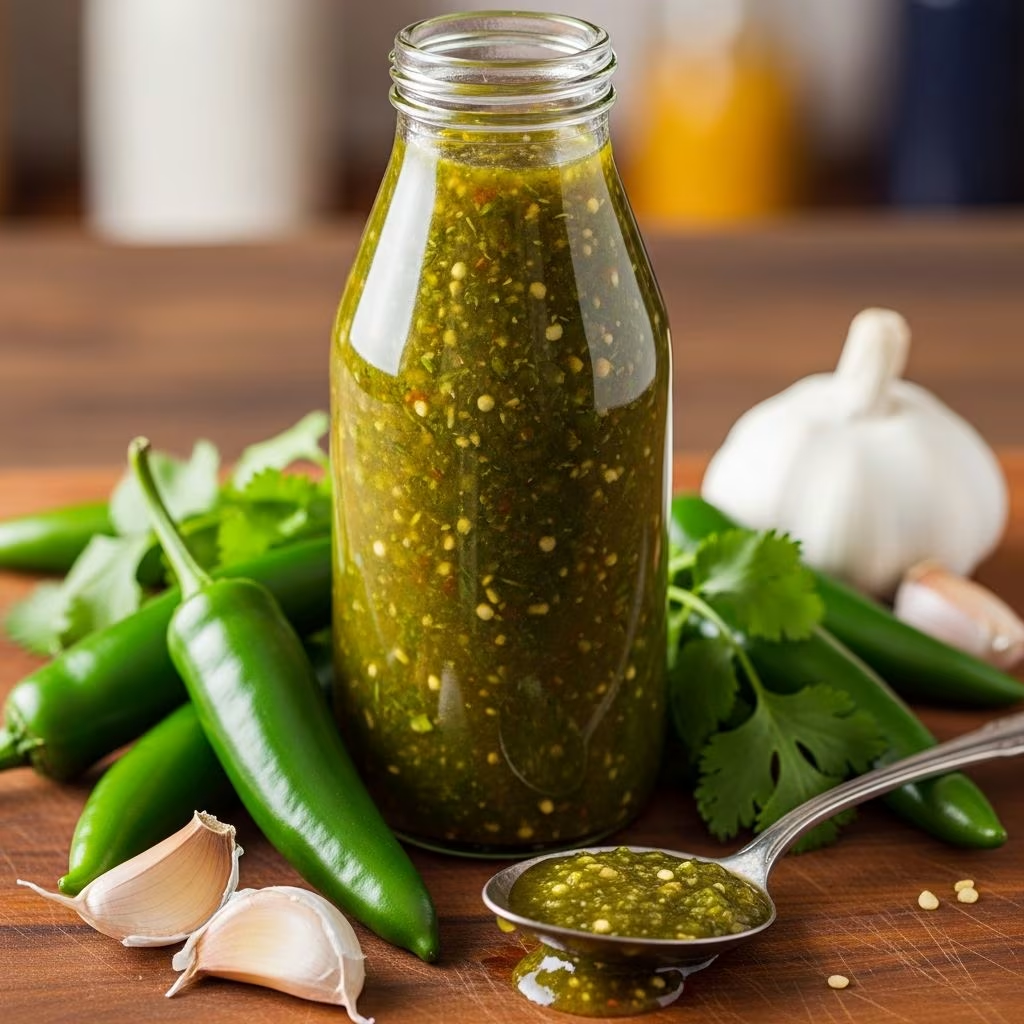
Homemade serrano hot sauce elevates everyday dishes with its vibrant green hue, sharp heat, and layered flavors. Serrano peppers, known for their Scoville heat units ranging from 10,000 to 23,000, deliver a brighter, grassier burn compared to jalapeños, making them ideal for versatile condiments. This guide dives into crafting your own batches, drawing from proven techniques like roasting, simmering, and fermenting to achieve professional results at home.
Understanding Serrano Peppers
Serrano peppers originate from Mexico and thrive in warm climates, producing slender, bright green pods that ripen to red. Their thin skin allows quick cooking, while high capsaicin content provides intense heat without overwhelming fruitiness. When blended into sauces, serranos contribute a fresh, vegetal punch that pairs well with citrus, vinegar, and garlic.
- Heat Profile: Mid-range spiciness, perfect for building flavor without numbing the palate.
- Flavor Notes: Crisp, herbaceous with subtle sweetness when roasted.
- Availability: Fresh in most grocery stores; opt for firm, unblemished peppers for best results.
To maximize freshness, store serranos in the refrigerator crisper for up to two weeks. For sauces, use green serranos for brighter color and tang, or red for deeper, fruitier tones.
Essential Ingredients for Success
Core components form the backbone of any serrano hot sauce: peppers, acid, aromatics, and thickeners. Variations allow personalization, from tangy lime-forward blends to smoky, herb-infused versions.
| Ingredient | Role | Common Substitutes |
|---|---|---|
| Serrano Peppers (1/2-1 lb) | Primary heat and flavor base | Jalapeños for milder heat |
| Vinegar (1/2-1 cup) | Acidity for preservation and tang | Apple cider or white wine vinegar |
| Garlic (4-12 cloves) | Savory depth | Shallots or roasted onion |
| Lime Juice (2-3 tbsp) | Bright citrus lift | Lemon juice |
| Salt (1/2-1 tbsp) | Flavor enhancer | Kosher or sea salt |
| Optional: Tomatillos, Onion, Herbs | Complexity and body | Cilantro, oregano, cumin |
These elements ensure balance: heat from peppers, brightness from acids, and umami from aromatics. Experiment with add-ins like ginger or smoked paprika for unique twists.
Quick Roasting Method
For beginners, roasting simplifies flavor development. This approach chars peppers for smokiness in under 30 minutes.
- Preheat broiler or use a cast-iron skillet over medium-high heat. Line a tray with foil and drizzle 20 serranos, 4 tomatillos (husked), and 12 garlic cloves with oil.
- Broil or char for 5-10 minutes, turning until blackened on all sides. This step caramelizes sugars and mellows raw heat.
- Transfer to a blender with 1 cup water, 1/2 cup apple cider vinegar, 3 tbsp lime juice, and 1 tbsp salt. Puree until smooth.
- Simmer in a saucepan, adding a cornstarch slurry (1 tbsp cornstarch + 2 tbsp water) for thickness. Cook 3 minutes more.
Yields about 2 cups of vibrant, pourable sauce. Store in sterilized bottles in the fridge for up to 3 months.
Stovetop Simmer Technique
A stovetop method builds complexity through gentle cooking, ideal for herb lovers.
- Sauté 1/4 onion and 1 garlic clove in oil until softened. Add 1 tsp Mexican oregano, 1/4 tsp cumin, and black pepper; toast briefly.
- Incorporate 18-20 de-stemmed serranos (optional habanero), 1/2 cup white vinegar, 1/4 cup water, and 1/2 tsp salt. Simmer 10 minutes.
- Blend with 8-10 cilantro sprigs and lime juice until silky. Strain for smoothness if desired.
This version shines with fresh cilantro notes, perfect for tacos or eggs. Adjust vinegar for desired acidity.
Fermentation for Depth
Fermenting introduces tangy probiotics and complex flavors, extending shelf life.
- Mix 1 lb stemmed serranos with 3 tbsp sea salt in 1 quart unchlorinated water. Submerge in a jar; ferment 1-2 weeks at room temperature until bubbly and acidic.
- Drain partially, then simmer peppers with brine (or fresh water), 3 minced garlic cloves, 3 oz white wine vinegar, 1.5 oz tequila, and lime juice for 15 minutes.
- Blend smooth and strain. The result is tart, boozy, and shelf-stable for months.
Fermentation softens heat while amplifying umami—great for gourmet applications.
Advanced Customizations
Tailor sauces to preferences with these tweaks:
- Smokier Profile: Add charred onion (1 cup) and smoked paprika (1 tsp).
- Sweeter Balance: Include 1 tbsp sugar or ginger during simmering.
- Thicker Texture: Use tomatillos or extra cornstarch; strain less for pulpiness.
- Extra Heat: Incorporate 1-2 superhots like ghost peppers sparingly.
Test small batches: taste after blending, adjusting salt, acid, or sugar incrementally.
Storage and Safety Tips
Proper handling ensures longevity. Vinegar’s acidity (pH below 4.6) prevents botulism, but always use clean equipment.
- Fridge: 3-6 months in glass bottles.
- Freezer: Up to 1 year in ice cube trays for portions.
- Canning: Water-bath for 10 minutes if not fermenting (consult USDA guidelines).
Label with dates and heat levels. Shake before use as separation occurs naturally.
Pairing Ideas and Uses
Serrano hot sauce transforms meals:
- Mexican Classics: Drizzle on tacos, enchiladas, or pozole.
- Breakfast Boost: Mix into eggs, salsa, or avocado toast.
- Global Twists: Elevate ramen, pizza, or grilled meats.
- Cocktails: Rim glasses or spike Bloody Marys.
Start with a few drops to gauge heat, diluting with yogurt for milder dips.
Common Mistakes to Avoid
Steer clear of pitfalls for flawless results:
- Over-blending without venting steam causes splatters.
- Skipping strain leads to gritty texture—use a fine mesh.
- Ignoring seed removal if reducing heat (wear gloves).
- Not tasting iteratively; flavors evolve during cooking.
Invest in a high-powered blender for emulsification.
Frequently Asked Questions
Can I make this sauce milder?
Yes, remove seeds and membranes from half the serranos or substitute with green jalapeños.
How long does homemade serrano hot sauce last?
Refrigerated, up to 6 months; fermented versions last longer due to acidity.
Is fermentation necessary?
No, but it adds probiotic benefits and nuanced tang.
Can I scale the recipe?
Absolutely—double peppers and liquids proportionally for larger batches.
What if my sauce is too thin?
Simmer longer or add a slurry; for thickness without cornstarch, reduce more.
Nutrition Snapshot
Per tablespoon (approximate): 5 calories, negligible fat/carbs, high in vitamin C from peppers. Low-sodium versions suit dietary needs.
References
- Serrano Hot Sauce Recipe — Kevin Is Cooking. 2023-05-15. https://keviniscooking.com/serrano-hot-sauce-recipe/
- Serrano Hot Sauce Recipe — Mexican Please. 2022-11-10. https://www.mexicanplease.com/serrano-hot-sauce-recipe/
- Serrano Pepper Hot Sauce Recipe — Pepper Geek. 2024-03-20. https://peppergeek.com/serrano-hot-sauce-recipe/
- Spicy Serrano Hot Sauce Recipe — Chili Pepper Madness. 2023-08-05. https://www.chilipeppermadness.com/chili-pepper-recipes/hot-sauces/spicy-serrano-hot-sauce/
- How to Make Easy and Delicious Homemade Hot Sauce — YouTube (Outdoor Indoor Texan). 2023-06-12. https://www.youtube.com/watch?v=xPGTkiuuDxM