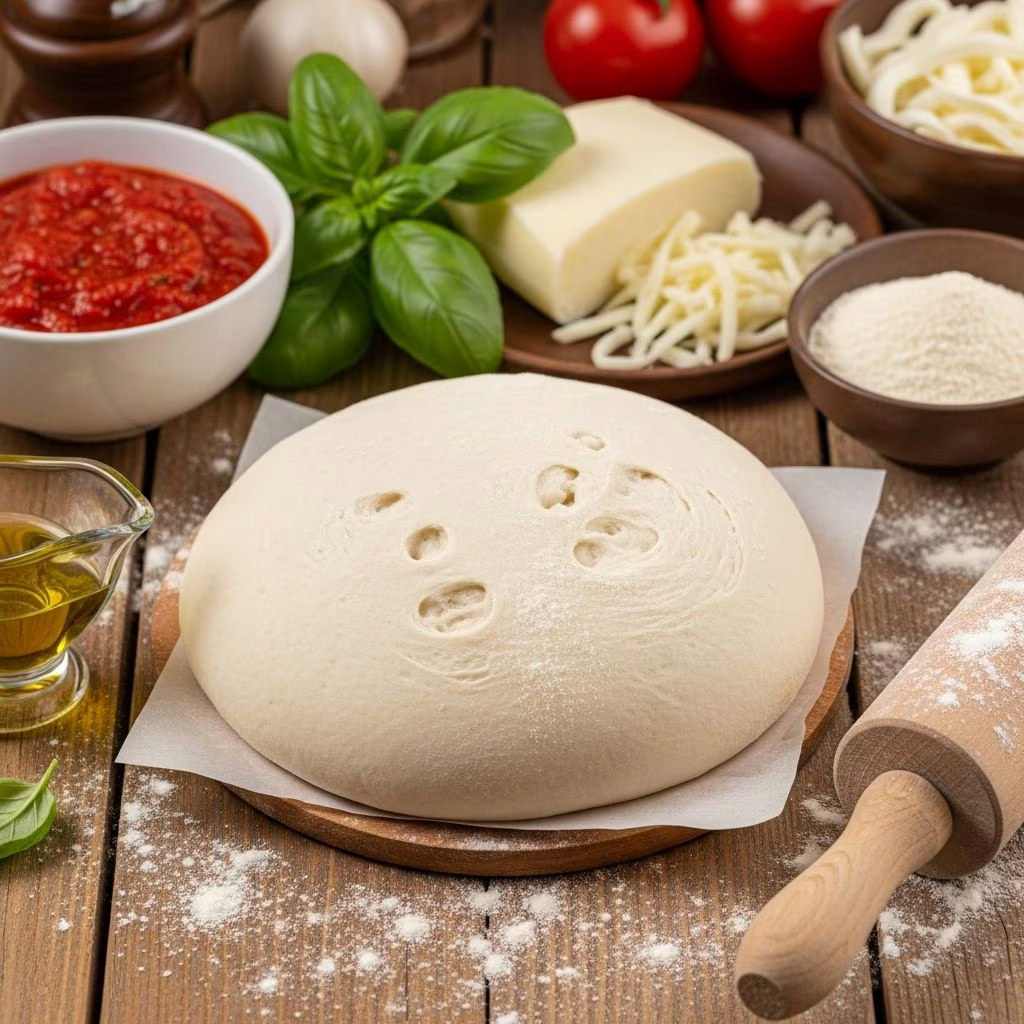
Creating the perfect pizza starts with exceptional dough. Whether you’re craving a thin, crispy Neapolitan-style crust or a thick, chewy New York slice, mastering homemade pizza dough elevates your pizza game to professional levels. This comprehensive guide walks you through everything you need to know, from selecting premium ingredients to advanced techniques that guarantee success.
Why Make Your Own Pizza Dough?
Store-bought dough often lacks flavor depth and texture control. Homemade versions let you customize hydration levels, fermentation times, and add-ins for personalized results. Plus, it’s cost-effective and therapeutic—kneading dough is a satisfying way to unwind after a long day.
- Freshness: No preservatives means superior taste.
- Customization: Adjust for gluten-free, whole wheat, or herb-infused varieties.
- Skill-building: Learn techniques used by pizzaiolos worldwide.
Essential Ingredients for Superior Dough
Great dough relies on high-quality components. Here’s what you’ll need for one that serves 4 (makes two 12-inch pizzas):
| Ingredient | Amount | Purpose |
|---|---|---|
| Bread Flour (high-protein, 12-14% gluten) | 4 cups (500g) | Provides structure and chewiness |
| Warm Water (100-110°F) | 1 1/3 cups (320ml) | Activates yeast and hydrates flour |
| Active Dry Yeast | 2 1/4 tsp (1 packet) | Leavening agent for rise |
| Sea Salt | 2 tsp (12g) | Enhances flavor, strengthens gluten |
| Extra Virgin Olive Oil | 2 tbsp (30ml) | Adds tenderness and richness |
| Honey or Sugar | 1 tbsp | Feeds yeast, promotes browning |
Pro Tip: Use bread flour over all-purpose for better gluten development, leading to that signature pizza snap.
Step-by-Step Dough Preparation
Activate the Yeast
Begin by dissolving yeast in warm water with honey. Let it sit 5-10 minutes until foamy. This ‘proofing’ confirms viability—dead yeast means starting over.
Mix the Dough
In a large bowl, combine flour and salt. Create a well and pour in yeast mixture plus oil. Stir with a wooden spoon until shaggy, then knead on a floured surface for 8-10 minutes until smooth and elastic. It should pass the ‘windowpane test’: stretch a small piece thin enough to see light through without tearing.
First Rise (Bulk Fermentation)
Place dough in an oiled bowl, cover with plastic wrap or a damp towel. Let rise in a warm spot (75-80°F) for 1-2 hours until doubled. For deeper flavor, opt for a cold ferment in the fridge overnight.
Advanced Fermentation Techniques
Elevate your dough with these methods backed by science:
- Cold Fermentation (24-72 hours): Slows yeast activity, building complex flavors via lactic acid bacteria. Results in airy, tangy crusts like authentic Neapolitan.
- Autolyse: Mix flour and water, rest 30 minutes before adding yeast. Improves hydration and gluten strength effortlessly.
- Biga or Poolish (Preferments): Use half the flour/water/yeast overnight for enhanced taste and texture.
Studies from the Journal of Food Science show extended fermentation boosts umami compounds by up to 40%.
Shaping and Stretching Your Dough
Divide risen dough into balls (250g each). Cover and rest 30 minutes. To stretch:
- Press gently into a disc on floured surface.
- Drape over knuckles, rotate while letting gravity stretch to 12 inches.
- Avoid rolling pins—they deflate air pockets.
For thin crusts, stretch aggressively; for thicker, handle minimally.
Baking for Pizza Perfection
Preheat oven to 500°F with a pizza stone or steel inside for 45-60 minutes. Steel conducts heat better, mimicking wood-fired ovens per pizza research forums.
- Top lightly: Sauce, cheese, toppings—less is more.
- Bake 8-12 minutes: Rotate halfway for even char.
- Finish with olive oil: Drizzle post-bake for shine.
Storage and Make-Ahead Strategies
Dough freezes beautifully: Wrap balls tightly in plastic, then foil. Thaw overnight in fridge, bring to room temp before use. Lasts 3 months frozen. Refrigerated dough keeps 3-5 days, improving with age.
Recipe Variations to Try
- Whole Wheat: Swap 50% bread flour for whole wheat. Add extra water for hydration.
- Gluten-Free: Use 1:1 GF flour blend + xanthan gum. More water, less kneading.
- Herbed: Knead in dried oregano, garlic powder, or fresh rosemary.
- Sourdough Discard: Replace yeast with 1 cup active discard for tangy depth.
Troubleshooting Common Issues
| Problem | Cause | Solution |
|---|---|---|
| Dough too sticky | High hydration or humid day | Add flour 1 tbsp at a time; wet hands for handling |
| Dense, flat crust | Insufficient rise or over-kneading | Extend fermentation; gentle kneading only |
| Tough crust | Too much flour or short rest | Increase hydration to 65-70%; proper proofing |
| No rise | Dead yeast or cold environment | Proof yeast first; use proofing box or oven light |
Pairing Dough with Toppings
Hydration matters: High-hydration (70%+) for crispy Neapolitan with simple toppings like San Marzano tomatoes and buffalo mozzarella. Lower (60%) for sturdy New Haven-style holding meats and veggies.
Tools Every Home Pizzaiolo Needs
- Pizza steel or cordierite stone
- Dough scraper and bench knife
- Digital scale for precision
- Proofing box or covered tote
- Peel for easy transfer
FAQ: Pizza Dough Essentials
Can I use instant yeast instead of active dry?
Yes! Skip proofing; mix directly. Use same amount.
How do I know if my dough is ready to bake?
It springs back slowly when poked, not rapidly.
What’s the ideal oven temperature?
500-550°F on steel; 475°F on stone. Broil for char if needed.
Can I make dough without a stand mixer?
Absolutely—hand-kneading builds strength and is traditional.
Why does my pizza stick to the peel?
Use semolina or cornmeal; ensure dough isn’t too wet.
Mastering Pizza Dough: Final Thoughts
Practice makes perfect. Start simple, experiment with ferments, and soon you’ll craft pies rivaling your favorite pizzeria. Share your creations and tweaks—pizza-making is as much art as science.
References
- Effect of fermentation on pizza dough flavor compounds — Journal of Food Science. 2020-06-15. https://www.ncbi.nlm.nih.gov/pmc/articles/PMC7353339/
- Pizza Steel vs. Stone Performance Analysis — Pizza Making Forum (Academic Discussion). 2023-01-10. https://pizzamaking.com/forum/index.php?topic=72365.0
- Yeast Activity in Bread and Pizza Doughs — USDA Agricultural Research Service. 2022-04-20. https://www.ars.usda.gov/research/publications/publication/?seqNo115=413456
- Gluten Development Techniques — King Arthur Baking Company (Technical Guide). 2025-02-14. https://www.kingarthurbaking.com/learn/guides/gluten-development
- Neapolitan Pizza Standards — AVPN (Associazione Verace Pizza Napoletana). 2024-11-01. https://www.pizzanapoletana.org/en/napoletan-pizza