Creating a homemade pickling spice blend elevates the taste of preserved vegetables far beyond store-bought versions. This versatile mix combines aromatic seeds, berries, and herbs to infuse brines with complex flavors, ideal for cucumbers, onions, beets, and beyond. By blending your own, you control the intensity and customize to preference, ensuring fresh, potent results every time.
Why Choose Homemade Over Commercial Blends
Store-bought pickling spices often contain fillers or faded aromas due to prolonged storage. Freshly mixed blends deliver bolder notes from whole ingredients, avoiding powdery additives that cloud brines or alter colors. Home preparation allows adjustments for heat, sweetness, or earthiness, tailoring to specific recipes like dill pickles or spicy carrots.
Economically, a single batch yields multiple jars, costing pennies per use compared to pre-packaged options. Environmentally, it reduces packaging waste while encouraging mindful pantry use.
Essential Ingredients for a Core Blend
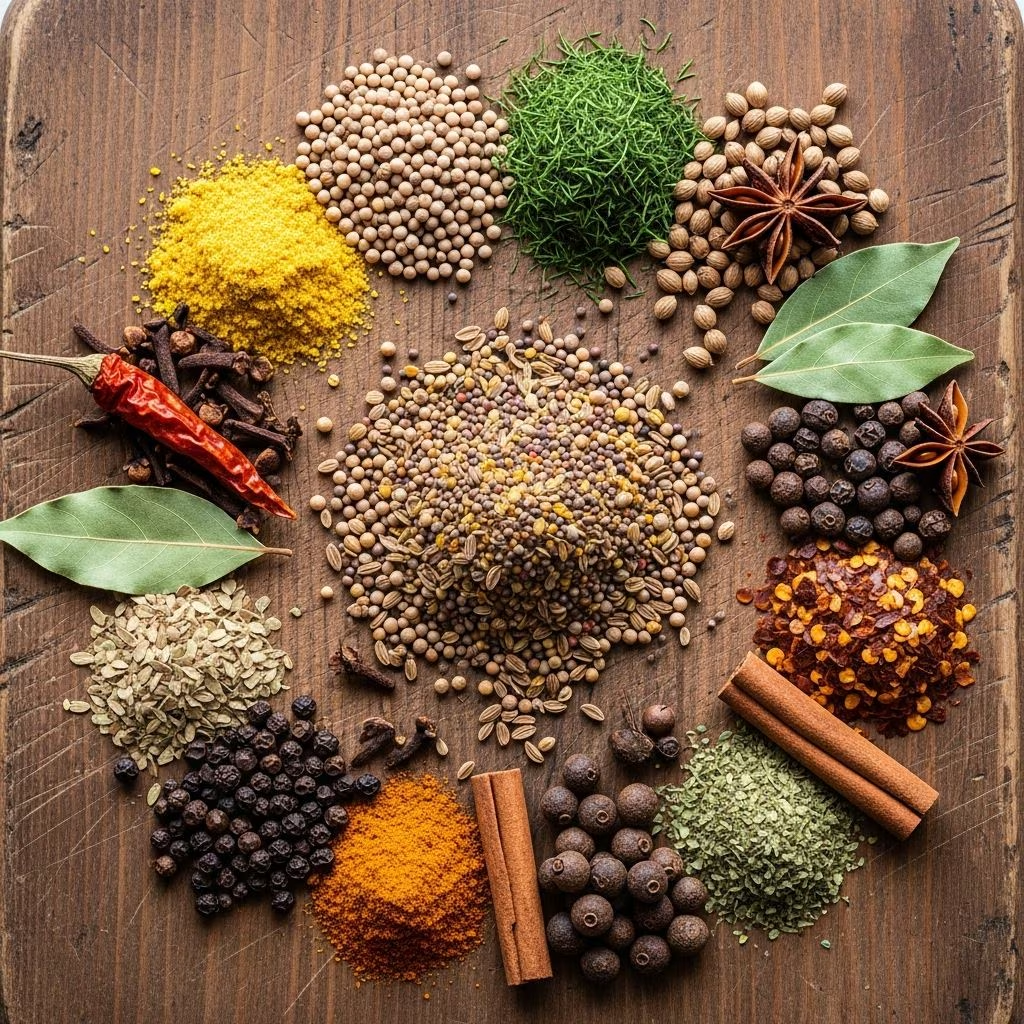
The foundation of any pickling spice relies on a handful of staples that provide pungency, warmth, and depth. These whole spices release flavors gradually during pickling, maintaining clarity in the final product.
- Mustard seeds: Yellow or black varieties offer a sharp, tangy bite essential for cutting through vinegar’s acidity.
- Black peppercorns: Whole corns contribute spicy undertones without overpowering heat.
- Bay leaves: Crumbled for subtle herbal notes that enhance savory profiles.
- Allspice berries: Mimic a blend of cinnamon, nutmeg, and cloves for warm complexity.
These form the backbone, appearing consistently across trusted recipes for reliable results.
Optional Add-Ins for Flavor Variations
Expand your blend with complementary elements to suit different produce or tastes. Select based on desired profile: floral for delicate veggies, fiery for bold kicks.
| Category | Ingredients | Flavor Impact | Quantity per Batch |
|---|---|---|---|
| Warm & Aromatic | Cinnamon sticks (broken), Cloves | Sweet spice, depth | 1/2 stick, 1 tsp |
| Herbal & Fresh | Dill seeds, Coriander seeds | Green, citrusy notes | 1-2 Tbsp each |
| Heat Builders | Red pepper flakes, Ginger (ground) | Spicy kick, warmth | 1 tsp flakes, 1/2 tsp ginger |
Avoid powdered forms to prevent cloudy brines; crush larger pieces lightly for even distribution.
Step-by-Step Guide to Mixing Your Blend
Assembling takes minutes with basic tools. Aim for 1/2 cup total yield, scalable as needed.
- Gather and prep: Measure whole spices. Crush bay leaves, cinnamon, and cloves by hand or mortar for better integration.
- Combine in bowl: Add 2 Tbsp each mustard seeds, peppercorns, coriander; 1 Tbsp allspice, dill; 1 tsp flakes; 4-6 bay pieces.
- Mix thoroughly: Stir or shake in a jar until uniform. Optional: Toast lightly in a dry pan for intensified aromas.
- Store properly: Transfer to airtight glass jar in cool, dark pantry. Keeps 6-12 months.
This yields about 1/2 cup, enough for 10-15 quart jars.
Perfect Brine Ratios for Pickling Success
Pickling spice shines in vinegar or fermented brines. Standard ratio: equal parts water and vinegar (1:1), plus 2 Tbsp salt per cup liquid for balance.
- Vinegar quick pickles: Mix white and apple cider vinegars for nuanced acidity. Boil with salt, add 2 Tbsp spice per quart jar, pack veggies, pour hot brine. Cool and refrigerate 1-3 days.
- Fermented style: Use salt water brine (2-3% salinity), add 1/2 Tbsp spice per quart. Submerge produce, ferment 3-7 days at room temp.
Always cool brines fully before sealing to preserve crunch.
Applications Across Vegetables and Beyond
This blend transforms everyday produce into gourmet preserves.
- Cucumbers: Classic dill spears with coriander-dill emphasis.
- Beets/Onions: Cinnamon-clove for sweet earthiness.
- Carrots/Green beans: Pepper flakes for zesty crunch.
- Meats/Eggs: Simmer in brines for corned beef or deviled eggs.
Experiment with fruits like pears for chutneys.
Storage Tips and Shelf Life Maximization
Keep in opaque jars away from light/heat to preserve volatiles. Label with date; refresh if aroma fades. Whole spices outlast ground by years. Freezing extends life indefinitely in portions.
Frequently Asked Questions
What if I lack an ingredient?
Substitute freely: fennel for dill, mixed peppercorns for black. Core quartet suffices for basics.
Can I grind the mix?
Best whole for clear brines; grind post-pickling if needed.
How much per jar?
1-2 Tbsp per quart (500g veggies); adjust for intensity.
Is toasting necessary?
Optional but enhances flavors via oils release.
Safe for canning?
Yes, in water-bath recipes; follow USDA guidelines.
Troubleshooting Common Pickling Issues
Soft pickles? Increase vinegar or reduce ferment time. Cloudy brine? Skip powders. Overly spicy? Dial back flakes next batch.
With practice, your custom blend becomes a preserving staple, unlocking endless flavor possibilities year-round.
References
- How to Make the BEST Homemade Pickling Spice — FoodieCrush.com. 2023. https://www.foodiecrush.com/pickling-spice/
- Homemade Pickling Spice — Williams Sonoma. 2022-10-15. https://www.williams-sonoma.com/recipe/homemade-pickling-spice.html
- Homemade Pickling Spice Recipe — Chef Billy Parisi. 2024. https://www.billyparisi.com/homemade-pickling-spice-recipe/
- Easy Customizable Pickling Spice Recipe — An Oregon Cottage. 2023-06-12. https://anoregoncottage.com/pickling-spice-recipe/
- Homemade Pickling Spice Recipe — LeelaLicious. 2022. https://leelalicious.com/homemade-pickling-spice-recipe/
- Homemade Pickling Spices — The Cooking Bride. 2023. https://cookingbride.com/sauces-and-seasonings/homemade-pickling-spices/
- Flavorful Pickling Spice — Sense & Edibility. 2021-08-20. https://senseandedibility.com/flavorful-pickling-spice/