Making your own hot sauce at home opens up a world of culinary possibilities that store-bought varieties simply cannot match. With minimal ingredients and straightforward techniques, you can transform fresh jalapeos into a versatile condiment that elevates everything from eggs to tacos. This comprehensive guide walks you through the entire process, from ingredient selection to storage tips.
Understanding Your Primary Ingredient: Jalapeos
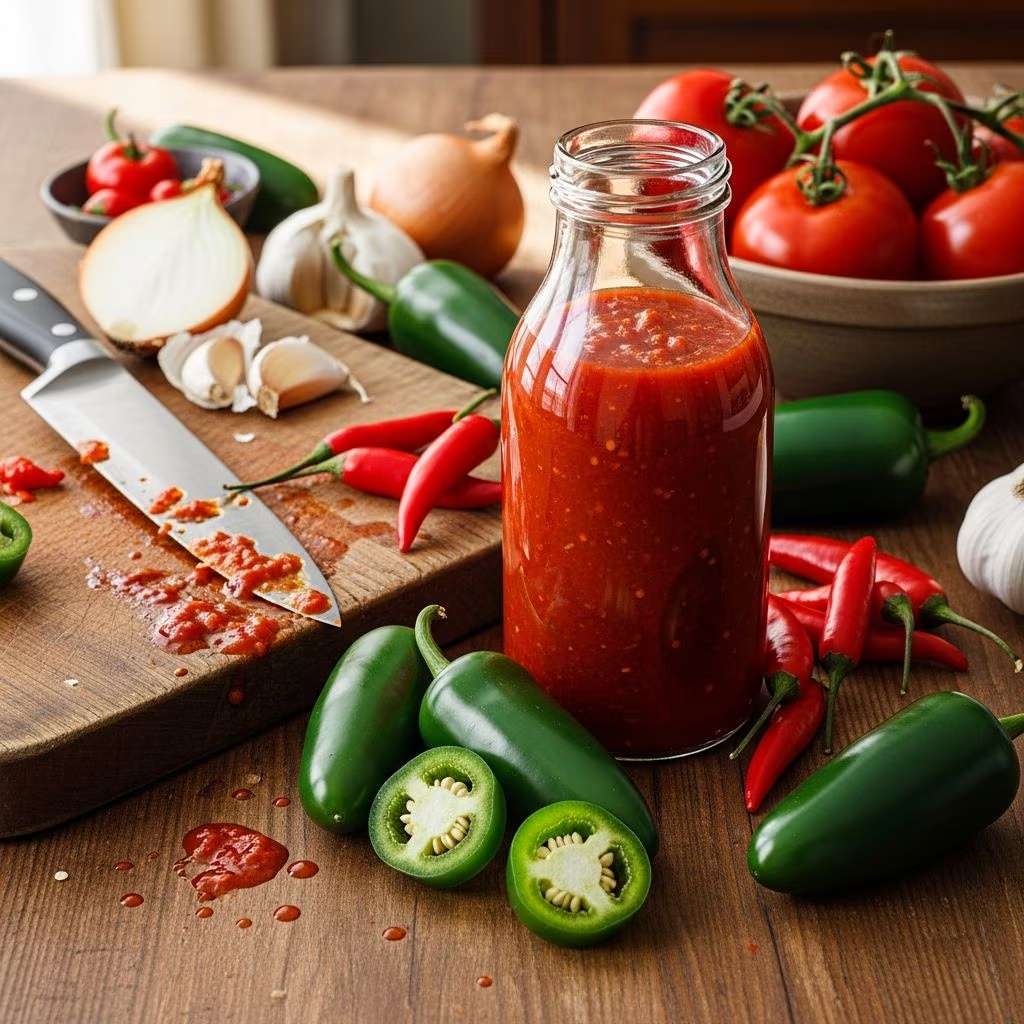
Jalapeos serve as the foundation of this sauce, bringing both heat and flavor complexity. These medium-sized peppers typically contain between 2,500 and 8,000 Scoville Heat Units, making them moderately spicy without being overwhelming for most palates. When selecting jalapeos for your sauce, choose peppers that are firm, vibrant green, and free from blemishes or soft spots.
The heat level of your final sauce depends largely on how many seeds you retain during preparation. Jalapeo seeds and the white membrane inside contain most of the capsaicin—the compound responsible for the pepper’s heat. For a milder sauce, remove most or all of these seeds. For a more intensely spicy product, keep them intact.
Essential Ingredients and Their Roles
Beyond jalapeos, your sauce requires just a handful of supporting ingredients to achieve balance and depth:
- White vinegar provides acidity that preserves the sauce and brightens flavors. It cuts through the richness of the peppers and adds a sharp note that keeps the sauce from tasting one-dimensional.
- Fresh lime juice introduces citrus notes that complement the pepper’s natural characteristics. The acidity also helps preserve the vibrant green color of your finished sauce.
- Garlic contributes savory depth and pungency. Raw garlic creates a more aggressive flavor profile, while cooked garlic becomes mellower and more subtle.
- White onion adds sweetness and texture. It caramelizes slightly during cooking, contributing complex flavor layers that balance the heat.
- Salt acts as a flavor amplifier, bringing out the natural characteristics of each ingredient and preserving the sauce throughout storage.
- Water adjusts consistency and helps distribute flavors evenly during blending.
Preparation Techniques and Safety Considerations
Before you begin cooking, proper preparation prevents discomfort and ensures quality results. Jalapeos contain oils that can irritate your skin and eyes, so wearing disposable gloves throughout the preparation process is highly recommended. Even after washing your hands thoroughly, residual capsaicin can linger and cause discomfort if you touch your face or eyes.
Begin by rinsing your jalapeos under cool running water to remove any dirt or debris. Using a sharp knife, carefully remove the stem end of each pepper. Slice each jalapeo in half lengthwise to expose the interior seeds and white membrane. Using a small spoon or the edge of your knife, gently scrape out these seeds if you prefer a milder sauce, or leave them in place for maximum heat.
Once seeded, roughly chop your peppers into manageable pieces. This allows them to cook more evenly and blend more smoothly. Similarly, thinly slice your onion and roughly chop your garlic cloves. Having all ingredients prepped before you begin cooking streamlines the process and prevents any ingredient from burning while you prepare others.
The Cooking Process Explained
The cooking method significantly influences your final sauce’s flavor profile. Heat a stainless steel pot over medium-high heat and add a tablespoon of olive oil. Once the oil shimmers, add your prepared jalapeos, sliced onion, and chopped garlic to the pot. Cook this mixture for seven to ten minutes, stirring occasionally, until the peppers have softened slightly and the onion begins to brown.
Browning the peppers and aromatics develops deeper, more complex flavors through a process called the Maillard reaction. This chemical reaction between amino acids and reducing sugars creates hundreds of new flavor compounds that wouldn’t exist in raw peppers. The slight browning also mellows any harsh edges in the raw ingredients.
Next, pour your water over the pepper mixture and bring everything to a boil. Once boiling, reduce the heat to medium-low and maintain a gentle simmer, uncovered, for approximately fifteen minutes. This simmering period allows the flavors to concentrate and meld together. The peppers continue softening during this time, becoming easier to blend into a smooth sauce.
Remove the pot from heat and allow the mixture to cool to room temperature. This cooling period serves a practical purpose—hot ingredients can damage your blender or food processor, and steam can create pressure inside the machine. It also allows the flavors to settle and develop further as everything rests.
Blending and Achieving Your Desired Consistency
Transfer the cooled pepper mixture to a blender or food processor. Pulse initially to break down the larger pieces, then blend on high speed until the mixture transforms into a smooth paste or sauce, depending on your preference. The blending time varies based on your equipment’s power and your desired texture—typically between two and five minutes.
If you prefer a thinner, more pourable sauce, add additional vinegar, lime juice, or water incrementally while blending. If your sauce becomes too thin, simmer it briefly in a saucepan to reduce excess liquid. Taste your sauce at this stage and adjust seasonings. Add more salt if needed to enhance flavors, or additional vinegar and lime juice if you want more acidity and brightness.
Some cooks prefer a textured, slightly chunky sauce, while others desire silky smoothness. Your blender’s power and the length of blending time determine the final texture. Pulse blending for a shorter duration creates a chunkier sauce, while extended high-speed blending produces completely smooth results.
Optional Flavor Enhancement Techniques
While a basic jalapeo sauce requires only the ingredients mentioned above, several techniques can enhance and customize your creation. For a more mellow, cooked flavor, pour your blended sauce into a saucepan and cook over medium heat for approximately two minutes, stirring constantly. The heat mellows any harsh raw garlic flavors and deepens the sauce’s color to a darker, duller green.
Adding dried spices during the cooking phase introduces additional complexity. Mexican oregano, cumin, and freshly cracked black pepper complement jalapeos beautifully. Typically, one teaspoon of Mexican oregano and one-quarter teaspoon of cumin per batch creates noticeable flavor enhancement without overwhelming the peppers.
Some recipes incorporate fresh cilantro near the end of blending, adding herbaceous brightness. Between eight and ten sprigs of cilantro per batch provides authentic Mexican flavor notes without making the sauce taste exclusively of cilantro.
Storage Methods and Shelf Life
Properly stored homemade jalapeo hot sauce keeps refrigerated for up to three months. Pour your finished sauce into a clean glass jar with a tight-fitting lid, leaving minimal headspace. Glass containers preserve flavor better than plastic and allow you to monitor the sauce’s appearance and consistency over time.
For extended storage, you can ferment your sauce before refrigerating. Leave the sealed jar at room temperature for approximately one day. During this time, beneficial bacteria naturally present on the peppers and in the environment create lactic acid, which deepens flavors and adds complexity. The fermentation process also enhances the sauce’s probiotic content. After fermenting, refrigerate the sauce for long-term storage.
If you want your sauce to last even longer, proper canning techniques can extend its shelf life significantly. However, canning requires strict adherence to safety protocols to prevent contamination. Consult USDA guidelines or a reliable canning resource if you plan to can your sauce.
Versatile Uses for Your Homemade Sauce
Homemade jalapeo hot sauce works in countless applications beyond simply drizzling on tacos. Use it as a condiment for eggs, grilled meats, fish, and vegetables. Swirl it into soups and stews for added depth and heat. Mix it with sour cream or Greek yogurt to create a flavorful dipping sauce for chips or vegetables. Incorporate it into marinades for grilled chicken or shrimp. Even something as simple as cream cheese on crackers becomes exciting with a dollop of vibrant jalapeo sauce.
Customization Possibilities
Once you master the basic recipe, experimentation becomes enjoyable. Substitute different peppers—such as serranos for more heat or milder poblanos for reduced spiciness—to create variations suited to your preference. Incorporate roasted garlic instead of raw garlic for a sweeter, less aggressive flavor. Add fruits like mango or pineapple for tropical sweetness that balances the heat. Try different vinegars—apple cider, rice, or red wine vinegar each impart distinct character.
Troubleshooting Common Issues
| Issue | Cause | Solution |
|---|---|---|
| Sauce too thin | Excess liquid or insufficient peppers | Simmer uncovered to evaporate liquid, or blend longer without added liquid |
| Sauce too thick | Over-blending or insufficient liquid | Add vinegar, lime juice, or water gradually while blending |
| Harsh, raw taste | Insufficient cooking or raw garlic intensity | Simmer the blended sauce for 2-3 minutes to mellow flavors |
| Bland or one-dimensional | Insufficient salt or acid | Taste and adjust salt and vinegar/lime juice gradually |
| Discolored appearance | High cooking heat or oxidation | Use medium heat, store in glass away from light, use promptly |
Frequently Asked Questions
- Can I make this sauce without cooking the peppers?
- Yes, you can blend raw peppers with the other ingredients for a fresher, more vegetal taste. However, cooking develops deeper flavors and mellows harshness. Raw sauce also has a shorter refrigerated shelf life of about two to three weeks.
- Is it necessary to remove jalapeo seeds?
- Removing seeds reduces heat and makes the sauce milder, but it’s entirely optional. For authentic flavor and traditional heat levels, many cooks retain all or most seeds. Begin by removing about half, taste, and adjust based on your preference.
- What if my blender isn’t very powerful?
- Let the pepper mixture cool completely and simmer it slightly longer—up to twenty minutes—to further soften the peppers. This makes blending easier for less powerful machines. You might also need to blend in batches.
- Can I freeze homemade jalapeo sauce?
- Yes, freezing extends the sauce’s life to six months or longer. Pour the cooled sauce into ice cube trays for portioning, then transfer frozen cubes to freezer bags. Thaw in the refrigerator before using.
References
- Jalapeo Hot Sauce Recipe — The Healthy Maven. Accessed April 2026. https://www.thehealthymaven.com/jalapeno-hot-sauce-recipe/
- Easy Homemade Jalapeo Hot Sauce — Coley Cooks. Accessed April 2026. https://coleycooks.com/jalapeno-hot-sauce/
- Jalapeo Hot Sauce Recipe (Citrusy & Bright) — Chili Pepper Madness. Accessed April 2026. https://www.chilipeppermadness.com/recipes/jalapeno-hot-sauce/
- Jalapeno Hot Sauce Recipe — Mexican Please. Accessed April 2026. https://www.mexicanplease.com/jalapeno-hot-sauce-recipe/