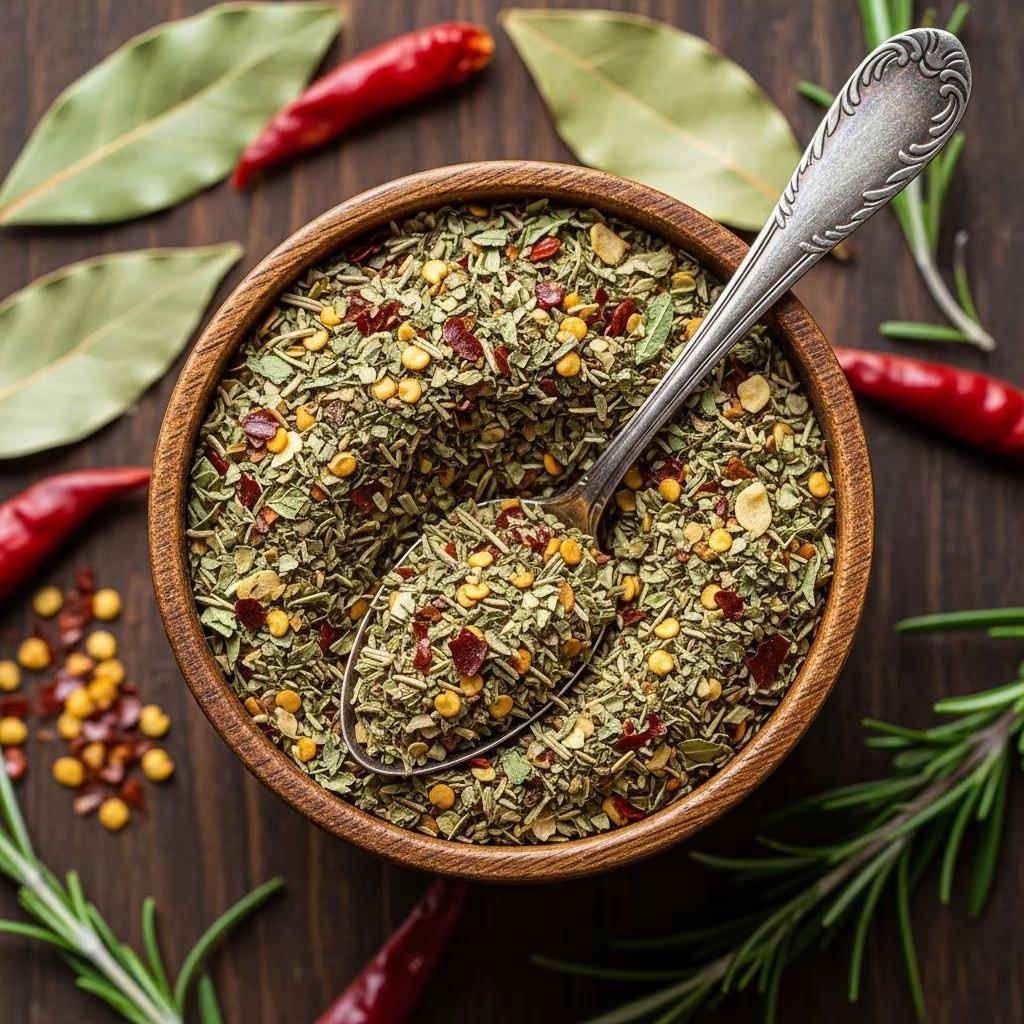
Creating your own **Italian seasoning** at home unlocks endless culinary possibilities, allowing you to infuse dishes with the vibrant, aromatic essence of Mediterranean cuisine. This versatile herb mixture, typically featuring a medley of dried basil, oregano, rosemary, thyme, and other pantry favorites, elevates everything from pasta sauces to roasted vegetables and grilled meats. Unlike commercial versions that may contain fillers or excessive salt, a homemade blend lets you control the freshness, intensity, and heat level to suit your palate.
Why Choose Homemade Over Store-Bought?
Making Italian seasoning from scratch is remarkably straightforward and cost-effective. It ensures the herbs retain their peak potency, as pre-packaged mixes often lose aroma over time on store shelves. You can adjust proportions—boosting oregano for boldness or adding a pinch of red pepper flakes for subtle spice—tailoring it perfectly to your recipes. This DIY approach also promotes sustainability by using bulk herbs, reducing packaging waste, and minimizing sodium intake if you skip added salt.
Health-conscious cooks appreciate the absence of preservatives and artificial additives common in many bottled seasonings. Freshly mixed blends deliver bolder flavors, meaning you use less overall, which can lower calorie counts in seasoned dishes. Studies on spice usage highlight how potent homemade mixes enhance nutrient absorption from herbs, rich in antioxidants like those in rosemary and thyme.
Essential Ingredients for Authentic Flavor
The core of any great Italian seasoning lies in its herb profile, drawing from the sunny fields of Italy. Start with these staples:
- Dried Basil: Provides a sweet, slightly peppery note reminiscent of fresh pesto.
- Dried Oregano: The pungent powerhouse that defines Italian profiles, with earthy robustness.
- Dried Rosemary: Adds piney, woodsy depth; crush it finely for even distribution.
- Dried Thyme: Subtle lemony undertones that balance richer herbs.
- Dried Parsley: Mild earthiness to round out the blend without overpowering.
- Dried Marjoram: A milder cousin to oregano, offering floral sweetness (optional but recommended).
For extra dimension, incorporate:
- Red Pepper Flakes: A teaspoon introduces gentle heat, ideal for arrabbiata-style dishes.
- Garlic Powder: Enhances umami without fresh garlic’s moisture.
- Onion Powder or Sage: Traces for savory complexity in meat rubs or soups.
Variations abound: Vegan adaptations might emphasize marjoram and thyme, while spicy versions double red flakes. Always opt for flake-style dried herbs over ground for texture and flavor retention in cooking.
Step-by-Step Recipe for Perfect Results
Assembling your blend takes under 5 minutes. This recipe yields about 1/2 cup, enough for months of use. Scale up as needed.
Ingredients (Makes ~1/2 Cup)
| Ingredient | Amount |
|---|---|
| Dried Basil | 2 tablespoons |
| Dried Oregano | 2 tablespoons |
| Dried Parsley | 1 tablespoon |
| Dried Rosemary (crushed) | 1 tablespoon |
| Dried Thyme | 1 tablespoon |
| Dried Marjoram | 1 tablespoon |
| Red Pepper Flakes (optional) | 1 teaspoon |
| Garlic Powder (optional) | 1 teaspoon |
Instructions
- Gather all ingredients in a clean, dry bowl to prevent clumping.
- Whisk vigorously or use a fork to blend thoroughly, breaking up any rosemary clumps for uniform texture.
- Taste a pinch (it’s dry, so imagine in a dish) and adjust—more oregano for punch, flakes for kick.
- Transfer to an airtight glass jar; shake daily for the first week to meld flavors.
- Label with the date; store in a cool, dark cupboard.
Pro tip: Pulse in a spice grinder or food processor for finer consistency, ideal for spice rubs. Avoid plastic containers, as they absorb odors.
Storage and Shelf Life Tips
Proper storage preserves potency. Glass jars with tight seals block light and moisture, key culprits in flavor degradation. Keep away from heat sources like stoves. A well-made blend lasts 6-12 months, though optimal use is within 6. Signs of decline include muted aroma or color fading—discard and remix if noticed.
- Freezer Option: For longevity, portion into ice cube trays with olive oil, freeze, then transfer to bags for easy portioning in sauces.
- Humidity Hack: Add a silica packet from vitamin bottles to the jar.
- Batch Testing: Make small test batches to experiment without waste.
Creative Ways to Use Your Blend
This seasoning shines in Italian-inspired fare but versatility extends further. Here are proven applications:
Pasta and Sauces
Sprinkle 1-2 teaspoons into marinara or meat sauces during simmering for layered depth. Stir into pesto or alfredo for herbaceous lift.
Proteins and Roasts
Rub 1 tablespoon per pound on chicken, pork, or beef before grilling or roasting. Mix with oil for shrimp skewers or meatballs.
Veggies and Sides
Toss roasted potatoes, eggplant, or zucchini with olive oil and 1 teaspoon blend. Enhance focaccia dough or garlic bread.
Soups, Stews, and More
Add to minestrone, risotto, or pizza dough. It’s a game-changer in salad dressings: 1 teaspoon per 1/4 cup oil and vinegar.
Beyond Italian: Dust on popcorn, mix into hummus, or season omelets for global twists.
Customizing for Dietary Needs and Preferences
Tailor your mix effortlessly:
| Variation | Adjustments | Best For |
|---|---|---|
| Low-Sodium | Omit salt/garlic powder; add lemon zest powder | Health-focused cooking |
| Spicy Kick | 2 tsp red flakes + pinch cayenne | Arrabbiata pasta, wings |
| Mild/Herbal | Double basil/thyme, skip flakes | Fish, salads |
| Vegan/Gluten-Free | Verify herb labels; no additives | All plant-based dishes |
| Smoky | 1/2 tsp smoked paprika | BBQ meats, veggies |
These tweaks ensure inclusivity without compromising taste.
Common Mistakes and How to Avoid Them
- Using Ground Herbs: They clump and dull flavor; stick to flakes.
- Overloading Rosemary: Its intensity dominates—measure precisely.
- Moisture Exposure: Dry hands and utensils prevent spoilage.
- Ignoring Freshness: Buy from high-turnover stores; sniff-test before use.
Frequently Asked Questions (FAQs)
Can I substitute fresh herbs?
No—fresh herbs have too much moisture and alter texture. Use dried only for blends.
Is salt necessary?
Optional; add when using in recipes to control sodium.
How much per recipe?
Start with 1 tsp per 4 servings; adjust to taste.
Can I grow my own herbs?
Yes! Dry homegrown basil, oregano, etc., for ultra-fresh blends.
Does it expire?
After 6-12 months, flavor fades; refresh as needed.
Pairing Ideas and Recipe Inspirations
Combine with olive oil, balsamic, or parmesan for dips. In baking, enhance pizza crust or breadsticks. Experiment in non-traditional ways: season roasted chickpeas or avocado toast for fusion flair.
Word count: 1723 (excluding metadata and references).
References
- Homemade Italian Seasoning (So Easy!) – The Mediterranean Dish — The Mediterranean Dish. 2023-05-15. https://www.themediterraneandish.com/italian-seasoning/
- Italian Seasoning – Spend With Pennies — Spend With Pennies. 2024-02-10. https://www.spendwithpennies.com/homemade-italian-seasoning-recipe/
- Homemade Italian Seasoning {easy and delicious!} – Inquiring Chef — Inquiring Chef. 2023-08-20. https://inquiringchef.com/italian-herb-seasoning/
- Homemade Italian Seasoning (The BEST!) – The Vegan 8 — The Vegan 8. 2022-11-05. https://thevegan8.com/homemade-italian-seasoning-recipe-the-best/
- Italian Seasoning Recipe + Storage Instructions – Savory Simple — Savory Simple. 2023-03-12. https://www.savorysimple.net/italian-seasoning-recipe/