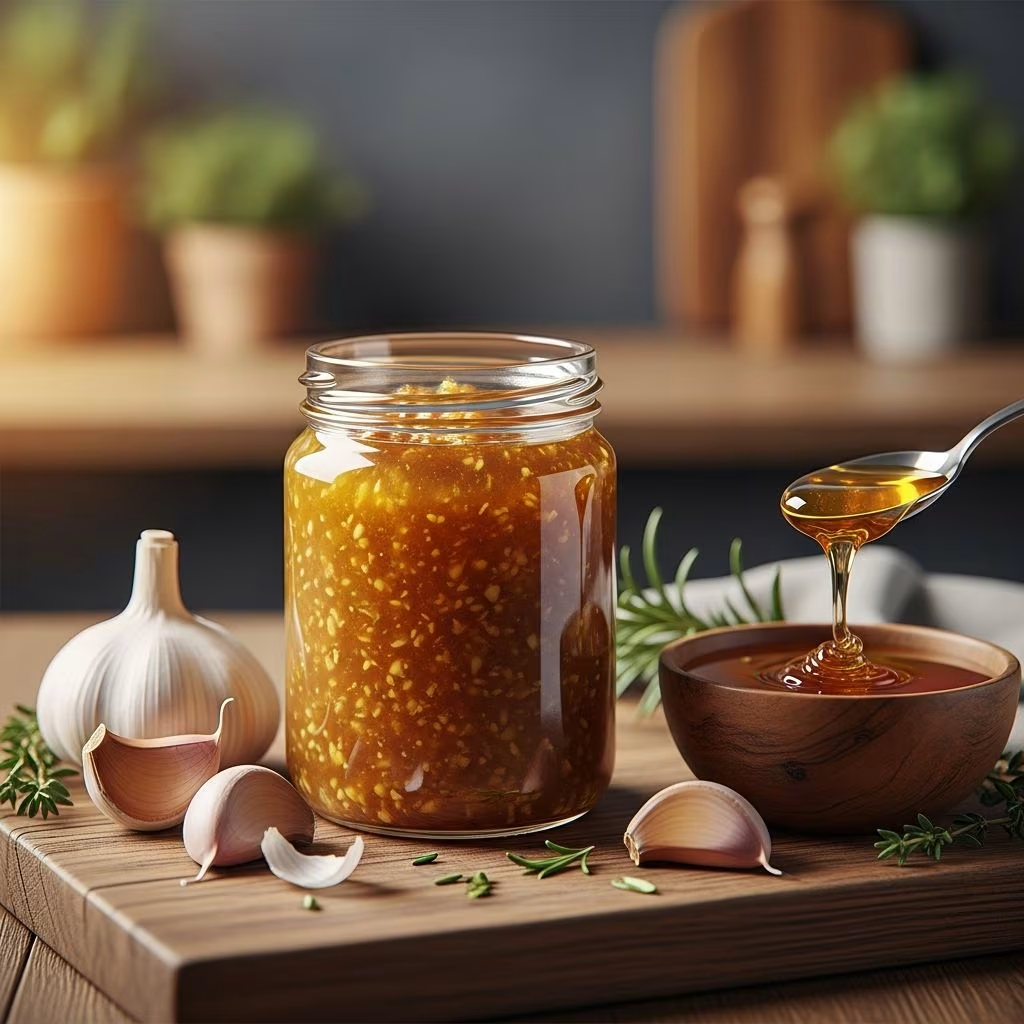
There exists a remarkable versatility in culinary creations when fundamental ingredients combine to produce something far greater than the sum of their parts. A homemade honey garlic sauce represents exactly this principle—a simple fusion of pantry staples that transforms ordinary meals into restaurant-quality dishes. This glossy, umami-rich glaze has become a staple in contemporary cooking, gracing everything from grilled proteins to stir-fried vegetables. The beauty of preparing this sauce at home lies not merely in its superior taste compared to store-bought alternatives, but in the complete control you maintain over flavor intensity, sweetness levels, and ingredient quality.
Understanding the Foundation: Core Ingredients Explained
Every successful honey garlic sauce begins with understanding its essential components and their individual contributions to the final product. The interplay between these elements creates the distinctive sweet-savory balance that makes this sauce so appealing across diverse palates.
The Role of Butter in Building Richness
Butter serves as the foundational fat that creates the sauce’s luxurious mouthfeel. When butter melts over medium heat, it develops a subtle nuttiness that enriches the entire preparation. Most recipes call for between two to four tablespoons, depending on the desired final yield and richness level. The choice between salted and unsalted butter matters—unsalted varieties provide better control over overall sodium content, particularly important when soy sauce already contributes significant saltiness to the mixture.
Fresh Garlic: The Flavor Anchor
Minced fresh garlic provides the pungent, aromatic backbone essential to this sauce’s character. The quantity can range from four to eight cloves depending on personal preference and how intensely you wish the garlic presence to register. A critical technique involves cooking the garlic in melted butter for one to two minutes before adding remaining ingredients—this blooming process mellows the raw bite while developing deeper, more complex garlic flavors through gentle heat exposure.
Honey: More Than Just Sweetness
Beyond its obvious sweetening function, honey contributes viscosity, creating the characteristic sticky coating that clings beautifully to food surfaces. Honey also imparts subtle floral notes that round out the sauce’s flavor profile. Approximately one-third to two-thirds cup appears across various formulations, though some recipes substitute maple syrup for slightly different flavor dimensions.
Soy Sauce and Umami Development
Soy sauce functions as the umami powerhouse, introducing salty, savory depth that balances honey’s sweetness. Low-sodium varieties work equally well as regular soy sauce, though they allow for better seasoning control. The fermented character of quality soy sauce adds complexity that cannot be replicated through salt alone.
Acidic Components for Brightness
Rice vinegar, apple cider vinegar, or rice wine vinegar all serve the critical function of cutting through richness and brightening the overall flavor profile. Typically two tablespoons of vinegar prevents the sauce from becoming cloying while enhancing aromatic qualities through acidic enhancement.
Thickening Agents for Perfect Consistency
Cornstarch mixed with water creates a slurry that achieves the proper glaze consistency. This technique ensures a sauce thick enough to coat the back of a spoon—the professional standard for determining ideal thickness. One tablespoon of cornstarch generally suffices for most recipes, though exact amounts depend on your desired coating ability.
Step-by-Step Preparation Techniques
Mastering the proper sequence and methods for combining these ingredients distinguishes exceptional homemade sauce from mediocre preparations.
Stage One: Building Your Aromatic Base
Begin by melting butter in a small saucepan over medium heat, allowing it to achieve a light foam. This foaming stage indicates the butter has reached optimal temperature. Add your minced garlic and stir constantly for approximately one to two minutes. The goal involves achieving a fragrant, golden appearance without browning or burning the garlic, which would create bitter, acrid flavors destructive to the final product. Reduce heat to low if necessary to prevent premature darkening.
Stage Two: Combining Sweet and Savory Elements
Once garlic becomes fragrant, introduce your honey, brown sugar, soy sauce, and vinegar simultaneously. Whisk these ingredients thoroughly to ensure even distribution and prevent sugar crystallization. At this point, the mixture should look relatively simple—a glossy liquid without yet achieving sauce consistency.
Stage Three: The Critical Boil and Simmer
Increase heat to bring the mixture to a gentle boil, then reduce to a low simmer. Maintain this simmer for five minutes, stirring frequently to prevent sticking and ensure even heating. During this period, flavors meld and deepen while liquid reduces slightly, concentrating sweetness and saltiness.
Stage Four: Achieving Perfect Consistency
While your mixture simmers, prepare the cornstarch slurry by whisking cornstarch with water in a separate small bowl until completely dissolved. After the five-minute simmer concludes, bring your sauce back to a gentle boil and slowly pour in the cornstarch slurry while whisking constantly. The sauce will immediately begin thickening. If excessive foaming occurs, lower the heat slightly. Continue cooking for another minute or two until the mixture achieves the proper consistency—it should coat the back of a spoon yet still flow readily.
Flavor Enhancement Variations
While the basic formula creates excellent results, numerous modifications allow customization to specific preferences and applications.
Adding Heat and Complexity
Red pepper flakes introduce gentle heat and subtle spice that complements the sweet-savory profile without overpowering. Typically, one-quarter to one-half teaspoon suffices. Fresh ginger, when grated or minced, adds warm, peppery notes that enhance complexity.
Double Garlic Technique
Some recipes employ a clever double-garlic method: cooking minced garlic in the butter initially, then adding additional fresh minced garlic at the very end after heat removal. This technique provides both the developed, mellow flavors from cooked garlic and the bright, pungent punch of raw garlic.
Sweetness Level Adjustments
Modify honey quantities based on your tolerance for sweetness. Recipes employing generous honey amounts (two-thirds cup) create more pronounced sticky quality ideal for glazing, while reduced quantities (one-third cup) allow savory elements to shine more prominently.
Intended Applications and Serving Suggestions
Understanding how to deploy this versatile sauce maximizes its value in your culinary repertoire.
Protein Applications
This sauce excels on grilled, baked, or pan-seared proteins. Salmon benefits from its richness, while chicken thighs develop an appetizing glaze under high-heat application. Pork chops, beef short ribs, and even fish fillets all respond beautifully to this preparation.
Vegetable Enhancement
Roasted or stir-fried vegetables achieve new dimensions when finished with this glaze. Broccoli, bell peppers, snap peas, and root vegetables all develop complex flavor when coated.
Dipping Sauce Transformation
By allowing the sauce to simmer longer—approximately four to five minutes total instead of two—you create a thicker consistency ideal for dipping appetizers, spring rolls, or grilled meats.
Storage and Preservation Guidelines
Proper storage extends your sauce’s usefulness across multiple meals and applications. Refrigerated in an airtight container, homemade honey garlic sauce maintains quality for up to ten days. The high sugar and salt content naturally preserves the preparation, though some separation may occur as the cornstarch settles. Simply whisk or shake before using. For extended storage, freezing in ice cube trays allows portion-controlled usage over several months.
Troubleshooting Common Issues
| Problem | Solution |
|---|---|
| Sauce too thin | Prepare additional cornstarch slurry and whisk into simmering sauce until desired thickness achieved |
| Sauce too thick | Add water one tablespoon at a time while stirring until proper consistency returns |
| Burnt garlic flavor | Begin again—overcooked garlic cannot be salvaged; prevent by monitoring heat and reducing if necessary |
| Grainy texture | Dissolve cornstarch completely in cold water before adding; whisk continuously when incorporating |
| Overly salty | Balance by adding more honey gradually, or use half the soy sauce quantity in future batches |
Ingredient Quality Considerations
The sauce’s final quality depends significantly on ingredient selection. Raw garlic freshness matters substantially—older garlic develops harsh flavors or hollow centers. Quality honey contributes better flavor than heavily processed varieties. Premium soy sauce, whether Chinese, Japanese, or Korean varieties, produces superior results compared to budget options. These considerations justify prioritizing ingredient quality despite modest cost differences.
Time Efficiency and Practical Advantages
Total preparation requires approximately ten minutes from start to finish, making this sauce practical for weeknight cooking. The minimal hands-on time and straightforward technique mean even novice cooks achieve consistent results. Most ingredients exist in typical pantries, eliminating last-minute shopping requirements.
Frequently Asked Questions
Can I prepare this sauce in advance?
Yes. Make the sauce up to three days ahead and refrigerate. Reheat gently over low heat, stirring occasionally, before serving.
What if I don’t have cornstarch?
Arrowroot powder or potato starch work as substitutes in equal quantities. Both create similar thickening results without flavor alteration.
Is this sauce appropriate for dietary restrictions?
The basic recipe is vegetarian and naturally gluten-free when using tamari instead of regular soy sauce. Those managing sodium intake should use low-sodium soy sauce and reduce quantities accordingly.
How does this compare to store-bought alternatives?
Homemade versions offer superior fresh flavor, customizable sweetness and saltiness, and ingredient transparency. Store-bought sauces often contain preservatives and higher sodium levels.
Can I use this as a marinade?
While possible, the high honey content creates burning risk during cooking. Reserve marinade applications for the thinner versions made without cornstarch thickening.
Conclusion
Creating a homemade honey garlic sauce represents an accessible entry point into homemade condiment preparation. The balance between fundamental techniques and straightforward ingredients produces professional-quality results achievable by cooks of all experience levels. Whether glazing proteins, enhancing vegetables, or providing sophisticated dipping accompaniment, this sauce elevates ordinary meals into memorable dining experiences. The minimal time investment and cost-effectiveness make this a recipe worth mastering and maintaining in your regular cooking rotation.
References
- Easy Honey Garlic Sauce Recipe — Everyday Family Cooking. Accessed April 2026. https://www.everydayfamilycooking.com/honey-garlic-sauce/
- The Best Homemade Honey Garlic Sauce Recipe (Easy 10-Minute) — The Kitchen Whisperer. March 14, 2026. https://www.thekitchenwhisperer.net/2026/03/14/honey-garlic-sauce-recipe/
- How to Make Honey Garlic Sauce (5 Minutes) — A Couple Cooks. Accessed April 2026. https://www.acouplecooks.com/honey-garlic-sauce/
- Honey Garlic Sauce (10 minute recipe) — The Endless Meal. Accessed April 2026. https://www.theendlessmeal.com/honey-garlic-sauce/
- Honey Garlic Sauce — Whipped It Up. Accessed April 2026. https://whippeditup.com/honey-garlic-sauce/