Many pet owners are reconsidering commercial dog food options and turning to homemade alternatives that align with their dogs’ nutritional needs. Creating grain-free meals at home allows you to control ingredient quality, avoid artificial additives, and tailor nutrition to your dog’s specific requirements. This comprehensive guide walks you through the principles, methods, and practical applications of preparing balanced grain-free meals your canine companion will enjoy.
Understanding Grain-Free Nutrition for Dogs
Grain-free diets have gained significant popularity among dog owners seeking alternatives to conventional kibble. The fundamental difference between grain-free and traditional dog foods lies in the carbohydrate sources used. Rather than relying on wheat, corn, or barley, grain-free formulations utilize alternative carbohydrates and proteins to meet your dog’s energy and nutritional demands.
Dogs require a balanced combination of proteins, fats, vitamins, minerals, and carbohydrates to maintain optimal health. Proteins support muscle development and immune function, while healthy fats promote skin condition and cognitive function. Grain-free preparations can deliver these nutrients effectively when properly formulated with whole, unprocessed ingredients.
Essential Protein Sources for Homemade Meals
Selecting high-quality protein forms the foundation of nutritious homemade dog food. Unlike commercial products, you have direct control over protein quality and processing methods when preparing meals yourself.
Primary Protein Options
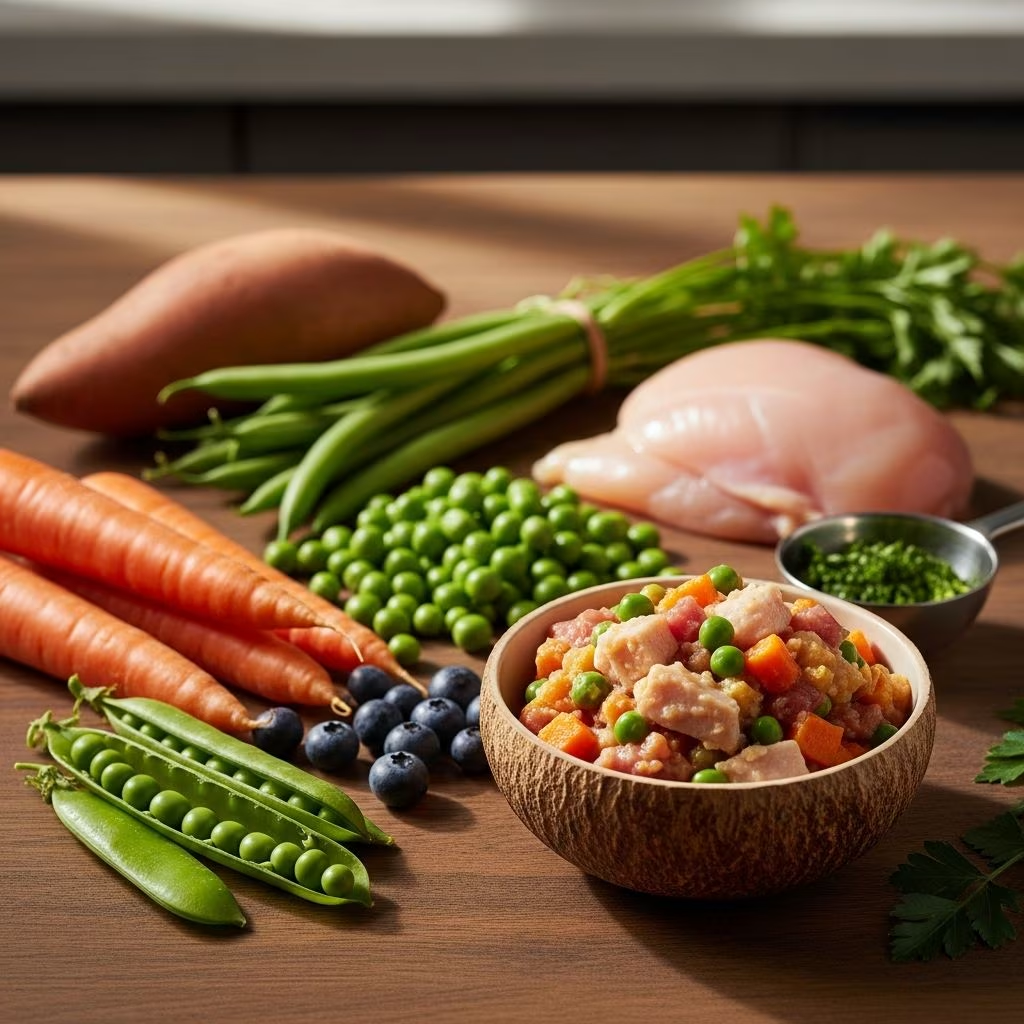
- Lean Ground Meats: Ground turkey, chicken, and beef provide accessible, affordable protein sources. Ground turkey offers lean nutrition particularly suitable for dogs prone to weight management issues, while beef and chicken deliver richer flavor profiles that most dogs find palatable.
- Organ Meats and Offal: Chicken hearts, liver, spleen, and kidney contribute essential micronutrients including iron, zinc, and B vitamins that support metabolic function and energy production. These nutrient-dense components deserve incorporation into homemade formulations despite being underutilized in typical home cooking.
- Fish and Marine Proteins: Sardines, salmon, and other fish varieties supply omega-3 fatty acids crucial for joint health, skin condition, and inflammation management. These protein sources also provide iodine and other minerals supporting thyroid function.
- Whole Eggs: Eggs represent complete proteins containing all essential amino acids. They contribute lutein and zeaxanthin for eye health while providing choline for cognitive development.
Vegetable and Supplementary Ingredient Selection
While dogs are primarily carnivorous, incorporating vegetables and supplementary ingredients adds nutritional breadth and provides fiber for digestive health. Selecting appropriate varieties and preparation methods ensures maximum nutritional benefit.
Recommended Vegetables
- Sweet potatoes: Rich in beta-carotene and complex carbohydrates providing sustained energy
- Carrots: Low-calorie vegetables supporting dental health through natural chewing action
- Broccoli: Nutrient-dense cruciferous vegetable containing cancer-fighting compounds
- Green beans: Gentle vegetables providing fiber without excessive caloric density
- Pumpkin: Natural digestive aid supporting gastrointestinal regularity
- Leafy greens: Spinach and chard (in moderation) contribute minerals and antioxidants
Ingredients to Avoid
Certain common foods present toxicity risks or digestive challenges for dogs. Onions, garlic, grapes, raisins, avocado, and foods containing xylitol must never enter homemade dog food preparations. Chocolate and caffeine-containing products also require strict avoidance due to their toxicological properties in canine metabolism.
Creating Slow Cooker Grain-Free Recipes
Slow cooker preparation methods simplify the process of creating nutritious homemade dog food while minimizing nutrient loss through overcooking. The gentle, prolonged heating allows flavors to meld while maintaining ingredient integrity.
Basic Slow Cooker Method
Begin by placing primary protein sources in your slow cooker’s base. Add sufficient water or broth to create a cooking liquid that allows gentle simmering. Incorporate vegetables, allowing them to soften during the extended cooking period. Cook on low heat for approximately 6-8 hours, permitting adequate time for proteins to fully denature and vegetables to become soft and digestible.
Once cooking completes, allow the mixture to cool thoroughly before serving. This cooling period also permits easier portion separation and storage preparation.
Sample Slow Cooker Recipe
- 2 pounds ground turkey or chicken breast
- 2 medium sweet potatoes, chopped
- 2 cups carrots, chopped or grated
- 1 cup green beans, fresh or frozen
- 3 cups water or low-sodium bone broth
- ½ cup pumpkin puree
- 1 tablespoon coconut oil
Combine all ingredients in your slow cooker and prepare on low for 6-8 hours. The resulting mixture provides complete meals for multiple servings, allowing batch preparation for convenience and cost efficiency.
Instant Pot and Pressure Cooking Techniques
For those preferring faster preparation methods, pressure cookers offer significant time reductions while maintaining nutritional value. The high-pressure environment accelerates cooking while retaining heat-sensitive nutrients more effectively than traditional stovetop boiling.
Layer proteins at the bottom of your Instant Pot with vegetables on top. Add sufficient liquid to create appropriate pressure conditions, then seal and cook under pressure for 15-20 minutes depending on ingredient types and desired texture. The natural pressure release that follows ensures gentle completion of cooking processes.
Baked Preparation and Storage Approaches
Baking represents an alternative preparation method suitable for larger quantity production. Combine all ingredients in a baking vessel and bake at 325°F for 20-30 minutes until vegetables reach desired softness and proteins fully cook. This method works particularly well for incorporating eggs and other delicate ingredients that might break apart during extended slow cooking.
Storage considerations significantly impact meal longevity and food safety. Refrigerate freshly prepared food in airtight containers for up to four days. For extended storage, freeze individual portions in ice cube trays or portion containers for convenient thawing as needed.
Treating Grain-Free Dog Treats
Between-meal treats and training rewards benefit from grain-free formulation using nutrient-dense ingredients. Homemade treats eliminate artificial flavoring, preservatives, and binding agents found in commercial products.
Simple Treat Formula
- 1 medium banana, mashed
- 2 large eggs
- ½ cup natural peanut butter (ensure xylitol-free)
- 1 cup chickpea flour
- ½ cup coconut flour
- ¼ teaspoon baking soda
Combine mashed banana, eggs, and peanut butter until thoroughly blended. Fold in flour ingredients and baking soda, then spread onto parchment paper to approximately ¼-inch thickness. Cut into bite-sized portions using cookie cutters or a pizza cutter, then bake at 350°F for 14-16 minutes until edges firm slightly. Cool completely before storage in airtight containers for up to one week.
Nutritional Completeness and Balance
While homemade meals offer tremendous benefits, ensuring complete nutritional profiles requires attention to mineral and vitamin ratios. Dogs require specific calcium-to-phosphorus ratios, adequate taurine (particularly for certain breeds), and appropriate micronutrient levels to prevent deficiencies or imbalances.
Consider consulting with veterinary nutritionists or using reputable canine nutrition calculation tools to verify your recipes provide complete and balanced nutrition. These resources help adjust ingredient ratios and identify any supplementation needs specific to your dog’s age, size, and health status.
Portion Sizing and Feeding Guidelines
Appropriate portion sizes depend on individual dog characteristics including age, activity level, metabolism, and health status. Generally, adult dogs require approximately 2-3% of their body weight in daily food consumption. A 50-pound dog typically needs 1-1.5 pounds of food daily, though this varies based on individual requirements.
Puppies require increased caloric density to support growth, often necessitating 3-4 daily feedings of appropriately portioned meals. Senior dogs may need adjusted nutrition emphasizing joint support and easier digestibility. Monitor your dog’s body condition and energy levels, adjusting portions accordingly to maintain optimal weight.
Transitioning to Homemade Grain-Free Diets
Abrupt dietary changes can trigger gastrointestinal upset in dogs accustomed to specific food types. Gradual transitions spanning 7-10 days allow digestive systems to adjust to new ingredients and food compositions. Begin by replacing 25% of current food with the new homemade recipe for 2-3 days, then progress through 50%, 75%, and finally 100% homemade food over subsequent days. Monitor stool consistency and digestive comfort throughout this transition period, adjusting speed based on individual tolerance.
Cost Considerations and Budget Planning
Homemade grain-free dog food often costs less than premium commercial products when purchased strategically. Buying proteins in bulk, purchasing seasonal vegetables, and sourcing organ meats from local suppliers or farmers markets reduces expenses significantly. Batch preparation and freezing further optimize costs by enabling volume purchasing and reducing per-serving expenses.
Frequently Asked Questions
Is grain-free nutrition truly necessary for all dogs?
Grain-free diets suit particular dogs better than others, especially those with sensitivities or allergies. However, many dogs thrive on balanced diets containing grains. The decision should reflect your individual dog’s health needs rather than following blanket recommendations.
Can homemade dog food completely replace supplements?
Well-formulated homemade meals containing organ meats, vegetables, and high-quality proteins can provide substantial micronutrition. However, certain nutrients may require supplementation. Consult with veterinary nutritionists to identify any gaps in your specific recipes.
How should I store homemade dog food long-term?
Refrigerate prepared food up to four days in airtight containers. For longer storage, freeze portions in ice cube trays, silicone muffin cups, or vacuum-sealed containers for up to three months. Thaw overnight in refrigerators before serving.
What signs indicate my dog isn’t thriving on homemade food?
Changes in coat quality, energy levels, digestive consistency, or overall demeanor warrant veterinary consultation. These symptoms may indicate nutritional imbalances or food sensitivities requiring recipe adjustments.
Can I transition between homemade and commercial foods periodically?
Yes, though gradual transitions help minimize digestive upset. Some owners rotate between homemade and quality commercial options, ensuring dietary variety while maintaining nutritional adequacy.
References
- Canine Nutrition Foundation — American Veterinary Medical Association. 2024. https://www.avma.org/resources-tools/pet-owners/petcare/nutrition
- Nutritional Guidelines for Complete and Balanced Diets for Dogs — Association of American Feed Control Officials (AAFCO). 2024. https://www.aafco.org/
- Home-Prepared Dog and Cat Diets: Nutritional Content and Composition — Journal of the American Veterinary Medical Association. 2013. https://pubmed.ncbi.nlm.nih.gov/23216038
- Toxicology of Household Foods in Dogs — Veterinary Clinics of North America. 2018. https://pubmed.ncbi.nlm.nih.gov/28899547
- Grain-Free Pet Food Diets: Safety Considerations — FDA Center for Veterinary Medicine. 2024. https://www.fda.gov/animal-veterinary/animal-health-literacy/grain-free-dog-and-cat-foods
- Pet Nutrition and Preventive Health — Cornell University College of Veterinary Medicine. 2024. https://www.vet.cornell.edu/