Crafting a nourishing plant-based chili offers an excellent opportunity to combine diverse ingredients that work together harmoniously. By incorporating multiple types of legumes alongside whole grains, you create a dish that delivers substantial texture, flavor complexity, and nutritional completeness. This approach transforms a traditional comfort food into a modern, health-conscious meal that satisfies both taste preferences and dietary needs.
Understanding the Foundation: Why These Ingredients Matter
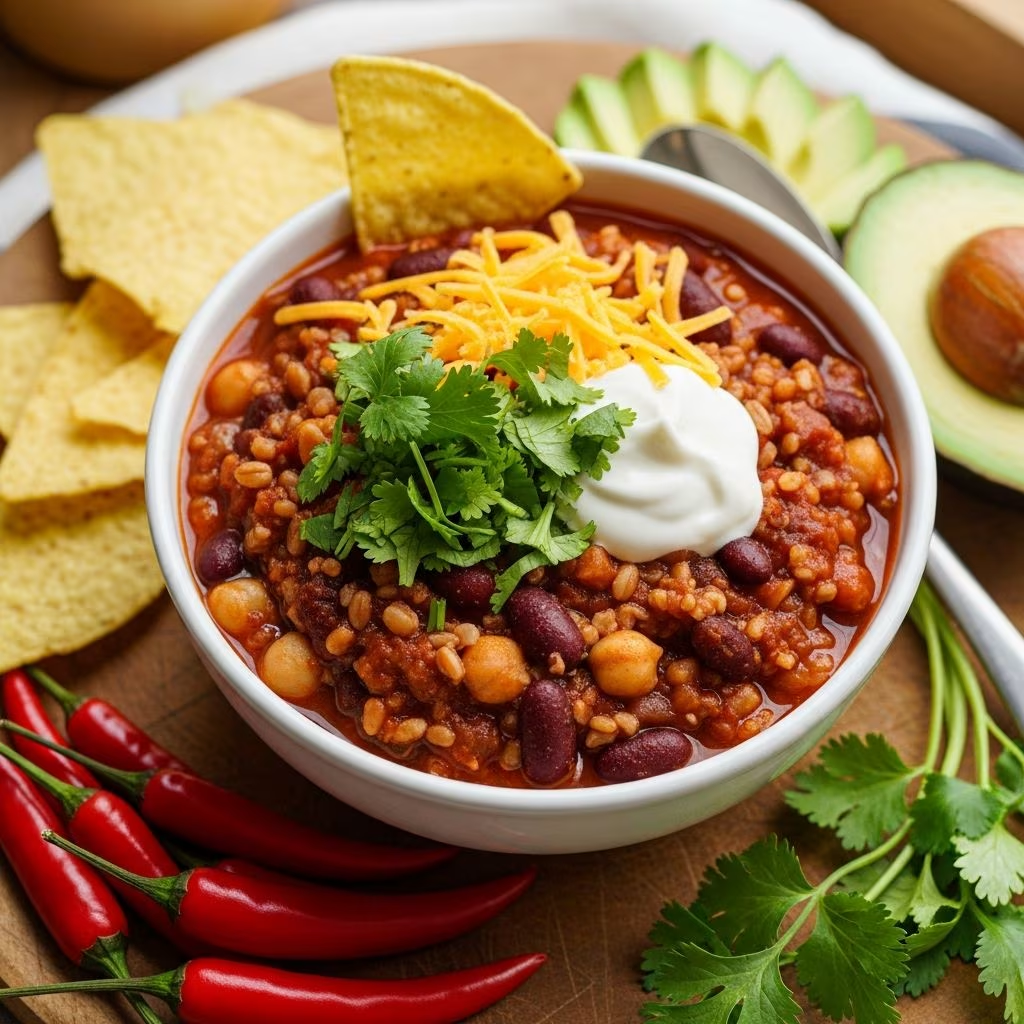
A well-constructed vegan chili relies on understanding how each component contributes to the final dish. Chickpeas provide a firm texture and nutty flavor that maintains its structure throughout cooking. White beans, whether cannellini or Great Northern varieties, contribute creaminess and a mild taste that allows other flavors to shine. Quinoa serves as an unexpected grain addition that adds earthiness and complete amino acid profiles, distinguishing this recipe from traditional chili preparations.
The combination of these three protein sources creates what nutritionists recognize as a complete protein when consumed together. This means the dish provides all nine essential amino acids necessary for muscle maintenance and overall body function. For those following plant-based diets, this nutritional advantage makes the chili particularly valuable as a standalone meal or a component of a broader dietary pattern.
Preparing Your Ingredient List and Equipment
Before beginning your cooking process, gather all components to ensure smooth preparation. The ingredient list separates into distinct categories: aromatic vegetables, legumes, grains, liquid components, and seasonings.
Essential Ingredients for the Chili Base
- Aromatic vegetables: One large yellow onion, one large red bell pepper, and five garlic cloves form the traditional mirepoix foundation. These vegetables soften during initial cooking and infuse the broth with their natural sweetness and depth.
- Legume components: One 15-ounce can each of chickpeas and white beans, both drained and rinsed thoroughly to remove excess sodium and starch.
- Grain addition: One-half cup of tricolor quinoa, rinsed under cool water to remove saponin, the naturally occurring bitter coating.
- Tomato products: Two tablespoons of tomato paste and one 28-ounce can of crushed tomatoes, preferably fire-roasted varieties for enhanced depth.
- Liquid base: Two and one-half cups of water or a combination of vegetable broth and water to create a rich, well-rounded flavor profile.
- Seasonings and flavor enhancers: Two tablespoons olive oil, one tablespoon chili powder, two teaspoons ground cumin, one and one-half teaspoons dried oregano, one tablespoon of chipotle chilies in adobo sauce, and two teaspoons packed light brown sugar.
- Seasoning adjustments: Kosher salt and ground black pepper to taste, added in stages throughout cooking for proper development.
Equipment Requirements
A large heavy-bottomed pot or Dutch oven serves as your primary cooking vessel, allowing for even heat distribution and preventing scorching of the bottom ingredients. A wooden spoon or heat-resistant spatula facilitates stirring without damaging the pot’s interior. A fine-mesh strainer assists with rinsing both the canned beans and the quinoa. A measuring system—cups and spoons—ensures accurate proportions, particularly important for spice ratios that significantly impact final flavor.
The Cooking Process: Sequential Steps for Success
Stage One: Building the Aromatic Base
Begin by heating the olive oil in your large pot over medium heat. Once the oil becomes fragrant and shimmers slightly, add the coarsely chopped onion along with one teaspoon of kosher salt. This salt draws moisture from the onion cells, promoting the browning process known as maillard reaction. Stir frequently, allowing the onion to soften and develop subtle caramelization around its edges, approximately five to seven minutes.
Add the cored and chopped red bell pepper to the softening onion mixture. Continue stirring for an additional minute to integrate the pepper with the onion and heated oil. Then introduce the finely minced garlic cloves, stirring constantly for approximately thirty seconds to one minute. The brief cooking time for garlic prevents it from burning, which would result in bitterness that permeates the entire pot. The combined vegetables should become very soft and fragrant within eight total minutes of cooking from when you added the onion.
Stage Two: Developing the Spice Profile
This stage proves critical for developing complex flavor. Stir together the chili powder, ground cumin, and dried oregano into the vegetable mixture. Cook this spice-vegetable combination while stirring constantly for approximately one minute. During this time, the heat activates the essential oils within the spices, releasing their full aromatic potential. The mixture may slightly stick to the bottom of the pot, which is desirable—this concentrated flavor layer, called fond, will rehydrate and distribute throughout the liquid phase.
Stage Three: Adding Liquid and Tomato Components
While your spice-vegetable mixture develops, prepare your liquid component. In a separate measuring cup or bowl, combine the tomato paste with the two and one-half cups of your chosen liquid (water, vegetable broth, or a combination). Whisk or stir thoroughly until the tomato paste fully dissolves, creating a smooth, uniform liquid. Some cooks prefer using one cup vegetable broth and one and one-half cups water to balance flavor intensity with plant-based nutrition.
Pour this tomato paste mixture into the pot with the aromatic vegetables and spices, stirring well. Add the 28-ounce can of crushed tomatoes directly to the pot. Include the drained and rinsed chickpeas, the drained and rinsed white beans, and approximately one tablespoon of finely chopped chipotle chilies in adobo sauce (roughly one medium chile). The adobo sauce, a smoky chile-based sauce, adds heat and depth that distinguishes this recipe from standard chili preparations. Add two teaspoons of packed light brown sugar, which balances the acidity of the tomatoes and adds subtle sweetness, and an additional teaspoon of kosher salt.
Stage Four: Bringing to Temperature and Adding Grain
Increase the heat to medium-high, stirring occasionally, until the chili mixture reaches a low boil. This stage typically requires three to five minutes, depending on your stove’s power. Once the mixture boils gently, add the rinsed tricolor quinoa directly to the pot and stir to distribute evenly throughout.
Immediately reduce the heat to low, maintaining a gentle simmer rather than a rolling boil. Cover the pot partially with a lid or full cover to contain moisture while allowing steam to escape. Simmer for twenty-five to thirty-five minutes, stirring occasionally to prevent sticking and ensure even cooking. The quinoa completes cooking when it becomes tender and the characteristic spiral-shaped germ appears around each grain. The cooking liquid should largely absorb into the grains and legumes.
Finishing Touches and Customization Options
Once the quinoa reaches tenderness, remove the chili from the heat. Taste the mixture carefully and adjust seasonings according to preference. Many cooks find that additional salt and freshly ground black pepper enhance the overall flavor at this stage. If you prefer a less spicy preparation, the chipotle quantity can be reduced from the initial tablespoon; conversely, additional chipotle adds heat and smoky complexity for those who enjoy spicier dishes.
The consistency of your finished chili can be adjusted by adding more water if you prefer a brothier preparation, or by cooking uncovered for additional time to concentrate flavors and thicken the mixture. A chili that sits for several hours or overnight develops more integrated flavors as ingredients continue to soften and their essences distribute throughout the liquid phase.
Serving Suggestions and Flavor Combinations
This vegan chili pairs exceptionally well with numerous side dishes and accompaniments. Cornbread muffins represent a traditional pairing, their slight sweetness and crumbly texture providing pleasant contrast to the spiced, hearty chili. Vegan cornbread made with plant-based milk and oil replaces eggs and dairy without compromising texture or flavor.
Additional topping options enhance both visual appeal and textural interest:
- Fresh green onions, thinly sliced to add sharp allium notes
- Diced red onion for additional sharpness and crunch
- Cilantro, fresh and bright, for those who enjoy herbal additions
- Diced jalapeño for fresh heat that complements the chipotle smoke
- Vegan sour cream or cashew cream for richness and cooling properties
- Diced avocado for buttery texture and nutritional fat
- Lime wedges for acidic brightness
- Crushed tortilla chips or vegan crackers for crunch
- Hot sauce varieties according to personal preference
Nutritional Advantages of This Preparation Method
The combination of chickpeas, white beans, and quinoa creates a nutritionally dense meal. Chickpeas contribute fiber, supporting digestive health and satiety, while also providing iron and manganese. White beans offer folate, a B-vitamin essential for cellular division and DNA synthesis. Quinoa uniquely provides all nine essential amino acids, making it a complete protein source rare among plant-based grains.
Together, these components create a meal with substantial protein content—approximately twelve to fifteen grams per serving depending on portion size—making it suitable for various dietary approaches including plant-based, flexitarian, and Mediterranean patterns. The high fiber content supports healthy cholesterol levels and blood sugar regulation.
Storage and Make-Ahead Strategies
This chili excels as a make-ahead dish, actually improving in flavor after twenty-four hours as ingredients continue to meld. Store in glass or ceramic containers in the refrigerator for up to five days. The dish also freezes successfully for up to three months, allowing for convenient meal preparation on busy weeks.
To freeze, portion the chili into individual or family-sized containers, leaving slightly more headspace than you normally would to account for expansion during freezing. Thaw overnight in the refrigerator or reheat directly from frozen using low oven temperature or stovetop over medium heat, stirring occasionally. The quinoa may absorb additional liquid during storage; if the thawed chili appears too thick, add a splash of vegetable broth to reach your preferred consistency.
Frequently Asked Questions
Can I prepare this chili in a slow cooker?
Yes, slow cooker adaptation works well for this recipe. Sauté the aromatic vegetables in your regular pot for the spice activation stage, then transfer all ingredients to a slow cooker with liquid. Cook on high for four to five hours or low for five to six hours. Add the quinoa during the final thirty minutes of cooking to prevent mushiness.
What if I cannot find chipotle chilies in adobo?
Regular chili powder and smoked paprika can create a similar flavor profile. Use two teaspoons total of these seasonings combined. Alternatively, a pinch of cayenne pepper with standard chili powder replicates the heat without the specific smokiness.
Are canned beans necessary or can I use dried beans?
Dried beans require advance soaking and cooking. Prepare them according to package directions and cool completely before adding to your chili. Canned varieties offer convenience and consistent results for most home cooks.
How do I adjust spice levels for family members with different tolerances?
Reduce the initial chipotle quantity and chili powder by half, then have family members add hot sauce individually at the table according to preference. This strategy preserves the base chili’s flavor while accommodating individual heat tolerance.
References
- Chickpea, Quinoa & White Bean Chili — thebrookcook. 2022-03-28. https://thebrookcook.wordpress.com/2022/03/28/chickpea-quinoa-white-bean-chili/
- Chickpea and White Bean Chili | This Mess is Ours — This Mess is Ours. 2022. https://thismessisours.com/chickpea-and-white-bean-chili-gluten-free-with-vegan-option/
- Vegan Quinoa and White Bean Chili — Coffee and Quinoa. 2013-11. https://www.coffeeandquinoa.com/2013/11/vegan-quinoa-and-white-bean-chili/
- The Best White Bean Quinoa Chili | Vegan + GF — Good Food Baddie. https://goodfoodbaddie.com/the-best-white-bean-quinoa-chili-vegan-gf/
- White Bean Quinoa Chili. Vegan and Gluten Free. Super Easy Recipe — YouTube. https://www.youtube.com/watch?v=SdznGEvWWBY
- Slow Cooker White Quinoa Chili — Simply Quinoa. https://www.simplyquinoa.com/slow-cooker-white-quinoa-chili/