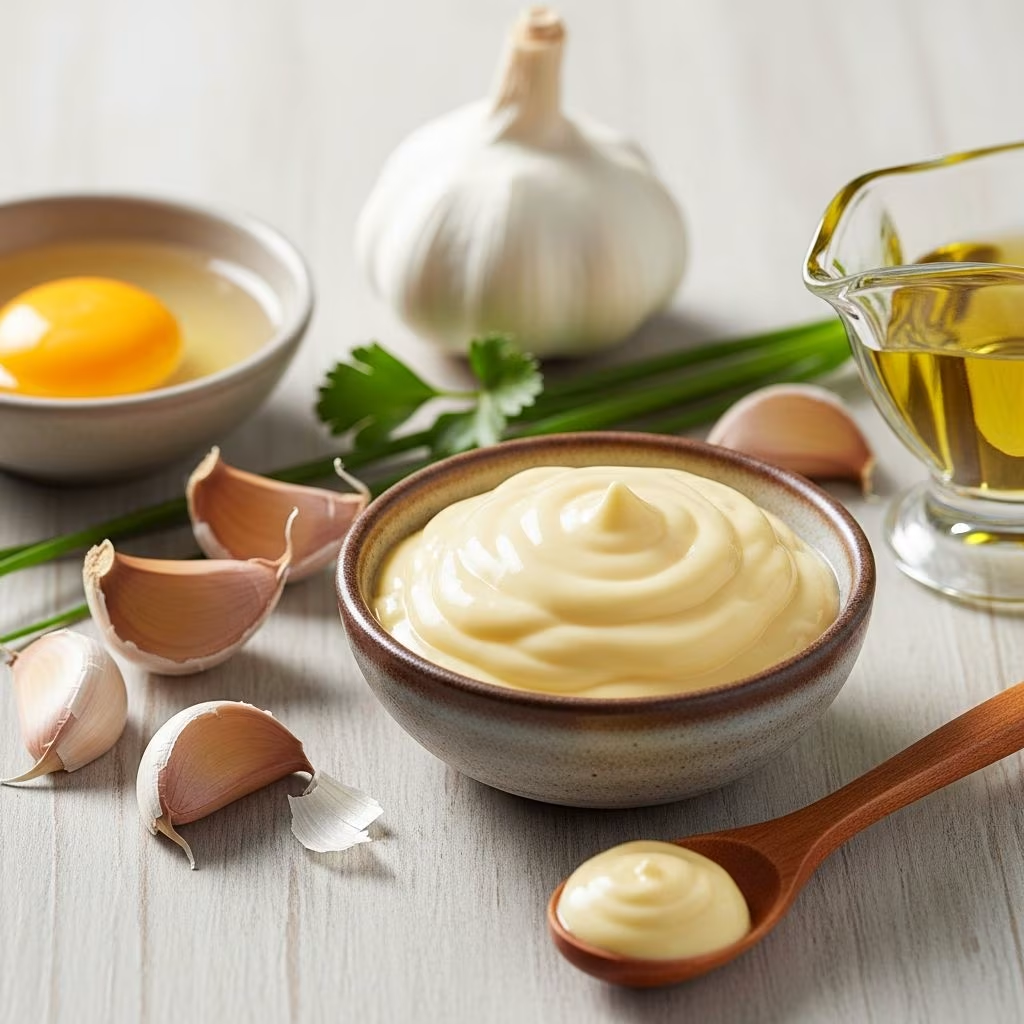
Garlic mayonnaise, often referred to as a shortcut aioli, represents one of the most versatile condiments you can prepare in your own kitchen. Unlike traditional aioli, which requires emulsifying raw eggs with oil from scratch, homemade garlic mayonnaise simplifies the process by starting with a creamy base and infusing it with robust garlic flavor. This approach makes it accessible to home cooks of all skill levels while delivering restaurant-quality results that rival store-bought alternatives.
Understanding Garlic Mayonnaise and Its Origins
Garlic mayonnaise bridges the gap between traditional aioli and convenience. While authentic Provençal aioli requires careful emulsification of eggs and oil, garlic mayonnaise offers a practical solution that doesn’t compromise on flavor. The key difference lies in starting with pre-emulsified mayonnaise rather than building the emulsion from individual components. This distinction makes the preparation process significantly more forgiving for home cooks who may lack experience with traditional emulsification techniques.
The versatility of garlic mayonnaise extends far beyond being a simple sandwich spread. It functions equally well as a dipping sauce for vegetables and appetizers, a topping for grilled meats and vegetables, or a flavor-enhancing component in composed dishes. The beauty of this condiment lies in its adaptability—you can adjust the intensity of garlic, the acidity level with lemon juice, and even incorporate additional flavoring elements based on your culinary preferences.
Essential Ingredients for Perfect Results
The foundation of exceptional homemade garlic mayonnaise begins with selecting quality ingredients. Each component plays a crucial role in determining the final flavor profile and texture of your finished product.
- Mayonnaise: Serves as the creamy foundation and primary ingredient. Quality matters here—choose a mayonnaise made with whole eggs rather than egg yolks for optimal body and richness. The mayonnaise should be at room temperature before mixing to ensure proper incorporation of additional ingredients.
- Fresh Garlic: The defining flavor element requires careful preparation. Using between four to six cloves per cup of mayonnaise provides substantial garlic flavor without overwhelming the palate. Proper mincing or grating ensures even distribution throughout the mixture.
- Lemon Juice: Fresh-squeezed juice contributes brightness and acidity that balances the richness of the mayonnaise. Bottled juice can substitute in a pinch, but fresh lemon delivers superior flavor complexity. Typically, one to two tablespoons suffices, though personal preference should guide the final amount.
- Extra Virgin Olive Oil: A tablespoon of high-quality olive oil enhances the flavor profile and adjusts consistency. This ingredient is optional but recommended for increased depth and richness.
- Seasonings: Sea salt and freshly ground black pepper round out the flavor profile. Start conservatively and adjust to taste, as these seasonings can easily overwhelm delicate garlic notes.
Methods for Preparing Garlic
The technique you employ for preparing garlic significantly influences the final texture and intensity of your mayonnaise. Different approaches yield distinct results, allowing you to customize your creation according to preference.
Minced Garlic: The most common preparation method involves finely mincing fresh garlic cloves with a sharp knife. This technique creates small particles that distribute throughout the mayonnaise, adding subtle texture and consistent flavor. While minced garlic works well for most applications, some cooks find the small particles slightly noticeable in the final product.
Grated Garlic: Using a microplane or fine grater produces an ultra-fine texture that distributes more evenly than minced garlic. This method works particularly well when you desire a silkier consistency without visible garlic pieces. The grating process releases more of the garlic’s natural oils, potentially intensifying the flavor.
Roasted Garlic: For a milder, sweeter profile, consider roasting garlic cloves before incorporating them into your mayonnaise. Roasting mellows the sharp, pungent qualities of raw garlic while developing complex caramelized notes. After roasting, simply squeeze the soft cloves into the mayonnaise and mix thoroughly until incorporated.
Garlic Paste: Creating a smooth paste using a mortar and pestle represents a traditional approach favored by experienced cooks. This technique requires crushing garlic cloves with salt until they achieve a creamy consistency, then incorporating this paste into the mayonnaise. The paste method distributes garlic most evenly and delivers consistent flavor in every spoonful.
Step-by-Step Preparation Instructions
Mastering the technique ensures consistent, delicious results every time you prepare garlic mayonnaise.
Step One: Prepare Your Base
Begin by transferring your room-temperature mayonnaise into a small to medium mixing bowl. Stir the mayonnaise thoroughly for thirty seconds to a minute, breaking up any air pockets or lumps that may have developed during storage. Fresh mayonnaise from the jar often contains air bubbles and may appear slightly separated. Proper stirring creates a smooth, homogeneous base that will accept additional ingredients more readily.
Step Two: Incorporate Garlic
Add your prepared garlic—whether minced, grated, or as a paste—to the mayonnaise. Using a fork or small whisk, fold the garlic into the mayonnaise slowly and deliberately, ensuring even distribution. Take your time during this step; rushing can result in clumps of garlic that don’t incorporate properly. Continue stirring until you cannot see any distinct garlic pieces separate from the mayonnaise.
Step Three: Add Acidic Elements
Squeeze fresh lemon juice into the mixture one tablespoon at a time, stirring well after each addition. The lemon juice serves multiple purposes: it brightens the overall flavor profile, adds subtle acidity that complements the garlic, and slightly loosens the consistency of the thick mayonnaise. Taste after adding each tablespoon, as your preference for tartness may differ from others’ expectations.
Step Four: Season to Taste
Add sea salt and freshly ground black pepper gradually, stirring well and tasting frequently. These seasonings amplify other flavors, so a little goes a long way. Begin with a quarter teaspoon of salt and a pinch of pepper, then adjust upward as needed.
Step Five: Chill and Flavor Development
Transfer your finished garlic mayonnaise to an airtight container and refrigerate for at least thirty minutes before serving. During this resting period, the garlic and lemon flavors continue to meld and intensify, developing a more complex and cohesive taste profile. Many cooks find that mayonnaise prepared several hours or even a day in advance tastes noticeably better than freshly made versions.
Texture Refinement Techniques
If you prefer an exceptionally smooth, homogeneous texture without visible garlic particles, several techniques can help achieve this refinement.
An immersion blender offers the most straightforward approach. After combining all ingredients, blend for fifteen to twenty seconds on low speed, keeping the blender head submerged in the mixture. This technique creates an ultra-smooth texture while fully incorporating the garlic throughout the mayonnaise. Alternatively, transfer the mixture to a food processor and pulse several times until desired consistency is reached. This method works particularly well if you’re doubling or tripling the recipe for entertaining purposes.
Flavor Variations and Creative Additions
Once you master the basic recipe, numerous variations allow you to customize your garlic mayonnaise for specific dishes or personal preferences.
| Variation | Key Ingredients | Best Uses |
|---|---|---|
| Sun-Dried Tomato | Three to four tablespoons drained sun-dried tomatoes, blended until smooth | Sandwiches, vegetable crudités, grilled fish |
| Herb-Infused | Fresh basil, parsley, or dill finely minced and folded in | Lamb preparations, Mediterranean vegetables, shellfish |
| Spiced Variation | Smoked paprika, cayenne pepper, or fresh chili flakes to taste | Spanish dishes, grilled meats, spicy snacks |
| Roasted Red Pepper | Two tablespoons roasted red pepper purée combined with garlic | Vegetable spreads, wraps, tapas |
| Dijon Mustard Enhancement | Half to one teaspoon Dijon mustard stirred in thoroughly | Beef dishes, French fries, charcuterie boards |
Storage and Shelf Life
Properly stored garlic mayonnaise maintains quality for three to four days when kept in an airtight container within your refrigerator. The combination of mayonnaise’s stability and refrigeration conditions creates an environment where garlic mayonnaise remains safe and flavorful for this duration. Always ensure your container seals completely to prevent exposure to air, which can cause oxidation and quality degradation.
Do not freeze garlic mayonnaise, as the freezing process causes the emulsion to break, resulting in a separated, grainy texture upon thawing. While the mayonnaise itself is technically still edible after thawing, the textural degradation makes it unsuitable for most culinary applications.
Troubleshooting Common Issues
Even experienced cooks occasionally encounter challenges when preparing homemade condiments. Understanding common problems and their solutions enables you to recover quickly.
Grainy or Separated Texture: If your mayonnaise appears to separate or develop a grainy consistency, you likely attempted to add too many liquid ingredients too quickly. To remedy this, transfer your mayonnaise to a blender with a tablespoon of fresh mayonnaise and blend thoroughly. The fresh mayonnaise acts as a re-emulsifier, helping restore the proper texture.
Overwhelming Garlic Flavor: If your initial batch proves too intensely garlicky for your palate, don’t discard it. Instead, fold in additional mayonnaise in small increments while tasting frequently until the garlic flavor reaches your preferred level. This approach salvages your preparation while allowing customization.
Insufficient Flavor: Conversely, if the garlic flavor seems muted or barely noticeable, your chilling time may have been too brief. Return the mixture to the refrigerator for an additional hour, allowing flavors to develop and intensify. You can also prepare a fresh garlic paste and fold it in before returning to the refrigerator.
Culinary Applications and Serving Suggestions
Garlic mayonnaise’s versatility makes it invaluable across numerous culinary applications. Use it generously on sandwiches and burgers where its creamy texture and robust flavor enhance every bite. For appetizers, serve it as a dipping sauce alongside roasted vegetables, steamed artichoke leaves, or crudités. Spread it on grilled fish or chicken breasts, allowing the cool creaminess to complement hot proteins. Toss roasted potatoes or fries with garlic mayonnaise for an elevated version of a classic side dish.
In composed salads, a dollop of garlic mayonnaise serves as an elegant dressing alternative to traditional vinaigrettes. It particularly complements potato salads, coleslaw, and seafood-based salads. For entertaining, garlic mayonnaise becomes the star component of composed cheese boards or charcuterie spreads, offering guests a sophisticated flavor accent to complement cured meats and artisanal cheeses.
Frequently Asked Questions
- Can I make garlic mayonnaise with vegan mayonnaise?
- Yes, vegan mayonnaise functions equally well as a base for garlic mayonnaise. The preparation method remains identical, though you may notice slightly different flavor characteristics depending on the brand of vegan mayonnaise you select.
- How long does homemade garlic mayonnaise last?
- When stored in an airtight container in the refrigerator, garlic mayonnaise remains fresh and safe for three to four days. After this period, discard any remaining portions rather than risk consuming potentially compromised food.
- Can I prepare garlic mayonnaise in advance for events?
- Absolutely. In fact, preparing garlic mayonnaise a day or two before serving enhances the final flavor as the ingredients continue melding together. Simply store it properly in the refrigerator until needed.
- What’s the difference between garlic mayonnaise and aioli?
- Traditional aioli requires emulsifying raw eggs with oil, creating the emulsion from scratch. Garlic mayonnaise uses pre-emulsified mayonnaise as its base, making preparation easier and more forgiving for home cooks.
- Can I adjust the thickness of my garlic mayonnaise?
- Yes. Adding more lemon juice or olive oil loosens the consistency, while incorporating additional mayonnaise thickens it. Adjust gradually while tasting to achieve your preferred texture.
Conclusion
Homemade garlic mayonnaise represents an achievable project that delivers impressive results without demanding advanced culinary skills. Whether you’re preparing it for everyday use or special occasions, this condiment elevates countless dishes while maintaining remarkable simplicity. With proper ingredient selection, careful technique execution, and adequate flavor development time through refrigeration, you’ll consistently produce garlic mayonnaise that surpasses most commercially available alternatives. Experiment with variations and applications to discover how this versatile condiment can enhance your personal cooking repertoire.
References
- Easy Garlic Mayonnaise — Cook Fast, Eat Well. https://cookfasteatwell.com/easy-garlic-mayonnaise/
- Easy Garlic Mayonnaise Recipe — Real and Vibrant. https://realandvibrant.com/garlic-mayonnaise/
- 3-Minute Garlic Mayo Sauce (Shortcut Aioli) — Hot Pan Kitchen. https://www.hotpankitchen.com/garlic-mayo-sauce/
- Recipe: Aioli (Provençal Garlic Mayonnaise) — Tyrant Farms. https://www.tyrantfarms.com/garlic_mayonnaise_recipe/
- Roasted Garlic Mayo — Hungry Foodie. https://hungryfoodie.com/roasted-garlic-mayo/