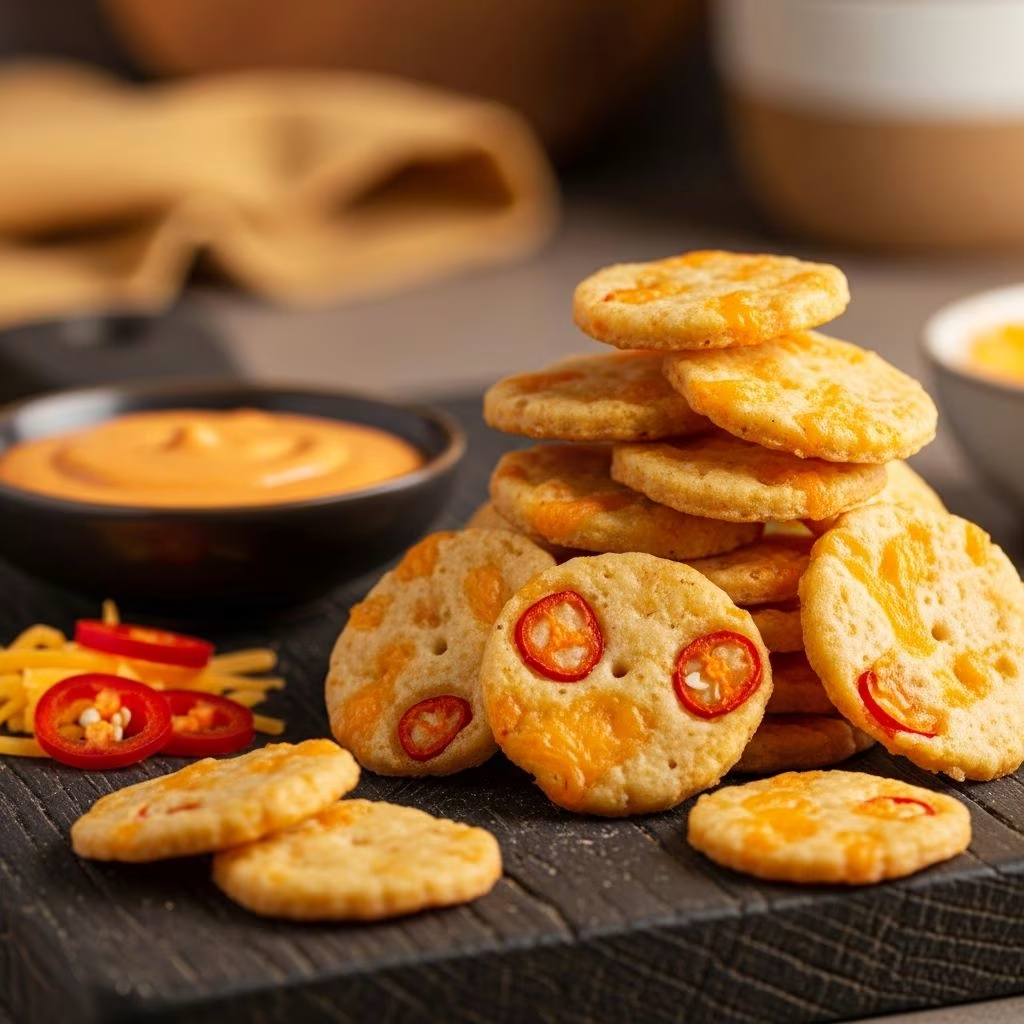
Creating flavorful seasoned crackers at home has become increasingly popular among home cooks and snack enthusiasts. The transformation of simple saltine crackers into a complex, multi-layered savory treat represents one of the easiest yet most satisfying kitchen projects. This guide explores the techniques, ingredient combinations, and professional methods for producing restaurant-quality chili cheese crackers in your own kitchen.
Understanding the Foundation: Why Saltines Are Ideal
Saltine crackers serve as the perfect canvas for flavor experimentation. Their neutral taste and porous surface allow seasonings to adhere effectively, creating a uniform coating throughout each batch. The mild, slightly salty base of saltines provides balance to bold spice combinations without competing with the flavors you’re adding. Whether you choose mini saltines for bite-sized portions or traditional full-sized crackers, the structural integrity of these crackers ensures they maintain their crunch through the seasoning and baking process.
The texture of saltines matters significantly. Unlike delicate crackers that crumble under pressure, saltines withstand the vigorous shaking required to coat them evenly with seasonings. Their uniform thickness also promotes consistent cooking, ensuring that every cracker reaches the same level of crispness when baked.
Building Your Seasoning Profile: The Core Components
The magic of chili cheese crackers lies in the strategic combination of complementary spices. Rather than relying on a single dominant flavor, the most successful recipes layer multiple seasoning dimensions to create depth and complexity.
The Spice Foundation
Chili powder serves as the backbone of this recipe, providing warmth and a slightly smoky undertone. Unlike cayenne pepper, which delivers pure heat, chili powder brings fruity and earthy notes alongside its warmth. Typically containing cumin, garlic, and paprika as base components, chili powder creates a foundational layer that ties other seasonings together coherently.
Smoked paprika elevates the overall flavor profile by introducing a distinctive smokehouse character. This spice works synergistically with chili powder, amplifying the perception of depth without adding excessive heat. The combination of these two spices creates an impression of food that has been slow-roasted or grilled, despite the quick baking method.
The Cheese Element
Nacho cheese flavoring provides the crucial umami and creamy taste component that distinguishes these crackers from simple spiced varieties. Nacho cheese powder combines sharp cheddar notes with tangy undertones, creating a savory profile that consumers recognize and enjoy. This ingredient transforms the crackers from merely spiced to distinctly cheese-forward.
Additional Seasoning Layers
Ranch seasoning introduces herbaceous notes, primarily from dill, parsley, and chives. This component provides brightness and freshness that contrasts with the heavier spice elements. Popcorn seasoning, typically a blend of salt and various flavor compounds, adds an additional textural interest and umami boost. Garlic and onion powders contribute aromatic depth, rounding out the seasoning ensemble with familiar savory dimensions. A modest amount of cayenne pepper delivers controlled heat intensity without overwhelming the palate.
The Oil Selection and Coating Process
Oil serves a dual purpose in this recipe: it acts as an adhesive allowing seasonings to cling to crackers while also contributing to the final texture and mouthfeel. Avocado oil has emerged as a preferred choice due to its neutral flavor profile and high smoke point. Its clean taste doesn’t interfere with the seasoning blend, and it distributes evenly without leaving greasy residue.
The quantity of oil requires precision. Using approximately half to three-quarters cup of oil per box of crackers ensures adequate coating without creating excessively oily crackers. Too little oil results in uneven seasoning distribution and dry crackers; too much produces a greasy finished product that feels heavy rather than crispy.
Achieving Uniform Distribution
The combination technique significantly impacts your final product. Rather than applying oil and seasonings separately, creating an emulsion by whisking them together first ensures that each component distributes evenly. This pre-mixed approach prevents seasonings from settling at the bottom of your container, which would result in some crackers being heavily coated while others remain bland.
Transferring prepared crackers to a resealable bag or container allows for aggressive shaking without spillage. The confined space ensures that gravity and movement coat every surface systematically. Vigorous shaking for several minutes distributes the oil-seasoning mixture through the entire batch, creating the visual appearance of crackers “loaded down” with seasoning, which indicates proper coverage.
The Baking Process: Technique and Temperature Control
Baking transforms the coated crackers from a wet, oily mixture into a crispy, shelf-stable snack. Temperature selection proves crucial for achieving desired results. A moderate oven temperature of 250 degrees Fahrenheit prevents seasoning from burning while allowing the crackers to dry thoroughly.
The baking duration of approximately twenty minutes allows sufficient time for moisture to evaporate and flavors to develop through gentle heat application. This lower temperature requires patience but rewards careful attention with superior results compared to higher-temperature approaches that risk charring seasonings and creating bitter off-flavors.
The Halfway-Point Intervention
Stirring or rotating crackers halfway through the baking process ensures even toasting and seasoning development. This simple intervention prevents the bottom layer from over-browning while the top remains underdone. Using a spatula to gently turn the crackers promotes consistent coloring and texture throughout the batch.
Alternative Preparation Methods
While baking represents the most common approach, alternative techniques accommodate different preferences and equipment availability.
No-Bake Coating Method
For those without oven access or preferring minimal cooking, a no-bake approach exists. After coating crackers with the oil-seasoning mixture in a sealed container, turning the container every five minutes for thirty minutes allows seasonings to adhere and flavors to meld without heat application. This method produces softer crackers with a more pronounced oily mouthfeel, suitable for those who prefer a different textural experience.
Extended Marinating Approach
Some recipes advocate for longer marinating periods, claiming that extended contact time between seasonings and crackers produces deeper flavor integration. Allowing the mixture to sit for several hours or overnight potentially enhances flavor absorption, though this approach requires careful storage to prevent staleness or moisture absorption.
Storage and Shelf Life Considerations
Proper storage maintains the quality and safety of your homemade crackers. An airtight container or sealed bag prevents moisture absorption and staleness. Crackers stored in optimal conditions remain fresh and crispy for up to a week, though many people consume their batch much more quickly due to the snack’s popularity.
Cool, dry storage away from direct sunlight and heat sources preserves flavor integrity. High humidity environments can compromise crispness, so consider storing crackers in a pantry rather than near kitchen moisture sources like the sink or dishwasher.
Customization and Flavor Variations
The basic framework of coated and baked crackers accommodates numerous creative variations. Experimentation with different spice combinations allows for personalized flavor profiles.
- For heat-sensitive palates, reduce or eliminate cayenne pepper while maintaining other components
- Mediterranean-inspired versions incorporate oregano, basil, and garlic without cheese elements
- BBQ variations substitute barbecue powder for chili powder, creating a sweeter, tangy profile
- Ranch purists can focus on ranch dressing mix as the primary seasoning
- Cajun versions combine paprika, cayenne, garlic, onion, and thyme for regional authenticity
Ingredient Quality and Selection Tips
Using unsalted saltine crackers provides greater control over final salt content. Pre-salted varieties can result in overly salty finished crackers when combined with already-salty seasonings. Checking expiration dates ensures that crackers haven’t absorbed excess moisture or developed off-flavors before your preparation begins.
Fresh spices significantly impact flavor quality. Ground spices gradually lose potency over time, so replacing chili powder, paprika, and other seasonings annually maintains recipe results. Whole spices stored in airtight containers retain quality longer than pre-ground varieties.
Common Mistakes and How to Avoid Them
Several predictable errors compromise cracker quality when overlooked. Insufficient mixing of oil and seasonings before adding to crackers results in uneven distribution and inconsistent flavor throughout the batch. Creating an emulsion through adequate whisking prevents this issue.
Over-baking produces overly dark, potentially burnt seasonings with bitter flavors. Setting a timer and checking crackers at the fifteen-minute mark allows for early intervention if browning occurs too quickly. Conversely, under-baking leaves crackers inadequately dried, resulting in a soft texture that deteriorates quickly during storage.
Using excessive oil creates greasy crackers that feel uncomfortable to eat, while insufficient oil produces bland spots and uneven seasoning coverage. Following recommended ratios provides the optimal balance between adequate coating and controlled oil content.
Serving Suggestions and Pairing Ideas
These savory crackers complement numerous foods and beverages. Serve them as standalone snacks with beverages, arrange them on charcuterie boards alongside cheese and cured meats, or pair them with dips for added dimension. Their bold flavors pair well with cold beer, suggesting an excellent addition to game day gatherings or casual entertaining.
Frequently Asked Questions
Can I substitute the oil type?
Yes, though results vary. Vegetable oil, canola oil, and other neutral options work, though they may impart subtle flavor differences. Avoid strongly flavored oils like olive oil, which may compete with your seasoning profile.
How long do homemade chili cheese crackers last?
Properly stored in airtight containers, they remain fresh for up to seven days. Many batches disappear much faster due to their appealing taste.
Can I make these without an oven?
Yes, the no-bake method involves coating crackers in oil and seasonings, then turning the sealed container every five minutes for thirty minutes. This produces softer crackers with different texture characteristics.
What if my crackers turned out too salty?
Use pre-salted crackers sparingly or opt for unsalted varieties. Reducing added salt in your seasoning blend also helps control final saltiness.
Are these crackers suitable for dietary restrictions?
Most versions are naturally gluten-free when using certified gluten-free crackers. Vegan diets accommodated through plant-based oil selection, though cheese flavoring typically derives from dairy products unless specifically vegan alternatives are chosen.
Conclusion: Elevating Simple Ingredients
Homemade chili cheese crackers demonstrate how basic pantry staples transform into sophisticated snacks through thoughtful seasoning and technique. The combination of complementary spices, proper coating methods, and controlled baking creates a result that rivals commercial varieties while allowing complete control over ingredients and flavor intensity. Whether preparing these crackers for personal enjoyment or sharing with others, the straightforward process yields impressive results that justify the minimal effort required.
References
- All Recipes — Dotdash Meredith. 2024. https://www.allrecipes.com
- Cooking With Janica – Fire Crackers (Seasoned Saltines) Recipe — Janica Bailey. 2024. https://cookingwithjanica.com/fire-crackers-seasoned-saltines/
- USDA FoodData Central — United States Department of Agriculture. 2024. https://fdc.nal.usda.gov