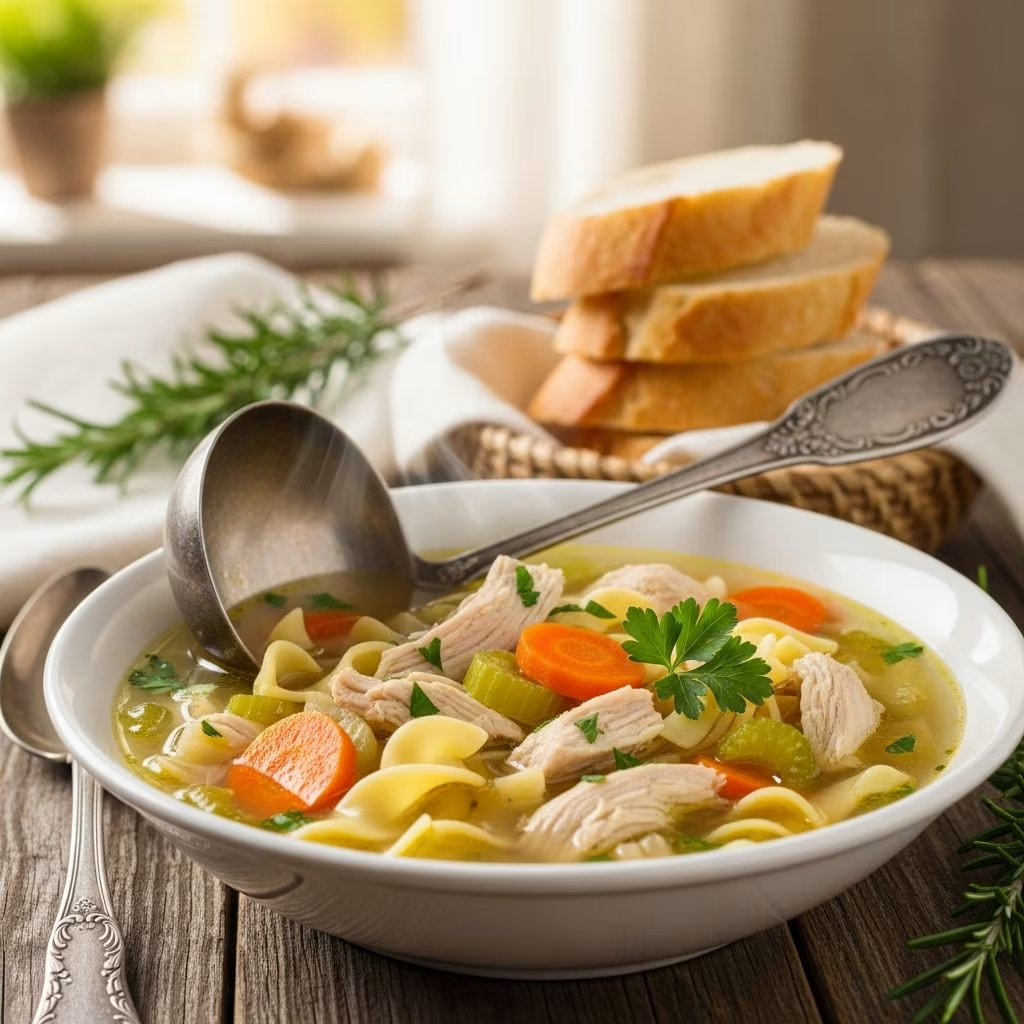
Homemade chicken soup stands as a timeless classic, offering warmth, nourishment, and versatility in every bowl. This comprehensive guide explores everything from foundational techniques to innovative flavors, ensuring you can create soups that soothe the soul and boost well-being.
Why Chicken Soup Reigns Supreme in Home Kitchens
Chicken soup has earned its reputation as the ultimate comfort food for generations. Its gentle flavors and healing properties make it ideal for cold days, recovery from illness, or simply a wholesome family meal. Beyond taste, scientific backing supports its benefits: compounds released during cooking can reduce inflammation and congestion, promoting faster recovery.
The beauty lies in its adaptability. Start with a basic broth and elevate it with fresh herbs, grains, or creams. Whether you’re simmering a pot for hours or whipping it up in 30 minutes, chicken soup delivers satisfaction without complexity.
Essential Ingredients for a Flavorful Base
Building a great chicken soup begins with quality components. Focus on fresh produce and proteins for depth of flavor.
- Chicken: Opt for bone-in thighs or a whole bird for richer broth; boneless breasts cook quicker for weeknights.
- Aromatics: Onions, garlic, carrots, and celery form the mirepoix foundation, adding sweetness and earthiness.
- Broth: Homemade stock intensifies taste, but low-sodium store-bought works in pinches.
- Herbs: Thyme, rosemary, dill, or parsley infuse freshness; ginger and turmeric bring anti-inflammatory zing.
- Add-ins: Noodles, rice, couscous, or potatoes provide heartiness.
Proportions matter: use a 3:1 liquid-to-solid ratio for balanced consistency.
Step-by-Step Mastery: Classic Chicken Soup Recipe
Here’s a foolproof method yielding 6-8 servings in about 45 minutes.
- Prep aromatics: Dice 1 onion, 3 carrots, 3 celery stalks, and mince 4 garlic cloves.
- Sauté base: Heat 2 tbsp oil in a large pot over medium. Add veggies; cook 5-7 minutes until softened.
- Add protein and spices: Stir in 1 lb chicken (cubed or whole pieces), 1 tsp each thyme and rosemary, salt, and pepper. Cook 2 minutes.
- Simmer with broth: Pour in 6 cups broth. Bring to boil, then reduce to simmer 20-25 minutes until chicken is cooked (165°F internal).
- Shred and finish: Remove chicken, shred, return to pot. Add 1 cup noodles or couscous; cook 8-10 minutes. Stir in peas or lemon juice for brightness.
Taste and adjust seasoning. Serve hot with crusty bread.
Health Benefits Backed by Science
Chicken soup isn’t just tasty—it’s therapeutic. Studies show its steam helps clear nasal passages, while cysteine from chicken mimics acetaminophen’s effects for symptom relief.1 Anti-inflammatory spices like ginger and turmeric amplify these perks, combating oxidative stress.2
| Nutrient | Benefit | Source in Soup |
|---|---|---|
| Vitamin A | Immune support | Carrots |
| Protein | Tissue repair | Chicken |
| Antioxidants | Reduce inflammation | Garlic, herbs |
| Hydration | Fluid balance | Broth base |
Incorporate greens like spinach for extra vitamins without overpowering flavor.
Creative Variations to Suit Every Palate
Elevate your soup game with these twists, inspired by global flavors and modern trends.
Creamy Dream Version
For velvety texture, make a roux: melt 4 tbsp butter, whisk in 4 tbsp flour, then slowly add broth and 2 cups milk. Stir in cooked chicken, Parmesan, and dill. Ready in 30 minutes.3
Anti-Inflammatory Powerhouse
Boost with grated ginger (2 tbsp), turmeric (1 tsp), and lemon juice. Use pearl couscous for chew; add frozen peas at the end. Simmer 25 minutes for tender chicken.1
Lemon-Ginger Healer
Sauté extra garlic and ginger, sear bone-in thighs first for collagen-rich broth. Finish with fresh lemon and cilantro. Optional rice keeps it gluten-free.4
Marry-Me Creamy Delight
Incorporate sun-dried tomatoes, heavy cream, and spinach with pasta. Garlic and Parmesan create addictive richness in one pot.5
Each variation maintains core comfort while adding excitement.
Pro Tips for Soup Perfection
- Layer flavors: Sauté before boiling to build depth.
- Don’t overcook noodles: Add late or cook separately to avoid mushiness.
- Skim foam: During initial boil for clearer broth.
- Freeze extras: Portion in bags for up to 3 months.
- Customize heat: Cayenne or chili flakes for spice lovers.
Common Mistakes and How to Avoid Them
Steer clear of pitfalls for pro results:
- Too watery? Simmer uncovered or add starch like couscous.
- Bland taste? Season in layers; taste before serving.
- Greasy broth? Chill overnight, skim fat layer.
- Soggy veggies? Add midway through cooking.
Nutritional Breakdown Per Serving
| Component | Calories | Protein (g) | Carbs (g) | Fat (g) |
|---|---|---|---|---|
| Classic (1 cup) | 250 | 20 | 25 | 8 |
| Creamy | 350 | 22 | 20 | 18 |
| Ginger-Lemon | 220 | 19 | 22 | 6 |
Values approximate; adjust based on ingredients.
Pairing Ideas for the Perfect Meal
Complement your soup with:
- Crusty sourdough or garlic bread for dipping.
- Fresh salad with vinaigrette for balance.
- White wine like Sauvignon Blanc.
- Cheese board with sharp cheddar.
Storage and Reheating Best Practices
Refrigerate up to 4 days in airtight containers. Reheat gently on stovetop, adding broth if thickened. Freeze flat in bags; thaw overnight.
Frequently Asked Questions
Can I use rotisserie chicken?
Yes! Shred 3 cups cooked meat and add at the end for 20-minute soup.
Is it dairy-free?
Classic versions are; swap milk for coconut in creamy ones.
How do I make it vegetarian?
Use veggie broth, tofu or chickpeas instead of chicken.
What’s the best chicken cut?
Thighs for juiciness; breasts for lean protein.
Can I make it in a slow cooker?
Absolutely: low 6-8 hours with raw chicken and veggies.
Conclusion: Your New Go-To Comfort Dish
With these tools, homemade chicken soup becomes effortless and endlessly customizable. Experiment confidently—each pot promises warmth and joy.
References
- Chicken Soup Inhibits Neutrophil Chemotaxis In Vitro — Chest Journal (American College of Chest Physicians). 2000-10-01. https://journal.chestnet.org/article/S0012-3692(15)51399-3/fulltext
- Turmeric and Ginger: Anti-Inflammatory Effects — National Center for Complementary and Integrative Health (NIH). 2023-05-15. https://www.nccih.nih.gov/health/turmeric
- Dietary Guidelines for Americans — U.S. Department of Agriculture (USDA). 2020-12-01. https://www.dietaryguidelines.gov/
- Ginger Health Professional Fact Sheet — National Institutes of Health (NIH). 2024-02-20. https://ods.od.nih.gov/factsheets/Ginger-HealthProfessional/
- Chicken Noodle Soup Nutrition Data — USDA FoodData Central. 2023-11-10. https://fdc.nal.usda.gov/