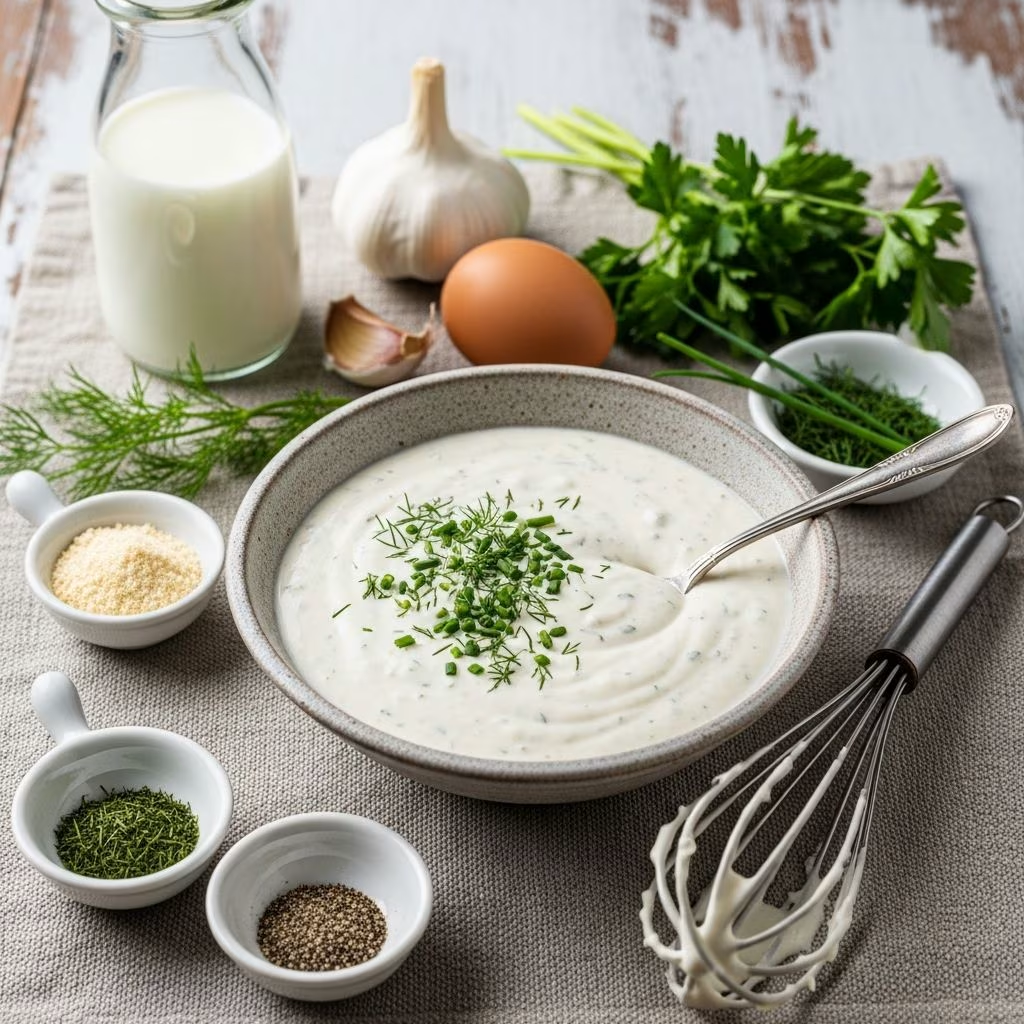
Ranch dressing has become one of the most beloved condiments in American cuisine, gracing salads, serving as a vegetable dip, and enhancing countless other dishes. While commercial versions line grocery store shelves, making this classic dressing from scratch at home offers unmatched flavor, control over ingredients, and surprising ease. The fundamental components—buttermilk, mayonnaise, and sour cream—combine to create a base so versatile and delicious that you may never return to bottled alternatives.
The beauty of homemade ranch dressing lies in its simplicity and adaptability. Whether you prefer a lighter version using Greek yogurt, a tangier variation with additional vinegar, or a more decadent preparation with full-fat ingredients, the basic technique remains consistent. Understanding these foundational principles allows you to customize the dressing to match your preferences perfectly.
Understanding the Essential Components
The trinity of buttermilk, mayonnaise, and sour cream forms the backbone of authentic ranch dressing. Each ingredient plays a specific role in achieving the desired flavor profile and texture.
Buttermilk provides the signature tangy flavor that distinguishes ranch dressing from other creamy condiments. Despite its name, buttermilk contains no butter but rather is a cultured dairy product created by fermenting milk with bacterial cultures. This fermentation process generates lactic acid, which contributes the characteristic mild tang and helps thin the dressing to a pourable consistency. The acidic quality also acts as a natural preservative, extending the dressing’s shelf life in the refrigerator.
Mayonnaise serves as the emulsifier and primary source of richness in the dressing. Its egg-based composition creates a stable emulsion that binds water-based and oil-based ingredients together seamlessly. Quality matters significantly here—using full-fat, high-quality mayonnaise results in noticeably superior creaminess and flavor compared to lighter alternatives.
Sour cream adds additional creaminess and tang to the mixture. Its higher fat content compared to buttermilk creates a more luxurious mouthfeel, while its acidic nature reinforces the distinctive ranch flavor profile. Some recipes substitute Greek yogurt for a lighter variation that reduces calories without substantially compromising the final product’s quality.
The Flavor Foundation: Herbs and Spices
While the base ingredients create the dressing’s essential character, the herbs and spices define its identity. The classic ranch profile relies on specific seasonings that have become instantly recognizable.
- Dill (dried or fresh) is perhaps the most distinctive herb in ranch dressing, providing an earthy, slightly sweet flavor with subtle licorice notes
- Parsley contributes a mild herbaceous quality and brightens the overall flavor profile
- Garlic powder (or fresh minced garlic) delivers savory depth and subtle pungency
- Onion powder (or green onions/chives) adds sweet, sharp notes that complement the garlic
- Fresh chives provide an onion-like freshness and visual appeal when used as garnish or mixed throughout
- Lemon juice brightens the dressing and adds additional tang beyond what buttermilk provides
- Salt and black pepper round out the flavors and enhance the overall taste perception
Many home cooks find success using pre-made dry ranch seasoning mixes, which contain all these elements in proper proportion. However, assembling fresh herbs and spices individually allows for greater flavor control and adjustment based on personal preferences.
Preparation Methods and Techniques
Making buttermilk ranch dressing requires minimal equipment and straightforward technique. The process typically takes fewer than ten minutes from start to finish, making it suitable for meal preparation and spontaneous entertaining.
The Direct Mixing Approach
The most common and accessible method involves combining all ingredients in a single bowl and whisking until smooth. Begin by adding the mayonnaise, buttermilk, and sour cream to a medium-sized mixing bowl. Whisk these base ingredients thoroughly until the mixture achieves a smooth, creamy consistency without lumps. This initial whisking step is crucial because it prevents the seasonings from clumping when added to the liquid base.
Once the base reaches the desired smoothness, add all the seasonings—whether using a pre-made ranch mix or individual herbs and spices—and whisk again until the seasonings distribute evenly throughout. This second whisking ensures consistent flavor in every spoonful rather than encountering concentrated pockets of seasoning.
The Jar Method
For smaller batches or easier storage, combine ingredients directly in a pint-sized Mason jar. Add buttermilk and mayonnaise first, then stir with a fork or small whisk until well combined. The confined space of a jar works surprisingly well for this purpose, and the jar becomes both your mixing vessel and storage container. Simply add the seasonings, seal, and shake vigorously for thirty seconds to ensure even distribution.
Ingredient Ratios and Consistency Adjustments
Different recipes call for varying proportions of the base ingredients, which affects both the final consistency and flavor intensity. Understanding how to adjust these ratios empowers you to create your ideal version.
| Recipe Type | Buttermilk | Sour Cream | Mayonnaise | Best Use |
|---|---|---|---|---|
| Thick Dip | 1/3 cup | 1/3 cup | 1/3 cup | Vegetable dips, chip dip |
| Creamy Dressing | 1/2 cup | 1/2 cup | 1/4 cup | Salads, grain bowls |
| Light Version | 3/4 cup | Reduced or yogurt | 6 tablespoons | Calorie-conscious preparations |
| Rich Version | 3/4 cup | 3/4 cup | 1 cup | Premium dip, special occasions |
If your finished dressing proves too thick for pouring over salads, gradually whisk in additional buttermilk or milk one tablespoon at a time until reaching the desired consistency. Conversely, if the mixture seems too thin and lacks body, incorporating additional mayonnaise or sour cream will thicken it while maintaining flavor balance.
The Flavor Development Window
A critical step many home cooks overlook involves allowing the dressing to rest before serving. Immediately after combining ingredients, the flavors remain relatively separated and unintegrated. Refrigerating the dressing for at least one hour—ideally overnight—allows the seasonings to hydrate fully and the herbs to infuse throughout the entire mixture. This resting period results in noticeably deeper, more cohesive flavor that tastes significantly better than the freshly made version.
This flavor maturation process is one of the significant advantages of homemade dressing compared to store-bought varieties. Commercial products are designed for immediate consumption and often rely on artificial ingredients to maintain consistency and shelf stability. Your homemade version actually improves with time, as long as proper storage conditions are maintained.
Storage and Food Safety Considerations
Proper storage ensures your homemade dressing maintains quality and safety throughout its shelf life. Keep the dressing in an airtight container—either a glass bowl covered tightly with plastic wrap, a Mason jar with a sealed lid, or a squeeze bottle for convenient dispensing. Stored correctly in the refrigerator, homemade ranch dressing remains fresh and safe until the expiration date of its most perishable ingredient, typically the buttermilk or sour cream.
The acidic nature of both buttermilk and lemon juice provides natural preservation benefits, but these do not substitute for proper refrigeration. Do not leave prepared dressing at room temperature for extended periods, and discard any portion that develops an off-odor or unusual appearance.
Customization and Flavor Variations
The basic ranch formula accommodates numerous modifications that suit different culinary applications and dietary preferences. Consider these popular adaptations:
- Buffalo Ranch: Incorporate hot sauce and additional cayenne pepper for a spicy kick suitable for chicken wings or adventurous salads
- Herb-Forward Version: Double the fresh herbs like basil, tarragon, or cilantro for a more pronounced herbal character
- Garlic Lover’s Blend: Increase garlic powder or use freshly minced roasted garlic for more assertive garlic flavor
- Lighter Preparation: Replace some or all sour cream with Greek yogurt and reduce mayonnaise to lower fat and calorie content
- Vinegar-Accented: Add white wine vinegar or white balsamic vinegar for additional tang and complexity
- Avocado Ranch: Blend in ripe avocado for a creamy, rich variation with healthy fats
- Peppercorn Version: Add freshly cracked black pepper or incorporate red pepper flakes for heat
Practical Applications Beyond Salads
While salad dressing represents the most obvious application, homemade ranch dressing functions beautifully across numerous dishes. Serve it as a dip for fresh vegetables, potato chips, or bread. Use it as a sandwich spread or topping for baked potatoes. Drizzle it over grilled chicken or fish, or incorporate it into composed grain bowls. Some cooks thin it slightly with additional buttermilk to create a pourable sauce for appetizers or main courses.
Frequently Asked Questions
Can I make ranch dressing without buttermilk?
Yes, though the results differ from traditional ranch. Creating a buttermilk substitute involves mixing regular milk with lemon juice or vinegar and allowing it to sit for five minutes before using. However, the tangy depth characteristic of true buttermilk will be less pronounced. Greek yogurt can supplement or replace some sour cream, creating a lighter version with good tanginess.
How long does homemade ranch dressing last?
Properly stored in an airtight container in the refrigerator, ranch dressing remains fresh until the expiration date of the buttermilk or sour cream used—typically seven to fourteen days. The acidity of the dressing provides some preservation benefit, but refrigeration remains essential.
Should I use fresh or dried herbs?
Dried herbs work well and are convenient for most preparations. Fresh herbs provide brighter, more pronounced flavor and are particularly recommended when used as garnish. Many recipes combine both approaches, using dried herbs as the base seasoning and fresh herbs as finishing touches.
Why does my dressing taste bland?
This typically indicates insufficient seasoning or inadequate resting time. Taste the dressing before chilling and adjust salt, pepper, lemon juice, or herbs as needed. Remember that flavors meld and intensify during refrigeration, so slight underseasoning initially often improves during the rest period.
Can I make large batches ahead?
Absolutely. The dressing stores well for up to two weeks under proper refrigeration, making it ideal for meal preparation. Shake or stir before each use, as ingredients may separate slightly during storage.
References
- Homemade Buttermilk Ranch Dressing Recipe — Homesteading Family. Accessed 2026. https://homesteadingfamily.com/homemade-buttermilk-ranch-dressing-recipe/
- Buttermilk Ranch Dressing (Lightened Up) — Skinnytaste. Accessed 2026. https://www.skinnytaste.com/low-fat-buttermilk-ranch-dressing/
- Creamy Ranch Dressing Recipe (Quick & Flavorful) — Ask Chef Dennis. Accessed 2026. https://www.askchefdennis.com/buttermilk-ranch-dressing/
- Creamy Buttermilk Ranch Salad Dressing — Garlic & Zest. Accessed 2026. https://www.garlicandzest.com/homemade-buttermilk-ranch-dressing/
- Buttermilk Ranch Dressing Recipe — Chef Billy Parisi. Accessed 2026. https://www.billyparisi.com/homemade-buttermilk-ranch-dressing-recipe/
- Homemade Buttermilk Ranch Dressing — Once Upon a Chef. Accessed 2026. https://www.onceuponachef.com/recipes/homemade-buttermilk-ranch-dressing.html
- Homemade Ranch Dressing in 4 Minutes — Oh Yum with Anna Olson. Accessed 2026. https://www.youtube.com/watch?v=n3vQ5QLCXr8