Blackened seasoning transforms ordinary proteins and vegetables into flavorful masterpieces with its bold, smoky, and spicy profile. Originating from Cajun cuisine, this versatile spice blend creates a dramatic crust when seared at high heat, locking in juices while delivering intense taste. Whether you’re grilling fish, pan-searing steak, or roasting vegetables, mastering this mix at home saves money and allows customization to your heat preference.
Understanding Blackened Seasoning Basics
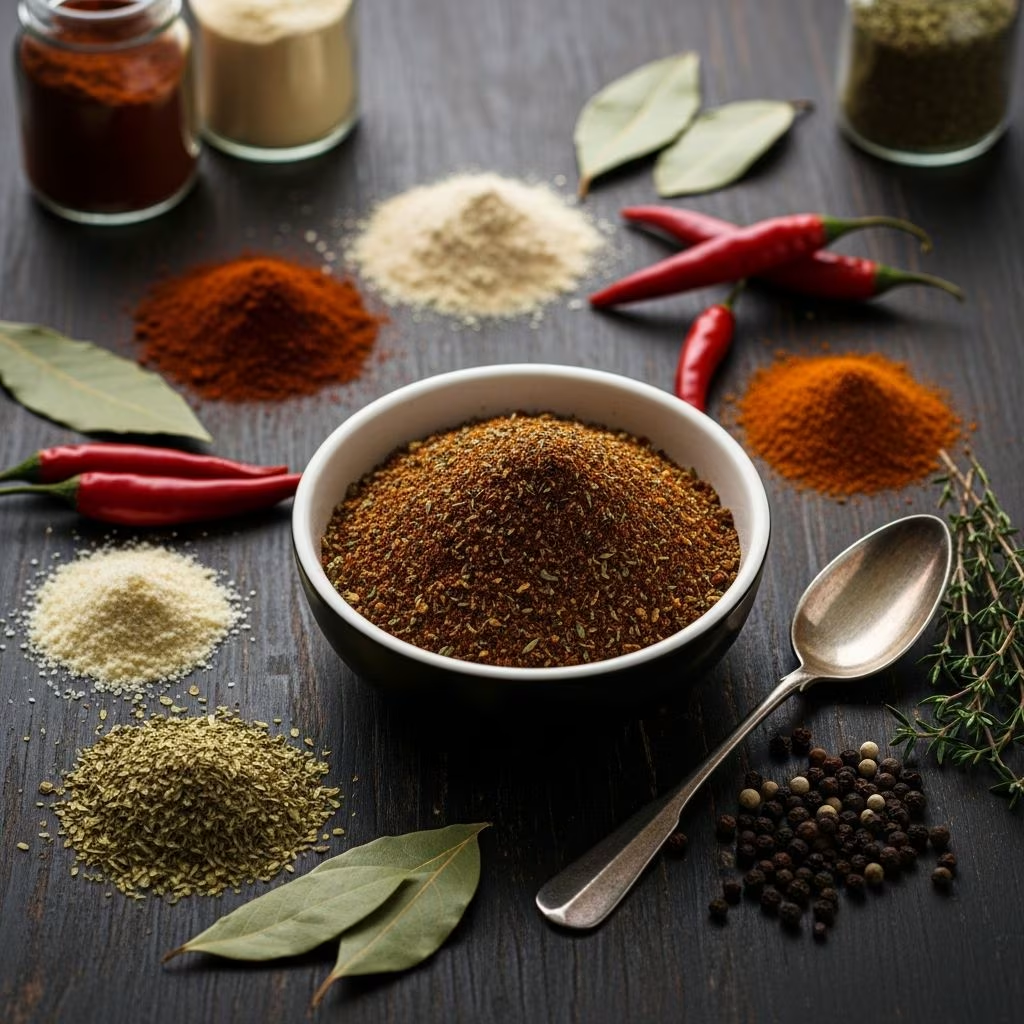
At its core, blackened seasoning combines chili powders, alliums, herbs, and salt for a harmonious punch. Paprika provides the earthy base and red hue, while cayenne delivers adjustable heat. Garlic and onion powders add savory depth, and dried herbs like thyme or oregano contribute aromatic notes. The “blackening” effect comes from high-heat cooking, where sugars and spices caramelize into a crispy exterior without burning the food inside.
- Key characteristics: Smoky, spicy, herbaceous, with a bold crust-forming ability.
- Origin: Popularized by Louisiana chefs blending Creole and Cajun influences.
- Storage tip: Keep in an airtight jar in a cool, dark place for up to 6 months.
Essential Ingredients for Authentic Flavor
Building a great blackened seasoning starts with pantry staples. Smoked paprika is ideal for that campfire essence, but regular works fine. Adjust cayenne for mild to fiery levels, and experiment with herbs for nuance.
| Ingredient | Role | Substitution Options |
|---|---|---|
| Smoked Paprika | Base color and smoke | Regular paprika |
| Cayenne Pepper | Heat level | Chili powder (milder) |
| Garlic Powder | Savory umami | Fresh minced garlic (use less) |
| Onion Powder | Sweet depth | Shallot powder |
| Dried Thyme/Oregano | Herbal aroma | Basil or marjoram |
| Black Pepper | Sharp bite | White pepper (milder) |
| Kosher Salt | Balances flavors | Sea salt |
Proportions vary by recipe, but paprika often dominates at 40-50% of the mix.
Step-by-Step: Crafting Your Signature Blend
Whipping up blackened seasoning takes under 5 minutes. Measure spices into a bowl, stir vigorously, or shake in a jar for even distribution. Taste and tweak—add more salt post-mixing if needed.
- Gather tools: Small bowl, spoon, airtight container.
- Combine dry ingredients thoroughly to avoid clumps.
- Optional: Pulse in a spice grinder for finer texture.
- Label with date and store away from moisture.
For larger batches, scale up proportionally; a basic yield makes 1/3 cup, enough for 4-6 meals.
Classic Homemade Blackened Seasoning Recipe
This balanced recipe yields about 1/2 cup, perfect for beginners seeking authentic Cajun heat without overwhelming spice.
- 2 tablespoons smoked paprika
- 1 tablespoon cayenne pepper (adjust to 2 tsp for mild)
- 1 tablespoon onion powder
- 1 teaspoon garlic powder
- 1 teaspoon ground black pepper
- 1 teaspoon kosher salt
- 1/2 teaspoon dried thyme
- 1/2 teaspoon dried oregano
Mix all in a jar. Rub 1-2 tablespoons per pound of protein.
Customizing Your Blackened Seasoning
Tailor the blend to dietary needs or taste profiles. For vegan versions, omit salt or use plant-based alternatives. Smokier? Double smoked paprika. Sweeter crust? Add 1 teaspoon brown sugar.
- Mild version: Halve cayenne, add onion powder.
- Extra smoky: Use chipotle powder instead of half the paprika.
- Herb-forward: Boost thyme and oregano to 1 tsp each.
- Low-sodium: Skip salt, season food separately.
- Sweet heat: Incorporate 1/2 tsp ground cumin or allspice.
Variations draw from chef Paul Prudhomme’s influence, emphasizing simplicity with paprika, salt, and peppers.
Blackening Techniques for Perfect Results
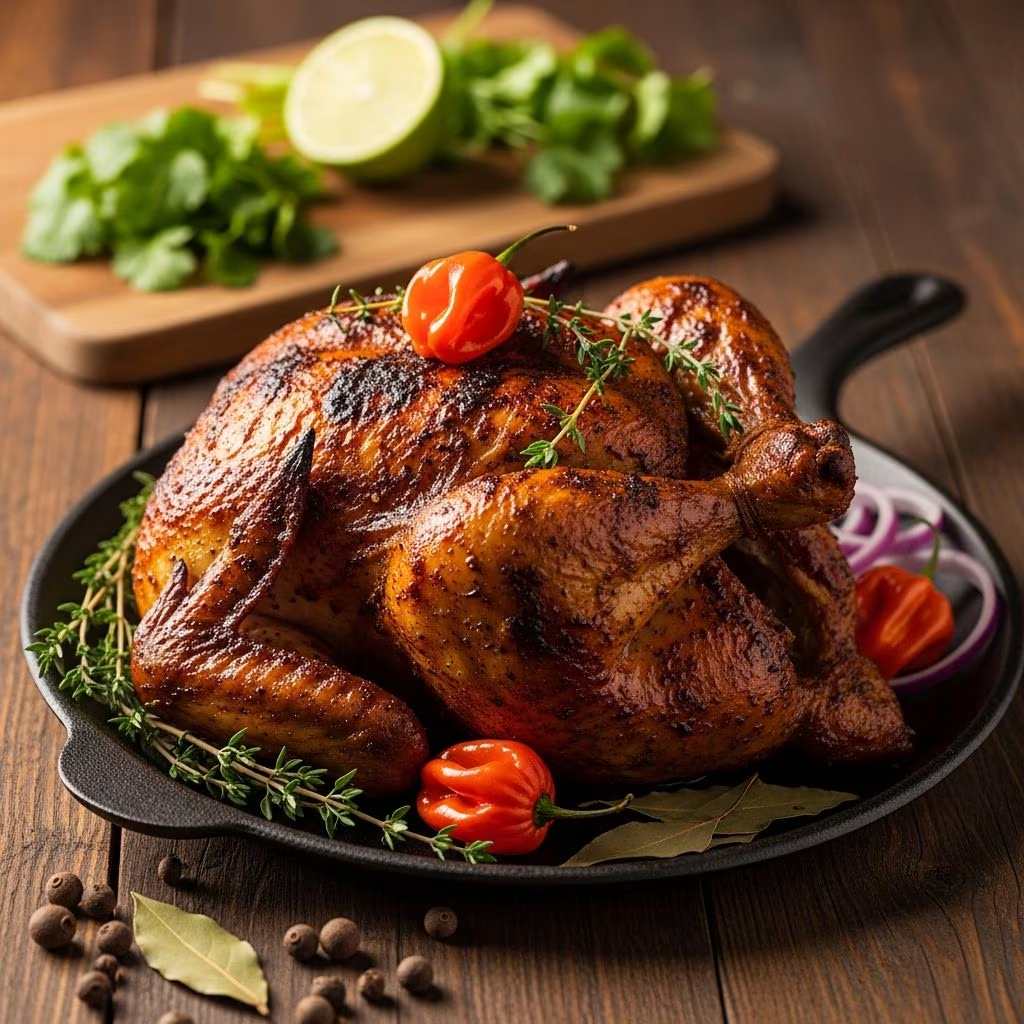
Blackening requires high heat (450-500°F) in cast iron skillets. Pat food dry, coat generously with melted butter or oil, then apply seasoning. Sear undisturbed 3-5 minutes per side until charred crust forms but interior stays juicy.
- Fish/Seafood: Redfish or salmon; 2-3 min/side.
- Chicken/Steak: Breasts or ribeye; 4-6 min/side.
- Veggies/Tofu: Portobellos or firm tofu; press first, 3 min/side.
Avoid overcrowding the pan to maintain heat. Ventilate well—smoke is part of the process!
Best Proteins and Vegetables to Blacken
This seasoning shines on fatty cuts that handle high heat.
| Food Type | Prep Tips | Cook Time |
|---|---|---|
| Salmon | Skin-on, oil skin side | 3-4 min/side |
| Chicken Thighs | Boneless, butter-dipped | 5-6 min/side |
| Steak (Ribeye) | Room temp, dry brine optional | 4-5 min/side med-rare |
| Shrimp | Peeled, skewered | 2 min/side |
| Cauliflower Steaks | Brushed with oil | 5 min/side |
Works wonders on eggplant, zucchini, or potatoes too.
Creative Recipe Ideas with Blackened Seasoning
Beyond searing, sprinkle on popcorn, fries, or roasted nuts. Mix into butter for compound spreads or yogurt for marinades.
- Blackened Shrimp Tacos: Sear shrimp, serve in corn tortillas with slaw and lime crema.
- Seasoned Steak Salad: Crust steak, slice over greens with vinaigrette.
- Veggie Skewers: Blacken mushrooms, peppers, onions on the grill.
- Chicken Wings: Toss baked wings in mix before crisping.
- Pasta Boost: Dust on garlic butter noodles.
Common Mistakes and Pro Tips
Avoid soggy crusts by drying food thoroughly. Don’t skip fat—it’s crucial for char without sticking. Test heat with water drops; they should dance.
- Too spicy? Balance with sugar or dilute in mixes.
- Uneven crust? Use thinner coats.
- Pan not hot enough? Preheat 10 minutes.
Health Benefits and Nutritional Notes
Spice-heavy blends like this offer antioxidants from paprika and capsaicin’s metabolism boost from cayenne. Low-calorie way to flavor without sauces. Per teaspoon: ~10 calories, negligible fat/sugar.
Frequently Asked Questions (FAQs)
What makes blackened seasoning different from Cajun or Creole?
Blackening is spicier and crust-focused, while Cajun adds more garlic/onion, Creole is herbier and milder.
Can I use blackened seasoning on everything?
Yes, but best on high-heat compatible foods; dilute for delicate items like eggs.
How long does homemade mix last?
6 months in pantry, 1 year frozen. Smell for freshness.
Is it gluten-free and vegan?
Typically yes, check labels for cross-contamination.
Store-bought vs. homemade?
Homemade is fresher, cheaper, adjustable—no fillers.
References
- 3-Minute Easy & Flavorful Homemade Blackening Seasoning Mix — Fannetastic Food. 2023. https://www.fannetasticfood.com/homemade-blackening-seasoning/
- Homemade Blackened Seasoning Recipe — Cupcakes & Kale Chips. 2023. https://cupcakesandkalechips.com/blackened-seasoning/
- Blackened Seasoning — Grandbaby Cakes. 2023. https://grandbaby-cakes.com/best-blackened-seasoning/
- Homemade Blackening Seasoning Recipe — Chili Pepper Madness. 2023. https://www.chilipeppermadness.com/recipes/blackening-seasoning/
- Homemade Blackened Seasoning Recipe — Shane & Simple. 2023. https://shaneandsimple.com/best-homemade-blackened-seasoning-recipe/
- Blackened Seasoning Mix Recipe — On The Go Bites. 2023. https://www.onthegobites.com/blackened-seasoning-mix-recipe/