Homemade Greek seasoning captures the vibrant essence of Mediterranean cuisine through a harmonious mix of dried herbs and spices. This versatile blend enhances everything from grilled meats to fresh salads, offering a fresh alternative to store-bought versions that often contain fillers and preservatives.
Understanding the Essence of Greek Seasoning
Greek seasoning draws inspiration from the sunny shores of the Mediterranean, where bold herbs meet subtle spices to create layers of flavor. At its core, it features earthy oregano, aromatic garlic, and zesty elements that evoke souvlaki, gyros, and tzatziki. Unlike generic spice mixes, authentic versions prioritize dried herbs for longevity and intensity, allowing home cooks to customize heat and salt levels to taste.
This blend’s magic lies in its balance: fresh notes from dill and basil contrast with warm undertones from thyme and cumin, while a hint of citrus or pepper adds brightness. Regular use transforms ordinary dishes into restaurant-quality meals without complex techniques.
Core Ingredients for Authentic Flavor
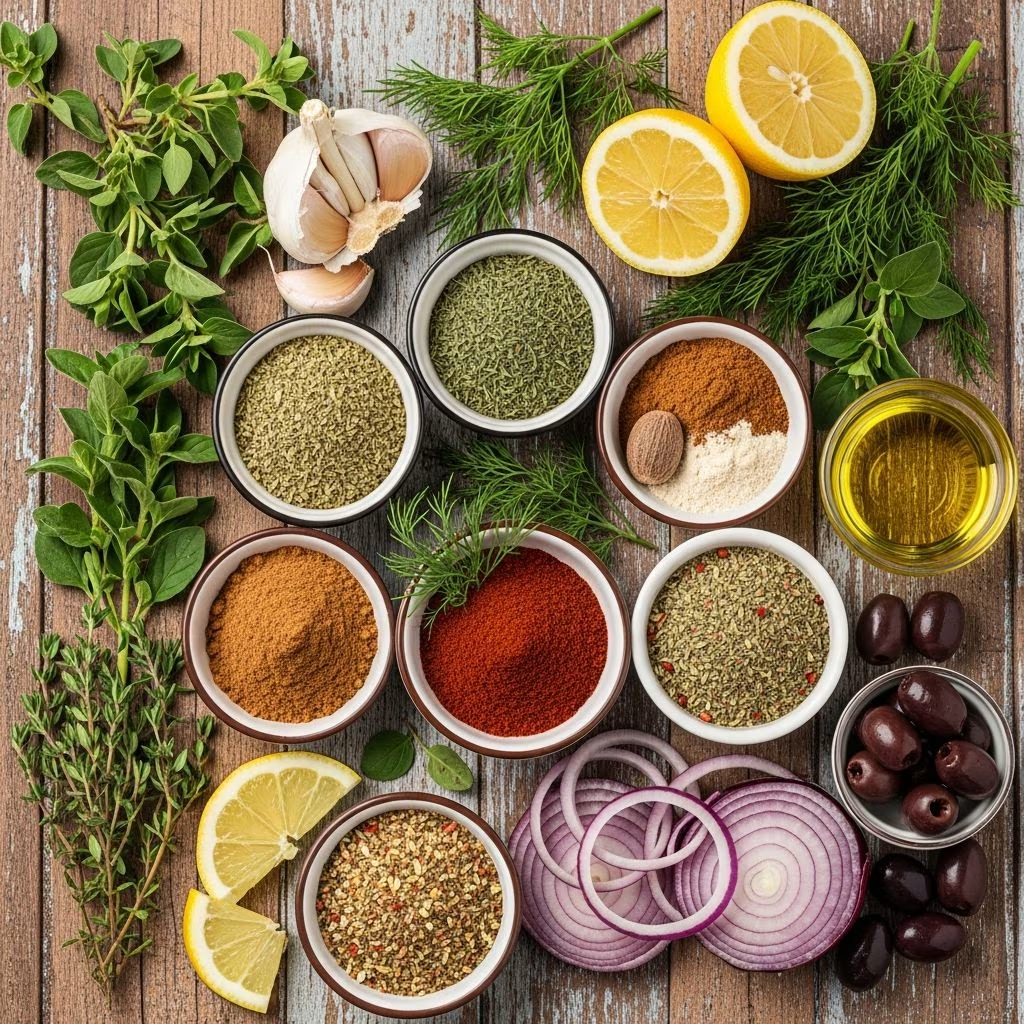
Building a superior Greek seasoning starts with high-quality, dried components. Focus on these staples for a reliable base:
- Oregano: The cornerstone, preferably Greek variety for its robust, slightly bitter profile.
- Garlic powder: Provides savory depth without moisture that could clump the mix.
- Onion powder: Adds sweetness and umami, mimicking slow-cooked alliums.
- Dill weed: Introduces a fresh, tangy note reminiscent of coastal herbs.
- Basil: Contributes subtle sweetness and pairs well with tomatoes.
For added complexity, incorporate black pepper for bite, thyme for earthiness, and parsley for color and mild freshness. Optional warm spices like cinnamon or nutmeg lend a unique twist found in some traditional recipes.
Customizing Your Blend: Variations and Tweaks
No two Greek seasoning recipes are identical, allowing personalization based on pantry staples or dietary needs. Here’s a comparison of popular variations:
| Ingredient | Classic Blend | Spicy Version | Low-Sodium Option |
|---|---|---|---|
| Oregano | 2 tbsp | 2 tbsp | 2 tbsp |
| Garlic Powder | 1.5 tbsp | 1.5 tbsp | 1.5 tbsp |
| Onion Powder | 1 tbsp | 1 tbsp | 1 tbsp |
| Dill | 1 tbsp | 1 tbsp | 1 tbsp |
| Black Pepper | 1 tsp | 2 tsp | 1 tsp |
| Red Pepper Flakes | 0.5 tsp | 1.5 tsp | 0.5 tsp |
| Salt | 2 tbsp | 2 tbsp | Omit |
| Cinnamon/Nutmeg | 0.5 tsp | 0.5 tsp | 0.5 tsp |
Experiment with lemon peel or fennel for citrusy brightness, ideal for seafood. Crush bulkier herbs like rosemary with a mortar for even distribution.
Step-by-Step: Crafting Your Perfect Blend
Preparing Greek seasoning takes under 10 minutes. Gather a medium bowl, whisk, and airtight jar.
- Measure ingredients precisely using a kitchen scale for consistency, especially with finer powders.
- Combine dry herbs first: oregano, basil, dill, thyme, parsley, and rosemary. Gently crush if clumpy.
- Add powders: garlic, onion, and any ground spices like cumin or nutmeg.
- Incorporate salt, pepper, and heat elements last to avoid over-seasoning.
- Whisk vigorously or pulse in a food processor for uniformity. Sifting prevents lumps.
- Transfer to a jar, label with date, and store away from light.
Yield: About 1/2 cup, enough for months of cooking. Scale up for gifting.
Storage and Shelf Life Tips
Proper storage preserves potency. Keep in a cool, dark cupboard in glass jars with tight seals. Avoid plastic, which can absorb odors. Freshly made blends last 6-12 months; check for faded aroma or color changes. Freeze in portions for up to 2 years if needed. Refresh by adding a pinch of fresh herbs before use.
Versatile Applications in Everyday Cooking
Greek seasoning shines across proteins and produce:
- Meats: Rub on chicken, lamb, or pork before grilling. Marinate with olive oil and lemon for souvlaki.
- Seafood: Dust shrimp or fish fillets; broil for 10 minutes.
- Vegetables: Toss potatoes, zucchini, or eggplant in oil and seasoning; roast at 425°F.
- Salads and Dips: Sprinkle over greens or mix into yogurt for tzatziki.
- Other Ideas: Enhance pasta, soups, or popcorn for unexpected flair.
Start with 1-2 teaspoons per pound of food, adjusting to taste. It pairs beautifully with olive oil, yogurt, and citrus.
Recipe Ideas Featuring Greek Seasoning
One-Pan Greek Chicken
Serves 4. Mix 2 lbs chicken thighs with 2 tbsp seasoning, 1/4 cup olive oil, juice of 1 lemon. Add potatoes and onions; bake at 400°F for 45 minutes. Garnish with feta and herbs.
Lemon Herb Roasted Potatoes
Quarter 2 lbs Yukon golds, coat in 2 tbsp seasoning and oil. Roast 40 minutes, flipping halfway. Crisp exterior, fluffy inside.
Quick Tzatziki Dip
Combine 1 cup Greek yogurt, 1 tsp seasoning, grated cucumber, garlic, and dill. Chill 30 minutes; serve with veggies or pita.
These recipes highlight the blend’s adaptability, reducing reliance on multiple spice jars.
Health Benefits and Nutritional Notes
Beyond flavor, Greek seasoning offers antioxidants from oregano and thyme, supporting digestion and immunity. Garlic and onion powders provide prebiotics. Opt for low-sodium versions to control intake. It’s naturally gluten-free and vegan, fitting various diets.
Frequently Asked Questions
Can I substitute fresh herbs?
Dried herbs are essential for shelf stability; fresh triples volume and introduces moisture. Dry extras in a low oven if needed.
Is Greek seasoning the same as Italian?
No—Greek emphasizes oregano and dill, while Italian leans on basil and parsley. Subtle but distinct.
How spicy is it typically?
Mild by default; add red flakes or pepper for heat. Customize per dish.
Where can I buy Greek oregano?
Specialty stores or online; regular oregano works in a pinch but is milder.
Can I use it in baking?
Yes, for savory breads or focaccia—1 tsp per loaf elevates flavors.
Advanced Techniques for Seasoning Mastery
Elevate your blend by toasting spices lightly in a dry pan for intensified aroma. Infuse olive oil with the mix for marinades. Layer in meals: season midway through cooking for even distribution. Track batches in a notebook to refine ratios over time.
Pair with global twists, like Mexican oregano for fusion or sumac for Middle Eastern flair. Gift in decorative jars with recipe cards for holidays.
References
- Homemade Greek Seasoning Blend | Good Life Eats® — Good Life Eats. Accessed 2026. https://www.goodlifeeats.com/greek-seasoning/
- Greek Seasoning Blend – Sense & Edibility — Sense & Edibility. Accessed 2026. https://senseandedibility.com/greek-seasoning-blend/
- Homemade Greek Seasoning (My Secret Is Cinnamon!) — Evolving Table. Accessed 2026. https://www.evolvingtable.com/greek-seasoning/
- Homemade Greek Seasoning – Take Two Tapas — Take Two Tapas. Accessed 2026. https://www.taketwotapas.com/greek-seasoning-mix/
- Homemade Greek Seasoning Blend – Simply Scratch — Simply Scratch. Accessed 2026. https://www.simplyscratch.com/homemade-greek-seasoning-blend/