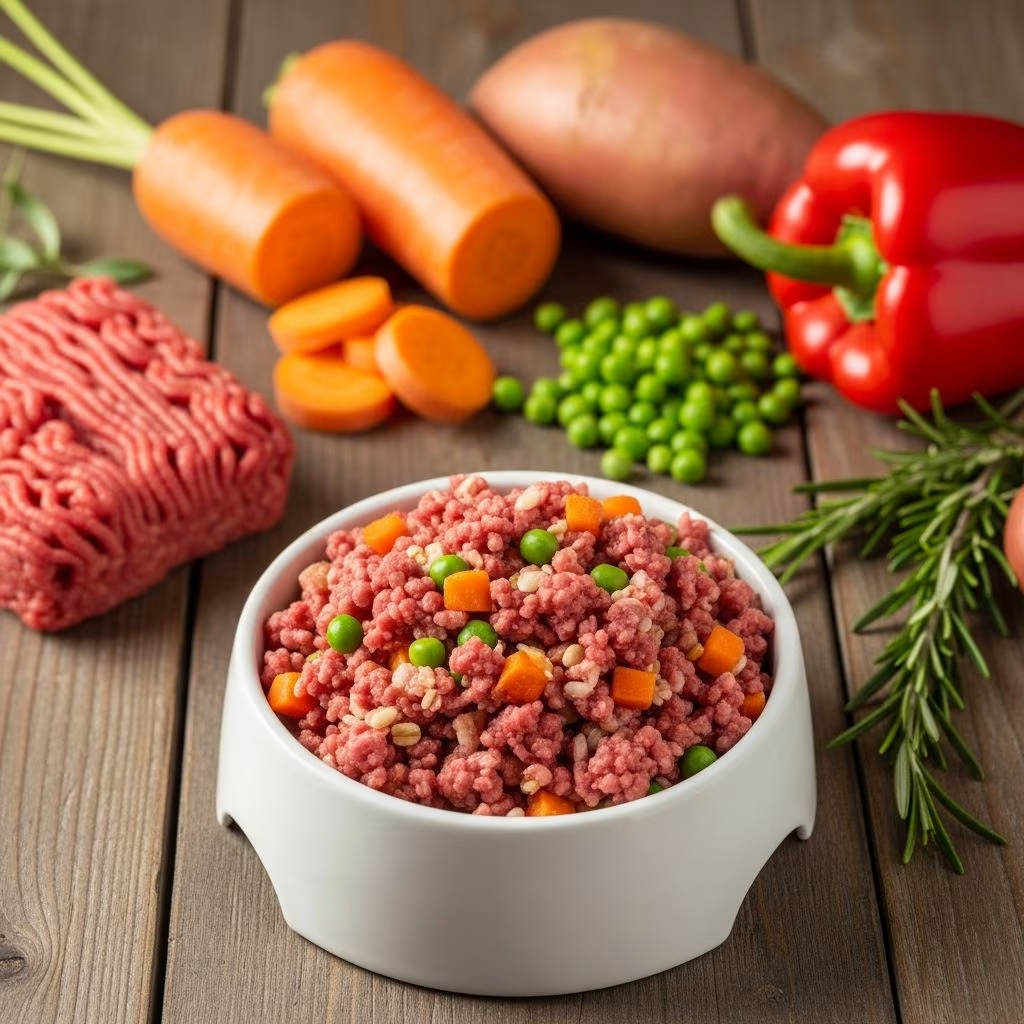
Many pet owners seek alternatives to commercial kibble, recognizing the value of preparing meals using recognizable, whole-food ingredients. Homemade dog food featuring beef provides a protein-rich foundation that aligns with canine nutritional needs. This guide explores the fundamentals of creating balanced, wholesome meals that your dog will enjoy while supporting their overall health and vitality.
Understanding Protein Requirements in Canine Nutrition
Beef serves as an exceptional protein source for dogs, delivering essential amino acids necessary for muscle development, tissue repair, and immune function. The amino acid profile found in beef contributes directly to maintaining lean muscle mass and supporting various metabolic processes that keep dogs energetic and healthy.
When selecting beef for homemade preparation, choosing lean cuts such as ground sirloin minimizes unnecessary fat intake while maximizing nutritional value. A lean beef option containing at least 85% lean meat ensures your dog receives protein-dense nutrition without excessive saturated fat that could contribute to digestive concerns or weight management issues.
Essential Ingredients Beyond the Protein
Creating a complete meal requires more than protein alone. A well-rounded homemade diet incorporates complementary ingredients that work synergistically to meet your dog’s nutritional profile.
Carbohydrate and Grain Foundations
Brown rice and white rice serve as digestible carbohydrate sources that provide energy and fiber. These grains facilitate proper digestion and contribute to stool consistency. Cooked grains should comprise a reasonable portion of the meal, typically between 25-35% of the total volume, ensuring the diet remains meat-forward while preventing excessive carbohydrate loading.
Vegetable Integration
Fresh vegetables introduce micronutrients, antioxidants, and additional fiber that support digestive health and overall wellness. The following vegetables work particularly well in homemade dog food preparations:
- Carrots provide beta-carotene and natural sweetness while supporting dental health through gentle abrasion
- Green beans offer vitamins and minerals with minimal calories, making them ideal for weight management
- Sweet potatoes deliver complex carbohydrates, fiber, and beneficial nutrients including vitamin A
- Spinach contributes iron and other trace minerals, though moderation is recommended due to oxalates
- Broccoli supplies glucosinolates and antioxidants beneficial for cellular health
Supplementary Components
Beyond the primary ingredients, certain additions enhance nutritional completeness. Olive oil and sunflower oil provide omega-3 and omega-6 fatty acids crucial for coat quality and skin health. Hard-boiled eggs offer choline and additional protein while serving as a binding ingredient. Calcium supplementation may be necessary depending on meal composition, particularly when formulating meals without professional veterinary guidance.
Foundational Recipe Framework
This basic structure can serve as a template for consistent meal preparation:
Ingredient Proportions
| Component | Quantity | Purpose |
|---|---|---|
| Lean Ground Beef | 2-2.5 pounds | Primary protein source |
| Cooked Rice (brown or white) | 1-2 cups | Energy and digestible carbohydrates |
| Mixed Vegetables | 2-3 cups combined | Micronutrients and fiber |
| Healthy Oil | 1-2 tablespoons | Essential fatty acids |
| Optional Calcium Supplement | As directed | Mineral balance |
Preparation Instructions
Initial Protein Preparation: Heat a large skillet or Dutch oven over medium heat. Add ground beef, breaking it into small pieces with a wooden spoon or spatula. Cook thoroughly until no pink remains and the meat separates into crumbles. Drain excess fat if desired, though some fat contributes valuable nutrients.
Vegetable Cooking: In a separate pot, steam or boil fresh vegetables until they reach a tender consistency. If using frozen vegetables, thaw completely before mixing. Alternatively, sauté vegetables directly in the same pot after removing cooked beef, allowing flavors to meld while cooking vegetables to softness.
Rice Preparation: Follow package instructions to cook rice in a separate vessel. This prevents overcooking and allows you to control moisture levels independently of other components.
Combination and Cooling: Transfer cooked beef to a large mixing bowl. Add cooled rice, cooked vegetables, and any supplementary ingredients. Mix thoroughly with a large spatula, ensuring even distribution. Allow the entire mixture to cool to room temperature before serving or portioning.
Portion Guidelines and Feeding Recommendations
Determining appropriate serving sizes depends on your dog’s weight, age, activity level, and individual metabolism. A general guideline suggests offering approximately 1 cup of homemade food per 10 pounds of body weight daily, divided into two meals.
However, this represents a starting point. Monitor your dog’s body condition, energy levels, and digestive health. Adjust portions upward or downward based on observed outcomes. Overweight dogs may require slightly smaller portions, while highly active dogs may need additional calories.
When introducing homemade food to a dog accustomed to commercial diets, transition gradually over 7-10 days. This measured approach allows digestive bacteria to adapt to the new diet composition, reducing the likelihood of gastrointestinal upset.
Storage and Meal Preparation Strategies
Proper storage maintains nutritional quality and food safety. Refrigerated homemade dog food remains fresh for approximately 4 days in airtight containers. For extended storage, divide prepared meals into individual portions and freeze in freezer-safe containers or bags.
Frozen portions typically maintain quality for 2-3 months. Thaw frozen meals in the refrigerator overnight before serving, or warm slightly to enhance palatability. Never use microwave thawing, as this creates uneven heating and potential hot spots that could burn your dog’s mouth.
Batch preparation on a weekly basis streamlines the process. Many pet owners dedicate one day to cooking week-long portions, storing them methodically for daily use. This approach ensures consistency and reduces daily preparation time.
Nutritional Considerations and Consultation
While homemade diets offer control over ingredient quality and sourcing, achieving perfect nutritional balance requires knowledge. Commercial dog foods undergo AAFCO (Association of American Feed Control Officials) testing to ensure complete and balanced nutrition.
Consulting with a veterinary nutritionist before permanently transitioning to homemade feeding ensures your recipe meets your specific dog’s requirements. Different life stages—puppies, adults, and seniors—have varying nutritional needs. Health conditions such as kidney disease, diabetes, or allergies may require specialized meal formulations.
Your veterinarian can review your homemade recipe and recommend specific supplements or adjustments to ensure nutritional adequacy. This professional guidance provides confidence that your dietary approach supports rather than compromises your dog’s health.
Recipe Variations and Ingredient Substitutions
While beef serves as the primary protein, the vegetable and grain components allow considerable flexibility based on availability and your dog’s preferences:
- Substitute white rice with brown rice, oatmeal, or barley for different carbohydrate sources
- Replace carrots with pumpkin puree for added fiber and digestive support
- Incorporate different vegetables such as peas, green beans, or zucchini for nutrient variety
- Add ground turkey or chicken as occasional protein alternatives to maintain dietary diversity
- Include bone broth for enhanced flavor and additional minerals
Addressing Common Questions About Homemade Dog Food
Frequently Asked Questions
Can I include table scraps in homemade dog food? Certain human foods are safe additions, while others pose toxicity risks. Consult your veterinarian about safe ingredients, avoiding onions, garlic, chocolate, grapes, avocado, and foods containing xylitol, which can cause serious health complications.
How do I know if my dog is receiving adequate nutrition? Monitor your dog’s weight, coat quality, energy level, and digestive health. Regular veterinary check-ups, including weight assessments and bloodwork when appropriate, provide objective measures of nutritional adequacy.
Is homemade dog food more expensive than commercial options? Costs vary based on ingredient sourcing and quality. While some homemade diets cost more than economy kibble, they often compare favorably to premium commercial brands when accounting for bulk purchasing and batch preparation efficiency.
Can I prepare homemade dog food for multiple dogs? Yes, batch preparation scales easily. Multiply ingredient quantities by the number of dogs, then divide appropriately based on individual weight and caloric needs.
What if my dog has food allergies? Homemade diets excel in addressing allergies by eliminating problematic ingredients. Work with your veterinarian to identify trigger ingredients, then create recipes using only tolerated components.
Signs Your Dog Is Thriving on a Homemade Diet
Healthy dogs exhibit shiny, full coats, maintain consistent energy throughout the day, produce normal-textured stools, and display enthusiasm for meals. Eyes should be clear and bright, and overall body condition should suggest neither excessive weight nor malnutrition.
Weight stability, muscle tone development, and consistent performance in daily activities all indicate nutritional adequacy. Regular veterinary assessments provide professional perspective on your dog’s health trajectory and dietary success.
Transitioning to Long-Term Homemade Feeding
Once you establish a successful homemade feeding routine, consistency becomes valuable. Dogs benefit from dietary stability, though occasional recipe variations prevent palate fatigue. The combination of whole ingredients, portion control, and careful monitoring positions your dog for optimal health and longevity.
Homemade dog food preparation represents a meaningful commitment to your pet’s wellbeing, offering control over ingredient quality and sourcing while supporting the bond you share through intentional, personalized nutrition.
References
- Association of American Feed Control Officials (AAFCO) Complete and Balanced Pet Food Standards — AAFCO. Accessed April 2026. https://www.aafco.org/consumers/what-aafco-does
- Canine Nutritional Requirements and Homemade Diet Formulation — UC Davis School of Veterinary Medicine, Department of Animal Science. 2024. https://www.vetmed.ucdavis.edu/
- Feeding Guidelines: Appropriate Portion Sizes for Healthy Dogs — American Veterinary Medical Association (AVMA). 2024. https://www.avma.org/resources-tools/pet-owners/petcare