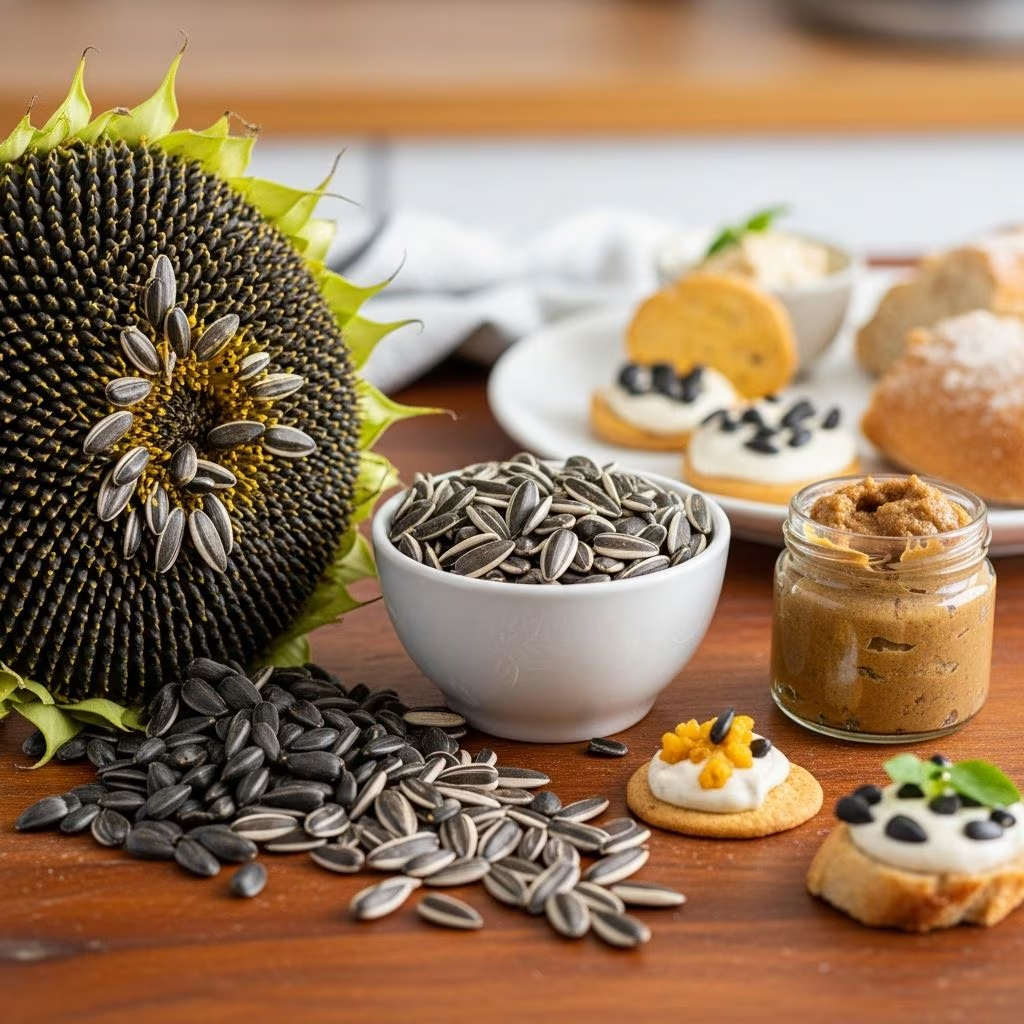
Sunflower seeds have transcended their reputation as simple snacking fare to become a versatile culinary ingredient worthy of serious kitchen experimentation. These small but mighty seeds pack substantial nutritional value while offering remarkable flexibility in both sweet and savory applications. Whether you’re seeking plant-based alternatives to conventional ingredients or simply looking to expand your cooking repertoire, sunflower seeds deserve a prominent place in your pantry. This comprehensive guide explores multiple dimensions of sunflower seed utilization, helping you maximize this ingredient’s potential across numerous dishes and preparations.
The Nutritional Case for Sunflower Seeds
Before diving into preparation methods, understanding the nutritional profile of sunflower seeds establishes why they merit increased attention in contemporary cooking. These seeds contain abundant B vitamins, which support nervous system function and help manage stress responses. Their mineral composition includes selenium, magnesium, and copper—elements essential for metabolic processes and overall wellness. The presence of vitamin E provides antioxidant protection, while their protein and healthy fat content makes them particularly valuable for those following plant-based dietary approaches.
The versatility of sunflower seeds extends beyond their nutritional credentials; their neutral flavor profile permits seamless integration into diverse recipe styles without overwhelming other components. This adaptability distinguishes them from more assertive nuts and seeds that might dominate subtle flavor combinations.
Creating Homemade Seed Butters and Spreads
One of the most accessible applications involves transforming raw sunflower seeds into creamy butter through simple processing. A basic food processor serves as the primary tool required—no specialized equipment necessary. The process begins with adding seeds to the processor, running the machine continuously until the natural oils release and bind the particles into a cohesive spread.
The transformation occurs in stages: first, the seeds break into fine particles; subsequently, they form a crumbly mixture before finally consolidating into a smooth, spreadable consistency. This journey typically requires 8-10 minutes of processing time. Once achieved, customization options multiply. A modest drizzle of honey introduces subtle sweetness, while salt enhancement amplifies the seed’s inherent flavor dimensions.
This homemade butter surpasses many commercial alternatives in freshness and allows complete control over ingredient composition. Use the result across breakfast toast, incorporate it into baking applications, or swirl it into smoothies for added nutritional density.
Herbed Seed Pastes for Culinary Finishing Touches
Building upon the butter foundation, combining processed sunflower seeds with aromatics creates sophisticated condiments suitable for multiple applications. This approach parallels traditional pesto methodology while offering a lighter, more delicate alternative to walnut or pine nut versions.
The preparation merges sunflower seeds with minced garlic, quality olive oil, grated cheese (or nutritional yeast for plant-based versions), and fine sea salt. Processing these ingredients together yields a vibrant paste that functions as a finishing element for pasta preparations, a coating for roasted proteins, or a spread for artisan breads. The herb paste approach permits seasonal variation—spring versions might emphasize fresh basil and tarragon, while autumn interpretations could incorporate sage and thyme.
Roasting Techniques and Flavor Enhancement
Simple roasting represents the most straightforward application method, yet technique refinements significantly impact results. Spreading seeds across a baking sheet followed by oven treatment at moderate temperatures creates a satisfyingly crunchy texture while preserving nutritional integrity.
The roasting window requires attention—approximately 20 minutes at 300 degrees Fahrenheit typically achieves optimal browning without encouraging burning. Pre-roasting seasoning options expand considerably. Traditional combinations include salt and cracked pepper, while more adventurous approaches might incorporate smoked paprika, cayenne pepper for heat application, or dried herb blends including oregano, thyme, and rosemary.
A honey-based coating introduces another dimension. Combining honey with vegetable oil creates an adhesive that helps seasonings bind to seed surfaces. Coating seeds with this mixture before roasting generates caramelized, slightly sweet results—a sophisticated departure from standard savory preparations. The finished product serves admirably as salad toppers, soup garnishes, or standalone snacks.
Structural Ingredients for Baked Goods
Incorporating sunflower seeds into baking applications contributes textural complexity and nutritional enhancement. Pancake batters gain substance and visual interest when supplemented with sunflower seed butter, creating a more substantial breakfast item than flour-based versions alone. Standard pancake preparations—combining flour, sugar, baking powder, salt, eggs, milk, and vanilla extract—reach new dimensions when sunflower seed butter replaces a portion of traditional fat sources.
Crackers represent another baking application where sunflower seeds shine. Combining seeds with flaxseed meal, water, olive oil, salt, and pepper creates a nutritious snack item requiring minimal baking time. Spread at quarter-inch thickness on parchment-lined sheets and baked at 350 degrees for approximately 15 minutes yields crispy crackers suitable for cheese pairing or standalone consumption.
Granola preparations benefit substantially from seed incorporation. Layering oats with sunflower seeds, almonds, dried fruit, honey, cinnamon, and vanilla extract creates a combination that bakes into satisfying clusters. Extended baking at moderate temperature—approximately 45 minutes at 300 degrees—allows moisture gradual evaporation while preventing scorching. The resulting granola maintains freshness when stored in airtight containers for up to two weeks.
Plant-Based Milk Alternative Production
The growing demand for dairy alternatives has positioned sunflower seeds as viable milk creators. Blending soaked seeds with water produces a creamy liquid that, when strained through fine mesh, yields a smooth beverage suitable for cereal consumption or direct drinking. The production methodology remains straightforward: combine seeds and water in proportions yielding desired consistency, blend thoroughly until achieving homogeneous texture, then strain through cheesecloth into storage containers.
Refrigeration extends the shelf life to approximately three days, making batch preparation practical for weekly consumption planning. The resulting liquid offers subtle seed flavor without aggressive assertiveness, permitting incorporation into coffee beverages or smoothie preparations without flavor conflicts.
Comprehensive Cooking Application Summary
| Application | Preparation Method | Primary Use | Storage Duration |
|---|---|---|---|
| Seed Butter | Food processor blending | Spreads, baking, smoothies | 2-3 weeks refrigerated |
| Herbed Paste | Combined processing with aromatics | Finishing paste, coating agent | 1 week refrigerated |
| Roasted Seeds | Oven treatment with seasoning | Snacking, salad toppers | 1 week airtight container |
| Crackers | Mixture spreading and baking | Snack item, cheese pairing | 1 week airtight container |
| Granola | Mixed ingredients baked | Breakfast cereal component | 2 weeks airtight container |
| Plant Milk | Blending and straining | Beverage, cooking ingredient | 3 days refrigerated |
Frequently Asked Questions
What distinguishes sunflower seeds from other common seeds nutritionally?
Sunflower seeds offer particularly elevated levels of selenium and vitamin E compared to comparable seeds, making them exceptional for antioxidant support. Their B vitamin content specifically supports neurological function, differentiating them within the seed category.
Can sunflower seed butter replace other nut butters in recipes?
Yes, sunflower seed butter functions successfully as a substitution in most applications where other nut butters appear. The flavor profile differs subtly—sunflower varieties tend toward earthier notes—but this characteristic often enhances rather than detracts from finished dishes.
How should raw sunflower seeds be stored for optimal freshness?
Store raw seeds in airtight containers within cool, dark cupboard spaces. Refrigeration or freezing extends viability for several months, particularly important for seeds containing higher oil content.
Do sunflower seeds require soaking before consumption?
While soaking isn’t mandatory, the practice increases nutrient bioavailability by reducing enzyme inhibitors. Soaking for 8-12 hours followed by rinsing optimizes nutritional extraction.
Which sunflower seed varieties work best for specific applications?
Black oil varieties typically provide richer flavor suitable for butter production, while striped varieties offer milder profiles appropriate for milk creation. Experimentation allows identification of personal preferences.
Exploring Creative Culinary Expressions
Beyond these established applications, sunflower seeds continue inspiring culinary innovation. Contemporary chefs increasingly recognize their potential as textural elements in grain bowls, protein components in vegetable-based compositions, and flavor enhancers in smoothie preparations. Their compatibility with both warm and cold preparations expands their seasonal utility, functioning equally well in summer salad applications and winter soup garnishes.
The economic advantage of sunflower seeds—typically priced considerably lower than comparable nuts—combines with their environmental sustainability to position them as increasingly relevant ingredients for conscientious cooks. Their adaptability to various dietary frameworks including vegan, paleo, and grain-free preparations further expands their appeal.
Whether approaching sunflower seeds as a nutritional supplement, a textural enhancement, or a primary ingredient, their humble appearance masks remarkable versatility. The transformations available through basic kitchen techniques—blending, roasting, processing—demonstrate how simple seeds become sophisticated ingredients worthy of serious culinary attention. Beginning with straightforward roasting and progressing toward more involved preparations like butter creation or milk production allows cooks to develop familiarity gradually while discovering personal preferences. This ingredient deserves reconsideration beyond traditional snacking contexts, earning its place as a pantry staple supporting diverse, nutritious, and creative cooking endeavors.
References
- Sunflower Seeds Are More Than Just A Snack, And These 8 Recipes Prove It — Smack in Sunflower Seeds. https://smackinsunflowerseeds.com/blogs/blogs/sunflower-seeds-are-more-than-just-a-snack-and-these-8-recipes-prove-it
- 7 Ways To Eat & Use Sunflowers That Will Surprise You — The Kiwi Grower. YouTube. https://www.youtube.com/watch?v=CHTQC2oWTtU
- 22 Vegan Sunflower Seed Recipes to Brighten Your Day — Very Vegan Val. December 7, 2018. https://veryveganval.com/2018/12/07/22-vegan-sunflower-seed-recipes-to-brighten-your-day/