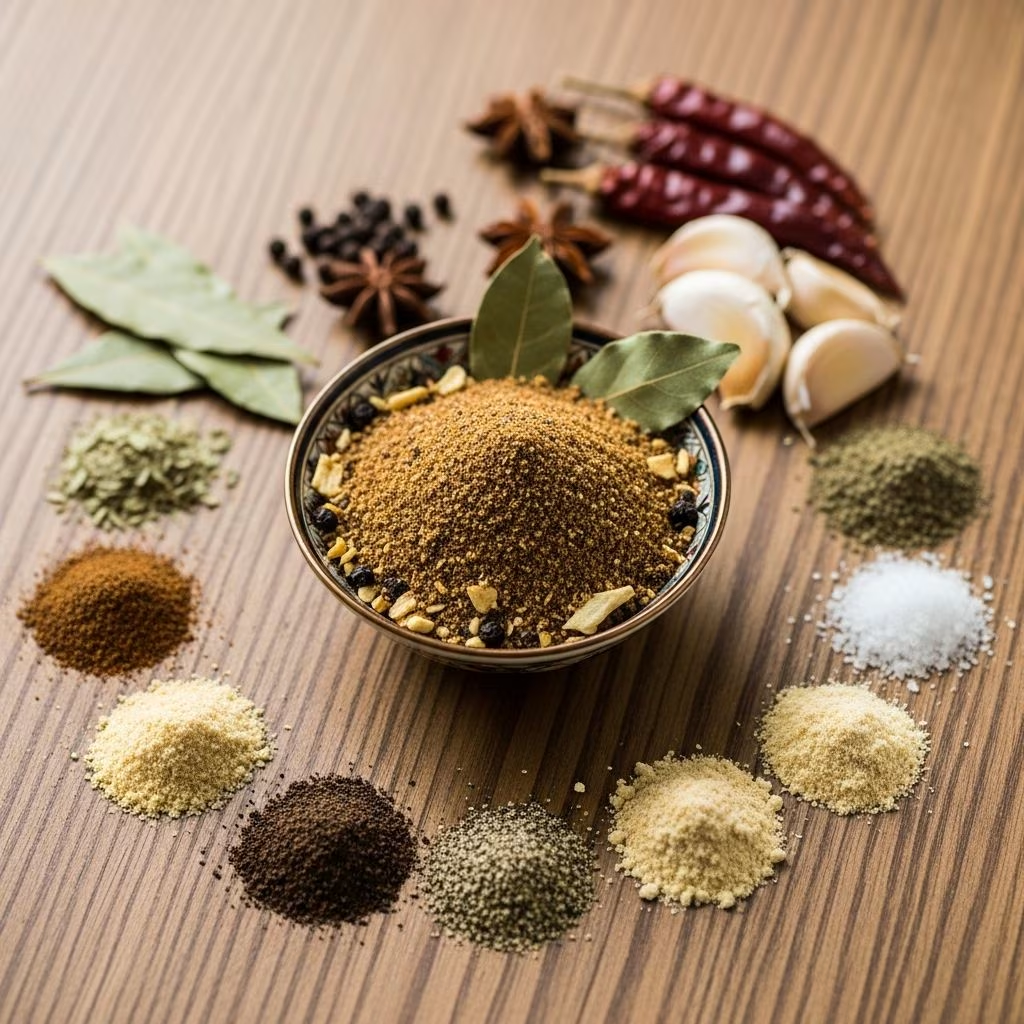
Adobo seasoning stands as a cornerstone of Latin American and Caribbean cooking, delivering a harmonious mix of savory, earthy, and slightly spicy notes to countless dishes. Unlike commercial versions loaded with preservatives, crafting it at home ensures peak freshness and lets you tailor the intensity to your taste. This blend, primarily composed of garlic powder, oregano, salt, pepper, and turmeric, transforms simple proteins and vegetables into flavorful masterpieces.
Understanding the Essence of Adobo Seasoning
Originating from Spanish culinary traditions meaning ‘to marinate,’ adobo has evolved into a dry spice mix essential in Puerto Rican, Mexican, and Dominican kitchens. It provides a balanced profile: umami from garlic and onion, herbal brightness from oregano, warmth from pepper and cumin, and a signature golden hue from turmeric. This all-purpose seasoning shines in rubs, marinades, and even sprinkled over rice or beans, making it indispensable for home cooks seeking authentic taste without complexity.
Its versatility stems from regional adaptations—Puerto Rican versions emphasize turmeric for color, while Mexican ones might incorporate chili for heat. Homemade adobo avoids the staleness of store-bought packets, allowing control over salt and spice levels to suit dietary needs like low-sodium diets.
Core Ingredients and Their Roles
Building a solid adobo starts with pantry essentials. Each component contributes uniquely to the overall flavor symphony:
- Garlic Powder: Forms the savory backbone, infusing deep umami that permeates meats and veggies.
- Onion Powder: Adds subtle sweetness and aroma, balancing the garlic’s intensity.
- Dried Oregano: Brings earthy, herbaceous notes; Mexican oregano offers a citrusy twist for brighter profiles.
- Kosher or Sea Salt: Amplifies all flavors; adjust for taste or health preferences.
- Ground Black Pepper: Provides gentle heat and pungency to sharpen the blend.
- Turmeric: Delivers the iconic yellow tint and mild earthiness without overpowering.
Optional enhancers like cumin for nutty depth, smoked paprika for smokiness, or cayenne for spice allow personalization. These tweaks make adobo adaptable for grilling, roasting, or stews.
Step-by-Step Guide to Mixing Your Blend
Creating adobo takes mere minutes with basic tools. Here’s a reliable base recipe yielding about 1/2 cup, scalable as needed:
| Ingredient | Amount | Notes |
|---|---|---|
| Garlic Powder | 4 tbsp | Granulated for even distribution |
| Onion Powder | 2 tbsp | Enhances savoriness |
| Dried Oregano | 2 tsp | Crush leaves for finer texture |
| Kosher Salt | 2.5 tbsp | Reduce for low-sodium version |
| Ground Black Pepper | 2 tsp | Freshly ground preferred |
| Turmeric | 0.5 tsp | For color and subtle warmth |
- Gather ingredients in a dry bowl to prevent clumping.
- Whisk vigorously or pulse in a spice grinder for uniformity—avoid over-processing to retain texture.
- Taste and adjust: Add cumin (1 tsp) for earthiness or paprika (1 tsp) for smoke.
- Sift through a fine mesh to break lumps, then funnel into an airtight glass jar.
- Store in a cool, dark spot; it lasts up to 6 months, though freshest within 3.
For advanced prep, lightly toast cumin or oregano before blending to unlock aromas, intensifying the mix without added heat.
Variations to Suit Every Palate
Adobo’s beauty lies in customization. Experiment with these profiles:
- Spicy Adobo: Incorporate 1/4 tsp cayenne or chipotle powder alongside chili powder (1.5 tsp) for bold heat ideal for tacos.
- Smoky Version: Swap turmeric for smoked paprika (1 tsp) and add cumin (1.5 tsp) for barbecue rubs.
- Low-Sodium Blend: Halve salt, boost herbs like coriander (1/4 tsp) or mushroom powder for umami.
- Citrus-Infused: Mix in dried lemon zest (1/4 tsp) for a fresh lift in seafood dishes.
- Puerto Rican Classic: Emphasize turmeric or annatto substitute, with extra black pepper (4 tsp) for authentic yellow tone.
These adjustments keep the core intact while aligning with dietary restrictions or regional tastes.
Creative Ways to Use Adobo in Daily Cooking
Beyond basics, adobo elevates diverse meals:
- Meats: Rub on chicken thighs before grilling or pork shoulder for slow-cooking; 1-2 tbsp per pound suffices.
- Vegetables: Toss roasted potatoes or cauliflower with 1 tsp per serving for caramelized flavor.
- Rice and Beans: Stir 1/2 tsp into sofrito bases for authentic arroz con gandules.
- Marinades: Combine 2 tbsp adobo with oil, lime, and vinegar for steak or fish; marinate 30 minutes to overnight.
- Soups and Stews: Add 1 tsp to start, building layers in pozole or sancocho.
In baking, a pinch seasons cornbread or empanada dough. For snacks, dust popcorn or nuts. Its salt content means measuring conservatively prevents over-seasoning.
Storage, Shelf Life, and Troubleshooting Tips
Proper storage preserves potency: Use glass jars with tight seals, away from light and moisture. Desiccant packets combat humidity. Label with dates; potency fades after 6 months, signaled by muted aroma.
Common issues:
- Clumps: Sift before use or add rice grains to the jar as absorbers.
- Too Salty: Dilute in recipes with citrus or unsalted stocks.
- Lack of Color: Increase turmeric incrementally; avoid excess to prevent bitterness.
- Mild Flavor: Toast spices lightly next batch for amplified notes.
Freezing in portions extends life up to a year, though grinding fresh yields best results.
Health Benefits and Nutritional Insights
Homemade adobo skips additives like MSG, offering cleaner nutrition. Oregano provides antioxidants, turmeric offers anti-inflammatory curcumin, and garlic supports immunity. A 1 tsp serving clocks ~12 kcal, mostly from trace carbs, with sodium varying by salt use—opt for sea salt for minerals.
Customize for wellness: Omit salt for hypertension management, or add mushroom powder for plant-based umami.
Frequently Asked Questions
What is adobo seasoning used for?
It’s an all-purpose mix for seasoning meats, veggies, rice, and marinades in Latin cuisine.
Can I substitute fresh garlic for powder?
No, for dry blends; fresh alters texture. Use powder for shelf stability.
Is turmeric essential in adobo?
It provides color; substitute paprika if unavailable, but traditional recipes favor it.
How much adobo per pound of meat?
1-2 tbsp for rubs; adjust for intensity.
Does homemade adobo taste better than store-bought?
Yes, fresher spices yield bolder flavors without fillers.
Pairing Adobo with Global Cuisines
While Latin-rooted, adobo crosses borders: Season Indian curries with a smoky variant, or fuse into Asian stir-fries via cumin-heavy mixes. In Mediterranean dishes, pair with lemon for herb-roasted lamb. This adaptability cements its status as a kitchen staple.
Experiment boldly—start small, taste often. Mastering adobo unlocks endless culinary creativity.
References
- Adobo Seasoning Recipe — Foodlove.com. 2023. https://foodlove.com/adobo-seasoning-recipe/
- Homemade Adobo Seasoning — Midwexican. 2022-10-15. https://www.midwexican.com/spicy-adobo-seasoning/
- Adobo Seasoning Recipe — Chili Pepper Madness. 2024-01-20. https://www.chilipeppermadness.com/recipes/adobo-seasoning/
- Authentic Adobo Seasoning — Sense & Edibility. 2023-05-10. https://senseandedibility.com/adobo-seasoning/
- Adobo Seasoning – Better Than Goya — Kevin Is Cooking. 2024. https://keviniscooking.com/all-purpose-adobo-seasoning/