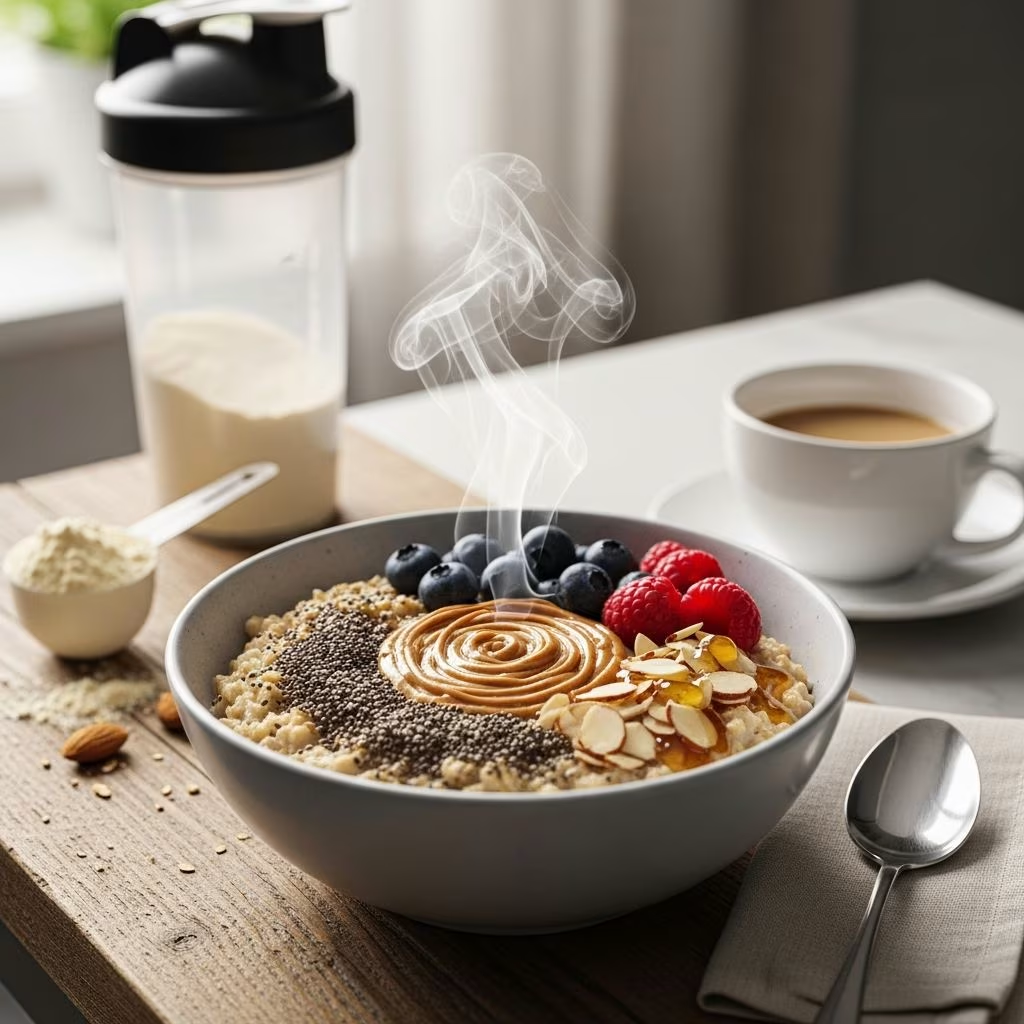
Starting your day with a nutritious breakfast sets the tone for sustained energy and focus. While traditional oatmeal provides essential carbohydrates and fiber, adding protein transforms it into a complete meal that supports muscle recovery and keeps you satisfied until lunch. Whether you’re an athlete, fitness enthusiast, or simply looking to optimize your nutrition, high-protein oatmeal offers a versatile solution that delivers both taste and nutritional benefits.
Why Protein-Enhanced Oatmeal Matters for Your Wellness Goals
Oats are naturally rich in complex carbohydrates and contain beta-glucan, a soluble fiber that supports heart health and digestion. However, a standard bowl of oatmeal typically contains only 5-10 grams of protein per serving. By incorporating protein sources, you can double or triple this amount, creating a breakfast that addresses your body’s muscle-building and recovery needs.
Protein serves multiple functions in your body beyond muscle development. It regulates appetite hormones, slows digestion, and provides sustained energy release. When combined with oatmeal’s fiber content, protein creates a breakfast that stabilizes blood sugar levels and prevents mid-morning energy crashes. This combination makes high-protein oatmeal an excellent choice for those managing their weight or maintaining consistent energy throughout the day.
Understanding Your Protein Addition Options
The beauty of creating high-protein oatmeal lies in the flexibility of protein sources available. Different additions offer varying nutritional profiles, flavors, and preparation methods, allowing you to customize your breakfast to your preferences and dietary needs.
Whey and Plant-Based Protein Powders
Protein powders represent the most straightforward method for boosting oatmeal’s protein content. A single scoop typically provides 20-30 grams of protein while adding minimal volume to your bowl. Whey protein powder mixes smoothly into warm oatmeal when properly blended, though many people prefer dissolving it with a small amount of liquid before stirring it into the cooked oats to prevent clumping.
Plant-based alternatives such as pea, hemp, and rice protein powders cater to vegan and vegetarian preferences. While these options may require slightly more attention during mixing, they deliver comparable protein amounts and offer unique flavor profiles that complement various oatmeal combinations.
Greek Yogurt and Cottage Cheese
Dairy products provide protein while adding creamy texture to your oatmeal. Greek yogurt contains approximately 15-20 grams of protein per cup and blends seamlessly into warm oatmeal, creating a pudding-like consistency. Cottage cheese offers a similar protein boost with a slightly different texture that some prefer for added dimension in their breakfast bowl.
Egg Whites for Unique Preparation
For those seeking an unconventional approach, egg whites can be cooked directly into oatmeal, creating an exceptionally creamy texture. This method delivers approximately 10-15 grams of protein per serving while producing a unique consistency that differs from traditional preparations. The cooked egg whites essentially become incorporated into the oatmeal, creating a unified dish rather than a separate topping.
Seeds and Nuts for Complete Protein
Chia seeds, flax meal, and hemp seeds provide plant-based protein alongside healthy fats and fiber. While individually they contribute smaller amounts of protein per serving, combining multiple seeds can significantly increase your protein intake. These additions also create interesting textures and provide essential micronutrients like omega-3 fatty acids.
Stovetop Preparation: The Traditional Approach
Cooking oatmeal on the stovetop offers immediate gratification and allows precise control over texture and consistency. The process typically requires 8-10 minutes from start to finish, making it ideal for those who prefer fresh preparation over make-ahead options.
The Basic Process
Begin by combining your oats with liquid—water, milk, or a combination of both—in a saucepan. Bring the mixture to a boil, then reduce heat to medium and stir occasionally. This prevents sticking and ensures even cooking. After approximately 5 minutes, when the oats have absorbed most of the liquid and become soft, remove from heat. At this stage, stir in your protein source, whether powder, yogurt, or other additions.
The key to successful protein integration is timing. Adding protein powders to boiling hot oatmeal can sometimes cause clumping, so many recipes recommend mixing protein powder with a small amount of cool liquid first, creating a smooth slurry that incorporates evenly when added to the cooked oats. This extra step takes only seconds but dramatically improves texture.
Flavor Development Through Cooking
The stovetop method allows you to incorporate flavor elements directly into the cooking liquid. Cinnamon, vanilla extract, salt, and even cocoa powder can be added at the beginning or middle of cooking, allowing flavors to develop and distribute throughout the oatmeal. Some recipes suggest cooking banana slices directly into the oatmeal, where they gradually break down and sweeten the entire dish.
Overnight Preparation: The Convenience Method
For busy mornings or meal preparation enthusiasts, overnight oats eliminate cooking time entirely. This method involves combining all ingredients in a mason jar or container, refrigerating overnight, and enjoying the result the following morning.
Assembly and Ratios
Successful overnight oats require the right ratio of dry to wet ingredients. A basic formula includes approximately half a cup of rolled oats combined with one cup of liquid (milk, yogurt, or a combination), one scoop of protein powder or protein alternative, and any seeds or add-ins you prefer. Mixing ingredients thoroughly ensures even hydration and prevents dry pockets in the final product.
Refrigeration and Storage
After combining ingredients, cover and refrigerate for a minimum of 4-5 hours, though overnight is optimal. The extended refrigeration allows oats to fully hydrate and absorb surrounding liquid, creating a creamy pudding-like consistency. Most overnight oats recipes yield enough for 4-5 servings when prepared in larger batches, making them ideal for weekly meal preparation.
Texture and Temperature Considerations
Some prefer overnight oats chilled directly from the refrigerator, while others heat them briefly in the microwave before eating. Heating for 1-2 minutes can restore a warm, freshly-cooked texture without significantly changing the consistency. This flexibility makes overnight oats adaptable to personal preference and seasonal considerations.
Flavor Combinations and Recipe Frameworks
High-protein oatmeal’s versatility extends to countless flavor possibilities. Rather than viewing recipes as strict formulas, consider them as frameworks for experimentation based on your taste preferences.
Chocolate-Based Combinations
Combining chocolate protein powder with cocoa powder creates an intensely flavored breakfast that satisfies sweet cravings while delivering substantial protein—up to 31 grams per serving. Adding honey or maple syrup provides additional sweetness, while a pinch of sea salt enhances chocolate notes. This combination pairs well with almond milk for a beverage-like smoothness.
Fruit-Forward Options
Incorporating fresh or frozen fruits transforms oatmeal into a naturally sweet breakfast. Banana slices added during cooking gradually soften and sweeten the entire dish, while frozen berries provide bursts of flavor and antioxidants. Top with pecans or almonds for textural contrast and additional protein.
Warm Spice Profiles
Cinnamon, nutmeg, and vanilla extract create warm, comforting breakfasts reminiscent of baked goods. These spices work particularly well with vanilla protein powder and pair nicely with apple slices or dried cranberries for added dimension.
Nutritional Considerations and Macro Balance
| Ingredient Base | Protein Content | Best For | Preparation Method |
|---|---|---|---|
| Protein Powder (1 scoop) | 20-30g | Quick, customizable | Stovetop or overnight |
| Greek Yogurt (1 cup) | 15-20g | Creamy texture | Stovetop or overnight |
| Cottage Cheese (1/3 cup) | 10-12g | Unique texture | Stovetop or overnight |
| Egg Whites (1/2 cup) | 8-10g | Super creamy | Stovetop only |
| Combined Seeds (2 tbsp) | 5-8g | Texture and nutrition | Both methods |
A well-balanced high-protein oatmeal breakfast typically provides 25-35 grams of protein alongside 40-50 grams of carbohydrates and a healthy fats. This macronutrient distribution supports sustained energy, muscle recovery, and satiety. The fiber content from oats—approximately 8-10 grams per serving—further enhances digestive health and blood sugar stability.
Practical Meal Preparation Strategies
Creating high-protein oatmeal as part of your weekly meal preparation streamlines mornings and ensures consistent nutrition. Batch preparing overnight oats in individual mason jars provides grab-and-go convenience while maintaining customization options.
Single-Serving Jar System
Prepare 4-5 individual mason jars with identical or varied ingredients, storing them in the refrigerator for up to five days. This approach eliminates morning decision-making while allowing weekly ingredient variety to prevent boredom.
Dry Mix Preparation
For those preferring stovetop preparation, pre-measuring dry ingredients into individual containers or labeled bags enables rapid cooking. Simply pour contents into a saucepan, add your chosen liquid, and cook as usual. This method reduces preparation time while maintaining the comfort of freshly cooked breakfast.
Frequently Asked Questions
How much protein should I aim for in my breakfast oatmeal?
Most nutritionists recommend 20-30 grams of protein for breakfast to optimize satiety and support fitness goals. However, individual needs vary based on body weight, activity level, and overall daily protein intake. Consulting with a healthcare provider or registered dietitian can help determine your specific requirements.
Can I prepare high-protein oatmeal without protein powder?
Absolutely. Greek yogurt, cottage cheese, egg whites, seeds, and nuts all provide substantial protein without commercial protein powders. Combining multiple sources often yields protein amounts comparable to powder-based recipes.
Will adding protein powder affect the taste of my oatmeal?
Quality protein powders integrate seamlessly into oatmeal without noticeable taste changes when properly mixed. Flavored powders like chocolate or vanilla can actually enhance the breakfast experience. Starting with smaller amounts and gradually increasing allows you to find your preference.
How long do overnight oats last in the refrigerator?
Properly stored overnight oats remain fresh and safe for 3-5 days. Store them in airtight containers with lids to prevent contamination and preserve texture.
Can I freeze high-protein oatmeal?
While freezing is possible, it may affect texture, particularly for overnight oats. Stovetop oatmeal freezes somewhat better than its overnight counterparts, though both can be thawed and reheated when needed.
Conclusion: Making High-Protein Oatmeal Your Daily Practice
High-protein oatmeal transforms a simple breakfast staple into a nutritional powerhouse capable of supporting your health and fitness objectives. Whether you choose quick stovetop preparation or convenient overnight options, the combination of oats’ fiber and added protein creates a sustainable breakfast foundation. With countless flavor possibilities and flexible preparation methods, high-protein oatmeal adapts to your lifestyle while delivering consistent nutrition. Begin experimenting with different protein sources and flavor combinations to discover your favorite variations, then establish a sustainable routine that nourishes your body and simplifies your mornings.
References
- Oat and Barley Beta-Glucan: Health Effects and Nutritional Properties — U.S. National Library of Medicine. 2023. https://pubmed.ncbi.nlm.nih.gov
- Protein Requirements and Amino Acid Requirements for Athletes — International Society of Sports Nutrition. 2017. https://jissn.biomedcentral.com/articles/10.1186/s12970-017-0189-4
- Whey Protein Supplementation and Exercise-Induced Muscle Adaptation — Journal of the International Society of Sports Nutrition. 2022. https://jissn.biomedcentral.com
- Overnight Oats: Methods and Nutritional Analysis — Academy of Nutrition and Dietetics. 2021. https://www.eatright.org
- Chia Seeds, Flax Seeds, and Hemp Seeds: Nutritional Composition and Health Benefits — Nutrients Journal. 2020. https://www.ncbi.nlm.nih.gov/pmc/articles/PMC7019908/
- Greek Yogurt and Cottage Cheese as Protein Sources in Breakfast Meals — International Journal of Gastronomy and Food Science. 2019. https://www.sciencedirect.com
- Fiber Content and Digestive Health Benefits of Whole Grain Oats — American Journal of Clinical Nutrition. 2018. https://academic.oup.com/ajcn