When the evening rush begins and you need a satisfying meal that doesn’t require hours in the kitchen, a well-crafted casserole becomes your best friend. This hearty ground beef and vegetable skillet bake represents the pinnacle of practical home cooking—combining straightforward ingredients with minimal preparation time to create a dish that appeals to virtually every palate. Whether you’re feeding a family of four or planning ahead for leftovers, this recipe demonstrates how fundamental culinary techniques and quality ingredients can transform ordinary weeknight dinners into memorable meals.
Understanding the Foundation of Skillet Bakes
The skillet bake concept represents a fundamental approach to efficient cooking that has remained relevant for generations. At its core, this preparation method combines protein, vegetables, and a binding element in a single cooking vessel, allowing flavors to meld while drastically reducing cleanup time. The beauty of this approach lies in its adaptability—the basic framework accommodates numerous variations while maintaining its essential structure and appeal.
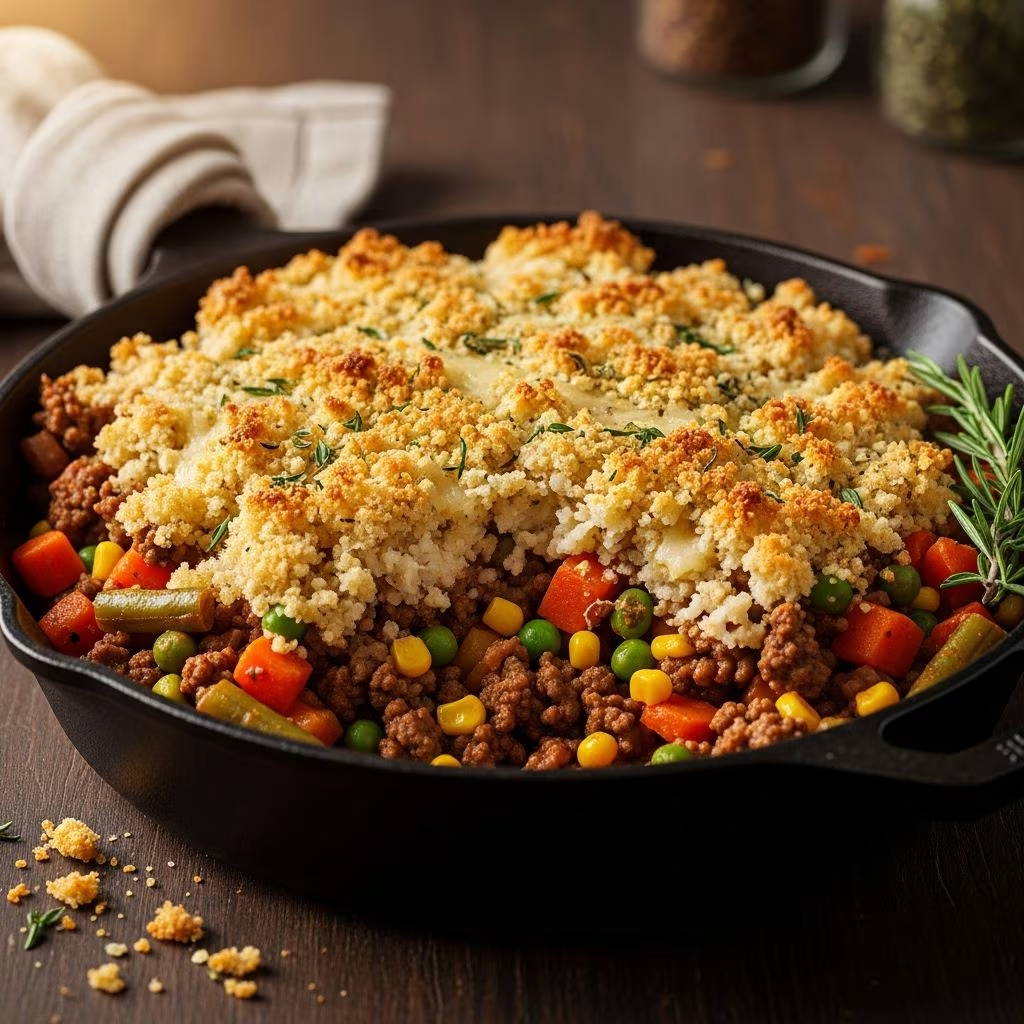
What distinguishes a successful skillet bake from ordinary casseroles is the careful consideration of texture contrast. The interplay between the soft, flavorful base layer and the crispy, golden exterior layer creates a dining experience that engages multiple sensory elements. This textural harmony represents one of the key reasons this cooking method has endured across different cultures and culinary traditions.
Why Ground Beef Works Exceptionally Well
Ground beef serves as an ideal protein foundation for skillet-based dishes for several practical and culinary reasons. Its relatively quick cooking time means the overall dish preparation remains efficient, while its flavor profile accommodates both bold seasonings and subtle enhancements. The fat content in ground beef—typically ranging from 80/20 to 85/15 lean-to-fat ratios—provides natural moisture and richness that prevents the finished dish from becoming dry or one-dimensional.
The structural properties of ground beef also make it exceptional for layered dishes. Unlike whole cuts that require specific cooking temperatures and resting periods, ground beef blends seamlessly with other ingredients, creating a cohesive, flavorful base that supports the additional components of the recipe.
Essential Ingredients and Their Roles
The Protein Component
Ground beef forms the backbone of this dish, typically requiring between one and a half to two pounds depending on your portion size requirements. When selecting ground beef for this recipe, consider the fat content carefully. While leaner varieties reduce grease, they also diminish the natural moisture that keeps the finished dish tender and flavorful. A middle-ground approach—using 85/15 ground beef—offers an optimal balance between flavor retention and excess grease management.
Vegetable Selections and Combinations
The vegetable component adds nutritional depth, textural interest, and natural sweetness to balance the savory beef. Common selections include diced onions for aromatic foundation, bell peppers for color and subtle sweetness, and diced tomatoes for acidic brightness. Some preparations incorporate corn for textural contrast or peas for delicate flavor additions. The specific vegetables you select should reflect both your personal preferences and what you have readily available in your kitchen.
Vegetables should be prepped into similarly sized pieces—roughly quarter-inch to half-inch dice—to ensure even cooking throughout the casserole. This attention to uniformity prevents some vegetables from becoming mushy while others remain crunchy.
Seasoning and Flavor-Building Elements
Seasoning represents perhaps the most crucial yet often overlooked component of successful casserole preparation. Beyond basic salt and pepper, incorporate elements such as garlic powder, onion powder, paprika, and cumin to build layered complexity. Fresh or dried herbs like oregano, thyme, or parsley contribute aromatic sophistication. Some cooks prefer adding a teaspoon of Worcestershire sauce or a splash of hot sauce for depth.
The key principle underlying successful seasoning is balance—avoiding both underseasoned blandness and overwhelming saltiness. Taste your beef mixture after initial cooking and adjust seasonings accordingly before adding it to the baking dish.
The Crucial Topping Component
The topping transforms this dish from simple to special. The crispy, golden exterior layer provides both textural contrast and visual appeal. Traditional options include shredded potatoes—either pre-cooked or partially softened through brief boiling—or commercial frozen crispy potato products. Alternative toppings might include crushed crackers, breadcrumb mixtures, or even a combination of shredded cheese and breadcrumbs for enhanced flavor complexity.
The topping should be distributed evenly across the casserole surface to ensure consistent crisping during baking. A light coating of cooking spray or melted butter on the topping promotes even browning and prevents sticking.
Preparation Methodology and Technique
Initial Beef Preparation and Browning
Begin by heating a large skillet over medium-high heat. Once adequately heated, add your ground beef, breaking it into small crumbles as it cooks. This initial browning stage typically requires five to eight minutes. The beef should reach a golden-brown color, with no visible pink remaining. Drain excess grease if substantial amounts have accumulated, leaving just enough to coat the bottom of the pan—this residual fat carries essential flavor compounds.
Once browned, add diced onions and garlic to the beef, allowing them to soften for approximately two minutes. This brief sauté develops the aromatics and creates the flavor foundation for the entire dish.
Vegetable Integration and Simmering
Add your remaining vegetables to the beef mixture, stirring well to distribute them evenly. If using delicate vegetables like peas or corn, add these toward the end of cooking to prevent overcooking. Simmer the entire mixture for five to ten minutes, allowing flavors to meld and vegetables to begin softening slightly.
This stage is where you should taste and adjust seasonings. Add salt, pepper, and other seasonings to achieve your preferred flavor intensity. Remember that flavors can intensify during the baking stage, so avoid over-seasoning at this point.
Casserole Assembly and Preparation
Transfer the beef and vegetable mixture into a prepared baking dish, spreading it into an even layer. Pour any cooking liquid remaining in the skillet over the mixture—this moisture prevents the finished dish from drying during baking. Top the beef mixture with your chosen topping, spreading it evenly across the surface.
Before placing in the oven, ensure the topping is slightly pressed down but not compacted excessively. A gentle, even distribution works best, allowing heat to circulate through the topping and promote even crisping.
Baking Process and Temperature Management
Preheat your oven to 375 degrees Fahrenheit approximately fifteen minutes before you’re ready to bake. This ensures the oven reaches appropriate temperature for consistent cooking results. Place the assembled casserole on the middle oven rack, positioning it away from heating elements that might cause uneven cooking.
Baking duration typically ranges from twenty to thirty minutes, with the exact time depending on your specific oven characteristics and topping choice. The dish is finished when the topping achieves a deep golden-brown color and the mixture bubbles slightly around the edges. For crispy potato toppings, look for edges that appear darker brown—this indicates optimal crispiness.
If you notice the topping browning too quickly while the interior remains warm, loosely tent the casserole with foil during the final minutes of baking. Conversely, if the interior appears adequately heated but the topping remains pale, increase the oven temperature slightly during final minutes or move the casserole to a higher rack position.
Practical Serving and Storage Considerations
Serving Recommendations
Allow the casserole to rest for five to ten minutes after removing from the oven. This resting period allows the internal structure to set slightly, making serving easier and preventing the dish from falling apart on the plate. Serve directly from the baking dish or portion into individual bowls.
Complement this hearty main dish with simple side options such as a crisp green salad dressed with vinaigrette, steamed vegetables like broccoli or green beans, or crusty bread for soaking up flavorful juices.
Leftover Management and Food Safety
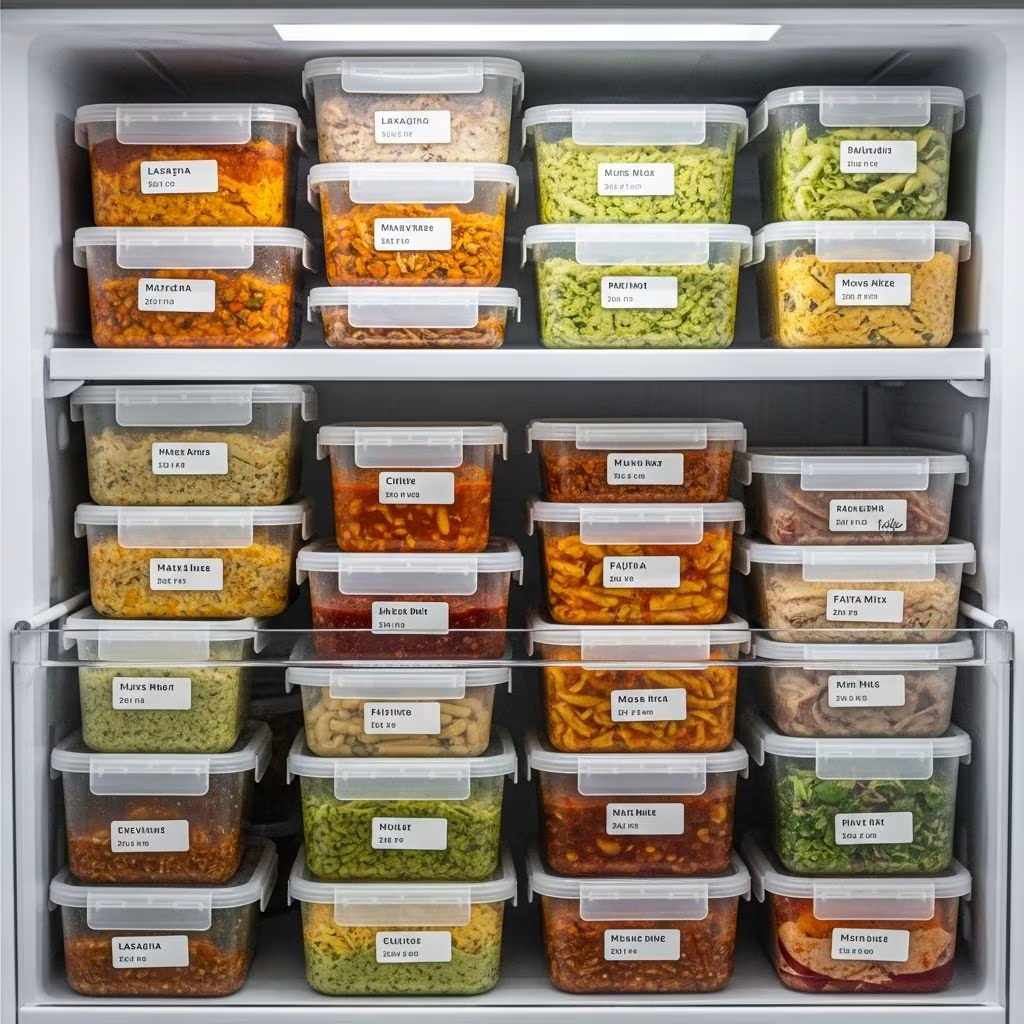
This casserole stores exceptionally well in the refrigerator for up to four days when properly covered. Allow the casserole to cool to room temperature before covering with plastic wrap or transferring to airtight containers. Reheat individual portions in a microwave-safe dish at fifty percent power for two to three minutes, stirring halfway through, or warm larger portions in a 350-degree oven for approximately twenty minutes.
Freezing is also an excellent option for extending the shelf life. Cool completely, wrap tightly with plastic wrap and foil, and freeze for up to three months. Thaw overnight in the refrigerator before reheating through a conventional oven method to restore the topping’s crispiness.
Versatile Variations and Customization Options
Ingredient Substitutions and Modifications
While the classic preparation remains satisfying, numerous variations accommodate different dietary preferences and ingredient availability. Substitute ground beef with ground turkey for a leaner option, though you may need to add slightly more liquid to compensate for reduced fat content. Ground pork or a fifty-fifty beef and pork combination offers different flavor profiles worth exploring.
Vegetable selections remain entirely customizable. Incorporate roasted mushrooms for earthiness, jalapeños for heat, or spinach for nutritional enhancement. Some cooks prefer adding a cream-based soup instead of simple liquid for richer texture and flavor.
Topping Innovations
Move beyond basic potato toppings by experimenting with crushed french fried onions for pronounced crunch, a cheese and breadcrumb combination for enhanced richness, or even a biscuit-based topping for heartier appeal. Panko breadcrumbs mixed with herbs and melted butter create a sophisticated alternative to traditional toppings.
Frequently Asked Questions
- Can I prepare this casserole in advance?
- Yes, you can assemble the casserole up to twenty-four hours before baking. Cover it tightly with plastic wrap and refrigerate. Add approximately five to ten minutes to the baking time when cooking from a chilled state.
- What if my topping burns before the interior heats through?
- Cover the casserole loosely with aluminum foil after the topping achieves your desired color. This prevents further browning while allowing the interior to continue heating.
- Is there a vegetarian variation of this dish?
- Replace ground beef with lentils or crumbled tofu for a substantial vegetarian version. Use vegetable broth instead of beef broth and adjust seasonings to preference.
- How can I reduce the fat content?
- Use extra-lean ground beef and drain any excess grease after browning. Alternatively, substitute ground turkey or incorporate additional vegetables to increase volume without additional fat.
- Can I double this recipe?
- Yes, double all ingredients and use two nine-by-thirteen inch baking dishes. Cooking time remains approximately the same, though you may need to check one dish before the other.
Nutritional Considerations and Balanced Approach
This casserole provides substantial protein from the ground beef, carbohydrates from vegetables and topping, and beneficial micronutrients from the vegetable components. A typical serving contains approximately four hundred to five hundred fifty calories, depending on portion size and specific ingredients used. The dish provides notable amounts of iron, zinc, and B vitamins from the beef, while vegetables contribute dietary fiber and essential nutrients.
To create a more balanced meal plate, combine modest casserole portions with generous vegetable side dishes and whole grain options where possible.
Conclusion
This ground beef and vegetable skillet bake exemplifies practical home cooking that satisfies both appetites and schedules. The combination of straightforward technique, accessible ingredients, and reliable results makes this dish an invaluable addition to any home cook’s repertoire. Whether preparing for a family dinner, planning ahead for busy weeks, or seeking comfort food that nourishes without unnecessary complexity, this casserole delivers consistent satisfaction. By understanding the fundamental principles underlying this preparation method, you gain the confidence to adapt and personalize it according to your preferences, transforming a basic recipe into your own signature family dish.
References
- Food Safety and Quality of Ground Beef — United States Department of Agriculture Food Safety and Inspection Service. 2023. https://www.fsis.usda.gov/
- Guidelines for Safe Food Storage and Handling — Centers for Disease Control and Prevention. 2024. https://www.cdc.gov/foodsafety/
- Nutritional Information and Dietary Guidelines — United States Department of Agriculture MyPlate Program. 2024. https://www.myplate.gov/
- Safe Minimum Internal Temperatures for Meat and Poultry — United States Department of Agriculture Meat and Poultry Hotline. 2023. https://www.fsis.usda.gov/food-safety/safe-food-handling-and-preparation/food-safety-basics/safe-temperature-guide
- Proper Food Storage and Freezing Techniques — Penn State Extension College of Agricultural Sciences. 2024. https://extension.psu.edu/