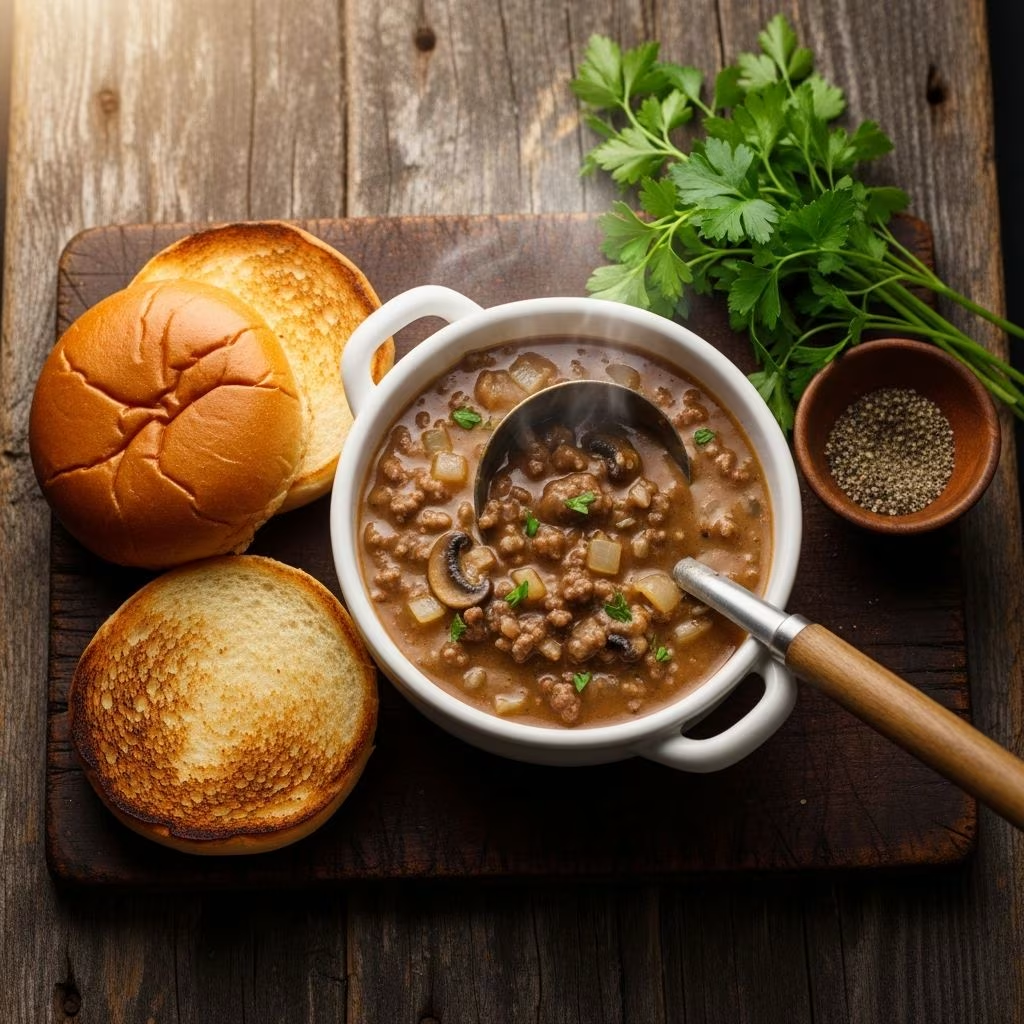
Hamburger gravy represents one of the most accessible and satisfying sauces in comfort food cooking. This savory creation combines ground beef, aromatic vegetables, and a carefully balanced sauce base to produce a versatile topping suitable for countless dishes. Whether you’re seeking to elevate mashed potatoes, rice, egg noodles, or toast, understanding the fundamentals of gravy preparation transforms ordinary meals into memorable dining experiences. This comprehensive guide explores the techniques, ingredient combinations, and creative applications that make hamburger gravy a staple in home kitchens worldwide.
Understanding the Foundation: Core Components of Hamburger Gravy
The architecture of exceptional hamburger gravy rests on three essential elements: quality meat, aromatic flavor builders, and a thickening mechanism suspended in liquid. Each component plays a distinct role in creating the desired texture and taste profile.
The meat selection significantly influences the final result. Ground beef serves as the primary protein, with lean varieties preferred by many cooks to minimize excess grease while maintaining rich flavor. The cooking process for ground beef involves browning the meat thoroughly to develop complex flavors through the Maillard reaction, the chemical process responsible for creating savory, browned surfaces on food.
Aromatics—particularly onions and garlic—form the flavor foundation. These vegetables release natural sugars and compounds when heated, creating depth and complexity that single-note seasonings cannot achieve. The timing of their addition matters considerably; adding them during the initial meat-browning stage allows their flavors to meld seamlessly with the beef.
The thickening component traditionally consists of wheat flour combined with fat, creating what chefs call a roux. This mixture, when cooked briefly before liquid addition, prevents lumping and ensures smooth sauce consistency. The flour particles distribute evenly throughout the liquid, absorbing and thickening as heat denatures their starches.
The Liquid Layer: Choosing Your Gravy Base
The choice of liquid fundamentally changes the gravy’s character. Most traditional recipes employ a combination of beef broth and milk or cream, each contributing distinct qualities.
Beef broth provides savory depth and meaty undertones. Recipes typically call for one to two cups, depending on desired consistency. Beef bouillon cubes offer concentrated flavor and serve as convenient alternatives to fresh broth, dissolving readily into hot liquid.
Milk and cream introduce richness and mellow the gravy’s intensity. Whole milk creates a balanced texture, while heavy cream produces particularly luxurious results. Some recipes employ a combination of milk and half-and-half, splitting the difference between richness and lightness. The dairy component also tempers the saltiness of broth and bouillon, creating a more nuanced flavor profile.
The ratio between broth and dairy varies among recipes. A typical approach uses equal parts of each, though some prefer higher milk ratios for creamier results, while others increase broth for more pronounced beef flavor.
Seasonings and Flavor Enhancements
Beyond the basic components, strategic seasonings elevate hamburger gravy from simple to sophisticated. Salt and ground black pepper remain non-negotiable foundation seasonings, adjusted to taste throughout cooking.
Worcestershire sauce introduces umami and tangy notes that enhance meat flavors considerably. This fermented condiment contains anchovies, making it particularly effective at amplifying savory elements without introducing fishiness.
Garlic powder, onion powder, and dried Italian seasoning provide concentrated flavor when fresh ingredients are unavailable or when additional seasoning layers are desired. Thyme, sage, and paprika offer more adventurous options for those seeking distinctive character.
Ground porcini mushrooms, while unconventional, add remarkable depth through concentrated umami compounds. Soy sauce functions similarly, providing salty, savory complexity with minimal additions.
Step-by-Step Preparation Method
Mastering hamburger gravy requires understanding the precise sequence and timing of each cooking stage.
Stage One: Browning the Meat
Begin by heating a large skillet over medium-high heat, adding approximately one tablespoon of oil to prevent sticking. Add one pound of ground beef, breaking it into small pieces as it cooks. When the meat is nearly cooked through, introduce diced onion and minced garlic, cooking until the onion softens—approximately four minutes. The goal is developing color on the meat surfaces while keeping aromatic vegetables tender but not mushy.
Stage Two: Creating the Roux
Once the meat mixture reaches the correct stage, reduce heat to medium. If substantial fat remains from the meat, proceed directly to flour incorporation. If the pan appears dry, add two to four tablespoons of butter, allowing it to melt completely and distribute evenly.
Sprinkle three tablespoons of all-purpose flour over the meat mixture, stirring constantly for two to three minutes. This cooking period eliminates the raw flour taste while allowing the flour particles to toast slightly, intensifying flavor. The mixture should develop a paste-like consistency.
Stage Three: Liquid Integration
Add Worcestershire sauce and any dry seasonings at this point, stirring to combine. Slowly pour in your liquid base—typically one cup of beef broth combined with one cup of milk—while stirring continuously. Pouring slowly prevents large flour lumps from forming.
Once all liquid is incorporated, increase heat to bring the gravy to a gentle simmer. Stir occasionally as the mixture thickens, which typically requires five to ten minutes. The gravy will gradually lose its cloudy appearance and develop a smooth, cohesive texture.
Stage Four: Achieving Desired Consistency
As the gravy simmers, it will thicken progressively. If you prefer a thinner sauce, add additional broth or milk a quarter-cup at a time. For thicker gravy, extend the cooking time slightly or increase the heat modestly.
The finished gravy should coat the back of a spoon without immediately running off, indicating proper thickness. Final seasoning adjustments with salt and pepper complete the process.
Serving and Pairing Suggestions
The versatility of hamburger gravy extends across numerous starch options and meal formats.
Classic Pairings
- Mashed potatoes remain the quintessential accompaniment, with the gravy providing moisture and enhanced flavor
- Buttered egg noodles absorb the sauce while their texture complements the ground beef pieces
- White rice serves as a neutral canvas, allowing the gravy’s flavors to take center stage
- Toast—both regular and biscuits—transforms simple bread into a complete meal when topped generously
- Baked potatoes accommodate a hearty ladling of gravy, creating satisfying individual servings
Creative Applications
Beyond traditional presentations, hamburger gravy adapts well to contemporary dishes. Serve it over cauliflower rice for lower-carbohydrate alternatives, layer it in pasta bakes, or use it as a filling for savory pies and pot pies.
Troubleshooting Common Challenges
Even experienced cooks encounter occasional issues when preparing hamburger gravy. Understanding solutions prevents frustration.
Lumpy Texture
Lumps typically result from flour clumping before adequate liquid incorporation. If this occurs, strain the gravy through fine mesh into a clean pot, pressing solids through gently. Alternatively, use an immersion blender for immediate smoothing.
Insufficient Thickness
If gravy remains too thin, mix two tablespoons of cornstarch with three tablespoons of cold water, creating a slurry. Stir this mixture into the simmering gravy slowly, allowing each addition to thicken before adding more.
Excessive Saltiness
Over-salting typically occurs from bouillon cubes or broth, combined with added salt. If this happens, increase the liquid proportion using unsalted broth or plain milk to dilute the salt concentration.
Greasiness
Using higher-fat ground beef can result in excessive oil. Skim surface grease with a spoon or paper towel before flour incorporation. Alternatively, strain the cooked meat through a colander, discarding excess fat before returning to the pan.
Storage and Make-Ahead Strategies
Hamburger gravy stores well when properly handled, making it convenient for meal planning.
Refrigerator Storage
Transfer cooled gravy to airtight containers and refrigerate for up to four days. When reheating, warm gently over low heat, stirring frequently and adding small amounts of broth or milk if the gravy has thickened excessively during storage.
Freezing Considerations
Hamburger gravy freezes successfully in freezer-safe containers for up to three months. Thaw overnight in the refrigerator before reheating gently. Some cooks prefer freezing in individual portions using ice cube trays, allowing flexible thawing amounts.
Flavor Variations and Creative Twists
While traditional hamburger gravy provides exceptional comfort food value, variations offer exciting alternatives for experienced cooks.
Mushroom Variation
Sauté sliced mushrooms with onions during the initial browning stage, adding earthiness that complements beef beautifully. Cremini or button mushrooms work well, though wild varieties introduce more complexity.
Cream of Soup Alternative
Some recipes substitute one cup of cream of mushroom soup for half the milk and broth, reducing preparation steps while introducing subtle mushroom flavor without additional ingredients.
Herb-Forward Version
Fresh parsley, thyme, and sage additions elevate the gravy toward more sophisticated territory. Add fresh herbs during the final minutes of cooking to preserve their delicate flavors and bright color.
Spiced Variation
Ground cumin, chili powder, or smoked paprika transform the gravy into something approaching southwestern character, making it memorable for adventurous palates.
Frequently Asked Questions
Can I make hamburger gravy without flour?
Yes, cornstarch provides an effective flour alternative for those with gluten concerns. Mix two to three teaspoons of cornstarch with two tablespoons of water, creating a slurry. Stir this into the simmering gravy after the meat and aromatic cooking stage.
What type of ground beef works best?
Lean ground beef (90% lean or higher) minimizes excess fat while maintaining flavor. This allows sauce-to-meat ratio optimization without greasiness.
How do I prevent flour taste in the finished gravy?
Cooking the flour-butter mixture for two to three minutes before liquid addition eliminates raw flour flavors. This brief cooking period toasts the flour, developing more complex, nutty undertones.
Can I use chicken broth instead of beef?
Chicken broth substitution produces lighter, more delicate results. The finished sauce will taste less intensely savory but remains palatable. Duck or pork broth offer interesting alternatives.
How thick should hamburger gravy be?
Properly textured gravy coats the back of a spoon without immediately running off. The consistency should flow when poured but not appear watery or soup-like.
Conclusion: Mastering This Comfort Food Essential
Hamburger gravy embodies comfort food excellence through its simplicity, versatility, and reliable satisfaction. By understanding the fundamental principles of sauce construction—proper meat browning, controlled roux development, and thoughtful liquid balancing—anyone can create restaurant-quality results in a home kitchen. Whether adhering to traditional preparations or exploring creative variations, mastering this classic sauce opens possibilities for countless memorable meals. The investment of twenty to thirty minutes yields dividends in flavor, nourishment, and the simple joy that homemade comfort food provides.
References
- Spend With Pennies – Hamburger Gravy Recipe — Spend With Pennies. https://www.spendwithpennies.com/hamburger-gravy/
- WonkyWonderful – Easy Hamburger Gravy Recipe — WonkyWonderful. https://wonkywonderful.com/easy-hamburger-gravy-recipe/
- Simply LaKita – Old Fashioned Hamburger Gravy — Simply LaKita. https://www.simplylakita.com/old-fashioned-hamburger-gravy/
- The Cozy Cook – Hamburger Gravy Recipe — The Cozy Cook. https://thecozycook.com/hamburger-gravy/
- Soulfully Made – Easy Creamed Ground Beef Gravy — Soulfully Made. https://www.soulfullymade.com/creamed-hamburger-gravy/
- The Daring Gourmet – Best Hamburger Gravy Recipe — The Daring Gourmet. https://www.daringgourmet.com/hamburger-gravy/