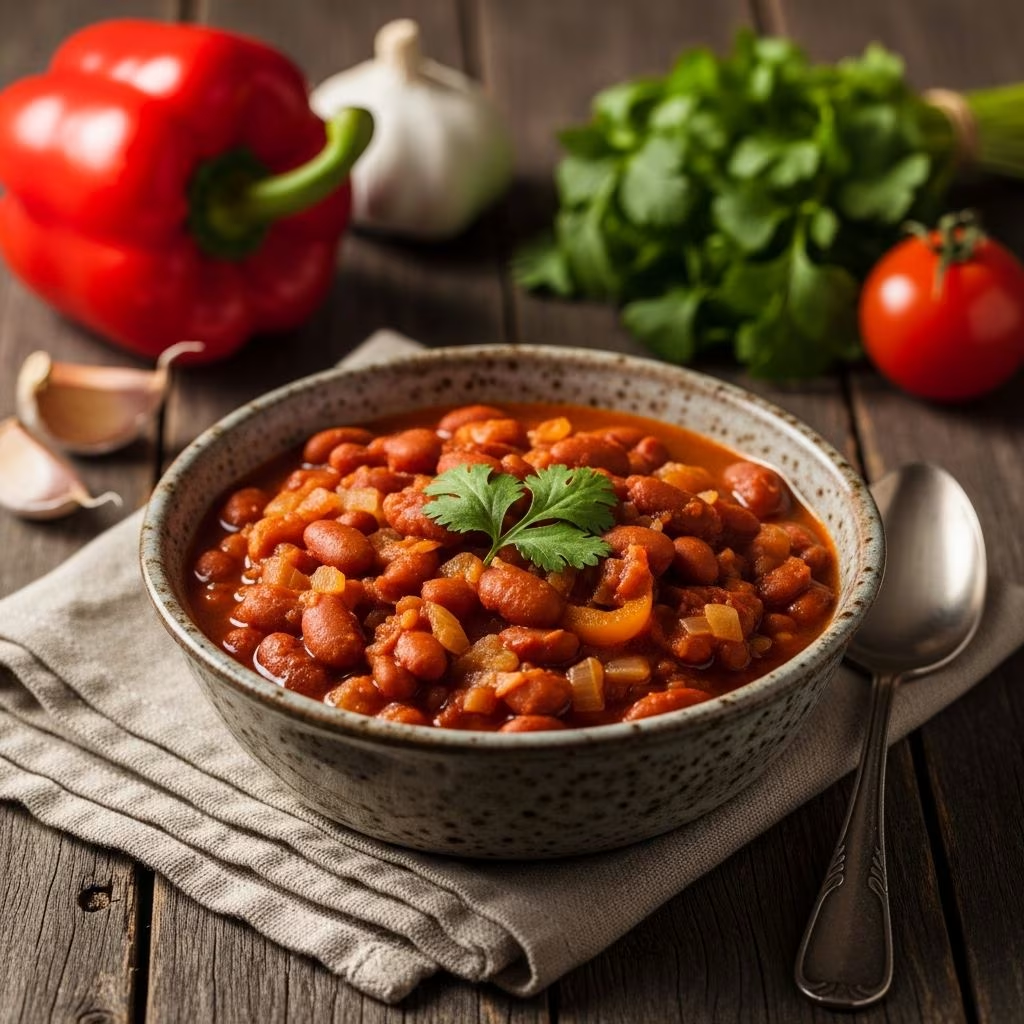
Habichuelas Guisadas, or stewed beans, represent a cornerstone of Puerto Rican culinary tradition, offering a rich, savory stew that warms the soul and satisfies the palate. This dish transforms simple pantry staples like beans, tomatoes, and aromatic herbs into a flavorful masterpiece. Commonly enjoyed alongside steamed rice, it serves as both a comforting side and a standalone meal, embodying the essence of home-cooked Latin American comfort food.
Origins and Cultural Significance in Puerto Rican Kitchens
In Puerto Rico, Habichuelas Guisadas traces its roots to the island’s vibrant culinary heritage, blending indigenous Taíno ingredients with Spanish and African influences. Beans, a staple crop, form the base, stewed slowly to absorb a medley of spices and sofrito—a foundational flavor base made from onions, peppers, garlic, and herbs. This preparation method ensures tender beans in a thick, aromatic sauce, often enhanced with ham or potatoes for heartiness.
Families pass down recipes generationally, with variations reflecting regional availability. Pink beans (habichuelas rosadas) are traditional in Puerto Rico, though red kidney or pinto beans appear in Dominican twists. The dish symbolizes resourcefulness, turning affordable ingredients into nourishing meals that fuel daily life and festive gatherings.[10]
Essential Ingredients for Authentic Flavor
The beauty of Habichuelas Guisadas lies in its straightforward yet potent ingredient list. Core components include canned or cooked beans, sofrito, tomato sauce, and seasoning packets like Sazón, which infuse culantro and achiote for signature color and taste.
- Beans: 2 cans (15 oz each) pink beans, undrained for creamy texture.
- Sofrito: ¼ cup, the aromatic heart of the dish.
- Tomato Sauce: 8 oz, providing tangy depth.
- Proteins/Add-ins: Diced ham or bacon (¼ cup), optional for umami.
- Vegetables: Diced potatoes, pumpkin, or carrots (⅓ cup) for substance.
- Seasonings: Sazón (1½ tsp), cumin (¼ tsp), oregano (½ tsp), bay leaves (2), adobo to taste.
- Other: Olives (8, pimento-stuffed), chicken or vegetable broth (2 cups), olive oil (1 tbsp).
These elements create a symphony of flavors: earthy beans, smoky ham, briny olives, and herbaceous notes.
Step-by-Step Guide to Preparing Habichuelas Guisadas
Preparation is straightforward, taking about 45 minutes total. Use a medium saucepan or Dutch oven for even cooking.
Sauté the Base: Heat 1 tbsp olive oil over medium heat. Add diced ham (if using) and cook 2-3 minutes until caramelized. Stir in sofrito and Sazón, sautéing 2 minutes until fragrant.
Build the Sauce: Add tomato sauce, oregano, cumin, and bay leaves. Cook 1 minute to meld flavors.
Add Beans and Veggies: Pour in undrained beans, broth, diced potatoes/carrots/pumpkin, and olives. Bring to a boil, then simmer covered for 30-40 minutes, stirring occasionally. The stew thickens as beans tenderize and starch releases.
Season and Finish: Taste and adjust with adobo or salt. Garnish with cilantro. Serve creamy, not soupy.
For from-scratch sofrito, blend onions, garlic, peppers, cilantro, and culantro.
Vegetarian and Vegan Adaptations
Habichuelas Guisadas easily adapts to plant-based diets. Omit ham, using vegetable broth and smoked paprika for depth. Avocado or olive oil replaces animal fats. Plant-based versions from sources emphasize sofrito’s power, with jalapeños or extra veggies boosting flavor.
| Traditional | Vegetarian/Vegan Swap |
|---|---|
| Diced ham/bacon | Smoked paprika (1 tsp) or liquid smoke |
| Chicken bouillon/broth | Vegetable broth + extra adobo |
| Butter (if any) | Avocado oil |
These changes maintain authenticity while aligning with modern diets.
Perfect Pairings: Rice and Beyond
Traditionally, Habichuelas Guisadas pairs with white rice, absorbing the stew’s sauce for a complete meal. Yellow rice with achiote complements the colors. Add tostones (fried plantains) or bread for scooping. Proteins like pernil (roast pork) or chicken elevate it to a feast.
- Classic: Over steamed white rice.
- Heartier: With arroz con gandules.
- Quick: In burritos or bowls with avocado.
Pro Tips for Restaurant-Quality Results
Achieve perfection with these techniques:
- Don’t Drain Beans: Liquid thickens the stew naturally.
- Low Simmer: Prevents breaking beans; aim for creamy consistency.
- Fresh Sofrito: Homemade yields brighter flavors than store-bought.
- Rest Time: Flavors deepen after 10 minutes off-heat.
- Storage: Refrigerate up to 4 days; freezes 3 months. Reheat with splash of water.
Nutritional Profile and Health Benefits
This dish packs nutrition: beans provide fiber (15g per serving), protein (10g), and iron. Potatoes add potassium; olives offer healthy fats. A 1-cup serving is ~250 calories, low-fat, gluten-free. Supports heart health via plant compounds; vegan versions maximize benefits.
Regional Variations Across the Caribbean
While Puerto Rican style favors pink beans and ham, Dominican versions use red beans with more carrots. Cuban influences add capers; general Latin adaptations vary broths. Each reflects local tastes but shares sofrito’s core.[10]
Frequently Asked Questions (FAQs)
What type of beans are best for Habichuelas Guisadas?
Pink beans (habichuelas rosadas) are traditional in Puerto Rico, but red kidney or pinto work well.
Can I make this in a slow cooker?
Yes: Sauté first, then cook low 4-6 hours for tender results.
Is Sazón seasoning necessary?
It adds authentic color and flavor, but substitute with cumin, garlic powder, and annatto.
How spicy is it?
Mild by default; add jalapeño for heat.
Freezer-friendly?
Absolutely; portion and thaw overnight before reheating.
Conclusion: A Timeless Recipe Staple
Habichuelas Guisadas endures as a testament to flavorful, simple cooking. Whether weeknight dinner or potluck star, it delivers comfort in every spoonful. Experiment with tweaks to make it yours.
References
- Puerto Rican Rice and Beans – Habichuelas Guisadas — Ethnic Spoon. 2023. https://ethnicspoon.com/puerto-rican-rice-and-beans-habichuelas-guisadas/
- Habichuelas Guisadas (Puerto Rican Stewed Beans) — Delish D’Lites. 2023. https://www.delishdlites.com/type/latin-recipes/habichuelas-guisadas-puerto-rican-stewed-beans-recipe/
- Habichuelas Guisadas — Plant Based RD. 2025-02. https://plantbasedrdblog.com/2025/02/habichuelas-guisadas/
- Habichuelas Guisadas | Puerto Rican Beans — The Noshery. 2023. https://thenoshery.com/habichuelas-guisadas-pink-beans-in-tomato-sauce/
- Habichuelas Guisadas – Stewed Red Beans — Goya Foods. 2023. https://www.goya.com/en/recipes/habichuelas-guisadas/
- Habichuelas Guisadas (Puerto Rican Stewed Beans) — Sense & Edibility. 2023. https://senseandedibility.com/habichuelas-guisadas-stewed-beans/
- Habichuelas Guisadas (Latin-Style Stewed Beans) — Loisa. 2023. https://loisa.com/blogs/comida-real/habichuelas-guisadas