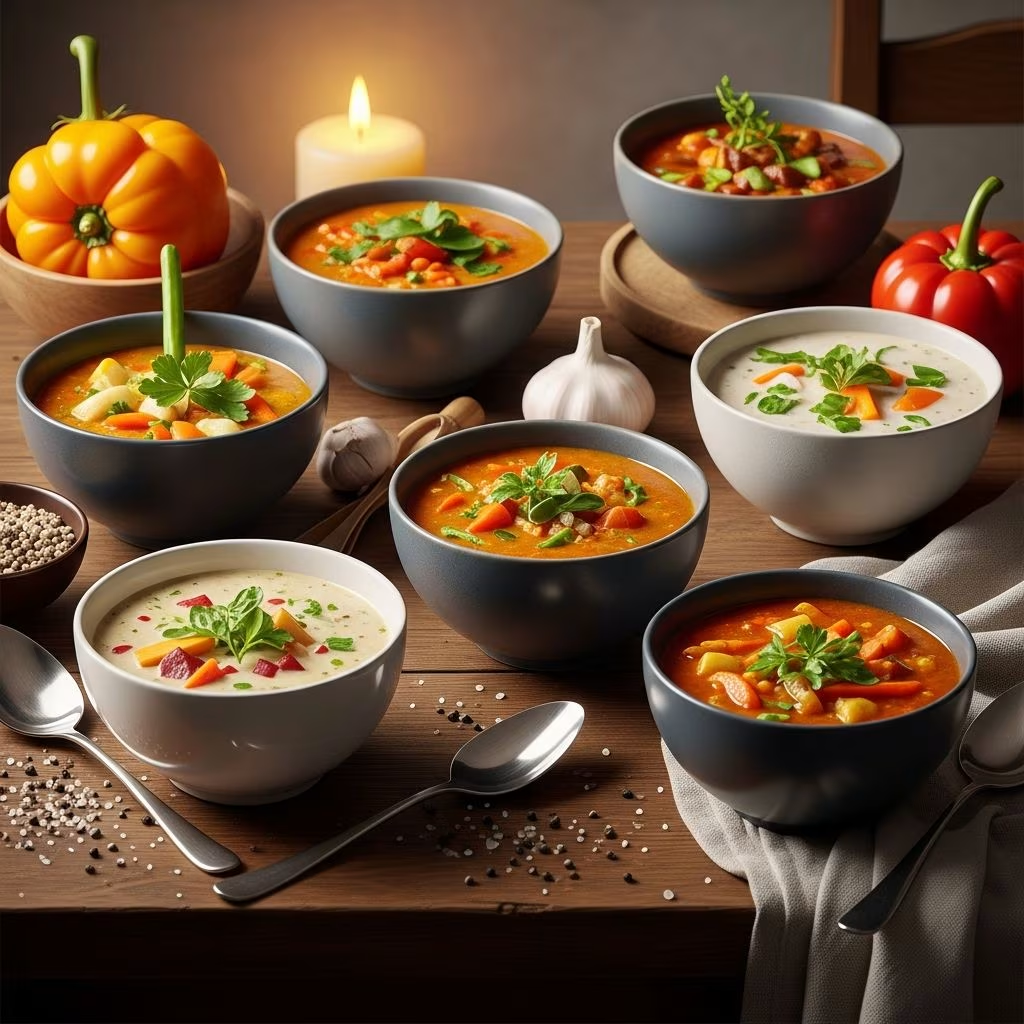
Soup holds a special place in culinary traditions across the world. Whether served as a light starter, a warming main course, or a nourishing light meal, soup brings people together through its comforting nature and versatile preparation methods. The recipes that gain the most traction among home cooks tend to share common qualities: they’re accessible, flavorful, and adaptable to various dietary preferences and ingredient availability. Understanding which soups resonate most with everyday cooks can help you build a reliable collection of recipes that deliver consistent results.
What Makes a Soup Recipe Stand Out
The most-loved soup recipes typically combine several key elements that appeal to home cooks. First, they require ingredients readily found in most pantries or local markets. Second, they don’t demand specialized equipment or advanced culinary techniques, making them accessible to cooks of all skill levels. Third, many of these recipes offer flexibility—allowing substitutions based on what’s available or personal preferences. Finally, the most cherished soups deliver substantial flavor and satisfaction without excessive preparation time.
Home cooks often gravitate toward recipes that fit their lifestyles. For busy families, quick-cooking soups that deliver nutrients and satiation appeal greatly. For those who enjoy leisurely cooking, slow-simmered options that develop deep, complex flavors provide both a process and a result to appreciate. The variety in beloved recipes reflects the diverse needs and preferences within cooking communities.
Classic Broths and Stock-Based Foundations
Many popular soups begin with a quality broth or stock, which serves as the flavor foundation. Chicken broth soups remain among the most-saved recipes across cooking platforms. These variations typically incorporate tender vegetables like carrots, celery, and onions, along with proteins that range from shredded chicken to small pasta shapes. The appeal lies in their versatility—the same basic broth can become dozens of distinct meals through ingredient variations.
Beef-based soups similarly attract devoted followers. These recipes often feature heartier vegetables and allow for longer cooking times that develop rich, savory profiles. Vegetable broths have gained significant popularity, particularly among those seeking plant-based options or lighter preparations. Clear broths emphasize ingredient quality and cooking technique, requiring patience but rewarding with exceptional depth of flavor.
Hearty Legume-Based Options
Bean and legume soups consistently rank among the most-saved recipes for good reason. These preparations offer several practical advantages: dried beans and lentils store indefinitely, cost very little, and provide substantial nutrition through protein, fiber, and essential minerals. Recipes featuring lentils appeal to cooks seeking quick-cooking soups, as lentils typically don’t require pre-soaking and cook within 30 minutes.
Black bean soups, split pea soups, and chickpea-based preparations inspire passionate followers. Many cooks appreciate these options because they transform simple, humble ingredients into deeply satisfying meals. The texture options range from chunky preparations to smooth purées, allowing cooks to choose based on preference and occasion. Additionally, legume-based soups often improve when made in advance, as flavors deepen during refrigeration and reheating.
Creamy Preparations and Bisque-Style Soups
While broth-based soups dominate by quantity, creamy soups attract passionate admirers. Popular cream-based recipes often feature vegetables like mushrooms, asparagus, or cauliflower, which become naturally creamier when cooked thoroughly and blended. The richness these soups provide makes them feel indulgent while remaining relatively simple to prepare.
Many home cooks love creamy soups because they offer comfort in a bowl. Whether made with actual cream or through vegetable purées that provide natural thickening, these preparations satisfy cravings for warmth and richness. Bisque-style soups, traditionally made with shellfish, inspire both traditional preparations and creative vegetable-based interpretations that deliver similar satisfaction levels.
Tomato-Based Soups and Variations
Tomato soup ranks among the most universally loved recipes, particularly when paired with grilled cheese sandwiches or served as a pasta sauce base. The simplicity appeals to cooks: tomatoes, aromatics, and basic seasonings transform into a comforting dish. Fresh tomato soups gain popularity during summer months when local tomatoes peak, while canned tomato soups provide year-round reliability.
Spanish, Italian, and Mediterranean traditions have contributed numerous tomato-soup variations to the repertoire of beloved recipes. Gazpacho, the cold Spanish soup, grows increasingly popular as cooks seek lighter summer options. Italian tomato-based preparations often incorporate pasta or bread, creating more substantial meals. The versatility of tomato as a base ingredient means these soups adapt well to different cultural flavor profiles and ingredient additions.
Spiced and International Favorites
Global cuisine has significantly influenced the soups that capture home cooks’ attention. Thai-inspired coconut soups with galangal, lemongrass, and chilies appeal to those seeking bold, aromatic profiles. Indian-influenced preparations using turmeric, cumin, and coriander create warming dishes with complex flavor development. These international options have moved from specialty cooking into mainstream home kitchens as ingredients have become more accessible and cooks have grown interested in diverse culinary traditions.
Mexican soups featuring chilies, corn, and beans provide comfortable familiarity to those from that tradition while offering exciting discovery for others exploring new flavors. Middle Eastern preparations using spices and herbs create distinct profiles that stand apart from typical Western soup traditions. The increasing popularity of these international variations reflects how home cooking communities continue to evolve and embrace culinary diversity.
Quick-Cooking Soups for Busy Schedules
Recognition of modern time constraints has elevated recipes that deliver results quickly. Many popular soups can be prepared within 20-30 minutes through efficient techniques and ingredient selection. Recipes using pre-cut vegetables, canned ingredients, or quick-cooking proteins appeal to cooks juggling multiple responsibilities.
Ramen-inspired soups, quick vegetable soups, and broth-based preparations with tender greens represent this category. Despite their speed, these recipes don’t sacrifice flavor or nutrition. They prove that comforting, satisfying meals don’t require hours of preparation, which has made them increasingly popular among home cooks seeking convenient solutions without compromising quality.
Slow-Cooker and Make-Ahead Favorites
Conversely, many beloved soup recipes benefit from extended cooking times. Slow-cooker soups allow home cooks to prepare ingredients in the morning, set the timer, and return to a finished meal. This approach suits busy lifestyles while developing flavors that quick-cooking methods cannot achieve.
Make-ahead recipes that improve over several days of refrigeration also appeal strongly to home cooks. Minestrone, minestrone-style preparations, and hearty stews often taste better on the second or third day as flavors meld and develop. This characteristic makes them perfect for batch cooking, meal planning, and convenient weeknight dinners. The ability to prepare soups ahead while maintaining or improving quality represents a significant practical advantage that many home cooks value highly.
Key Ingredients in Popular Soups
Examining most-loved soup recipes reveals common ingredient patterns. Quality aromatics—onions, garlic, and celery—form the flavor foundation for countless preparations. Fresh or dried herbs including thyme, bay leaves, and parsley appear repeatedly. Quality broth, whether homemade or store-bought, significantly impacts final results. Vegetables that soften pleasantly during cooking and maintain good flavor—carrots, potatoes, and spinach—show up consistently.
Proteins vary based on the soup type but commonly include chicken, beef, beans, lentils, and seasonal vegetables. Pantry staples like canned tomatoes, dried pasta, and various spices provide reliable, shelf-stable options. Understanding these common elements helps home cooks build confidence in creating new soup variations by following established flavor patterns and preparation principles.
Seasonal Soup Preferences
Home cooks adjust their soup selections based on seasonal availability and weather patterns. Lighter, broth-based soups with fresh vegetables gain popularity during warmer months, while heartier, cream-based preparations and legume soups appeal more strongly during winter. This seasonal rhythm reflects both ingredient availability and personal comfort preferences—people naturally crave warming foods when temperatures drop and lighter options when heat becomes uncomfortable.
Understanding these seasonal preferences helps cooks plan menus throughout the year while taking advantage of peak ingredient freshness and flavor. Spring soups featuring fresh greens and tender vegetables contrast beautifully with autumn preparations showcasing root vegetables and hearty legumes.
Adaptability and Substitution Strategies
The most-loved recipes tend to be those that tolerate substitutions well. A chicken soup recipe might work equally well with turkey, and vegetable soups welcome different combinations based on preference or availability. This flexibility explains why certain recipes maintain popularity across diverse cooking communities—the same basic recipe serves many different households with varying preferences and ingredient access.
Home cooks appreciate recipes that provide guidance on substitutions without requiring complete reformulation. Clear instructions on how to adapt recipes for dietary restrictions, ingredient preferences, or what’s available in local markets significantly increase their perceived value and long-term utility.
Nutritional Considerations
Modern home cooks increasingly consider nutritional content when selecting recipes. Soups that provide substantial protein, fiber, and vitamins while remaining relatively low in calories or saturated fat appeal to health-conscious cooks. Legume-based soups satisfy these criteria naturally, while vegetable-heavy broths offer nutritious, light options. Even creamy soups can provide nutrition when made thoughtfully with quality ingredients.
The perception of soup as inherently healthy food—a way to consume abundant vegetables and quality proteins in one dish—drives many recipe selections. Soups that deliver visible nutritional benefits alongside satisfying flavors gain strong followings among cooks prioritizing wellness.
Family Appeal and Crowd-Pleasing Factor
Recipes that appeal to multiple generations and diverse palates tend to become the most popular. Mild seasonings that children enjoy while still satisfying adult taste preferences, mild heat levels that don’t overwhelm, and familiar ingredient combinations that don’t intimidate create broadly appealing options. Many beloved recipes achieve this balance through thoughtful ingredient selection and preparation techniques that don’t overwhelm delicate palates.
Soups that work for both casual family dinners and more formal entertaining occasions gain extra appreciation from home cooks seeking versatile recipes. The ability to serve the same soup in different contexts—casual weeknight, lunch preparation, guest entertaining—maximizes a recipe’s perceived value and frequency of use.
Tips for Maximizing Soup Recipe Success
- Start with quality ingredients, particularly aromatics and broth, as they significantly impact final flavor
- Don’t rush the initial cooking stage when building flavor foundations through sautéing aromatics
- Taste and adjust seasonings gradually throughout cooking rather than relying solely on final adjustments
- Allow adequate cooking time for vegetables to become tender and flavors to develop properly
- Consider texture preferences when deciding whether to blend partially, fully, or leave chunky
- Store soups properly in airtight containers and reheat gently to preserve flavor and texture
- Prepare soups in advance when possible, as flavors often improve after refrigeration
- Keep quality broth available to use as a flavor-building foundation for numerous soup varieties
Building Your Soup Repertoire
Creating a personal collection of go-to soup recipes provides comfort and confidence in the kitchen. By understanding what makes recipes popular—accessibility, flexibility, flavor development, and emotional satisfaction—home cooks can identify which recipes will likely become permanent fixtures in their cooking rotation.
Starting with classic, universally loved recipes builds foundational skills and confidence. As comfort grows, exploring international variations and creative adaptations expands the repertoire. The journey from beginner to experienced soup cook happens naturally through repeated preparation and thoughtful experimentation with recipes that resonate personally.
Frequently Asked Questions
Can I freeze most soup recipes?
Most soups freeze well, though cream-based preparations sometimes separate during thawing. Cool soups completely before freezing in airtight containers, leaving some headspace for expansion. Store for up to three months. Thaw in the refrigerator overnight and reheat gently on the stovetop.
How do I make soup less salty if I’ve overseasoned?
Add diced potatoes or unseasoned broth to dilute salt concentration. Potatoes absorb salt as they cook, helping balance the seasoning. Alternatively, add acidic elements like lemon juice or vinegar to mask saltiness while improving overall flavor complexity.
What’s the best way to reheat stored soup?
Heat slowly on the stovetop over medium heat, stirring occasionally and adding broth if thickness seems excessive. Avoid high heat, which can scorch bottom layers and damage delicate ingredients. Microwaving works for small portions in short intervals.
Should I add pasta or rice to soup before or after storing?
Add pasta or rice just before serving. Storing these ingredients in soup causes them to absorb liquid and become mushy. Cook them separately if preparing soups for storage, then add to individual portions during reheating.
How can I make vegetable soup more filling?
Add legumes like beans or lentils for protein and fiber. Include grains such as barley or farro, or add pasta. Use hearty vegetables like potatoes that provide substance. Finish with quality bread, cheese, or protein sources for additional satisfaction.
References
- Culinary Fundamentals: The Science of Soup Making — The Culinary Institute of America. 2024. https://www.ciachef.edu/
- Nutritional Content in Traditional Soup Preparations — United States Department of Agriculture. 2024. https://www.usda.gov/
- Global Soup Traditions and Cultural Cooking Practices — Food and Agriculture Organization of the United Nations. 2024. https://www.fao.org/
- Food Safety Guidelines for Soup Preparation and Storage — Centers for Disease Control and Prevention. 2024. https://www.cdc.gov/
- Ingredient Selection and Flavor Development in Home Cooking — America’s Test Kitchen. 2024. https://www.americastestkitchen.com/