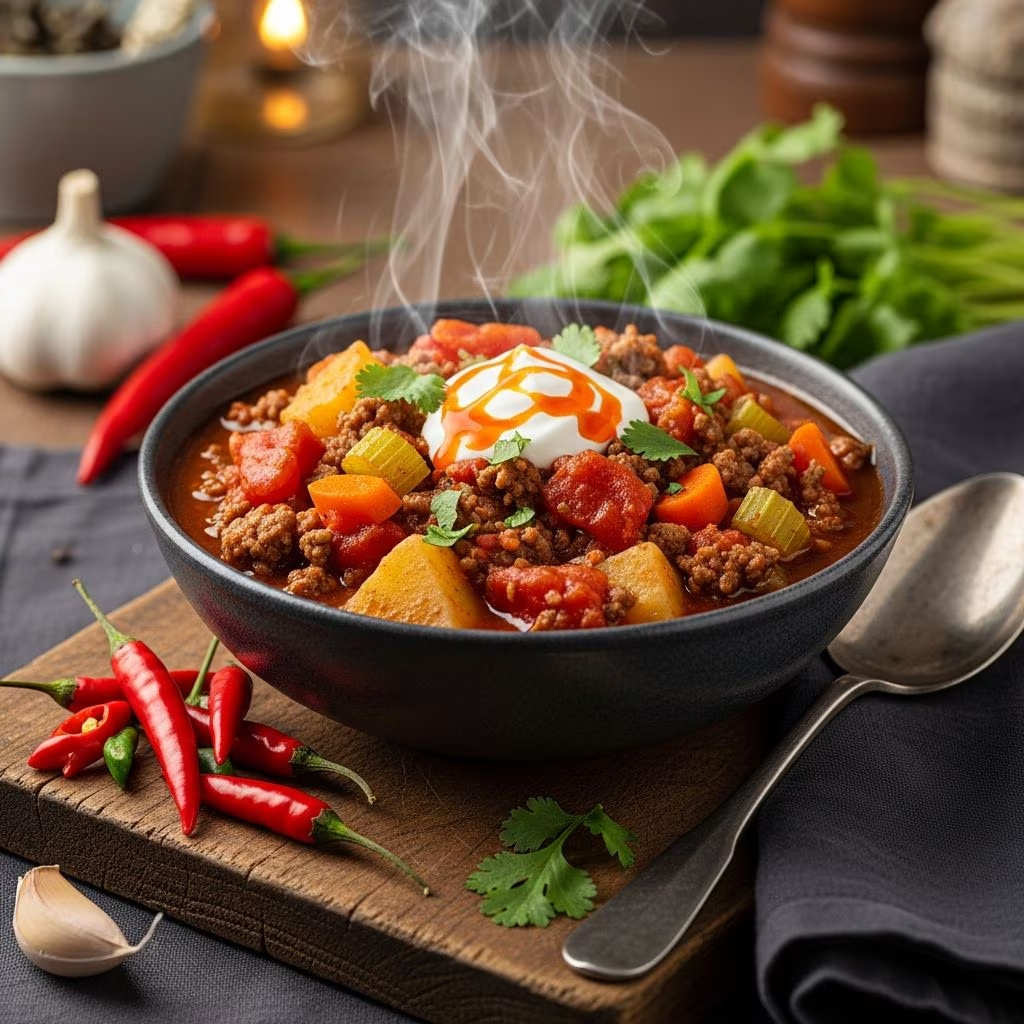
Ground beef stews offer a remarkable combination of practicality and satisfaction that appeals to home cooks seeking quick, nourishing meals. Unlike traditional beef stews requiring prolonged simmering of tough cuts, ground beef varieties deliver tender results in a fraction of the time while maintaining rich, complex flavors. The magic lies in building depth through complementary ingredients and strategic seasoning rather than lengthy cooking processes.
Understanding the Foundation of Ground Beef Stew
The appeal of ground beef stew extends beyond mere convenience. This dish represents an economical approach to home cooking without sacrificing taste or nutritional value. The versatility inherent in this preparation method allows cooks to adapt recipes based on available ingredients, personal preferences, and dietary requirements. Whether preparing meals for a family gathering or a simple weeknight dinner, ground beef stew adapts seamlessly to various contexts.
Ground beef provides several advantages over conventional stew meat. The texture naturally incorporates into the cooking liquid, creating a more cohesive broth. Additionally, the increased surface area accelerates cooking, allowing heat to penetrate thoroughly within minutes rather than hours. This efficiency makes ground beef stew particularly attractive for busy households.
Essential Ingredients for Maximum Flavor Development
The Protein Base
Selecting appropriate ground beef quality significantly impacts the final dish. Lean varieties ranging from 85 to 93 percent lean provide optimal results. The residual fat content maintains succulence while preventing excessive grease accumulation in the finished stew. Lower-fat options may produce a drier texture, whereas higher-fat content creates an unpleasantly greasy broth that detracts from overall enjoyment.
Aromatic Components
Onions and garlic form the aromatic foundation that develops flavor complexity. These ingredients should never be replaced with powdered alternatives or jarred preparations, as fresh versions contribute irreplaceable depth. Sautéing these aromatics before introducing other ingredients allows their natural sugars to caramelize, intensifying their contribution to the finished dish through the Maillard reaction.
Vegetable Selection
Root vegetables provide structural integrity and natural sweetness that balances spice elements. Potatoes deserve particular attention—Yukon Gold varieties maintain shape throughout cooking while releasing starch that naturally thickens the broth without requiring flour or thickening agents. Carrots contribute additional sweetness and nutritional value, while their slightly fibrous texture provides pleasant textural contrast.
| Vegetable | Quantity | Preparation | Purpose |
|---|---|---|---|
| Potatoes | 2-4 medium | Cubed or chunked | Structure and natural thickening |
| Carrots | 2-3 large | Sliced or quartered | Sweetness and nutrition |
| Onion | 1 large | Diced | Aromatic base and flavor foundation |
| Garlic | 3-4 cloves | Minced | Depth and savory notes |
Building Heat and Depth Through Spicing
Spice selection distinguishes an ordinary stew from an exceptional one. The integration of multiple spice elements creates complexity rather than one-dimensional heat. Chili powder provides foundational warmth, while cumin adds earthiness that complements beef’s richness. Paprika contributes both color and subtle smokiness without overwhelming other flavors.
For those seeking more adventurous profiles, Sriracha sauce offers consistent heat with slight sweetness. This modern condiment simplifies achieving desired spice levels without requiring multiple ingredients. Some preparations incorporate fresh chili peppers directly, whether Anaheim varieties for mild heat or jalapeños for sharper intensity.
Temperature control during spice incorporation prevents burning, which creates bitter, unpleasant flavors that dominate the finished dish. Adding spices during the initial meat-browning phase ensures even distribution and allows flavors to mellow and integrate properly.
Liquid Components and Flavor Development
Beef broth forms the liquid base for most preparations, though water serves adequately when broth remains unavailable. Tomato-based elements—whether canned whole tomatoes, tomato paste, or tomato sauce—provide acidity that brightens flavors and prevents the stew from tasting flat or one-dimensional. The acidic component balances the inherent richness of beef and helps preserve nutrients during extended cooking.
Complementary ingredients like Worcestershire sauce contribute umami depth without adding significant volume. Ketchup introduces subtle sweetness that rounds harsh spice edges, while maintaining balance throughout the palate. These supporting players work collectively to create a cohesive flavor profile that tastes intentional rather than accidental.
Step-by-Step Preparation Method
Initiating the Cooking Process
Begin by heating your cooking vessel—a Dutch oven or large pot—over medium-high heat. Ground beef should brown thoroughly, breaking apart continuously during the first 8-10 minutes. This browning phase develops crucial flavor compounds through the Maillard reaction, creating the foundation upon which all subsequent flavors build.
Incorporating Aromatics
Once meat loses its pink appearance, drain excessive grease if needed. Add minced garlic, allowing it to cook for approximately two minutes before introducing diced onion. This brief garlic-only phase permits its flavors to release gently without risking burnt aromatics. The onion requires roughly five minutes of cooking until softened and translucent.
Building the Flavor Foundation
Introduce your chosen spice elements at this stage, stirring continuously for one to two minutes. This toasting process awakens dormant flavors within whole or ground spices. Follow immediately with tomato paste if using, cooking it briefly to concentrate its flavors before adding remaining liquid components.
Combining Remaining Ingredients
Add prepared vegetables and liquid all at once, stirring thoroughly to ensure even distribution. Increase heat to medium-high, bringing the mixture to a gentle boil before reducing heat and covering with a lid. This transition marks the shift from active cooking to gentle simmering.
The Simmering Stage
Ground beef stew typically requires 30-45 minutes of simmering, depending on vegetable size and desired tenderness. Regular stirring prevents sticking while allowing you to assess doneness progress. Vegetables should achieve tender consistency without collapsing into mush, maintaining their individual character while contributing to a cohesive whole.
Seasoning Adjustments and Final Refinement
Taste your stew approximately 20 minutes into simmering, before final vegetable tenderness is achieved. This timing permits salt and pepper adjustments without requiring additional cooking. Remember that flavors intensify as the stew continues reducing, so season conservatively initially. A pinch of sugar can counterbalance excessive saltiness or acidity if needed.
Fresh herbs added during the final minutes—cilantro, parsley, or basil depending on your flavor profile—contribute brightness that complements extended simmering. These volatile compounds lose potency with prolonged heat exposure, so timing matters significantly for optimal results.
Customization Options and Variations
Ground beef stew welcomes creative modifications without requiring complete recipe reformulation. Mediterranean-inspired versions incorporate kalamata olives and chickpeas alongside warm spices like cinnamon and coriander. Turkish variations include cumin and oregano with frozen peas for textural contrast.
Regional preferences dictate additional possibilities. Some traditions add corn for subtle sweetness, while others incorporate green chiles for nuanced heat without aggressive spicing. Beans—whether black, kidney, or chickpeas—enhance nutritional density while contributing pleasing texture variation.
Storage and Reheating Guidance
Ground beef stew stores effectively in refrigeration for up to one week, with flavors often improving as ingredients continue melding. This make-ahead quality simplifies meal planning for busy households. Portion the stew into airtight containers, ensuring liquid coverage protects vegetable surfaces from oxidation.
Reheating over moderate stovetop heat preserves texture better than microwave methods, though the latter offers convenience. Add small amounts of broth if the stew thickens excessively during storage, adjusting consistency to your preference.
Nutritional Considerations
Ground beef stew provides balanced nutrition across macronutrient categories. Lean ground beef supplies complete protein with iron and B vitamins essential for energy metabolism. Root vegetables contribute fiber and micronutrients including potassium and vitamin C, while the broth base facilitates nutrient absorption and provides hydration.
Serving Suggestions and Accompaniments
Ground beef stew serves successfully as a standalone meal, though many cooks prefer accompanying it with complementary starches. Rice absorbs flavorful broth beautifully, while crusty bread permits sauce scooping and soaking. Some preparations benefit from toasted naan or polenta, depending on the cultural inspiration driving your recipe variation.
Frequently Asked Questions
Can I prepare this stew in advance?
Yes, ground beef stew benefits from advance preparation. Prepare the complete recipe, cool thoroughly, then refrigerate up to one week. Reheat gently over medium heat, adding broth if needed to achieve desired consistency.
What grinding percentage works best?
Ground beef between 85-93 percent lean provides optimal results. This range maintains adequate fat for succulence while preventing excessive grease accumulation. Avoid ultra-lean options that can produce dry, unpleasant textures.
How do I adjust spice levels?
Increase chili powder or Sriracha gradually, tasting as you proceed. Fresh chili peppers offer easier control than dried spices, allowing you to remove them if heat becomes excessive. Remember that flavors intensify during simmering.
Can I substitute vegetables?
Absolutely. Maintain the potato and carrot base for structural integrity, but experiment with additions like celery, bell peppers, or mushrooms. Ensure all vegetables achieve similar doneness timing through appropriate cutting sizes.
Is flour necessary for thickening?
No. Potatoes naturally release starch during cooking, providing sufficient thickening without flour. This approach simplifies preparation while maintaining traditional stew consistency.
Conclusion: Mastering the Simple Art of Ground Beef Stew
Ground beef stew represents accessible home cooking at its finest—simple ingredients transform into profoundly satisfying meals through proper technique and thoughtful seasoning. The flexibility inherent in this preparation encourages experimentation while maintaining reliable results. Whether following traditional approaches or creating innovative variations, ground beef stew delivers comfort and nourishment to any table.
References
- Moroccan Inspired Ground Beef Stew — My Life In An Apron. Accessed April 2026. https://mylifeinanaprn.com/moroccan-inspired-ground-beef-stew/
- Spicy Ground Beef Stew — RecipeLion.com. Accessed April 2026. https://www.recipelion.com/Beef-Recipes/Spicy-Ground-Beef-Stew
- Ground Beef Stew — AndiAnne. Accessed April 2026. https://andianne.com/ground-beef-stew/
- Ground Beef Stew, Turkish Style — Unicorns in the Kitchen. Accessed April 2026. https://www.unicornsinthekitchen.com/ground-beef-stew-turkish-style/
- Spicy Beef, Tomato and Corn Stew Recipe — An Oregon Cottage. Accessed April 2026. https://anoregoncottage.com/spicy-beef-tomato-and-corn-stew/
- Hamburger Stew (Poor Man’s Stew) — The Slow Roasted Italian. Accessed April 2026. https://www.theslowroasteditalian.com/ground-beef-stew/