Sweet potatoes have become a staple on dinner tables across the country, and for good reason. Rich in nutrients, naturally sweet, and incredibly versatile, these vibrant orange tubers transform beautifully when exposed to the heat of a grill. Whether you’re planning a backyard barbecue or simply looking to elevate your weeknight vegetable side, grilled sweet potatoes offer a delicious solution that requires minimal effort but delivers maximum flavor.
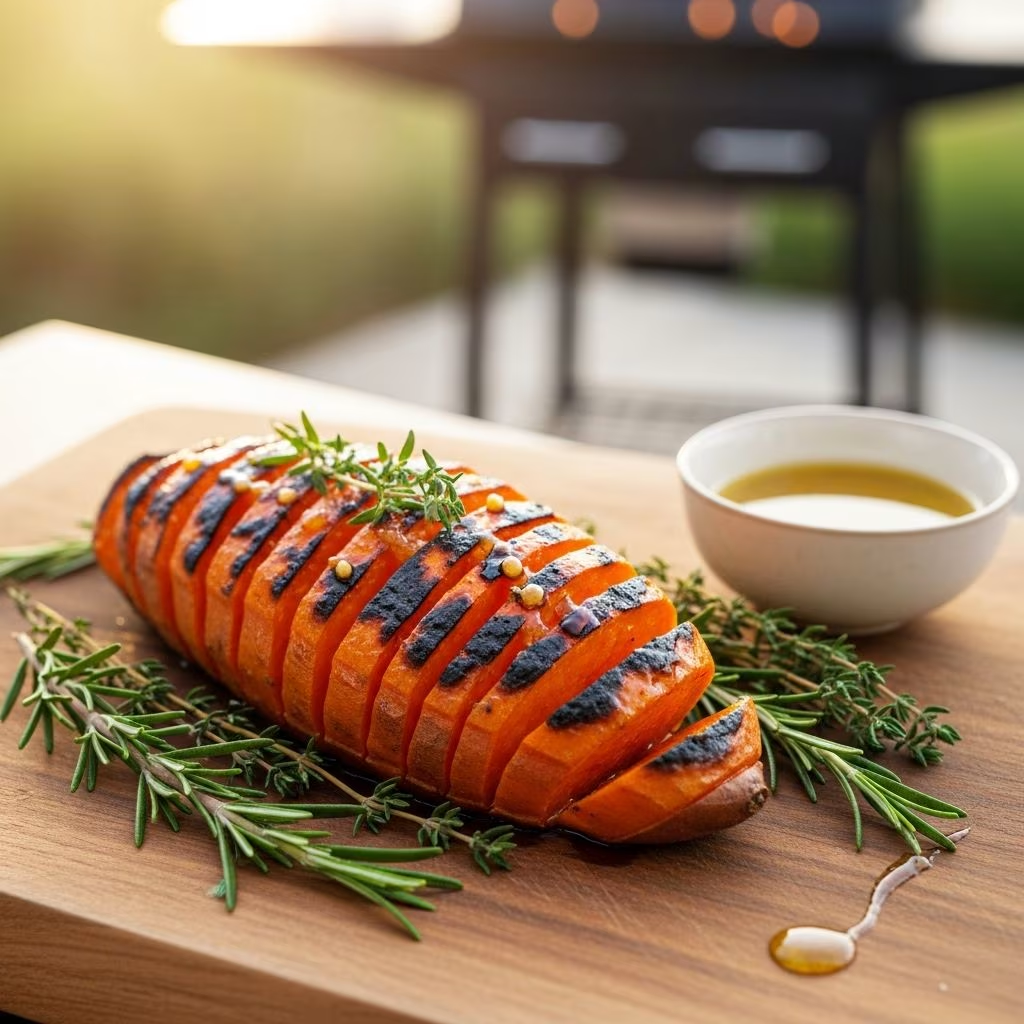
Grilling brings out the natural sugars in sweet potatoes while creating an appealing textured exterior with attractive char marks. Unlike traditional preparation methods, grilling infuses these vegetables with a subtle smoky flavor that complements both meat and plant-based proteins. The process is straightforward enough for beginners yet sophisticated enough to impress dinner guests.
Understanding Your Starting Ingredients
The foundation of any successful grilled sweet potato dish begins with quality ingredients. While the recipe requires surprisingly few components, each one plays an important role in the final result.
Sweet Potatoes: Select medium to large sweet potatoes that feel firm when gently squeezed. Look for specimens without soft spots, bruises, or sprouting. The skin should appear smooth and unblemished. Both orange and purple varieties work wonderfully on the grill, though they may cook at slightly different rates. Scrub them thoroughly under running water using a vegetable brush to remove soil and debris. You may choose to peel them before or after cooking, depending on your preference and the texture you desire.
Oil: This ingredient serves multiple purposes—preventing sticking on the grill, helping seasonings adhere to the potato surface, and promoting even browning. Olive oil and avocado oil both work excellently, offering high smoke points suitable for grilling temperatures. Use approximately three tablespoons per two pounds of potatoes, adjusting based on your preference for crispy versus softer exteriors.
Seasonings: While salt and pepper provide a classic foundation, the seasoning possibilities extend far beyond basics. Consider incorporating smoked paprika for depth, chili powder for subtle heat, cumin for earthiness, garlic powder for aromatic complexity, or fresh herbs like rosemary and thyme for aromatic notes.
Preparation: Setting Yourself Up for Success
Proper preparation determines whether your grilled sweet potatoes emerge perfectly tender with beautiful char marks or unevenly cooked. Taking time with this step ensures consistent results.
The Slicing Technique
Uniformity in thickness is critical for even cooking. Using a sharp knife, slice sweet potatoes into rounds approximately one-quarter inch thick. This thickness allows the interior to cook through completely without the exterior burning. Attempt to maintain consistent sizing throughout—smaller slices cook faster than larger ones, leading to uneven results if not uniform.
Some cooks prefer lengthwise cuts creating longer planks, while others favor crosswise rounds. Both approaches work effectively; choose whichever suits your serving style and preference. If you notice particularly thick portions, carefully slice them thinner to ensure they cook alongside thinner pieces.
Optional Parboiling Method
While not strictly necessary, some recipes recommend briefly parboiling sweet potato slices for three to five minutes before grilling. This technique softens the exterior slightly, potentially reducing overall grilling time. If choosing this method, drain potatoes thoroughly and allow them to cool for several minutes before proceeding to seasoning. This approach proves particularly useful when hosting larger gatherings or when time constraints matter.
Seasoning and Flavor Building Blocks
Creating memorable grilled sweet potatoes extends beyond basic salt and pepper. The seasoning layer transforms ordinary vegetables into anticipated side dishes.
Classic Spice Rub Combinations
A sweet and smoky spice blend complements grilled sweet potatoes beautifully. Combine two tablespoons brown sugar with one teaspoon chili powder, one-half teaspoon smoked paprika, and one teaspoon kosher salt. This mixture creates a caramelized exterior while enhancing the potatoes’ natural sweetness.
For those preferring simpler seasoning, combine ranch seasoning, steak seasoning, or taco seasoning with olive oil to create a paste that adheres well during grilling. Fresh cilantro, parsley, or other herbs may be added either during preparation or after cooking for brightness.
Application Method
Proper seasoning application ensures even flavor distribution. First, toss sliced potatoes in a large bowl with olive oil, coating each piece thoroughly. This step is crucial—adequate oil prevents sticking while promoting browning. Once oiled, add your chosen seasonings and toss again, ensuring each slice receives an even coating. Allow the seasoned potatoes to sit for five to ten minutes, permitting flavors to begin penetrating the surface.
Grill Preparation and Temperature Management
Successful grilling requires proper equipment preparation and temperature control. These foundational steps prevent frustration and ensure optimal results.
Getting Your Grill Ready
Before adding any food to the grill, clean the grates thoroughly using a grill brush. This removes residual debris from previous cooking sessions and prevents unwanted flavors from transferring to your sweet potatoes. Once clean, lightly oil the grates using a brush or oil-soaked paper towel. This additional oil layer provides extra insurance against sticking and promotes better browning.
Temperature Settings
Preheat your grill to medium-high heat, which typically ranges from 375 to 450 degrees Fahrenheit depending on your specific grill. This temperature range allows exterior caramelization while permitting the interior to cook through without burning. Test grill readiness by placing your hand approximately six inches above the grates—you should comfortably hold it there for only three to four seconds before heat forces your hand away.
Every grill possesses unique heat characteristics, so monitoring during the initial minutes helps you adjust positioning if needed. Some grills feature hot and cool zones; utilizing this fact by initially placing potatoes in moderate heat zones, then moving them to hotter areas for finishing, provides excellent results.
The Grilling Process: From Grate to Plate
Actual grilling requires attention but minimal intervention. Understanding what to expect during this phase builds confidence and helps troubleshoot any issues.
Initial Placement and First Side
Carefully place seasoned sweet potato slices directly onto the hot grill grates using tongs. Avoid crowding the grill surface—slices should rest individually rather than overlapping. Crowding creates steam rather than the desirable searing, resulting in steamed rather than grilled vegetables. Resist the urge to immediately move potatoes; allow them to rest undisturbed for approximately five to six minutes.
During this resting period, the exposed side develops appealing brown caramelization and grill marks. You’ll observe visual cues—the edges may begin browning first, and you might detect a subtle aroma change. These signs indicate proper browning is occurring.
Flipping and Final Cooking
Using tongs or a grill spatula, carefully flip each potato slice once attractive browning appears. The second side requires another five to seven minutes, though timing varies based on thickness, grill temperature, and individual grill characteristics. Begin checking for doneness around the five-minute mark by piercing a slice with a fork—it should slide through with minimal resistance, indicating complete tenderness.
Visual cues matter here too—the second side should develop similar browning and grill marks as the first. If some slices finish before others, transfer finished pieces to a serving platter and return undercooked pieces to the grill for additional time.
Flavor Enhancement Through Finishing Touches
The moments after grilling present opportunities to elevate flavor profiles and add brightness to your finished dish.
Citrus Brightness: Freshly squeezed lime or lemon juice applied immediately after grilling cuts through richness and adds vibrant acidity. Use approximately two limes per two pounds of potatoes, adjusting to your preference. The juice penetrates warm potatoes better than when added to cooled vegetables.
Herbal Accents: Fresh cilantro, parsley, or other herbs sprinkled over finished potatoes contribute color, aroma, and flavor complexity. Roughly chop herbs immediately before serving to maximize freshness and prevent browning.
Sauce and Condiment Pairings: Grilled sweet potatoes pair beautifully with various accompaniments. A garlic-tinged yogurt-based dressing provides cooling contrast, while green herb sauces add brightness. Even simple condiments like sour cream, aioli, or flavored butters elevate the experience.
Seasoning Inspiration and Variation Ideas
| Flavor Profile | Key Seasonings | Best Served With |
|---|---|---|
| Southwest Style | Chili powder, cumin, garlic powder | Cilantro lime crema, black bean salad |
| Mediterranean | Oregano, thyme, garlic, rosemary | Feta cheese, olive tapenade |
| Asian-Inspired | Ginger, sesame seeds, soy sauce | Sriracha mayo, scallions |
| Smoky Cajun | Smoked paprika, cayenne, blackening spice | Creole sauce, lime aioli |
| Classic Simple | Kosher salt, black pepper, olive oil | Any protein, fresh herbs |
Common Questions About Grilled Sweet Potatoes
Can I grill sweet potatoes without pre-cooking?
Yes, absolutely. Slicing potatoes thin enough (approximately one-quarter inch) allows them to cook through on the grill without parboiling. Some prefer this method for its simplicity, while others appreciate the convenience of parboiling when preparing large quantities.
What’s the best way to prevent sticking?
Proper grate oiling before adding potatoes represents the most effective prevention method. Additionally, adequate oil coating on the potato slices themselves, combined with adequate preheating, minimizes sticking issues. Avoid moving potatoes too frequently—allow the first side to develop a good sear before flipping.
Can I use different varieties of sweet potatoes?
Both orange and purple sweet potatoes work excellently on the grill. Japanese and Garnet varieties also grill well, though cooking times may vary slightly. Choose varieties that feel firm and appear unblemished regardless of which type you select.
How should I store leftover grilled sweet potatoes?
Refrigerate any leftovers in an airtight container for up to four days. Reheat gently in a low oven or on the grill, being careful not to dry them out. They also work wonderfully in grain bowls, salads, or as components of other meals.
Can grilled sweet potatoes be prepared ahead?
Yes, you can slice and season sweet potatoes several hours in advance, storing them covered in the refrigerator. However, grill them shortly before serving for optimal texture and flavor. If grilling significantly in advance, store finished potatoes in an airtight container and reheat gently.
Serving Suggestions and Meal Integration
Grilled sweet potatoes function beautifully as standalone sides, appetizers, or components of larger dishes. Their versatility makes them suitable for virtually any meal context.
Serve them alongside grilled proteins like chicken, fish, or beef for complete meals. Vegetarians and vegans will appreciate them as main dish components when paired with grains, legumes, or additional roasted vegetables. They work equally well at casual weeknight dinners and upscale entertaining occasions.
These potatoes also serve beautifully in grain bowls, layered with quinoa or farro and topped with additional vegetables, proteins, and dressings. They contribute texture, visual appeal, and nutritional value to composed salads and can be incorporated into wraps or sandwiches for creative lunch options.
Nutritional Considerations
Sweet potatoes provide substantial nutritional benefits, contributing fiber, vitamins A and C, potassium, and manganese to any meal. A typical serving of grilled sweet potatoes (approximately 288 calories) includes 46 grams of carbohydrates, 4 grams of protein, and 7 grams of fiber. The addition of olive oil contributes healthy monounsaturated fats essential for nutrient absorption and overall health.
Leaving the skin intact during grilling maximizes fiber content and nutritional density, though some prefer removing it for textural preferences. Either approach provides substantial nutritional value.
Final Thoughts on Mastering Grilled Sweet Potatoes
Grilled sweet potatoes represent an accessible yet impressive addition to any griller’s repertoire. The process requires minimal technical skill while offering substantial room for creativity and personalization. Whether you prefer straightforward salt and pepper seasoning or elaborate spice combinations, these vegetables accommodate various flavor profiles and cooking approaches.
Start with basic techniques and simple seasonings to understand how your specific grill behaves with this ingredient. Once comfortable, experiment with different spice combinations, serving accompaniments, and integration methods. Each attempt builds confidence and refines your technique, ultimately resulting in consistently delicious grilled sweet potatoes that will become regular features at your outdoor meals.
References
- Grilled Sweet Potatoes with Cilantro Lime — Kitchen Treaty. Accessed April 2026. https://www.kitchentreaty.com/smoky-grilled-sweet-potatoes-with-cilantro-lime/
- Grilled Sweet Potatoes: Easy & Healthy — Two Peas & Their Pod. Accessed April 2026. https://www.twopeasandtheirpod.com/grilled-sweet-potatoes/
- Best Grilled Sweet Potatoes Recipe — This Farmwife. Accessed April 2026. https://thisfarmwife.com/best-grilled-sweet-potatoes/
- Grilled Sweet Potatoes — The Modern Proper. Accessed April 2026. https://themodernproper.com/grilled-sweet-potatoes
- Simply Amazing Grilled Sweet Potatoes — Reboot with Joe. Accessed April 2026. https://www.rebootwithjoe.com/simply-amazing-grilled-sweet-potatoes/