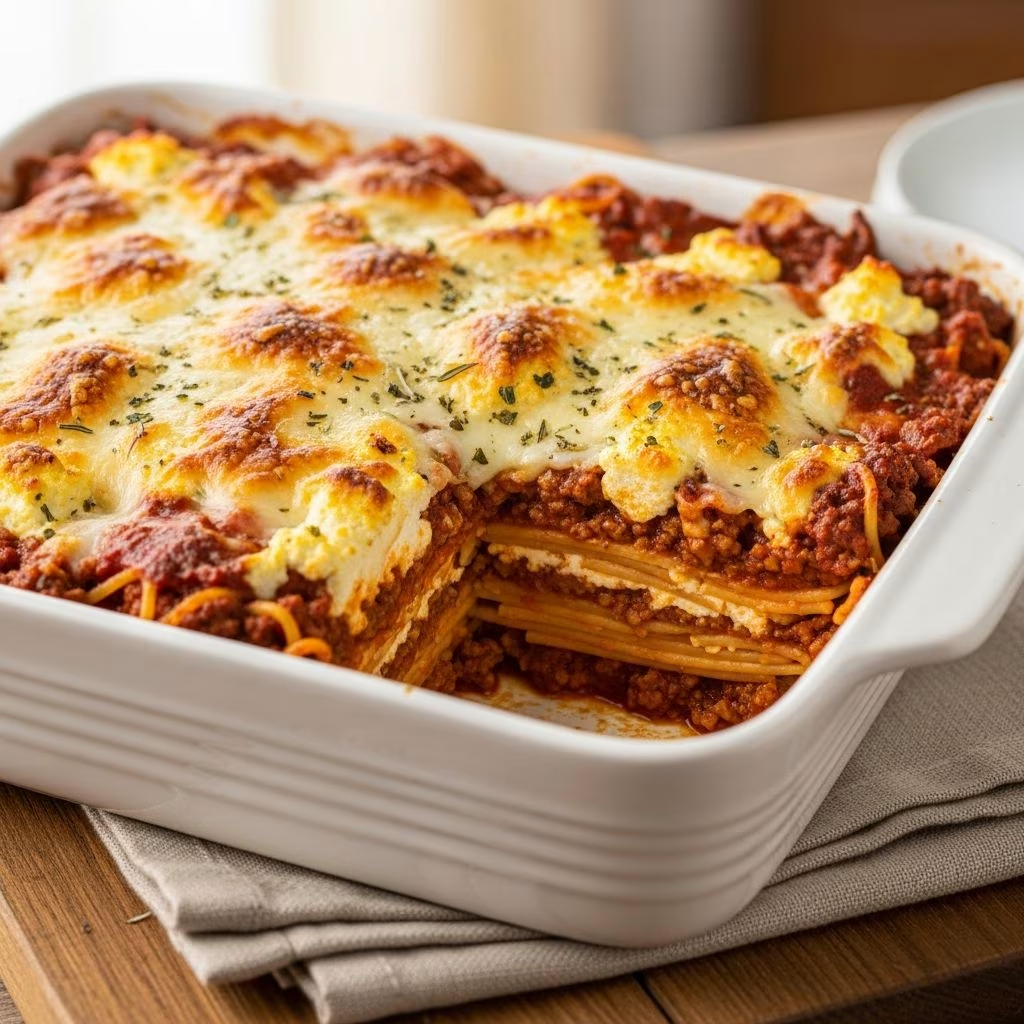
Baked spaghetti represents one of the most versatile and satisfying dishes in the modern home cook’s repertoire. Unlike traditional pasta dishes served on individual plates, this casserole-style preparation transforms simple ingredients into a hearty, communal meal that feeds families and brings people together around the dinner table. The beauty of this dish lies in its ability to combine familiar flavors with a comforting, unified presentation that emerges golden and bubbling from the oven.
This comprehensive guide explores every aspect of creating an exceptional baked spaghetti experience, from ingredient selection through plating and presentation. Whether you’re preparing dinner for a weeknight family gathering or planning ahead for busy schedules, understanding the fundamentals of this beloved dish will elevate your cooking confidence and produce consistently delicious results.
Understanding the Foundation: Core Ingredient Selection
The foundation of any successful baked spaghetti begins with thoughtful ingredient choices. The primary components work together in harmony to create layers of flavor and texture that develop throughout the baking process.
Pasta Selection plays a crucial role in determining the final texture of your casserole. Most recipes call for spaghetti noodles, though linguine or other long pasta varieties work equally well. Cooking pasta to the al dente stage—where it maintains a slight firmness when bitten—ensures that it won’t become mushy after baking. This is particularly important since the pasta will absorb moisture from the sauce and cheese layers during the cooking process.
The Protein Component typically features ground beef or Italian sausage, with some recipes incorporating both for enhanced depth. Ground beef provides a neutral, meaty base that allows other flavors to shine, while Italian sausage brings additional herbs and spices inherent to its curing process. Browning the meat thoroughly and draining excess fat prevents greasiness in the finished dish.
Sauce Considerations form the backbone of moisture and flavor. Quality marinara sauce, whether store-bought or homemade, provides essential acidity and umami that balances the richness of the cheese layers. Some preparations incorporate additional ingredients such as crushed tomatoes, tomato sauce, or red wine to create a more complex sauce base.
Cheese Layering creates the signature appeal of baked spaghetti. Most recipes employ multiple cheese types to achieve optimal flavor and texture: ricotta or cream cheese provides a creamy middle layer, while shredded mozzarella melts into golden perfection on top. Parmesan cheese adds sharpness and aids in browning.
Preparation Techniques That Matter
Proper preparation methodology ensures even cooking and optimal flavor distribution throughout the casserole.
Cooking the Protein and Building Sauce
Begin by heating olive oil or butter in a large skillet over medium-high heat. Add your selected ground meat along with finely diced onions and minced garlic. Cook until the meat browns completely and releases its juices, breaking it apart with a wooden spoon as it cooks. This typically requires 7-10 minutes depending on quantity and heat intensity.
Once the meat reaches an appropriate browning level, add your seasonings—garlic powder, onion powder, Italian seasoning, and red pepper flakes according to taste preferences. Stir these into the meat and allow the flavors to bloom for approximately one minute. Then introduce your marinara sauce and any supplementary sauce components, stirring thoroughly to combine. Bring the mixture to a gentle simmer and maintain this for several minutes, allowing flavors to meld and intensify.
Preparing the Creamy Middle Layer
In a separate bowl, combine your chosen creamy cheese base—whether ricotta, cream cheese, sour cream, or a combination—with softened butter and additional seasonings. Some recipes include eggs in this layer to provide structural integrity and a custardy texture that holds the layers together during serving. Mix these components until smooth and spreadable, ensuring no lumps remain that would create uneven texture distribution.
Pasta Assembly and Baking Preparation
After cooking the spaghetti to al dente texture and draining thoroughly, combine it with melted butter and grated parmesan cheese. This initial coating prevents the pasta from sticking together and adds flavor even before final assembly. Some preparations include beaten eggs in this initial mix, which helps bind everything together and creates a more cohesive casserole structure.
Transfer the butter-coated pasta to a generously buttered or spray-coated 9×13-inch baking dish, spreading it evenly across the bottom. Layer the creamy cheese mixture over the pasta, spreading it uniformly to ensure every bite contains this component. Top with the meat sauce layer, spreading it evenly across the creamy base. Finally, crown the casserole with shredded mozzarella cheese, creating a generous layer that will melt and brown beautifully.
Baking Procedures and Temperature Management
Proper oven temperature and timing are essential for developing the perfect balance between a bubbly filling and a golden, melted cheese topping.
- Preheat your oven to 350°F for traditional baked spaghetti preparation, allowing approximately 15 minutes for the oven to reach this temperature
- Place the assembled casserole in the center oven rack to ensure even heat distribution
- Bake for 40-45 minutes, or until the cheese becomes golden brown and the filling visible at the edges bubbles vigorously
- For additional browning of the cheese topping, broil the casserole for 2-3 minutes immediately after baking, watching carefully to prevent burning
- Remove from the oven and allow the casserole to rest for 5-10 minutes before cutting and serving, permitting the layers to set slightly and make clean portions possible
Customization Options and Variations
The beauty of baked spaghetti lies in its adaptability to personal preferences and ingredient availability.
| Ingredient Category | Traditional Choice | Alternative Options |
|---|---|---|
| Creamy Base Layer | Ricotta cheese | Cream cheese, cottage cheese, or combination with sour cream |
| Protein | Ground beef | Italian sausage, ground turkey, ground lamb, or combination |
| Top Cheese | Mozzarella | Mixed mozzarella and cheddar, provolone, or Italian cheese blend |
| Sauce Base | Marinara | Alfredo-based sauce, vodka sauce, or homemade tomato variations |
| Added Vegetables | Minimal or none | Sautéed mushrooms, bell peppers, zucchini, or spinach |
Vegetarian preparations eliminate the meat entirely, instead incorporating sautéed vegetables, lentils, or plant-based protein alternatives. Those following dietary restrictions can substitute traditional cheeses with dairy-free alternatives that melt similarly, though results may vary depending on product quality.
Make-Ahead Strategies and Storage Solutions
One of the primary advantages of baked spaghetti is its exceptional make-ahead capabilities, making it ideal for busy households and meal planning scenarios.
Refrigeration: Assemble the complete casserole up to 24 hours in advance, covering it tightly with plastic wrap or foil. When ready to bake, add 10-15 minutes to the cooking time since the casserole will begin at refrigerator temperature rather than room temperature.
Freezing: Prepare the casserole fully and freeze for up to three months. Freeze unwrapped for several hours until solid, then wrap securely in plastic and foil to prevent freezer burn. Thaw overnight in the refrigerator before baking, or bake directly from frozen by adding 20-30 minutes to the standard cooking time.
Leftover Storage: Store cooked portions in airtight containers in the refrigerator for up to four days. Reheat gently in a 350°F oven covered with foil until warmed through, approximately 15-20 minutes for individual portions.
Serving Suggestions and Complementary Dishes
While baked spaghetti stands impressively as a standalone dish, thoughtful accompaniments enhance the overall dining experience.
- A crisp green salad with acidic vinaigrette cuts through the richness of the cheese and sauce
- Garlic bread or toasted ciabatta provides textural contrast and additional flavor dimension
- Steamed vegetables such as broccoli or green beans offer nutritional balance
- Fresh herbs including basil or parsley, scattered over the finished casserole, provide visual appeal and bright flavor notes
- A light white wine such as Pinot Grigio or Sauvignon Blanc pairs well with the tomato and cheese components
Common Questions About Baked Spaghetti
Can I use different pasta shapes in this recipe?
Yes, virtually any pasta shape works in baked spaghetti preparations. Penne, rigatoni, and other tube pastas actually offer advantages by catching and holding sauce more effectively. The cooking time may vary slightly depending on shape and thickness, so follow package directions for your chosen pasta.
What temperature should the casserole reach internally?
The casserole should reach an internal temperature of 160°F when measured with an instant-read thermometer. This ensures that any egg components have fully set and all ingredients have heated through completely.
Why is my casserole watery?
Excess moisture typically results from not draining the cooked pasta thoroughly, using too much sauce relative to pasta, or not allowing proper resting time before serving. Ensure you drain pasta completely and consider reducing sauce quantity slightly in future preparations.
Can I prepare this in a slow cooker?
While less ideal than oven baking, slow cooker preparation is possible. Layer ingredients as directed, cover, and cook on LOW for 4-5 hours. The cheese will not brown as attractively, but flavors will meld beautifully.
How do I prevent the edges from drying out?
Cover the casserole loosely with foil for the first 30 minutes of baking, removing it for the final 10-15 minutes to allow cheese browning. This prevents edge desiccation while still developing the desired top texture.
Nutritional Considerations and Serving Sizes
A typical 9×13-inch casserole serves 8-10 people comfortably, with each portion containing approximately 400-500 calories depending on ingredient choices and portion size. The protein content ranges from 25-35 grams per serving when prepared with meat sauce, making this a nutritionally substantial dish suitable as the primary protein component of a meal.
Those seeking lighter preparations can substitute half the mozzarella with part-skim varieties, use ground turkey instead of beef, or incorporate sautéed vegetables that add volume and nutrition without significant caloric increase.
Final Thoughts on Mastering This Comfort Classic
Baked spaghetti represents comfort food at its finest—accessible enough for weeknight preparation yet impressive enough for company dinners. By understanding the essential components, mastering basic techniques, and personalizing the dish to your preferences, you’ll develop a signature recipe that your family requests repeatedly. The versatility, make-ahead capabilities, and consistent results make this dish an invaluable addition to any cook’s collection.
References
- The Ultimate Baked Spaghetti — Plain Chicken. 2024. https://www.plainchicken.com/the-ultimate-baked-spaghetti/
- Easy Baked Spaghetti — Salt & Lavender. 2024. https://www.saltandlavender.com/baked-spaghetti/
- Best Baked Spaghetti Recipe — The Pioneer Woman. 2024. https://www.thepioneerwoman.com/food-cooking/recipes/a61320801/baked-spaghetti-recipe/
- Easy Cheesy Baked Spaghetti Recipe — Grandbaby Cakes. 2024. https://grandbaby-cakes.com/baked-spaghetti-recipe/
- Baked Spaghetti — Prego® Sauces, Campbell Soup Company. 2024. https://www.campbells.com/prego/recipes/baked-spaghetti/