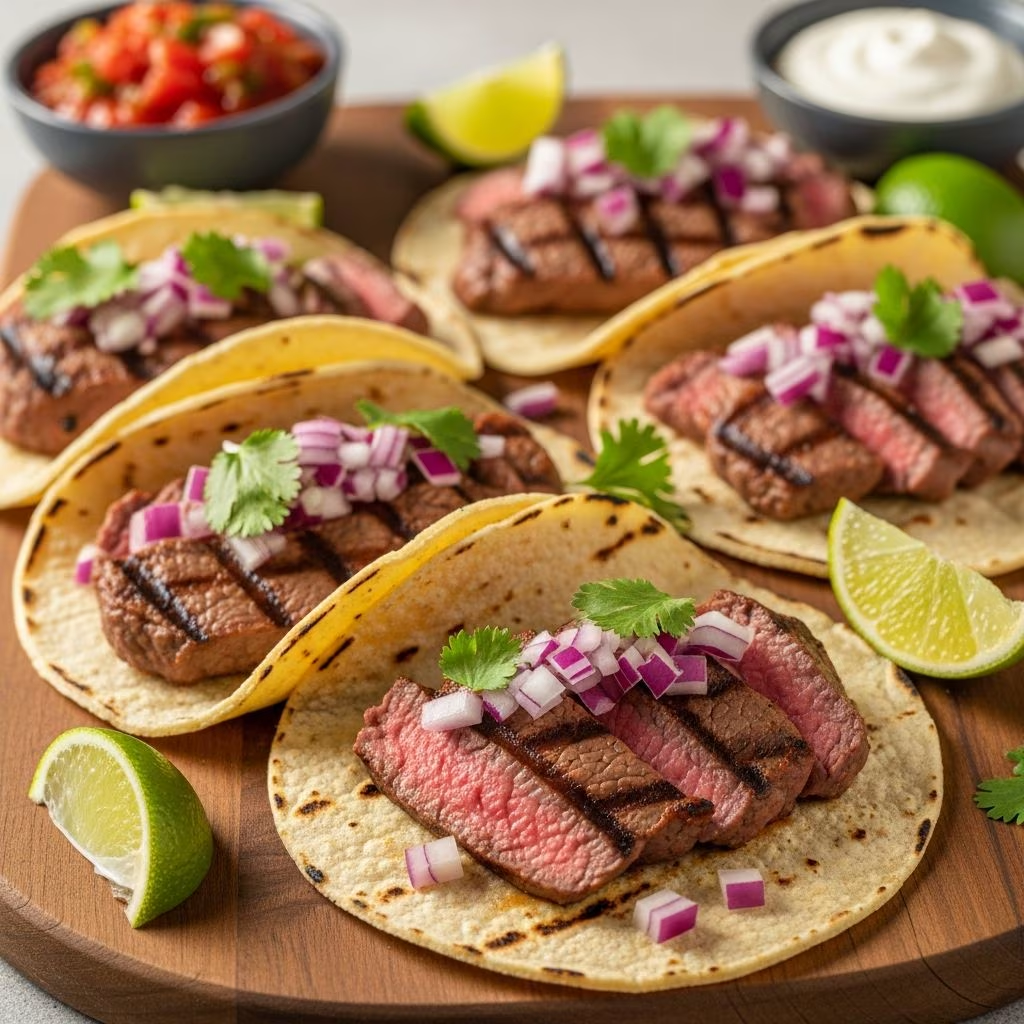
Grilled marinated steak tacos represent one of the most approachable yet impressive dishes you can prepare at home. Whether you’re planning a casual weeknight dinner or entertaining guests, these tacos deliver restaurant-quality flavor with straightforward techniques. The combination of properly marinated meat, perfectly grilled to achieve a charred exterior while maintaining tenderness inside, paired with fresh toppings creates a dining experience that rivals your favorite taco stand.
Understanding the Fundamentals of Steak Selection
The foundation of exceptional grilled steak tacos begins with selecting the right cut of meat. Not all beef cuts perform equally when grilled and served in taco form. Flank steak and skirt steak stand out as the preferred choices for this preparation method. These cuts contain sufficient marbling and connective tissue that transforms into gelatin during marinating and grilling, resulting in tender, juicy meat rather than tough, chewy results.
Flank steak, cut from the abdominal muscles of the cow, offers a lean profile with pronounced beef flavor. Skirt steak, sourced from the diaphragm area, contains more intramuscular fat, contributing to enhanced richness. Both cuts benefit tremendously from marinade penetration due to their grain structure. When purchasing, look for steaks with visible marbling and uniform thickness, typically between three-quarter inch and one inch thick. Request that your butcher remove excess surface fat while preserving the thin layer that protects the meat during grilling and adds flavor.
Crafting Authentic Marinades: Balancing Flavor Components
An effective marinade accomplishes multiple objectives: tenderizing the meat through acid action, infusing flavor, and preparing the surface for optimal browning during grilling. Successful marinades combine three essential elements working in concert.
Acidic Components
The acid component breaks down muscle fibers and connective tissue, making the meat more tender. Citrus juices—particularly lime and orange—provide traditional flavor profiles while accomplishing this chemical transformation. Fresh lime juice brings bright acidity and signature Mexican character, while orange juice contributes subtle sweetness that balances heat and savory elements. Some recipes incorporate white wine vinegar or beer as additional acid sources, each contributing distinctive flavor notes.
Aromatic and Savory Elements
Garlic, cumin, oregano, and chili powder form the aromatic backbone of most marinades. Cumin delivers earthy warmth fundamental to Mexican cooking. Oregano, preferably Mexican oregano, provides herbaceous complexity. Chili powder and variations like ancho chili powder or smoked paprika introduce depth and subtle heat. Fresh cilantro, when included, contributes bright herbal notes that enhance the overall freshness of the finished tacos.
Fat and Oil
Olive oil serves multiple purposes: it carries fat-soluble flavors, protects the meat surface during cooking, and contributes to browning reactions. High-quality extra virgin olive oil adds subtle peppery notes, while neutral olive oil allows other flavors to dominate.
A balanced marinade typically combines one-quarter cup olive oil with juice from two limes, one teaspoon each of garlic powder, ground cumin, and chili powder, salt to taste, and optional additions such as soy sauce for umami depth or chipotle peppers in adobo sauce for smoky complexity. For two pounds of meat, this ratio ensures sufficient liquid to penetrate the muscle fibers throughout the marinating period.
The Marinating Process: Timing and Technique
Marinating duration significantly impacts final results. Minimum marinating time ranges from fifteen minutes for quick preparations to four hours for deeper flavor development. Extended marinating periods, up to eight hours, allow flavors to fully penetrate while acid content tenderizes the meat structure. Beyond eight hours, the acid can begin breaking down the meat excessively, potentially resulting in mushy texture.
Place the steak in a large plastic bag or glass container and pour the marinade completely over the meat. Ensure all surfaces contact the liquid, pressing gently to remove excess air. Refrigerate throughout the marinating period, removing approximately thirty minutes before grilling to allow the meat to reach closer to room temperature, promoting even cooking and better browning.
Grilling Methods and Heat Management
Two primary grilling approaches yield excellent results, each offering distinct advantages. Direct grilling over medium-high heat creates the characteristic charred exterior while maintaining a tender interior. This method works particularly well for skirt or flank steak. Heat your grill to approximately 400-450 degrees Fahrenheit. Pat the marinated meat dry with paper towels—surface moisture inhibits browning. Place the steak directly over the flame or heating element and sear for two to three minutes per side, creating those desirable caramelized edges.
Alternatively, skillet grilling on the stovetop provides excellent control and consistent results, particularly advantageous in various weather conditions. Heat a cast iron or heavy-bottomed skillet over medium-high heat until it achieves optimal temperature. Add a thin coating of oil and carefully place the marinated steak in the pan. Sear for two to three minutes on each side until the exterior develops a rich brown crust while the interior remains pink and tender.
Regardless of cooking method, rest the meat for five minutes after removing from heat. This critical step allows muscle fibers to relax and retain juices, preventing them from flowing out when cutting, which would result in drier meat.
Cutting and Serving the Prepared Meat
After resting, slice the steak against the grain into bite-sized pieces approximately one-quarter inch thick. Cutting against the grain shortens the muscle fibers, significantly improving tenderness and eating experience. If the grain direction isn’t immediately apparent, make a small test slice to determine the direction, then adjust your cutting angle accordingly.
Transfer the cut meat to a serving bowl or directly into warm tortillas. The meat will retain residual heat for several minutes, remaining warm and tender for immediate service.
Selecting and Preparing Tortillas
Tortilla selection fundamentally impacts the eating experience. Corn tortillas provide authentic character and work beautifully with the bold flavors of marinated steak. Their slight corn sweetness complements the savory, charred meat perfectly. Flour tortillas offer a softer, more neutral base if you prefer a different textural experience, though traditional Mexican preparation relies on corn.
Warm tortillas immediately before service using one of several methods. Over an open flame, rotate each tortilla directly over the heat for a few seconds per side until pliable. In a dry skillet, warm for approximately fifteen seconds per side. Alternatively, wrap tortillas in damp paper towels and microwave for thirty seconds to one minute. Warmed tortillas become more pliable, less likely to crack when filled, and develop subtle toasted flavors that enhance the overall dish.
Fresh Topping Combinations and Flavor Layering
While the grilled steak serves as the star, strategic topping choices elevate the complete taco experience. Essential components typically include:
- Finely diced white onion: Provides sharp, pungent bite that contrasts with the meat’s richness
- Fresh cilantro: Bright herbal notes that refresh the palate between bites
- Lime wedges: Squeezed over the assembled taco to add acidity and brightness
- Cheese options: Cotija cheese, crumbled queso fresco, or crumbled feta contribute salty, slightly tangy elements
- Avocado slices: Creamy richness that balances heat and acidity
- Fresh salsa variations: Pico de gallo, red chile salsa, or roasted tomatillo salsa add moisture and additional flavor dimensions
- Optional additions: Creamy cilantro-lime crema, guacamole, or sliced jalapeños for heat
Assembly and Serving Strategies
Assemble tacos immediately before eating to maintain optimal tortilla temperature and prevent sogginess. Layer components strategically: place warm meat as the foundation, add desired cheese and onion, top with cilantro and salsa, finish with avocado, and squeeze fresh lime juice over everything. This layering sequence ensures flavors remain distinct while complementing each other.
Serve tacos with lime wedges, additional salsa, and any other accompaniments on the side, allowing guests to customize their portions. This presentation method maintains freshness and accommodates individual flavor preferences.
Frequently Asked Questions
Can I prepare the marinade in advance?
Yes, prepare the marinade up to two days ahead and refrigerate in an airtight container. When ready to use, pour the cold marinade over the meat and proceed with marinating.
What if I don’t have access to the recommended steak cuts?
While flank and skirt steak deliver optimal results, thin-sliced sirloin tip or even thin-cut chicken breast can substitute successfully. Adjust marinating time accordingly—thinner cuts need less time.
How do I know when the meat is properly cooked?
For medium-rare doneness, aim for internal temperatures of 130-135 degrees Fahrenheit using an instant-read thermometer. Avoid overcooking, which results in tough, dry meat.
Can I make these tacos without a grill?
Absolutely. Stovetop skillet grilling produces comparable results. Cast iron skillets work particularly well, providing even heat distribution and excellent browning.
How far in advance can I marinate the meat?
Marinate for a minimum of fifteen minutes, up to eight hours. Beyond eight hours, the acid begins excessively breaking down the meat structure.
Scaling the Recipe for Different Occasions
The basic formula scales easily for various party sizes. For individual servings, plan approximately one-quarter pound of meat per person. A two-pound steak yields eight substantial tacos. For twelve guests, prepare four pounds of steak. Proportionally increase marinade ingredients while maintaining the flavor balance ratios.
Storage and Leftover Management
Cooked grilled steak keeps refrigerated in an airtight container for three to four days. Reheat gently in a skillet over medium heat, adding a splash of lime juice to restore moisture and brightness. Alternatively, shred leftover meat and use in breakfast scrambles, grain bowls, or nachos.
Beverage Pairing Considerations
The bright, citrusy, and slightly spicy character of grilled steak tacos pairs beautifully with specific beverages. Mexican lager beers complement the flavors naturally, as does sparkling agua fresca. Margaritas, particularly lime-forward versions, enhance the taco experience through flavor harmony. Non-alcoholic options include agua de Jamaica or freshly squeezed lime agua fresca.
Conclusion: Achieving Restaurant-Quality Results at Home
Creating exceptional grilled steak tacos depends on understanding fundamentals: selecting appropriate meat cuts, constructing balanced marinades, executing proper grilling technique, and layering fresh toppings strategically. By mastering these elements, you’ll develop the confidence to prepare impressive tacos that rival professional preparation. The technique becomes second nature through practice, allowing you to focus on the joy of cooking and sharing this beloved dish with family and friends.
References
- The Safe Food Handling Guide — United States Department of Agriculture Food Safety and Inspection Service. 2023. https://www.fsis.usda.gov/food-safety/safe-food-handling-and-preparation
- Beef Cuts and Cooking Methods — Cattlemen’s Beef Board. 2023. https://www.beefitswhatsfordinner.com/cuts-of-beef
- The Science of Marinating and Meat Tenderness — McGee, Harold. On Food and Cooking: The Science and Lore of the Kitchen. Scribner, 2004.
- Grilling and Temperature Control Guidelines — North American Meat Institute. 2024. https://www.meatinstitute.org/
- Traditional Mexican Cuisine Ingredients and Techniques — UNESCO Representative List of the Intangible Heritage of Humanity. 2010. https://ich.unesco.org/en/RL/traditional-mexican-cuisine-00400