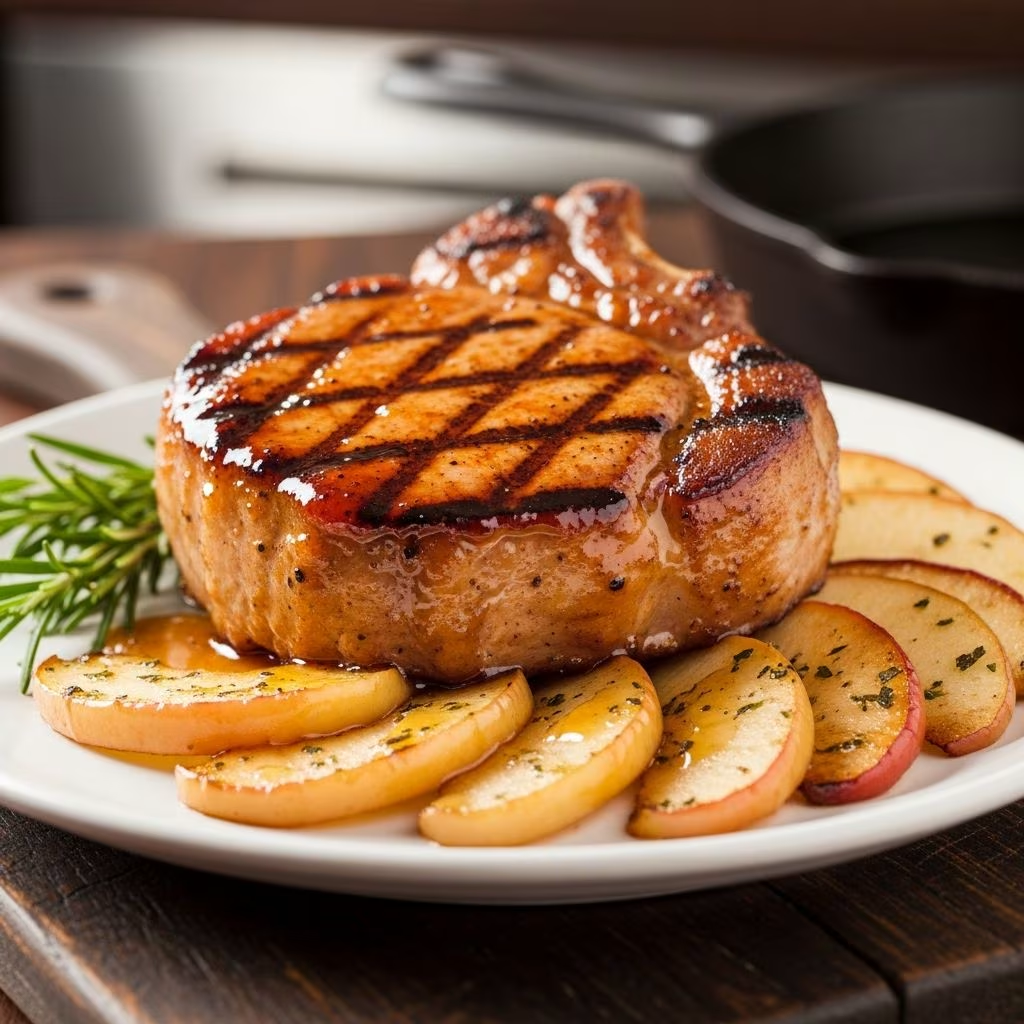
Creating a memorable dinner doesn’t always require hours in the kitchen or complicated techniques. Honey apple pork chops represent a perfect intersection of simplicity and sophistication, combining everyday ingredients into a dish that feels special enough for entertaining yet practical enough for busy weeknights. The natural sweetness of honey and apples creates a glaze that caramelizes beautifully during cooking, while the pork remains tender and juicy when prepared with proper technique.
This approach to preparing pork chops has become increasingly popular among home cooks seeking ways to elevate their cooking without sacrificing convenience. The combination of sweet and savory elements appeals to a broad range of palates, and the versatility of the recipe allows for numerous variations depending on dietary preferences and available ingredients.
Understanding Your Protein: Selecting the Right Pork Chops
The foundation of any excellent pork chop dish begins with understanding the different cuts available and how they perform during cooking. Pork chops come in various styles, each with distinct characteristics that affect both flavor and texture.
Bone-In Versus Boneless Options
Bone-in pork chops contain the rib bone and typically offer superior flavor due to the marrow and connective tissue that enriches the meat during cooking. These chops also tend to stay more moist because the bone conducts heat more evenly and protects the meat from overcooking at the edges. The bone also makes an attractive presentation when served whole.
Boneless pork chops provide convenience and cook slightly faster than their bone-in counterparts. They work well for marinating since the liquid can penetrate the entire chop without obstruction. Boneless varieties require slightly more attention during cooking to prevent drying out, as they lack the insulating effect of bone.
Thickness and Weight Considerations
Pork chops typically range from half an inch to two inches in thickness. Thicker chops (one to one-and-a-half inches) are preferable for the honey apple preparation because they provide enough surface area for browning while allowing the interior to remain tender. Thicker cuts also better withstand the combination of searing and baking or glazing without becoming dry.
The Art of Flavor Development Through Marinating
Marinating pork chops before cooking introduces moisture and flavor deep into the meat fibers. The acid in apple juice or cider vinegar begins to break down proteins, while honey and aromatics penetrate the structure of the meat.
Building an Effective Marinade
A traditional honey apple marinade combines several key components. Apple juice or fresh apple cider provides the fruity base and acidity necessary for tenderizing. Honey adds sweetness and helps create a glossy finish during cooking. Soy sauce or tamari contributes umami depth and saltiness that balances the sweetness. Fresh garlic and optional herbs like sage, thyme, or rosemary add aromatic complexity.
To prepare a basic marinade, combine one and a half cups of apple juice, one-quarter cup of soy sauce, two tablespoons of honey, and minced garlic in a shallow dish. The pork chops should be submerged or at least thoroughly coated, then refrigerated for several hours or overnight. This extended marinating time allows flavors to fully develop and the acid to begin tenderizing the meat.
Timing and Temperature Considerations
While overnight marinating produces excellent results, even two to four hours yields noticeable improvements in flavor and texture. Before cooking, remove pork chops from the refrigerator thirty minutes before starting to cook, allowing them to reach room temperature for more even cooking throughout.
Cooking Methods: From Skillet to Oven
Multiple cooking approaches work well for honey apple pork chops, each offering different advantages and textures.
The Cast Iron Skillet Method
Cast iron skillets provide excellent heat retention and browning capabilities. Begin by heating two tablespoons of olive oil in a heavy skillet over medium-high heat until it shimmers. Pat the marinated pork chops dry with paper towels to promote browning, then season with salt and pepper. Sear the chops for three to four minutes per side until they develop a golden crust. Remove the chops temporarily and add diced apples and chopped onions to the same skillet, cooking for two to three minutes until they begin to soften.
Pour white wine into the skillet, allowing it to simmer for one to two minutes while reducing. Return the pork chops to the skillet and nestle them among the apples and onions. Mix the reserved marinade with additional honey and balsamic vinegar, then pour this sauce over the chops. Add butter and fresh herbs like sage and thyme, then transfer the entire skillet to a preheated 400-degree oven. Bake for ten to fifteen minutes depending on the thickness of your chops, until they reach an internal temperature of 145 degrees Fahrenheit.
Sheet Pan Convenience
For a simpler preparation with easier cleanup, arrange pork chops on a lined baking sheet with cubed sweet potatoes and sliced apples. Whisk together oil, honey, minced thyme, garlic powder, salt, and pepper, then toss all ingredients until evenly coated. Roast at 375 degrees for twenty to twenty-five minutes until the pork reaches the appropriate internal temperature and the vegetables develop caramelized edges.
Grilling for Outdoor Flavor
Grilled pork chops marinated in honey apple liquid develop a beautiful char while remaining tender inside. After marinating, remove chops from the liquid and place them on a grill positioned approximately six inches from medium-hot coals. Grill for ten to fifteen minutes total, turning once and basting with the reserved marinade. Discard any remaining marinade that contacted raw meat to prevent foodborne illness.
Essential Ingredients and Flavorful Variations
| Core Ingredient | Typical Amount | Flavor Role | Possible Substitutes |
|---|---|---|---|
| Apple Juice or Cider | 1-1.5 cups | Sweet base, acidity | Apple cider vinegar diluted with water |
| Honey | 2-3 tablespoons | Sweetness, browning | Maple syrup, brown sugar |
| Soy Sauce | 1/4 cup | Umami, saltiness | Tamari, coconut aminos |
| Garlic | 2-3 cloves minced | Aromatic depth | Garlic powder (1 teaspoon) |
| Fresh Apples | 2-3 medium | Texture, sweet flavor | Pears, dried apricots |
| Onions | 1 medium | Sweetness when caramelized | Shallots, leeks |
Selecting Apples for Optimal Results
Not all apples work equally well in this preparation. Firm, crisp varieties that maintain their structure during cooking are preferable. Honeycrisp apples offer natural sweetness and attractive appearance. Fuji apples provide a balance of sweetness and tartness. Granny Smith apples add subtle acidity that prevents the dish from becoming too sweet. Softer varieties like Red Delicious tend to break down during cooking, creating texture issues.
Incorporating Herbs and Aromatics
Fresh sage pairs beautifully with apple and pork, offering a slightly peppery note. Thyme adds earthiness and complements the honey sweetness. Rosemary brings pine notes that cut through richness. Fresh herbs should be added near the end of cooking to preserve their flavor; dried herbs can be incorporated earlier in the process.
Timing and Temperature: Achieving Perfect Doneness
Pork is safely cooked when it reaches an internal temperature of 145 degrees Fahrenheit, as determined by an instant-read meat thermometer inserted into the thickest part of the chop without touching bone. At this temperature, slight pinkness may remain near the bone, which is normal and safe. This temperature produces meat that is juicy and tender rather than dry.
Cooking time varies significantly based on chop thickness, cooking method, and starting temperature. Thin boneless chops (half inch) may require only eight to ten minutes of cooking time, while thick bone-in chops (one-and-a-half inches) may need twenty to twenty-five minutes. When using an oven method after searing, ten to fifteen minutes at 400 degrees typically yields perfectly cooked chops.
Complementary Side Dishes and Serving Strategies
The richness and sweetness of honey apple pork chops pairs well with various sides. Creamed potatoes or garlic mash provide a neutral canvas for the flavorful pork. Roasted root vegetables like carrots, parsnips, or Brussels sprouts offer textural contrast. Cauliflower rice or regular rice provides a lighter option. Sautéed green vegetables like spinach or green beans balance the richness without competing for attention.
Serving the dish directly from the cast iron skillet creates an impressive presentation suitable for entertaining. The visual appeal of golden pork chops nestled among caramelized apples and onions needs no additional plating. For more formal occasions, arrange components on individual plates and drizzle any pan sauce over the top.
Frequently Asked Questions About This Recipe
Can I make this recipe in a slow cooker?
Yes, slow cooker preparation works well for this dish. Layer sliced apples on the bottom, arrange pork chops on top, then add remaining ingredients. Cook on low for six to eight hours or high for three to four hours. The long, slow cooking ensures tender meat, though you won’t develop the same browning and crust as with skillet or roasting methods.
How far in advance can I marinate the pork chops?
Pork chops can safely marinate in the refrigerator for up to twenty-four hours. Extended marinating beyond this point may cause the texture to become mushy due to the acid content. Two to eight hours typically provides optimal flavor development without textural compromise.
Is this recipe suitable for freezing?
Yes, prepared pork chops can be frozen in their marinade for up to three months. Thaw completely in the refrigerator before cooking. You may notice slightly softer texture due to ice crystal formation, but flavor remains excellent.
What if my pork chops turn out dry?
Dryness usually results from overcooking. Use a meat thermometer to monitor internal temperature, removing from heat at 145 degrees rather than pushing toward 160 degrees. For future attempts, consider using thicker cuts or bone-in chops, which better retain moisture. The sauce and any pan drippings help rehydrate the meat during plating.
Can I use a different type of sweetener instead of honey?
Absolutely. Maple syrup, brown sugar, or white sugar work in honey’s place. Some people prefer the depth of maple syrup in fall preparations. Brown sugar creates a richer, more molasses-forward flavor. Adjust quantities slightly as different sweeteners have varying intensity levels.
Storage and Leftovers
Cooked pork chops with their apple and onion accompaniments keep well in the refrigerator for three to four days in an airtight container. The sauce actually improves flavor as components meld during storage. Reheat gently in a skillet over medium heat with a splash of apple cider or broth to restore moisture. These components also work well sliced and served over rice or salads the following day.
Conclusion: Elevating Your Weeknight Cooking
Honey apple pork chops demonstrate how simple ingredients prepared with attention to technique can create restaurant-quality results at home. The combination of natural sweetness, aromatic additions, and proper cooking methods transforms basic pork into a dish worthy of special occasions or casual family dinners. Whether you choose the cast iron skillet approach, sheet pan convenience, or outdoor grilling, this recipe adapts to your preferences and available equipment. With practice, this preparation becomes an easy addition to your regular cooking rotation, impressing family and guests while requiring minimal time investment.
References
- Food Safety and Inspection Service: Pork from Farm to Table — U.S. Department of Agriculture. 2023. https://www.fsis.usda.gov/food-safety/safe-food-handling-and-preparation/meat
- Meat Cooking Temperature and Safety — Centers for Disease Control and Prevention. 2024. https://www.cdc.gov/foodsafety/communication/steps-healthy-food-handling.html
- The Science of Marinating: Protein Structure and Flavor Development — Journal of Culinary Science & Technology. 2022. https://www.tandfonline.com/doi/full/10.1080/15428052.2022.2000000