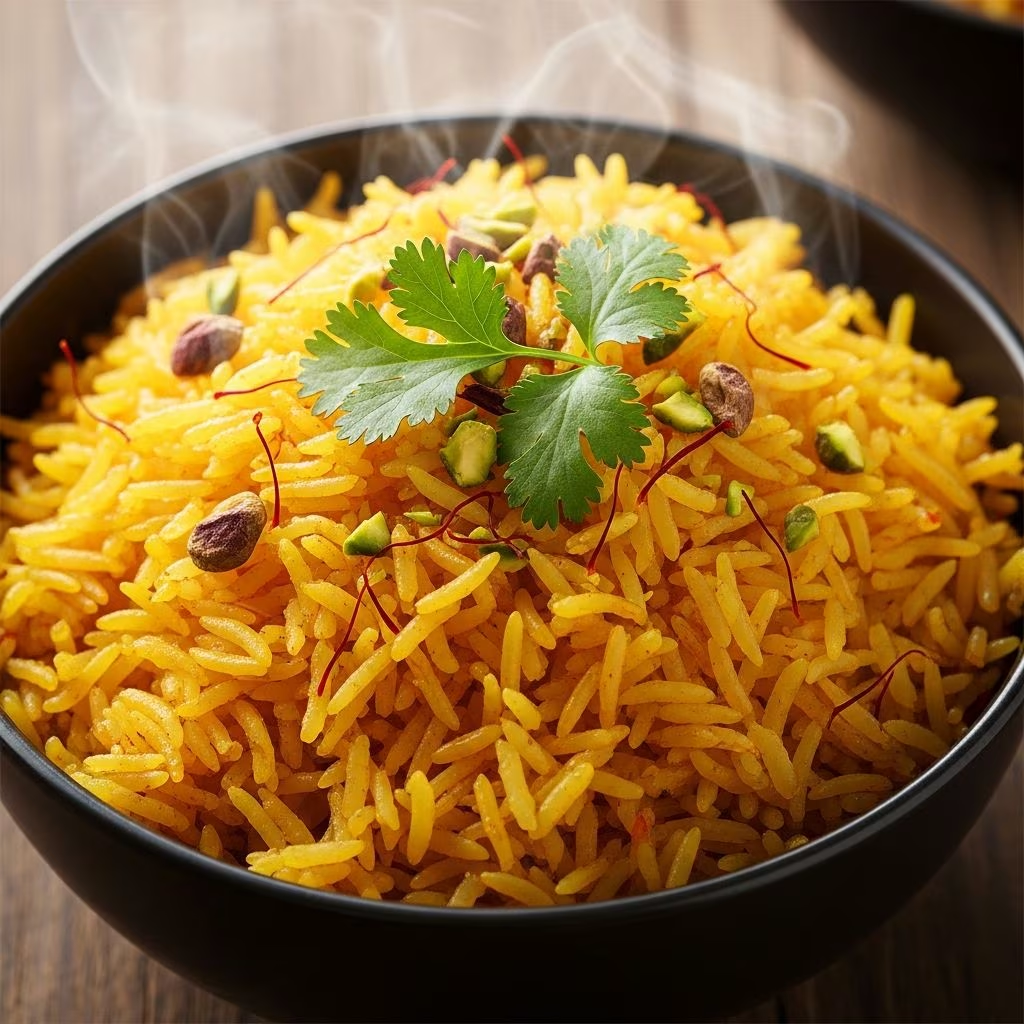
Golden rice represents one of the most visually striking and flavorful side dishes in global cuisine. The warm, luminous color combined with the subtle earthiness and aromatic qualities makes this dish a favorite accompaniment to countless meals. Whether you’re preparing a simple weeknight dinner or hosting a special gathering, mastering the technique of creating perfectly golden rice elevates your cooking repertoire significantly. This guide explores the fundamentals of preparing this elegant grain dish, from ingredient selection through plating.
Understanding the Foundation of Golden Rice
Golden rice achieves its distinctive hue through the strategic use of specific seasonings and cooking methods. The traditional approach involves incorporating turmeric, which imparts both color and subtle flavor notes, along with aromatics that create depth and complexity. Unlike plain white rice, golden rice transforms into a multi-dimensional dish that complements both simple proteins and elaborate preparations.
The appeal of golden rice extends beyond its visual presentation. The combination of spices creates a sophisticated flavor profile that enhances rather than overwhelms accompanying dishes. When properly executed, the grains remain distinct and fluffy while absorbing the infused flavors throughout the cooking process.
Essential Ingredients for Optimal Results
Creating exceptional golden rice begins with understanding each component’s role in the final dish. The following elements work together to produce the desired outcome:
- Rice Selection: Long-grain varieties like basmati or jasmine provide the best texture and appearance. These grains tend to remain separate and fluffy rather than clumping together during cooking.
- Turmeric: This rhizome delivers the characteristic golden color while contributing warmth and earthiness. Ground turmeric disperses evenly throughout the rice, ensuring consistent coloration.
- Broth or Stock: Using flavorful liquid instead of plain water introduces additional depth. Vegetable, chicken, or beef broth all work depending on your intended pairing.
- Aromatics: Onions, garlic, and ginger create a flavor foundation that supports the spice profile without dominating the dish.
- Fat: Butter or oil serves multiple purposes: facilitating even heat distribution, helping spices bloom, and contributing richness to the finished rice.
- Seasonings: Salt, pepper, and optional spices like cumin or coriander enhance the overall complexity of flavors.
The Toasting Technique: Unlocking Maximum Flavor
Many home cooks overlook the importance of toasting rice before adding liquid. This preliminary step significantly impacts the final result by enhancing the grain’s inherent nuttiness and improving texture. When rice grains are briefly toasted in fat before liquid introduction, they become more receptive to absorbing flavors while maintaining structural integrity throughout cooking.
To properly toast rice, heat fat in your cooking vessel over medium-high heat, then add rice grains, stirring constantly for two to three minutes. The grains should develop a light, translucent appearance as they become infused with the heated fat. At this point, introduce your aromatics and allow them to release their fragrances before adding the cooking liquid. This methodical approach creates a more refined and sophisticated final dish compared to simply combining raw rice with liquid.
Cooking Methods and Timing Considerations
The stovetop method remains the most accessible approach for most home cooks. After toasting the rice and aromatics, add your measured liquid (typically using a 2:1 liquid-to-rice ratio), bring to a boil, then reduce to a gentle simmer. Cover with a tight-fitting lid and allow the rice to cook undisturbed for approximately fifteen to twenty minutes, depending on your specific grain variety.
Resist the temptation to lift the lid frequently, as this releases steam and disrupts the cooking process. The covered environment allows the rice to absorb liquid gradually and evenly. You’ll recognize completion when the liquid has been fully absorbed and the grains are tender yet firm.
For those preferring alternative methods, rice cookers offer convenience and consistency. Simply combine prepared ingredients according to your rice cooker’s specifications, and the appliance manages the cooking process automatically. This method works particularly well when preparing larger quantities or when you need to reduce active cooking time.
Spice Integration and Flavor Development
The strategic use of spices distinguishes exceptional golden rice from mediocre preparations. Beyond turmeric, several complementary seasonings enhance the dish’s complexity:
| Spice | Flavor Profile | Suggested Quantity (per 2 cups rice) |
|---|---|---|
| Ground Turmeric | Earthy, warm, slightly bitter | 1/2 to 1 teaspoon |
| Cumin Seeds | Nutty, warm, slightly citrus | 1/2 teaspoon |
| Coriander Seeds | Floral, sweet, citrus notes | 1/2 teaspoon |
| Black Cardamom | Smoky, complex, aromatic | 1 to 2 pods |
| Bay Leaves | Subtle herbal, slightly floral | 1 to 2 leaves |
These spices can be added at various stages depending on desired intensity. Toasting whole spices before grinding releases their essential oils, intensifying their impact. Alternatively, blooming ground spices in hot fat allows them to distribute evenly throughout the dish. Experimenting with different combinations and quantities helps you develop a signature version tailored to your palate.
Textural Excellence: Achieving the Perfect Grain Structure
The difference between mushy and perfectly cooked golden rice lies in precise liquid measurement and careful timing. Using the proper rice-to-liquid ratio ensures adequate hydration without excess moisture that causes sogginess. Additionally, allowing cooked rice to rest undisturbed for five minutes after removing from heat permits the grains to firm up slightly while the internal moisture redistributes.
Fluffing the rice gently with a fork after resting separates the grains and releases excess steam. This simple step prevents clumping and maintains the visual appeal of the finished dish. Avoid stirring vigorously or compressing the rice, as this compromises the delicate grain structure.
Creative Variations and Customizations
While the classic preparation remains timeless, numerous adaptations suit different occasions and preferences. Consider these variations:
- Vegetable-Enhanced Version: Incorporate diced bell peppers, peas, carrots, or corn for added texture, nutrition, and color contrast against the golden base.
- Protein Integration: Stir in cooked chicken, shrimp, or legumes to transform the side dish into a complete main course.
- Herb Finish: Fresh cilantro, parsley, or mint added immediately before serving introduce brightness and aromatic complexity.
- Citrus Accent: A squeeze of lime juice or lemon zest brightens the warm spice profile and adds sophistication.
- Nuts and Seeds: Toasted almonds, cashews, or pumpkin seeds provide textural contrast and nutritional enhancement.
- Reduced-Sodium Adaptation: Replace some broth with water and adjust salt accordingly for dietary requirements.
Storage and Make-Ahead Considerations
Golden rice stores effectively in the refrigerator for up to four days when placed in an airtight container. Reheating can be accomplished on the stovetop with a small splash of water to restore moisture, or in the microwave in short intervals while stirring occasionally. The rice also freezes successfully for extended storage, maintaining quality for approximately three months when properly sealed.
Make-ahead preparation works well when cooking components separately. You can toast rice and prepare aromatics hours in advance, then complete the cooking process when needed. This approach proves especially valuable during busy entertaining periods.
Pairing Suggestions and Serving Strategies
Golden rice complements an extensive range of dishes across multiple cuisines. Grilled or roasted proteins benefit from its subtle spice foundation without overwhelming delicate flavors. Vegetarian preparations featuring seasonal vegetables or legumes gain richness and visual interest when paired with this grain. The dish also serves as an ideal accompaniment to curries, stews, and braised preparations where its subtle flavor profile balances more assertive sauces.
For formal presentations, shape cooled golden rice using a small mold or ramekin, then unmold onto plates for elegant plating. This technique works particularly well for special occasions and restaurant-style presentations. For casual dining, serving family-style in a decorative bowl allows guests to portion as desired.
Frequently Asked Questions
Why Does My Rice Come Out Mushy?
Excessive liquid or prolonged cooking causes rice mushiness. Verify your liquid measurements, ensure your lid seals tightly to prevent steam escape, and avoid cooking beyond the recommended time. Additionally, using lower-quality rice varieties prone to breaking down during cooking can contribute to this issue.
Can I Prepare Golden Rice in a Rice Cooker?
Absolutely. Rice cookers excel at producing consistent results. Combine rice, liquid, and seasonings according to your cooker’s specifications. The automatic shut-off feature prevents overcooking. Toasting rice beforehand remains beneficial for enhanced flavor even when using rice cookers.
What’s the Difference Between Turmeric-Based and Saffron-Based Golden Rice?
Turmeric offers affordability and accessibility while delivering earthiness and color. Saffron provides a more delicate, floral quality with subtle complexity, though at significantly higher cost. Both create beautiful golden hues; your choice depends on budget and desired flavor intensity.
How Much Golden Rice Should I Prepare Per Person?
Plan approximately half to three-quarters cup of uncooked rice per person when serving as a side dish. This yields roughly one and a half to two cups cooked rice per individual. Adjust quantities based on appetite and accompanying dishes.
Can I Make Golden Rice Gluten-Free?
Yes. Rice is naturally gluten-free, making this dish inherently suitable for gluten-free diets. Verify that any broth used is certified gluten-free, as some commercial preparations contain gluten-containing additives. All traditional spices are similarly gluten-free when purchased from reputable sources.
Troubleshooting Common Challenges
Uneven coloration sometimes occurs when turmeric doesn’t distribute uniformly. Dissolving turmeric in the liquid before adding rice ensures more consistent pigmentation throughout the dish. Undercooked rice indicates insufficient cooking time or inadequate liquid; adjust accordingly for future preparations. Hard, dried-out rice suggests too much evaporation; reduce heat slightly or add liquid incrementally during cooking if necessary.
Conclusion: Mastering Golden Rice
Golden rice represents an achievable technique that yields impressive results with minimal complexity. By understanding the fundamental principles of rice preparation, respecting ingredient quality, and employing proper cooking methods, you develop the skills to create this elegant side dish consistently. Whether serving at intimate family gatherings or formal entertaining, golden rice elevates your culinary offerings while remaining accessible to cooks of varying skill levels. Practice the basic method, then explore variations that suit your personal taste preferences and specific entertaining needs.
References
- Cooking with Turmeric: Techniques and Health Benefits — Cornell University Food Science Department. 2023. https://www.cornell.edu/
- Rice Varieties and Their Cooking Properties — United States Department of Agriculture (USDA). 2024. https://www.usda.gov/
- The Science of Rice Cookery: Optimal Hydration Ratios — Institute of Food Science and Technology. 2023. https://www.ifst.org/
- Spice Chemistry and Flavor Development in Grain Dishes — International Journal of Culinary Science. 2024. https://www.tandfonline.com/
- Food Storage Guidelines and Proper Refrigeration Techniques — U.S. Food and Drug Administration (FDA). 2024. https://www.fda.gov/