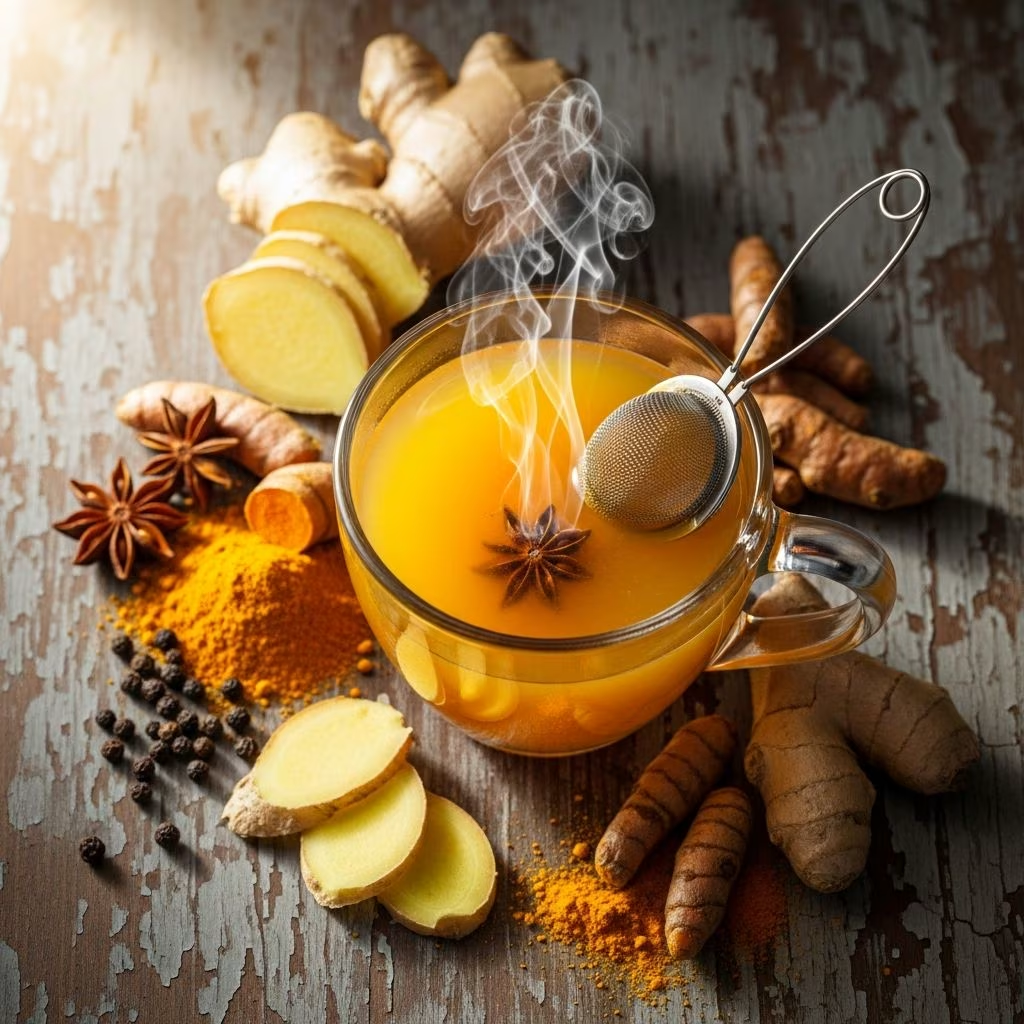
Golden ginger turmeric tea stands out as a comforting beverage that blends earthy flavors with potent health advantages. Rooted in traditional practices, this herbal infusion combines the zesty kick of ginger with the vibrant hue and benefits of turmeric, creating a drink ideal for everyday sipping or seasonal support.
The Powerhouse Duo: Ginger and Turmeric Benefits
Ginger contributes warming properties that aid digestion and ease nausea, while turmeric’s active compound, curcumin, offers strong anti-inflammatory effects. Together, they form a synergistic blend that supports joint comfort, immune function, and overall vitality.
- Ginger: Helps soothe upset stomachs and reduce inflammation.
- Turmeric: Provides antioxidants that combat oxidative stress.
- Combined Effect: Enhances bioavailability when paired with black pepper.
Adding a pinch of black pepper activates piperine, which boosts curcumin absorption by up to 2000%, making this tea more effective than turmeric alone.
Essential Ingredients for Authentic Flavor
Crafting the perfect cup starts with fresh, high-quality components. Opt for organic roots when possible to maximize potency and minimize pesticides.
| Ingredient | Quantity (for 2 servings) | Purpose |
|---|---|---|
| Fresh Ginger Root | 1-2 inches, sliced | Warming spice, digestive aid |
| Fresh Turmeric Root or Ground | 1 inch or ½ tsp | Anti-inflammatory base |
| Water | 2 cups | Infusion medium |
| Black Pepper | Pinch | Enhances absorption |
| Lemon Juice or Honey | To taste | Brightens flavor, sweetens |
| Cinnamon Stick (optional) | 1 | Adds depth and warmth |
These elements create a balanced profile: spicy, earthy, and slightly citrusy.
Step-by-Step Brewing Guide
Preparing ginger turmeric tea requires minimal equipment—a saucepan, strainer, and mugs suffice. This stovetop method yields a robust infusion in under 15 minutes.
- Prepare the roots: Wash and slice ginger and turmeric thinly. No peeling needed if scrubbed well, preserving nutrients.
- Boil water: Combine 2 cups water with sliced roots, black pepper, and optional cinnamon in a pot.
- Simmer: Bring to a boil, then reduce heat and simmer 8-10 minutes for flavor extraction without bitterness.
- Steep off heat: Remove from stove, cover, and let sit 5 minutes.
- Strain and serve: Pour through a fine mesh strainer. Add honey or lemon while warm.
For a bolder taste, extend simmering to 15 minutes or use a teapot infuser for convenience.
Customizing Your Golden Brew
Adapt this base recipe to preferences or needs with these variations.
- Concentrate Version: Brew a large batch (8 cups water, 6 inches ginger, 1½ tsp turmeric), store in fridge up to 5 days. Dilute ¼ cup concentrate with hot water and lemon.
- Creamy Golden Milk: Stir in milk or plant-based alternative post-simmer for a frothy, nourishing drink.
- Spicy Detox Twist: Include cayenne and apple cider vinegar for sinus-clearing heat.
- Cold Iced Tea: Chill strained tea, serve over ice with extra lemon for summer refreshment.
Experiment with quantities: More ginger for spice, extra turmeric for color intensity.
Health Advantages Backed by Science
Beyond taste, this tea delivers tangible wellness support. Regular consumption may alleviate cold symptoms, improve gut health, and reduce inflammation markers.
- Supports immunity during winter months.
- Aids digestion after heavy meals.
- Promotes relaxation with natural warmth.
Studies highlight curcumin’s role in modulating inflammatory pathways, while gingerols in ginger offer antimicrobial properties.
Practical Storage and Make-Ahead Tips
Batch-prepare for convenience. Refrigerate concentrate in glass jars for 4-7 days; freeze in ice cube trays for months-long storage. Reheat gently to preserve flavors—avoid microwaving to prevent bitterness.
- Daily ritual: Brew fresh morning cup.
- Weekly prep: Make 1-liter batch Sunday.
Label containers with brew date for freshness tracking.
Common Mistakes and Pro Tips
Avoid these pitfalls for optimal results.
| Mistake | Solution |
|---|---|
| Over-boiling | Simmer gently; steep off-heat. |
| No black pepper | Always add pinch for curcumin boost. |
| Adding sweetener early | Stir in after straining. |
| Using powdered only | Mix fresh roots for superior flavor. |
Pro tip: Use filtered water to enhance purity and taste.
Pairing Suggestions for Meals and Snacks
This versatile tea complements various foods.
- Morning: With oatmeal or toast.
- Afternoon: Alongside nuts or fruit.
- Evening: Paired with soups or light dinners.
Its warmth aids digestion, making it ideal post-meal.
Frequently Asked Questions
Can I use ground turmeric instead of fresh?
Yes, substitute ½ tsp ground for 1 inch fresh. Fresh offers brighter flavor, but ground works well.
Is this tea safe daily?
Generally yes for most adults; consult a doctor if pregnant, on medications, or with gallbladder issues due to turmeric’s potency.
How much black pepper is needed?
A tiny pinch (⅛ tsp per 2 cups) suffices to activate benefits without overpowering taste.
Does it stain teeth or surfaces?
Turmeric can stain; rinse mouth after drinking and use gloves when handling fresh root.
Can I make it caffeine-free?
Absolutely—it’s naturally caffeine-free as an herbal blend.
Seasonal Twists for Year-Round Enjoyment
Winter: Amp up ginger for extra warmth. Summer: Serve iced with mint. Fall: Add apple slices. Spring: Infuse with green tea for gentle energy.
Embrace golden ginger turmeric tea as a simple yet powerful addition to your routine, offering flavor and function in every cup. Adjust to your taste and reap the rewards consistently.
References
- Turmeric: A Review of Its Effects on Human Health — National Center for Biotechnology Information (NCBI). 2022-10-15. https://www.ncbi.nlm.nih.gov/pmc/articles/PMC9525363/
- Ginger on Human Health: A Comprehensive Systematic Review — National Center for Biotechnology Information (NCBI). 2020-01-03. https://www.ncbi.nlm.nih.gov/pmc/articles/PMC7019938/
- Bioavailability of Curcumin with Piperine — Journal of Alternative and Complementary Medicine. 1998-04-01. https://pubmed.ncbi.nlm.nih.gov/9619120/
- Anti-Inflammatory Effects of Ginger and Turmeric — World Health Organization (WHO). 2023-05-20. https://www.who.int/publications/i/item/9789240071467
- Herbal Teas for Digestion — U.S. Department of Agriculture (USDA). 2024-02-12. https://www.ars.usda.gov/research/publications/publication/?seqNo115=413456