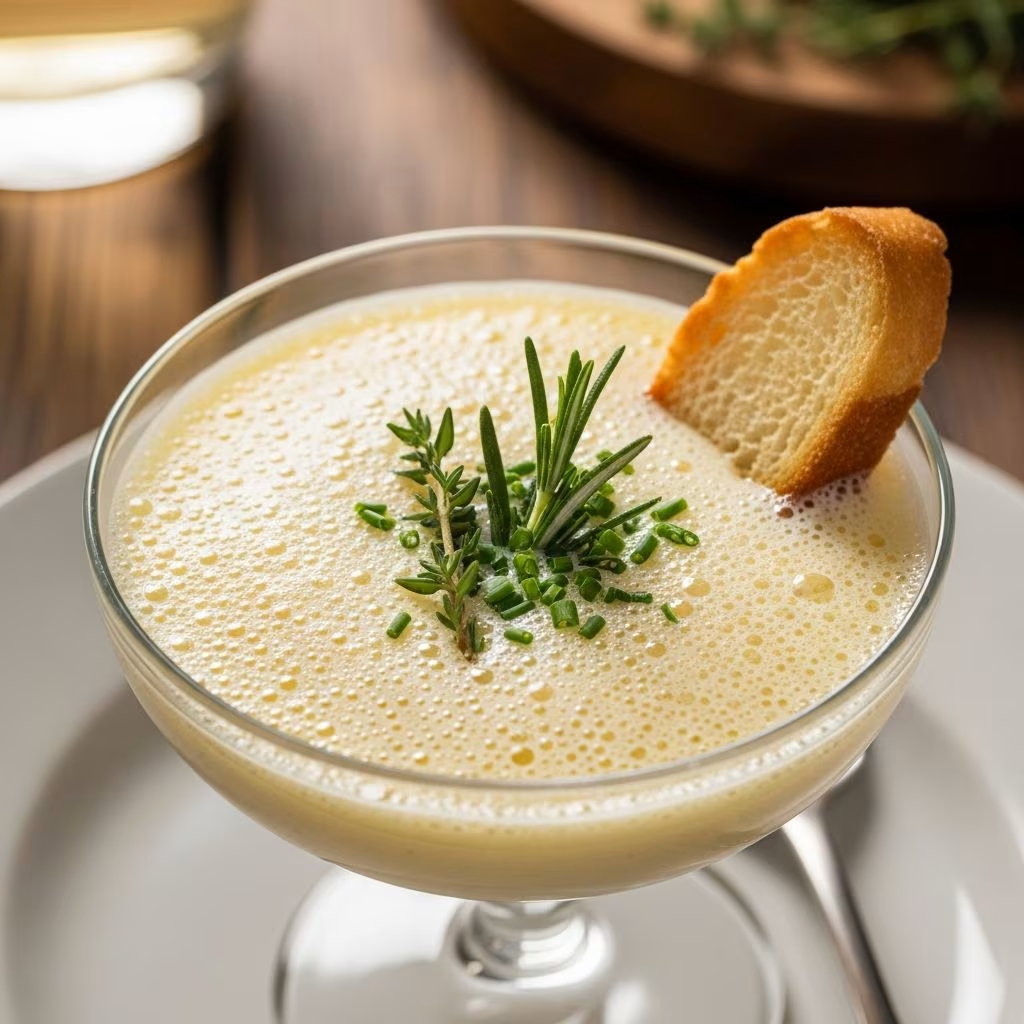
Goat cheese sabayon represents a sophisticated fusion of classic French technique and bold flavor innovation. This airy emulsion combines the earthy tang of goat cheese with the frothy lightness of traditional sabayon, creating a versatile sauce ideal for both desserts and savory applications. Unlike standard zabaglione, which relies solely on egg yolks and wine, the goat cheese version introduces a creamy, nuanced depth that captivates the palate.
The Essence of Sabayon Technique
At its core, sabayon is a whipped custard born from gentle heat and vigorous whisking. Originating from Italy as zabaglione, it evolved in France into sabayon, typically featuring sweet wines like Marsala. The process demands precision: egg yolks are beaten with liquid over simmering water until tripled in volume and holding soft peaks. Introducing goat cheese elevates this by adding protein and fat for superior stability and richness.
Key to success is temperature control. The water bath, or bain-marie, must simmer without boiling to avoid curdling. Whisk in figure-eight motions to maximize aeration, incorporating air efficiently. Fresh, high-quality goat cheese—soft and rindless—melts seamlessly, preventing graininess. Expect a transformation from thin liquid to billowing foam in 5-10 minutes.
Ingredients That Define Flavor
Selecting premium components is non-negotiable. Opt for log-style chèvre with 20-30% fat content for optimal creaminess. Egg yolks provide structure; use large, pasture-raised ones for richer color and flavor. Wines range from crisp whites like Sauvignon Blanc for savory profiles to Moscato for sweetness. Whiskey or spirits can add smoky notes, balancing acidity.
- Goat cheese: 50-100g per 4 yolks, softened at room temperature.
- Egg yolks: 4-6, at room temperature to emulsify easily.
- Liquid base: 100-150ml wine, vermouth, or citrus juice.
- Sweetener: 50-80g sugar, adjusted for wine’s profile.
- Flavor boosters: Vanilla, herbs, spices, or spirits (1-2 tsp).
These ratios yield 2-4 servings, scalable for larger batches with care to avoid overcooking.
Step-by-Step Savory Goat Cheese Sabayon
For a dinner-party stunner, pair this with confit fish or roasted vegetables. It mimics nut-brown butter sauces but with levity.
- Combine 4 egg yolks, 100ml dry white wine, and 50g sugar in a heatproof bowl.
- Softened 75g goat cheese, whisked smooth, integrates here for even melting.
- Position over simmering water; whisk vigorously in figure-eights until pale, thick, and ribboning (8-10 minutes).
- Remove from heat; fold in 25g browned butter for nutty depth.
- Serve warm over trout, leeks, or asparagus.
This yields a sauce that clings without weighing down proteins, its tang cutting richness.
Sweet Variations for Dessert Lovers
Transform sabayon into dessert gold. Grill nectarines or stone fruits, brush with vanilla oil, then crown with chilled goat cheese sabayon for scones or cake.
| Variation | Key Twist | Pairing Idea |
|---|---|---|
| Whiskey-Infused | Rye whiskey + acidic wine | Berries or chocolate torte |
| Nectarine Bliss | Grilled fruit + vanilla | Cream scones or panna cotta |
| Herbal Citrus | Lemon zest + thyme | Poached pears or sorbet |
| Berry Burst | Moscato + macerated strawberries | Shortcake or meringue |
Each adaptation maintains the emulsion’s hallmark fluffiness while tailoring to seasons or whims.
Perfecting Texture and Troubleshooting
Achieving sabayon nirvana means silky peaks that hold yet dissolve on the tongue. Common pitfalls include overcooking (curds form above 170°F/75°C) or under-whisking (runny result). If curdling occurs, strain and whisk over ice water to rescue.
- Too thin? Return to heat briefly, whisk faster.
- Grainy cheese? Ensure full softening; blend pre-whisk.
- Deflating? Serve immediately; stabilize with gelatin for ahead prep (0.5 tsp per recipe).
Pro tip: Hand whisk builds arm strength and control; electric mixers speed it up but risk splatter.
Historical Roots and Global Twists
Zabaglione traces to 16th-century Italy, a Renaissance indulgence for nobility using Marsala. French sabayon expanded palettes with Champagne or Sauternes. Goat cheese integration is modern, popularized by chefs blending farmstead elements into fine dining. Globally, Japanese versions use sake, while American riffs incorporate bourbon.
In contemporary cuisine, it’s a bridge between courses—drizzled on salads or as a deconstructed cheesecake element.
Pairing Principles for Maximum Impact
Goat cheese sabayon’s acidity demands balance. Acidic whites like Chablis complement savory uses; off-dry Rieslings suit sweets. Proteins: fatty fish or poultry. Fruits: stone or berries. Avoid heavy reds, which clash with tang.
- Savory: Sauvignon Blanc, grilled trout.
- Sweet: Moscato d’Asti, nectarines.
- Adventurous: Sparkling cider (non-alcoholic), rye whiskey notes.
Nutritional Profile and Dietary Notes
Per 100g serving: ~250 calories, 18g fat (mostly from yolks/cheese), 12g protein, low carbs. Rich in vitamins A, B12 from eggs; calcium from cheese. Adapt for keto by reducing sugar; veganize with aquafaba, cashew cheese.
Storage and Make-Ahead Strategies
Fresh is best, but whipped sabayon holds 2 hours refrigerated in whipped cream dispenser. Reheat gently over water bath. Freeze in dollops for up to 1 month; thaw and whisk.
Creative Applications Beyond Basics
- Savory mousse base with herbs for canapés.
- Dessert dip for cookies or fruit skewers.
- Layered parfait with granola, compote.
- Emulsifier in vinaigrettes.
- Filling for choux pastry or crepes.
Experiment with smoked goat cheese for BBQ pairings or herb-infused for charcuterie.
Frequently Asked Questions
What if I lack a double boiler?
Use a saucepan with simmering water; bowl must not touch surface.
Can I make it alcohol-free?
Yes—grape juice, cider, or milk with lemon juice mimics acidity.
How to scale for crowds?
Batch in multiple bowls; avoid overcrowding heat source.
Is goat cheese mandatory?
No, but it adds unique tang; mascarpone or cream cheese substitutes soften profile.
Why does it weep?
Overbeating separates fat; stabilize with cornstarch slurry if needed.
This guide equips you to master goat cheese sabayon, turning simple ingredients into culinary artistry. Practice yields perfection.
References
- Confit Trout with Nut Brown Butter Sabayon, Goat’s Cheese Mousse — The Staff Canteen. Accessed 2026. https://www.thestaffcanteen.com/chefs-recipes/confit-trout-with-nut-brown-butter-sabayon-goats-cheese-mousse-with-gingerbread-leeks-a-la-greque-and-pea-salsa
- Cream Scones w/Grilled Nectarine + Goat Cheese Sabayon — CKBK. Accessed 2026. https://app.ckbk.com/recipe/pulp07148c25s001ss003r002/cream-scones-wgrilled-nectarine-goat-cheese-sabayon
- Sabayon (Zabaglione) Recipe — David Lebovitz. Accessed 2026. https://www.davidlebovitz.com/sabayon-zabaglione-recipe/
- Rye Whiskey Sabayon — Granor Farm. Accessed 2026. https://granorfarm.com/recipes/rye-whiskey-sabayon