Understanding This Timeless Dish
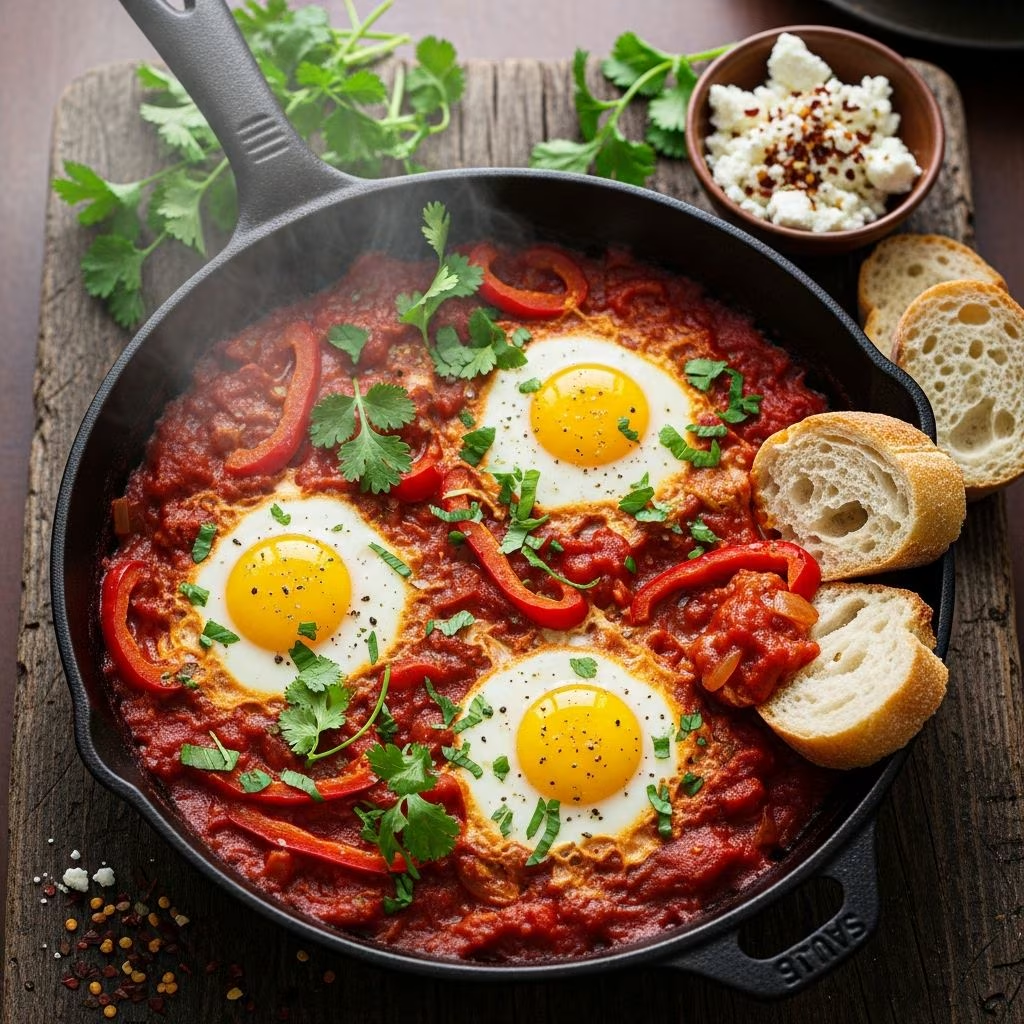
Shakshuka represents one of the most cherished culinary traditions across North Africa and the Middle East, with roots particularly strong in Tunisia. The name itself, derived from Arabic, means “mixed up” or “shaken,” which perfectly encapsulates the essence of this humble yet deeply satisfying preparation. This one-pan masterpiece brings together the simplicity of poached eggs with the complex flavors of a carefully spiced tomato sauce, creating a dish that transcends the boundaries of traditional meal categories.
What makes shakshuka so compelling is its versatility and accessibility. Whether you seek a nourishing breakfast option, a casual lunch, or an elegant dinner presentation, this dish adapts seamlessly to any occasion. The beauty lies in its straightforward construction: tender eggs nestled within a rich, aromatic tomato base that draws from Mediterranean and North African spice traditions.
The Foundation: Core Ingredients Explained
Creating an authentic shakshuka begins with understanding the role each ingredient plays in building layers of flavor. While the ingredient list appears modest, the quality of each component significantly impacts the final result.
Tomatoes: The Heart of the Sauce
The tomato component forms the backbone of shakshuka. You have flexibility in your approach: fresh tomatoes provide a vibrant, seasonal character, while canned varieties offer consistency and convenience. For optimal results, if using fresh tomatoes, select specimens that are soft and nearly overripe, as these break down more readily and develop deeper flavors. A combination approach—blending fresh diced tomatoes with tomato paste—creates a sauce with both texture and concentrated tomato essence.
Fire-roasted tomatoes contribute an additional layer of smoky complexity that elevates the entire dish. Should you choose the canned route exclusively, a 28-ounce can of whole or crushed tomatoes provides the ideal volume for most home preparations.
Aromatic Vegetables and Spice Elements
The traditional vegetable base includes onions and bell peppers, which undergo gentle sautéing to release their natural sweetness. Garlic joins this aromatic foundation, providing pungent depth that develops as it cooks. These vegetables create a flavorful bed upon which the sauce builds.
The spice profile distinguishes shakshuka from other egg preparations. Paprika and cumin deliver warm, earthy notes characteristic of North African cuisine. Many recipes incorporate crushed red pepper flakes or cayenne pepper for heat and complexity. Some preparations include a touch of sugar to balance the acidity of tomatoes and enhance overall flavor harmony.
Eggs: The Star Element
Large eggs serve as the focal point of this dish. Typically, six eggs suit most standard skillet preparations, though this can adjust based on your pan size and desired richness. The eggs poach gently within the tomato sauce, allowing their yolks to remain creamy while the whites set appropriately.
Finishing Touches
Fresh herbs—particularly parsley and cilantro—brighten the final dish with color and herbaceous notes. Crumbled feta cheese adds tangy richness and textural contrast. For serving, pita bread, challah, or crusty artisanal bread provide vehicles for scooping the egg and sauce combinations.
Step-by-Step Preparation Method
Building the Aromatic Base
Begin by selecting a large skillet with a fitted lid—this vessel will handle both the sauce preparation and egg cooking phases. Heat a modest amount of olive oil in the pan and introduce diced onions and bell pepper. Allow these vegetables to soften over medium heat, stirring occasionally to ensure even cooking without browning. This foundational step typically requires 5-7 minutes.
Once vegetables have begun to yield and soften, add minced garlic along with your chosen spices. Maintain medium heat while stirring constantly for approximately 1-2 minutes, allowing the spices to bloom and release their aromatic compounds. This brief toasting activates the essential oils within the spices, intensifying their contribution to the final flavor profile.
Creating the Sauce
Introduce your prepared tomatoes to the aromatic mixture, stirring thoroughly to combine all elements. If using whole canned tomatoes, use a wooden spoon to break them into smaller, more manageable pieces. Add salt, pepper, and any sugar according to your preference, then reduce heat to low and allow the mixture to simmer.
During the simmering phase—typically 10-15 minutes—the sauce gradually thickens as excess moisture evaporates. This reduction concentrates flavors and creates the ideal consistency for cradling poached eggs. Stir occasionally and taste, adjusting seasonings as needed before proceeding to the egg stage.
The Egg-Poaching Phase
Using your spatula, create six small indentations or “wells” in the tomato mixture, spacing them evenly to prevent egg whites from touching one another. Gently crack an egg into each depression, being careful not to break the yolks. Some cooks prefer positioning five eggs around the pan’s perimeter with one in the center for balanced cooking.
Reduce heat to the lowest setting and cover the skillet with its lid. This covered environment allows steam to gently cook the egg whites while maintaining the sauce’s temperature. Cooking duration depends entirely on your preference for yolk consistency, ranging from 4-8 minutes. Runnier yolks typically emerge at the shorter end of this range, while firmer results require additional cooking time.
Flavor Variations and Creative Adaptations
While the traditional preparation stands as a timeless classic, shakshuka welcomes thoughtful experimentation and regional interpretations.
Italian Influence: Eggs in Purgatory
The Italian cousin of shakshuka, known as “Eggs in Purgatory,” replaces the North African spice profile with Mediterranean herbs and abundant garlic. This version relies on oregano, basil, and red pepper flakes for its character, often incorporating minimal vegetables beyond onion. Starting the infusion with garlic and red pepper flakes in cold oil before adding other ingredients creates a distinctly different flavor foundation.
Vegetable Enhancements
Beyond the traditional onion and bell pepper, many creative cooks incorporate zucchini, eggplant, or mushrooms into their sauce preparations. These additions increase nutritional density and create textural interest while remaining true to the dish’s vegetarian nature.
Spice Intensity Adjustments
Those preferring milder preparations can reduce or eliminate the cayenne pepper and red pepper flakes, allowing paprika and cumin to shine without heat. Conversely, spice enthusiasts can increase the quantity of hot elements for a more assertive flavor profile.
Scrambled Variation
For those seeking a different texture experience, shakshuka inspiration extends to scrambled preparations where sautéed vegetables and diced tomatoes mix directly with eggs, creating a unified scramble rather than distinct poached elements.
Nutritional Profile and Dietary Considerations
Shakshuka naturally aligns with several dietary approaches. This entirely vegetarian dish provides substantial protein through eggs while delivering vitamins and minerals from tomatoes and vegetables. The one-pan preparation minimizes oil usage compared to many traditional dishes, making it a relatively lighter option despite its satisfying nature.
For those following gluten-free diets, shakshuka accommodates easily when served without bread accompaniments. The spices used—paprika, cumin, and cayenne—are naturally gluten-free, as is the core preparation.
Food safety considerations warrant attention: while many diners prefer runny yolks in this dish, consuming undercooked eggs poses potential health risks for vulnerable populations. Those with compromised immune systems, young children, or pregnant individuals should ensure eggs cook to firm consistency.
Serving Strategies and Accompaniment Pairings
Shakshuka flexibility extends to serving approaches. The traditional method involves bringing the entire skillet to the table, allowing diners to portion directly from this communal vessel. This presentation emphasizes the dish’s rustic, family-friendly character.
Bread service enhances the experience significantly. Warm pita bread provides ideal scooping capacity for the sauce and egg combinations. Challah or artisanal crusty breads offer textural contrast and absorb the flavorful sauce beautifully.
Fresh herb garnishes—additional parsley or cilantro sprinkled just before serving—introduce brightness and visual appeal. For those incorporating feta, a generous sprinkling just before consuming adds tangy richness.
Common Preparation Questions and Troubleshooting
How can I prevent eggs from overcooking?
The key lies in maintaining low heat once eggs enter the pan and checking for doneness at the minimum recommended time, then adjusting as needed. Using a lid ensures gentle, even cooking without excessive direct heat.
Should I prepare this dish in advance?
The tomato sauce benefits from preparation several hours ahead, with flavors melding beautifully. However, add eggs immediately before serving for optimal results, as their texture deteriorates when stored in sauce.
What if my sauce appears too thin?
Extend the simmering time before adding eggs, allowing more moisture to evaporate and thickening to progress. Alternatively, a cornstarch slurry can thicken sauce quickly if time constraints exist.
Can I use egg white alternatives?
While possible, the characteristic richness and texture that yolks provide would diminish considerably. Traditional preparation relies on whole eggs for optimal results.
Meal Timing and Occasion Suitability
One of shakshuka’s greatest strengths is its adaptability across meal categories. For breakfast or brunch service, this dish provides satisfying protein and vegetables in one compelling package. Lunch applications work equally well, offering lighter substance than many midday options.
Dinner applications position shakshuka as a vegetarian main course that impresses without requiring extensive preparation or specialized cooking techniques. The entire process—from ingredient preparation through consumption—typically requires under 30 minutes, making this ideal for weeknight dinners when time constraints exist.
Its visual appeal and aromatic character also make shakshuka suitable for entertaining, particularly when seeking approachable yet impressive vegetarian options for guests with dietary restrictions.
Essential Equipment and Pan Selection
A large skillet—typically 10-12 inches in diameter—provides adequate surface area for six eggs while maintaining sauce integrity. The skillet must feature a well-fitting lid to trap steam during the final egg-cooking phase. Stainless steel or non-stick surfaces both work adequately, though cast iron provides excellent heat distribution and retention.
A wooden spoon facilitates both initial vegetable sautéing and sauce manipulation without risk of damaging non-stick surfaces. Having a spatula available for creating egg wells proves invaluable during the poaching stage.
References
- Best Shakshuka Recipe — Love and Lemons. Accessed April 2026. https://www.loveandlemons.com/shakshuka-recipe/
- Easy Shakshuka Recipe (with Variations & Tips!) — Tori Avey. Accessed April 2026. https://toriavey.com/shakshuka/
- Best Shakshuka Recipe (Easy & Authentic) — The Mediterranean Dish. Accessed April 2026. https://www.themediterraneandish.com/shakshuka-recipe/
- Best Shakshuka Recipe (Easy & Traditional) — Downshiftology. Accessed April 2026. https://downshiftology.com/recipes/shakshuka/
- Eggs in Purgatory (or Basically, Italian Shakshuka!) — Little Spice Jar. Accessed April 2026. https://www.littlespicejar.com/eggs-in-purgatory/
- Easy shakshuka recipe (with video) — BBC Good Food. Accessed April 2026. https://www.bbcgoodfood.com/recipes/shakshuka