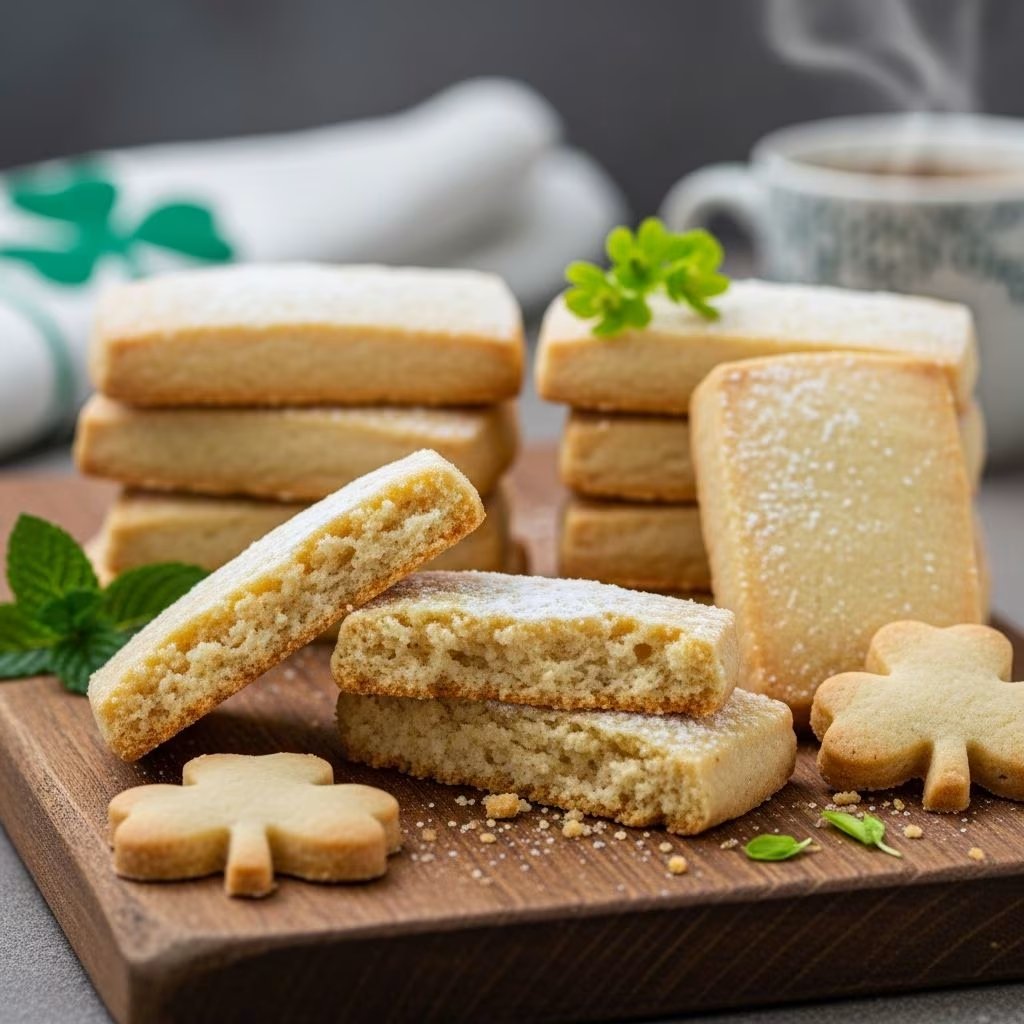
Irish shortbread stands as a cornerstone of Celtic baking tradition, renowned for its rich buttery flavor and delicate, crumbly texture. Adapting this classic to a gluten-free format opens the door for everyone to savor its charm without compromise. This comprehensive guide dives into the essentials of creating wheat-free versions that rival traditional recipes, drawing on time-tested techniques and modern ingredient swaps.
Why Choose Gluten-Free Irish Shortbread?
Shortbread’s simplicity—typically just butter, sugar, and flour—makes it ideal for gluten-free experimentation. Traditional Irish versions often feature a pale golden hue and melt-in-your-mouth quality, achieved through high butter content and minimal mixing. For those avoiding wheat, gluten-free flours maintain this profile when balanced correctly, ensuring no gritty residue or dense results.
Health-conscious bakers appreciate the reduced gluten, which can ease digestion for sensitive individuals. Festive occasions like St. Patrick’s Day amplify its appeal, but its versatility suits tea times, gifts, or snacks anytime. Key benefits include dietary inclusivity, preserved authenticity, and straightforward preparation without eggs or leaveners.
Core Ingredients for Success
Selecting the right components is crucial for replicating Irish shortbread’s signature tenderness. Here’s a breakdown:
- Gluten-Free Flour Blend: Opt for all-purpose blends like those with rice flour, tapioca, or sorghum bases. Avoid single-grain options like almond or coconut flour, as they alter the crumb structure dramatically.
- Butter or Spreads: Unsalted butter at cool room temperature provides richness. Vegan alternatives like soy-free spreads work seamlessly for plant-based diets.
- Sugar: Granulated or light brown sugar adds subtle sweetness. Powdered sugar yields finer crumbs in some recipes.
- Flavor Enhancers: Vanilla extract and a pinch of salt elevate taste without overpowering the butter.
- Binders: Xanthan gum (if not in your blend) or cornstarch mimics gluten’s binding for cohesion.
Precise measurements prevent dry or oily outcomes. Weigh ingredients for accuracy, especially flours, as volume can vary.
Master Recipe: Classic Gluten-Free Irish Shortbread
This foundational recipe yields about 16-20 pieces, baked in a pan for even results. Prep time: 15 minutes. Bake time: 25-30 minutes.
Ingredients (for an 8×8-inch pan):
- 10 tablespoons (140g) unsalted butter, cool room temperature
- 1/2 cup (100g) granulated sugar
- 1 teaspoon vanilla extract
- 1/4 teaspoon salt
- 1 1/2 cups (210g) gluten-free all-purpose flour blend
- 1/2 teaspoon xanthan gum (omit if blend contains it)
- Extra sugar for dusting
Step-by-Step Directions:
- Preheat Oven: Set to 325°F (165°C). Grease an 8×8-inch pan or line with parchment.
- Cream Butter and Sugar: Beat butter cubes with sugar on medium-high until fluffy, about 3 minutes. Add vanilla and salt.
- Incorporate Dry Ingredients: Mix in flour and xanthan gum until dough forms from crumbs. Avoid overmixing.
- Press into Pan: Pat evenly into prepared pan, about 1/2-inch thick. Prick surface with a fork for even baking.
- Bake: Until edges are golden and center sets, 25-30 minutes. Cool 10 minutes in pan, then slice while warm.
- Finish: Dust with sugar. Cool completely on a rack.
Result: Pale, buttery bars with a sandy texture, evoking Irish countryside teas.
Variations to Elevate Your Bake
Customize for holidays or preferences with these tweaks:
| Variation | Add-Ins | Bake Adjustment |
|---|---|---|
| Chocolate-Dipped | Melted semi-sweet chocolate for half-dip | Chill post-dip 15 minutes |
| Lemon Zest | 1 tablespoon zest + 1 teaspoon lemon extract | Same time |
| Nutty | 1/4 cup finely chopped pecans or pistachios | Add 2-3 minutes |
| Vegan | Plant-based buttery spread | Same |
| Green for St. Patty’s | 1/2 teaspoon matcha powder or spinach extract | Same time |
These keep the core intact while adding flair. Experiment cautiously to preserve crumb.
Troubleshooting Common Issues
Even experts face pitfalls. Address them proactively:
- Too Crumbly: Insufficient mixing or warm butter. Chill dough 10 minutes next time.
- Spreading: Over-soft butter or high oven temp. Use cool room-temp butter and lower heat.
- Gritty Texture: Poor flour quality. Choose finely milled blends without bean flours.
- Pale or Doughy Center: Underbaking. Test doneness by lack of shine in middle.
- Too Sweet: Reduce sugar by 2 tablespoons; shortbread shines mildly sweet.
Humidity affects dough—dry climates may need extra butter teaspoon.
Perfect Texture: Science Behind the Crumble
Shortbread’s allure lies in minimal gluten development, yielding tenderness. Gluten-free mimics this via starch gels from tapioca or cornstarch. Butter coats flour proteins, inhibiting toughness. Low bake temps (325°F) prevent excess browning, preserving pale elegance. Pricking releases steam, averting puffs. These principles ensure Irish authenticity in wheat-free form.
Storage and Make-Ahead Tips
Freshness lasts: Room temp in airtight tin, 1 week. Freeze baked or dough up to 3 months—thaw overnight. Individually wrap slices for grab-and-go. Revive stale pieces in 300°F oven, 5 minutes. Gift in festive tins for holidays.
Pairing Ideas for Irish Shortbread
Enhance enjoyment:
- Tea: Earl Grey or Irish breakfast cuts richness.
- Coffee: Espresso contrasts sweetness.
- Dessert: Crumble over ice cream or yogurt.
- Cheese: Pair with sharp cheddar for savory twist.
Holiday platters shine with fruits or jams nearby.
Historical Roots of Irish Shortbread
Originating in 16th-century Scotland, shortbread crossed to Ireland via trade routes. Buttery abundance reflected prosperity. Gluten-free adaptations honor this legacy, making heritage accessible. Today, it’s a St. Patrick’s staple worldwide.
Nutrition Snapshot
Per piece (1/16th recipe): ~150 calories, 10g fat, 15g carbs (1g fiber), 1g protein. Naturally low-sugar; swap for healthier profiles.
Frequently Asked Questions (FAQs)
Can I use regular flour?
Yes, but this guide focuses on gluten-free for inclusivity. Ratios hold.
Why prickle the dough?
Prevents air bubbles and uneven rising.
Best pan?
Metal 8×8-inch for crisp edges; glass for softer bottoms.
Dairy-free option?
Substitute vegan butter; results match closely.
How to achieve melt-in-mouth feel?
Cool creaming and minimal handling key.
Scale for larger batches?
Double ingredients; use 9×13 pan, add 5 minutes bake time.
Expand your baking repertoire with these insights. Gluten-free Irish shortbread proves tradition evolves deliciously.
References
- Classic Gluten Free British Shortbread — Gluten Free on a Shoestring. 2023. https://glutenfreeonashoestring.com/gluten-free-british-shortbread/
- Three Ingredient Gluten Free Shortbread — The Pretty Bee. 2022. https://theprettybee.com/gluten-free-scotch-shortbread-three-ingredient-cookies/
- Gluten Free Shortbread Biscuits — My GF Guide. 2024. https://www.mygfguide.com/gluten-free-shortbread-biscuits/
- How to Make the Best Gluten-Free Shortbread — Gluten Free Baking. 2023. https://glutenfreebaking.com/how-to-make-gluten-free-shortbread/
- Easy Irish Shortbread Cookies — The Café Sucre Farine. 2021. https://thecafesucrefarine.com/easy-irish-shortbread-cookies/