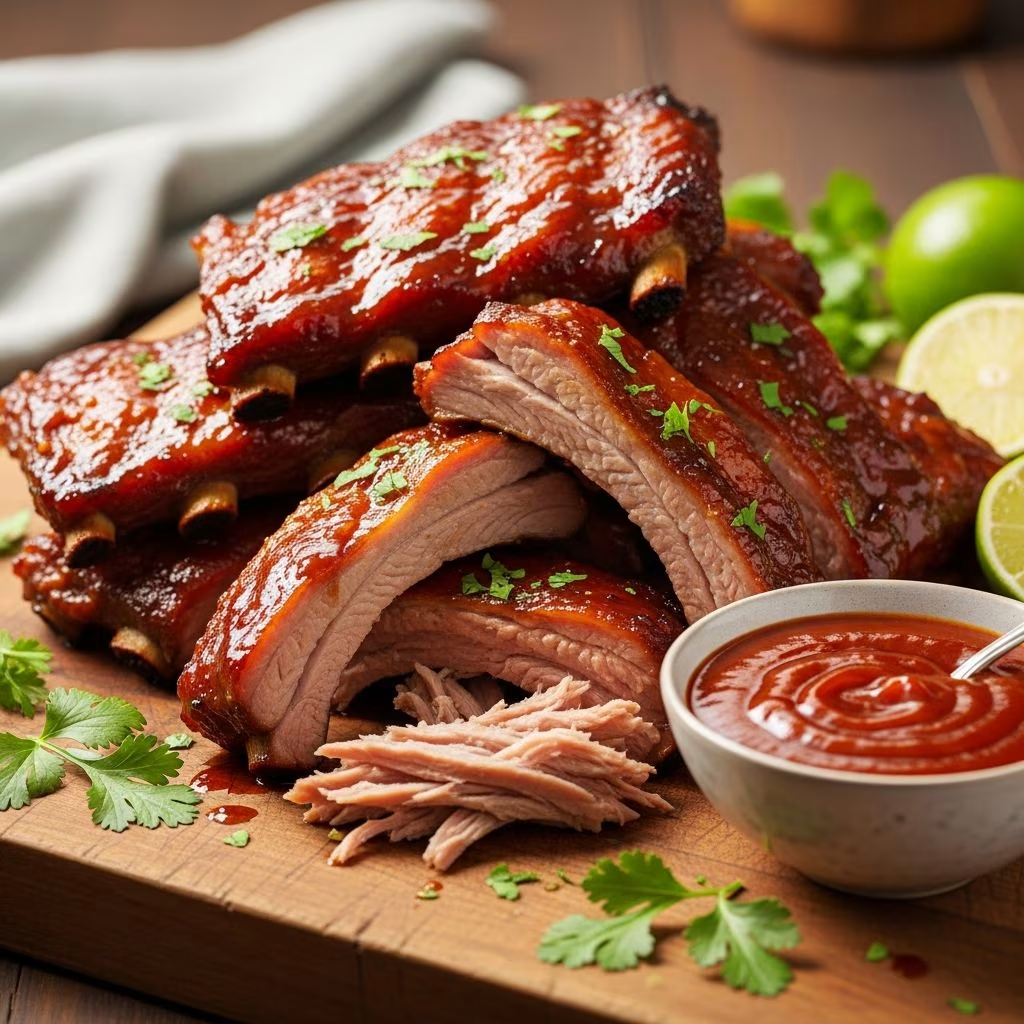
Pork ribs represent one of the most satisfying and comforting dishes to prepare for family gatherings and weeknight dinners. The combination of tender meat and a glossy, flavorful glaze creates a memorable eating experience that appeals to both adults and children. This guide explores the techniques and ingredients necessary to transform simple spareribs into a showstopping main course that rivals restaurant preparations.
Understanding the Foundation: Selecting Your Ribs
The quality and type of ribs you select significantly influences the final result of your dish. Pork spareribs, which come from the rib section of the pig between the shoulder and the loin, offer an ideal balance of meat and fat content. When selecting ribs at your local butcher or grocery store, look for cuts that display a good proportion of meat relative to bone, with a pinkish color and white (not yellow) fat deposits.
The size of your ribs matters considerably when planning cooking times and portions. Smaller, more uniform ribs cook more evenly and allow for consistent results across your entire batch. Request that your butcher cut the ribs into individual pieces rather than leaving them in full racks, as this preparation method allows the glaze to penetrate more effectively and makes the final dish easier to serve and consume.
Fresh ribs should be used within two to three days of purchase, though you may also freeze them for future use. If purchasing frozen ribs, ensure they are properly thawed in the refrigerator before beginning your preparation to maintain even cooking throughout the meat.
Crafting the Perfect Glaze: Balance and Flavor Development
The hallmark of exceptional glazed ribs lies in achieving the proper balance between sweet and tangy flavor profiles. The glaze begins with a foundation of acidic ingredients—typically vinegar—which serves multiple purposes. The acidity not only provides the distinctive tangy notes but also helps break down the meat fibers, promoting tenderness throughout the cooking process.
Brown sugar forms the sweet counterpoint to the vinegar’s sharpness, dissolving into the liquid base to create a smooth, cohesive sauce. The ratio between these two primary components determines whether your finished dish leans more toward sweetness or acidity, allowing you to adjust the recipe according to personal preferences and family tastes.
Ketchup adds another layer of complexity to the glaze, contributing tomato-based umami flavors that deepen the overall taste profile. This ingredient also provides additional body to the sauce, helping it adhere to the ribs more effectively during the baking process. Some variations include mustard for additional sharpness and complexity, while others incorporate soy sauce for a more savory dimension.
Cornstarch serves as the thickening agent that transforms your liquid glaze into a glossy coating. This ingredient is essential for creating that desirable sticky texture that clings to each rib and creates those caramelized edges that develop during baking. Mixing the cornstarch with water or cold broth before adding it to your other ingredients prevents lumping and ensures a smooth, even consistency.
Preparation Techniques for Maximum Flavor
Begin your cooking process by seasoning the raw ribs generously with salt and pepper. This foundational seasoning enhances the natural pork flavor and creates a flavorful base upon which your glaze will build. Don’t shy away from the seasonings at this stage—proper seasoning at multiple points throughout the cooking process creates depth and complexity in the final dish.
The next critical step involves an initial cooking phase that develops the ribs’ texture and color. Many traditional recipes call for browning the ribs in a roasting pan in a moderate oven (around 350°F) for approximately one hour. This extended, dry-heat cooking begins the rendering process, where fat deposits melt and baste the meat, while the exterior develops a light golden-brown color.
While the ribs undergo their initial cooking phase, prepare your glaze by combining all liquid and dry ingredients in a separate bowl. Whisk these elements together thoroughly, ensuring the cornstarch dissolves completely and no lumps remain. This preparation ahead of time prevents scrambling for ingredients when the ribs reach their crucial midpoint.
The Glazing Process and Final Cooking
Once the ribs have completed their initial cooking phase and achieved a light brown exterior, remove them from the oven and pour the prepared glaze over them evenly. Use a basting brush or spoon to ensure the glaze coats all exposed surfaces, allowing it to settle into the spaces between the ribs and collect in the bottom of the pan.
Return the ribs to the oven for an additional hour, checking periodically to ensure the glaze hasn’t begun burning on the edges. If the glaze appears to be darkening too quickly, reduce the oven temperature by 25 degrees or cover the pan loosely with aluminum foil. The glaze should bubble gently around the edges and gradually thicken as moisture evaporates from the pan.
Approximately halfway through this final baking period, remove the pan from the oven and baste the ribs again, turning them if possible to ensure even glaze distribution. This intermediate basting step promotes more even coloring and helps build layers of flavor as the glaze reduces.
Essential Equipment and Pan Selection
Choosing the appropriate cookware significantly impacts your cooking results. A heavy-bottomed roasting pan with a fitted lid conducts heat evenly and prevents hot spots that might cause the glaze to burn unevenly. If your pan lacks a lid, aluminum foil works adequately as a cover, though a proper lid maintains heat more effectively.
Ensure your pan is sufficiently large to accommodate the ribs in a single layer without crowding. Overcrowding prevents proper heat circulation and can result in steaming rather than roasting, which negatively affects the texture and browning of the final product. If necessary, prepare your ribs in batches rather than attempting to fit too many pieces into a single pan.
Timing and Temperature Considerations
The total cooking time for glazed pork ribs typically ranges from two to two-and-a-half hours, depending on the thickness of your ribs and the exact characteristics of your oven. Thinner ribs may complete cooking in approximately 90 minutes, while thicker cuts might require the full two-and-a-half hours. The meat should be fork-tender when fully cooked, with meat pulling easily from the bone when gently prodded.
Oven temperature consistency plays a crucial role in achieving uniform results. Maintain your oven at the specified temperature throughout the cooking process, as fluctuations can result in uneven cooking. If you notice your oven runs hot or cold, adjust the temperature accordingly based on past cooking experiences.
Flavor Enhancement and Customization Options
While the basic glaze provides excellent results, numerous variations allow you to customize the dish to your preferences. Some cooks add a splash of rice vinegar for a milder, slightly sweeter acidity compared to standard white vinegar. Others incorporate a small amount of soy sauce to enhance the savory umami elements of the glaze.
Fresh ginger, garlic powder, or a hint of cayenne pepper can introduce additional complexity to the flavor profile. Ground ginger contributes warmth and subtle spice, while garlic powder adds savory depth. Those preferring heat might experiment with a small quantity of cayenne or hot sauce, adding just enough to create a subtle warmth without overwhelming the balanced sweet-and-sour notes.
Pineapple juice represents another interesting addition that some cooks incorporate, adding tropical sweetness and additional enzymes that further tenderize the meat. If using this variation, reduce the brown sugar content slightly to avoid excessive sweetness.
Serving Suggestions and Accompaniments
Glazed pork ribs pair beautifully with a range of side dishes that either complement or contrast the sweet and tangy main course. Rice serves as an excellent base that absorbs the extra glaze accumulating on each diner’s plate. Coleslaw, whether prepared with a creamy or vinegar-based dressing, provides a cool, refreshing contrast to the warm, sticky ribs.
Roasted or steamed vegetables add nutritional balance and textural variety to the meal. Consider pairing ribs with roasted sweet potatoes, steamed broccoli, or glazed carrots. Cornbread offers a traditional Southern accompaniment that rounds out the meal perfectly.
For beverages, consider serving iced tea, lemonade, or a light beer that complements the sweet and tangy glaze without overwhelming the palate. The acidity in these beverages helps cleanse the palate between bites, enhancing the overall dining experience.
Storage and Reheating Guidelines
Leftover glazed ribs store well in the refrigerator for up to four days when properly sealed in airtight containers. The glaze actually intensifies in flavor as it sits, making leftovers surprisingly delicious. Reheat cold ribs by placing them in a covered baking dish at 325°F for approximately 15-20 minutes, or until heated through.
Alternatively, remove the glaze from cold ribs, slice or separate the meat from the bones, and incorporate it into sandwiches, grain bowls, or salads. This versatility makes the recipe an excellent choice for meal planning, as the cooked ribs can transform into multiple different meals throughout the week.
Common Mistakes to Avoid
One frequent error involves adding the glaze too early in the cooking process, before the ribs have developed their initial browning. Adding glaze to raw or barely-cooked ribs can result in burning before the meat cooks through properly. Always allow the ribs to complete their initial phase before introducing the glaze.
Overloading the glaze with cornstarch creates an overly thick sauce that can become gelatinous and unappetizing. Start with the suggested amount and add more only if the glaze remains too thin after the recommended cooking time.
Crowding the roasting pan prevents proper air circulation and prevents browning, resulting in steamed rather than roasted ribs. Resist the temptation to cook large quantities simultaneously; instead, prepare ribs in multiple batches for optimal results.
Frequently Asked Questions
Can this recipe be adapted for baby back ribs or other rib varieties?
Yes, the glaze and cooking method work well with baby back ribs, beef short ribs, and even lamb ribs. Baby back ribs require slightly reduced cooking times—approximately 30-40 minutes less than specified for spareribs. Larger beef ribs may require additional cooking time.
Can the glaze be prepared in advance?
Absolutely. Mix all glaze ingredients together up to 24 hours before cooking and store in the refrigerator. Allow the glaze to return to room temperature before applying to the ribs, as this ensures more even distribution.
What should I do if the glaze burns before the ribs are tender?
Reduce the oven temperature by 25°F and cover the pan loosely with aluminum foil to slow the browning process while allowing the ribs to continue cooking. If necessary, add a small amount of water or broth to the pan to prevent further caramelization.
Can this recipe be made in a slow cooker?
While possible, slow cooking produces different results than oven roasting. Slow-cooked ribs become very tender but lack the caramelized exterior that makes oven-roasted versions special. For best results, use the oven method described above.
References
- Sweet And Sour Spare-ribs Recipe — Group Recipes. Accessed April 2026. https://www.grouprecipes.com/112950/sweet-and-sour-spare-ribs.html
- Traditional Chinese Canadian Sweet and Sour Ribs: A Retro Recipe — A Canadian Foodie. January 2016. https://www.acanadianfoodie.com/2016/01/18/traditional-canadian-sweet-and-sour-ribs/
- Sweet and Sour Pork Ribs (Chinese Family Recipe for Busy Moms) — Shuangy’s Kitchen Sink. Accessed April 2026. https://shuangyskitchensink.com/chinese-sweet-and-sour-ribs/
- Sweet And Sour Spare Ribs — Our Zesty Life. Accessed April 2026. https://ourzestylife.com/sweet-and-sour-spare-ribs/