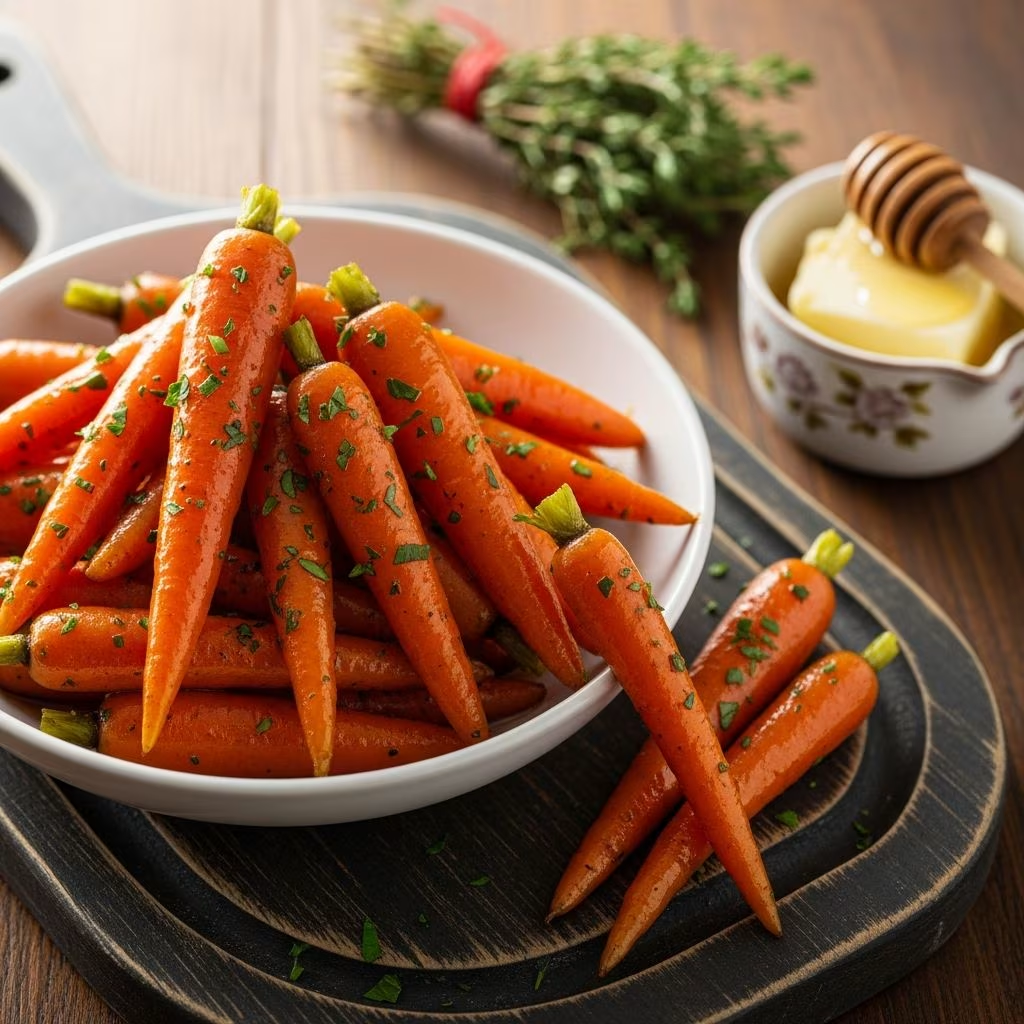
Glazed carrots represent one of the most versatile and approachable vegetable dishes in the culinary repertoire. Whether you’re preparing a casual weeknight meal or an elegant holiday spread, these tender vegetables coated in a glossy, caramelized glaze deliver both visual appeal and sophisticated flavor. The beauty of this dish lies in its simplicity—requiring minimal ingredients and straightforward techniques—while still offering impressive results that elevate any table setting.
Understanding the Foundation: Why Glazed Carrots Work
The appeal of glazed carrots stems from the natural sweetness of the vegetable itself. Carrots contain natural sugars that intensify when exposed to heat, creating a naturally sweet profile that pairs beautifully with complementary ingredients. When combined with fat (butter or oil) and additional sweetening elements, these natural sugars caramelize, developing complex flavors and creating the signature glossy coating that defines this dish.
The cooking process transforms carrots from their raw state into tender, flavorful vegetables while concentrating their inherent sweetness. The glaze serves dual purposes: it adds rich flavor depth and creates an attractive, professional appearance that makes even simple carrots look intentionally prepared and sophisticated.
Selecting and Preparing Your Carrots
The foundation of excellent glazed carrots begins with proper selection and preparation. Choose carrots that are firm, brightly colored, and free from soft spots or blemishes. Fresh, whole carrots offer superior flavor compared to pre-packaged baby carrots, which tend to be less sweet and more diluted in taste.
Preparation methods vary depending on your preferred cooking technique and desired presentation:
- Whole carrots work best for roasting, as they maintain structural integrity and develop caramelized edges
- Sliced coins create a classic appearance for stovetop preparation and serve elegantly on plates
- Diagonal cuts offer both aesthetic appeal and increased surface area for glaze absorption
- Halved thick carrots ensure even cooking throughout the batch
- Baby carrots provide convenience and cook faster, though with slightly less intense flavor
Whether peeling is necessary depends on personal preference and carrot quality. Younger, thinner carrots need only gentle scrubbing, while older or thicker varieties benefit from peeling to remove the tougher outer layer and reveal the sweeter interior flesh.
Core Ingredients and Their Roles
The classic glazed carrot recipe relies on a carefully balanced combination of components, each contributing specific elements to the final dish:
| Ingredient | Primary Function | Common Amount (per 2 lbs carrots) |
|---|---|---|
| Butter or Olive Oil | Creates richness and helps distribute heat evenly | 4 tablespoons |
| Brown Sugar or Honey | Sweetens and creates caramelized glaze | ¼ cup |
| Salt | Enhances natural sweetness and balances flavors | ¾ teaspoon |
| Water or Liquid | Facilitates cooking and glaze formation | 2-3 tablespoons |
| Acid Component | Brightens flavors and prevents one-dimensionality | 1-2 teaspoons |
The choice between butter and olive oil affects both flavor profile and cooking characteristics. Butter delivers richer, more luxurious flavor but requires careful temperature control to prevent burning. Olive oil maintains higher smoke points, making it more forgiving at higher temperatures. Many recipes combine both to achieve optimal results—using oil to raise the smoke point while butter provides superior taste.
The Stovetop Method: Classic Approach
The traditional stovetop technique remains popular for its speed and simplicity. This method typically takes 20-25 minutes from preparation to serving, making it ideal for weeknight dinners.
Step-by-Step Process
- Heat butter and oil in a large skillet over medium-high heat until the mixture shimmers
- Add prepared carrots, stirring to coat evenly with the fat
- Cook for 2-3 minutes, allowing the carrots to begin browning slightly
- Reduce heat to medium and add water, then cover the skillet to trap steam
- Simmer for 5-7 minutes until carrots become partially tender
- Remove the cover and add brown sugar or honey, stirring continuously
- Continue cooking uncovered for 5-10 minutes, stirring frequently to prevent sticking
- The glaze will thicken as the liquid reduces and caramelizes
- Add finishing ingredients like fresh lemon juice, garlic, or herbs
- Taste and adjust seasoning before serving
A crucial consideration during the stovetop method involves glaze consistency. The mixture will appear thin initially, but as water evaporates and sugar concentration increases, it naturally thickens into a syrupy coating. Rushing this process by increasing heat too dramatically risks burning the glaze, which creates bitterness and undesirable flavors. Patience and moderate heat produce superior results.
The Roasting Method: Caramelized Excellence
Roasting carrots in an oven produces arguably superior results, with beautiful caramelized edges and concentrated flavors that develop through dry-heat cooking. This method requires slightly more time but offers less active cooking time and more impressive visual results.
Roasting Process
Preheat your oven to 400-425°F for optimal caramelization. The higher temperature encourages browning and creates caramelized edges while keeping the interior tender. Combine carrots with fat, sweetener, and seasonings in a large bowl, ensuring even coating of all surfaces. Spread on a baking sheet in a single layer, allowing adequate space between pieces for heat circulation.
Roast for 25-45 minutes depending on carrot thickness and oven characteristics, stirring halfway through to ensure even cooking. The carrots are done when fork-tender with visibly caramelized, slightly darkened edges. The glaze develops through natural sugar caramelization combined with reduction of cooking liquids.
One significant advantage of roasting involves the combination of oil and butter. Butter alone would burn at these temperatures, but mixing with oil raises the smoke point, allowing the benefits of butter’s rich flavor without risk of charring. This technique produces superior results compared to using either fat alone.
Flavor Variations and Creative Combinations
While the brown sugar and butter classic remains timelessly appealing, numerous variations offer opportunities for culinary exploration and personalization based on meal context and personal preferences.
Citrus-Forward Options
Orange juice creates vibrant, sophisticated glazes with natural acidity balancing sweetness. Fresh lemon juice adds brightness and prevents the glaze from becoming cloying. These citrus elements work particularly well with ginger, thyme, or cinnamon for complex flavor development.
Herb and Spice Infusions
Fresh thyme contributes earthy undertones that complement carrots’ natural sweetness. Ground ginger adds warmth and subtle heat, while cinnamon introduces dessert-like qualities that enhance the vegetables’ inherent character. Garlic cloves, either minced or grated, contribute savory depth that balances the dish’s sweetness.
Alternative Sweeteners
Honey provides floral sweetness and smoother glaze texture compared to brown sugar’s molasses notes. Maple syrup introduces regional character and woodsy undertones. These alternatives work identically to brown sugar but create distinctly different flavor profiles.
Vinegar-Based Approaches
Balsamic vinegar creates sophisticated, deep-colored glazes with complex sweet-and-sour balance. The vinegar reduces slightly during cooking, concentrating flavors and creating glossy coatings that cling beautifully to carrots. This variation suits elegant dinners and special occasions.
Timing and Doneness Indicators
Understanding when glazed carrots reach perfect doneness requires recognizing several visual and textural cues. Properly cooked carrots should be fork-tender, meaning a fork easily pierces the flesh without resistance, yet they should retain slight structural integrity and not become mushy or shriveled.
The glaze itself serves as an additional doneness indicator. It should coat each carrot piece with a thin, glossy layer that clings to the surface. The glaze should appear wet and shiny—not thick or sticky—and should move slightly when the pan is tilted. Overcooking produces sticky, overly thick glazes that feel more like candy than vegetable coating.
Carrot thickness dramatically affects cooking time. Thin-sliced coins cook in 15-20 minutes via stovetop, while whole medium carrots require 30-45 minutes in the oven. Uniform cutting ensures even cooking throughout the batch, preventing situations where some pieces are tender while others remain firm.
Common Mistakes and How to Avoid Them
Even simple recipes encounter pitfalls when certain techniques are overlooked. Understanding common errors helps ensure consistently excellent results:
- Burning the glaze: Maintain medium heat during stovetop cooking; high temperatures cause rapid sugar browning and bitter flavors
- Overcrowding the pan: Space carrots in single layers to allow proper heat circulation and browning
- Inconsistent sizing: Cut carrots uniformly so all pieces cook at comparable rates
- Neglecting to stir: Regular stirring prevents sticking and ensures glaze distributes evenly
- Adding sweetener too early: Add sugar after initial cooking to prevent surface burning
- Insufficient seasoning: Salt enhances sweetness; taste and adjust before serving
- Skipping acid components: Lemon juice or vinegar prevents the dish from tasting one-dimensional
Serving Suggestions and Pairings
Glazed carrots complement virtually any protein, making them versatile for diverse menus. They pair beautifully with roasted chicken, providing bright sweetness that contrasts with savory poultry. Glazed carrots also enhance ham, particularly with honey-based glazes that echo the meat’s flavor profile.
Fish dishes benefit from citrus-inflected carrot glazes, where lemon or orange brightness mirrors the seafood’s delicate flavors. Beef preparations work well with herb-infused variations featuring thyme or rosemary.
Beyond traditional mains, glazed carrots serve excellently as part of vegetarian spreads, alongside grain bowls, or as components in composed plates for entertaining. Their visual appeal and sophisticated presentation elevate casual meals into seemingly intentionally designed dinners.
Make-Ahead and Storage Considerations
Glazed carrots can be prepared several hours ahead and reheated gently before serving. Store in airtight containers in the refrigerator for up to four days. Reheat gently over medium-low heat or in a 300°F oven, adding a splash of water if the glaze appears too thick. Microwaving works but may result in uneven heating and glaze separation.
Freezing is possible but may affect texture slightly, as repeated freeze-thaw cycles can make carrots slightly softer. If freezing, cool completely, store in freezer-safe containers for up to three months, and thaw in the refrigerator before reheating.
Frequently Asked Questions
Can I prepare glazed carrots in advance?
Yes. Prepare them completely, cool to room temperature, and refrigerate in an airtight container for up to four days. Reheat gently before serving.
What’s the difference between light and dark brown sugar?
Light brown sugar produces milder molasses flavor, while dark brown sugar contributes more pronounced molasses notes. Both work identically; choose based on desired flavor intensity.
Can I substitute honey for brown sugar?
Absolutely. Use equal amounts by volume. Honey creates slightly smoother glaze texture and more subtle sweetness compared to brown sugar.
How do I prevent carrots from becoming mushy?
Cook at moderate temperatures and monitor doneness carefully. Carrots should be tender but not soft. Remove from heat promptly once they’re fork-tender.
Are baby carrots acceptable for this recipe?
Yes, though they’re less flavorful than whole fresh carrots. Baby carrots cook faster (10-15 minutes less), so adjust timing accordingly.
Can I make this recipe dairy-free?
Yes. Use extra-virgin olive oil instead of butter. The flavor profile changes slightly—less rich, more herbaceous—but results remain delicious.
Conclusion
Glazed carrots exemplify how simple techniques and quality ingredients create remarkable dishes worthy of special occasions and everyday tables alike. Whether using classic brown sugar glaze or exploring creative flavor variations, this versatile side dish transforms humble carrots into showcase vegetables that enhance any meal. By understanding fundamental techniques, selecting quality ingredients, and paying attention to cooking processes, anyone can consistently produce glazed carrots that impress diners and deliver genuine culinary satisfaction.
References
- Glazed Carrots Recipe — Love and Lemons. 2024. https://www.loveandlemons.com/glazed-carrots/
- Perfect Glazed Carrots Recipe — Savory Nothings. 2024. https://www.savorynothings.com/orange-glazed-carrots/
- Best Balsamic Glazed Carrots Recipe — Delish. 2024. https://www.delish.com/cooking/recipe-ideas/a52103/balsamic-glazed-roasted-carrots-recipe/
- Brown Sugar Glazed Carrots — RecipeTin Eats. 2024. https://www.recipetineats.com/brown-sugar-glazed-carrots/
- Balsamic Glazed Carrots — Superman Cooks. 2024. https://supermancooks.com/roasted-carrots-with-balsamic-herb-glaze/
- Glazed Carrots — Dinner at the Zoo. 2024. https://www.dinneratthezoo.com/glazed-carrots/