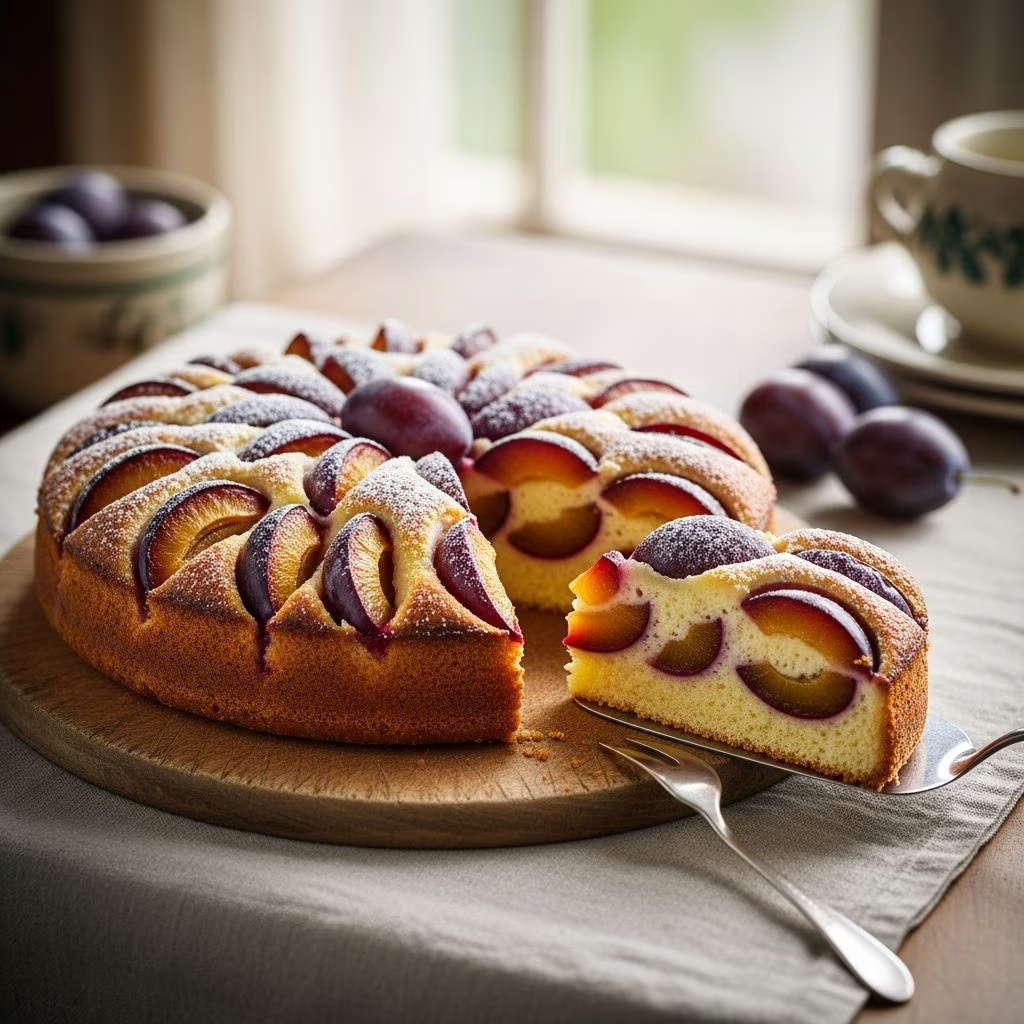
Plum kuchen stands as a cornerstone of German baking tradition, cherished for its harmonious blend of tart fruit and sweet pastry. This dessert, often enjoyed during afternoon Kaffee und Kuchen gatherings, features ripe plums nestled atop a simple dough, sometimes enriched with custard or crumbly streusel. Rooted in regional variations across Germany, it highlights seasonal produce like Zwetschgen, the small Italian plums prized for their intense flavor and firm texture.
Understanding the Essence of Plum Kuchen
At its core, plum kuchen—known as Pflaumenkuchen or Zwetschgenkuchen—combines a yeasted or shortcrust base with halved plums arranged skin-side up. The fruit releases juices during baking, infusing the cake with natural tartness that balances the dough’s subtle sweetness. Unlike denser fruit pies, kuchen remains light and sliceable, making it ideal for sharing. Historical recipes trace back to Central European households, where plums were abundant in late summer, evolving into countless family adaptations.
Key to authenticity is selecting the right plums. European prune plums (Zwetschgen) are preferred over larger varieties due to their smaller pits, vivid purple hue, and ability to hold shape without turning mushy. These plums cook down slightly, creating a glossy topping that contrasts beautifully with the golden crust.
Essential Ingredients for Success
Building a superior plum kuchen relies on pantry staples transformed through precise ratios. Here’s a breakdown of components inspired by classic formulations:
- Dough Base: Flour forms the structure, often mixed with milk, oil or butter, sugar, salt, and yeast or baking powder for lift. A simple oil-based dough presses easily into pans without rolling.
- Fruit Layer: About 2-4 pounds of fresh plums, pitted and halved. Canned plums work in a pinch but drain thoroughly to avoid sogginess.
- Custard or Topping: Eggs, sugar, sour cream or yogurt, vanilla, and a touch of flour create a creamy pour-over that sets during baking. Streusel adds crunch with butter, flour, and sugar.
| Component | Classic Amount (9×13 pan) | Role |
|---|---|---|
| Flour (dough) | 2.5-3.25 cups | Structure and tenderness |
| Plums | 12-20 halves (2-4 lbs) | Tart flavor and moisture |
| Sugar (total) | 1-1.5 cups | Sweetness balance |
| Butter/Oil | 3/4 cup oil or 1.5 sticks butter | Richness and flakiness |
These proportions yield 12-16 servings, scalable for sheet pans in traditional German baking.
Step-by-Step Baking Guide
Preparing plum kuchen demands minimal equipment—a mixing bowl, spatula, and 9×13 baking dish—but rewards with impressive results. Follow these stages for flawless execution:
- Prepare the Dough: Combine warm milk, oil or softened butter, sugar, salt, and flour. For yeasted versions, activate yeast in milk first, then knead lightly. Press into an ungreased pan, building edges 1 inch high to contain juices.
- Arrange Plums: Wash and halve plums, removing pits. Place cut-side down in tight rows, covering the dough fully. For elegance, fan-slice halves by making 3-4 shallow cuts without severing completely.
- Add Custard (Optional): Whisk eggs, sugar, sour cream, vanilla, and flour until airy and pale, about 2-3 minutes. Pour evenly over plums for a cheesecake-like layer.
- Incorporate Streusel: Rub cold butter into flour, sugar, and vanilla to form coarse crumbs. Scatter atop for texture contrast.
- Bake: Preheat to 350-375°F. Bake 30-45 minutes until edges brown, center sets (no jiggle), and a tester emerges clean. Cool 15 minutes before slicing.
Proofing time varies: yeasted doughs rise 1-1.5 hours; quicker doughs skip this. Total active time: 25-30 minutes.
Pro Tips for Perfect Texture and Flavor
- Plum Selection: Ripe but firm Zwetschgen prevent excess wateriness. If unavailable, black plums suffice; avoid overly juicy types.
- Dough Handling: Wet hands prevent sticking when pressing dough. For crispness, chill streusel before applying.
- Baking Precision: Position rack in lower third for even browning. Tent with foil if topping darkens too quickly.
- Flavor Boosts: Lemon zest in custard or cinnamon-sugar on plums enhances complexity without overpowering.
- Storage: Refrigerate leftovers up to 3 days; freeze slices wrapped tightly for 2 months. Reheat gently to revive moisture.
Delicious Variations to Explore
German baking thrives on adaptability. Tailor plum kuchen to preferences or available fruits:
- Yeasted Version: Use active dry yeast, milk, and egg for a fluffy, bread-like base. Ideal for large sheet cakes.
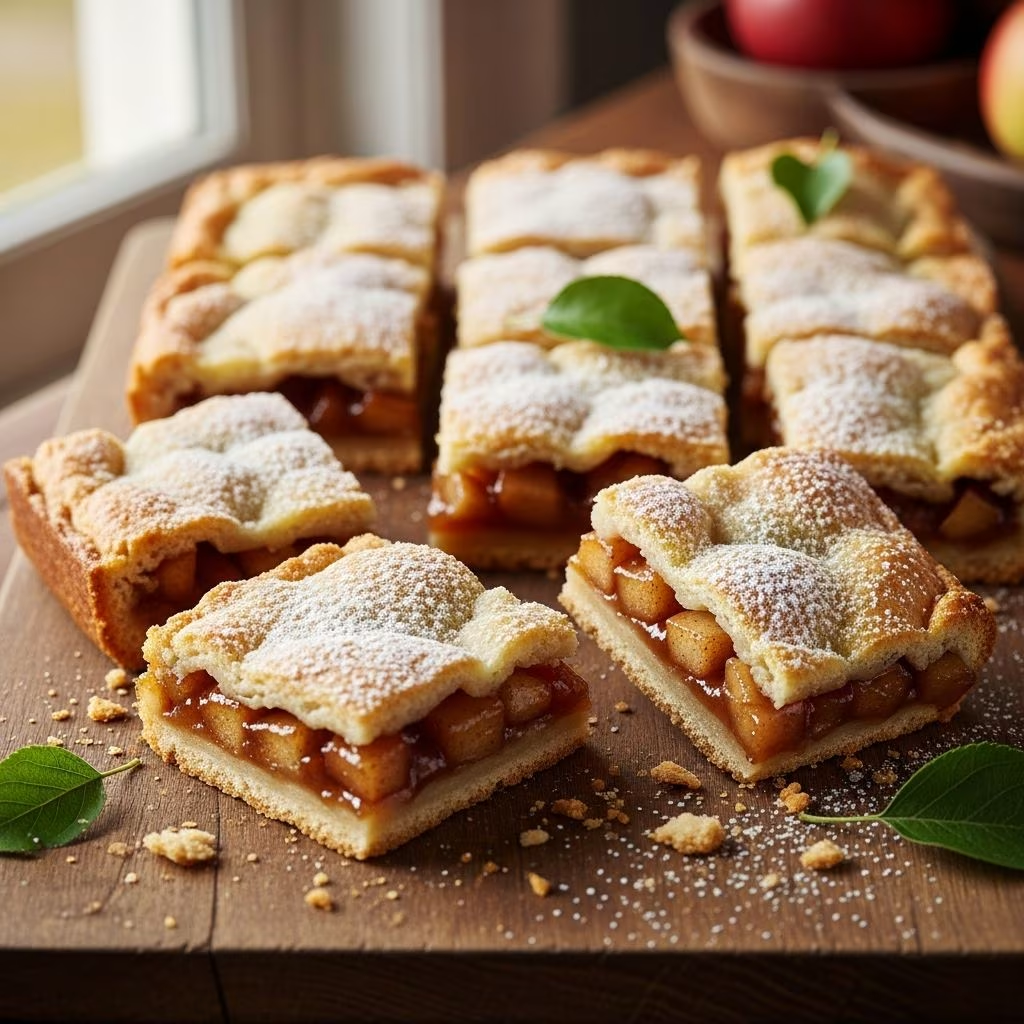
- Crumb Bars: Bake in a square pan with thick streusel for portable treats. Substitute plums with apples or rhubarb.
- Cheesecake Style: Double custard with yogurt or quark for creamy indulgence.
- Fruit Swaps: Apricots, cherries, or berries in season mimic regional specialties like Aprikosenkuchen.
- Vegan Adaptations: Swap eggs with aquafaba, dairy with plant-based alternatives for inclusive baking.
Pairing and Serving Suggestions
Serve plum kuchen warm or at room temperature with unsweetened whipped cream or vanilla ice cream to temper its tang. In Germany, it’s a fixture alongside strong coffee or tea during social afternoons. For brunch, dust with powdered sugar; for dessert, drizzle with custard sauce.
Nutritional profile per slice (1/16th): Approximately 300-400 calories, balancing carbs from plums and dough with minimal protein from eggs. It’s naturally gluten-containing but adaptable.
Frequently Asked Questions
Can I use canned plums?
Yes, drain thoroughly and pat dry to mimic fresh texture. Reduce added sugar slightly.
Why is my kuchen soggy?
Overripe plums or underbaked center cause this. Ensure full coverage and bake until set.
Freezes well?
Absolutely—portion and freeze up to 2 months. Thaw overnight in fridge.
Difference between Pflaumenkuchen and Zwetschgenkuchen?
Zwetschgen are smaller prune plums; recipes are interchangeable but Zwetschgen yield superior results.
No yeast needed?
Quick doughs with baking powder or oil work perfectly for beginners.
Nutritional Insights and Dietary Notes
Plum kuchen offers antioxidants from plums, supporting digestion and immunity. A serving provides vitamin C, fiber, and moderate sugars. For low-sugar versions, halve sweeteners and rely on fruit ripeness. Always consult dietary needs for allergies.
This versatile dessert bridges generations, evoking Oma’s kitchen with every bite. Experiment confidently to make it your signature bake.
References
- Simple German Plum Kuchen Recipe — Honest And Truly. 2020. https://honestandtruly.com/german-plum-kuchen-recipe/
- Plum Kuchen — Smitten Kitchen. 2009-07-28. https://smittenkitchen.com/2009/07/plum-kuchen/
- German Plum Crumb Bars — LeelaLicious. N/A. https://leelalicious.com/german-plum-crumb-bars/
- The BEST German Plum Cake (Pflaumenkuchen) — Dirndl Kitchen. N/A. https://dirndlkitchen.com/plum-cake/
- Classic German Plum Cake | Pflaumenkuchen — Our Gabled Home. N/A. https://ourgabledhome.com/classic-german-plum-cake-pflaumenkuchen/
- German Plum Cake with Streusel and Shortcrust Pastry — Cinnamon and Coriander. N/A. https://cinnamonandcoriander.com/en/german-plum-cake-with-streusel-and-shortcrust-pastry-zwetschgendatschi/