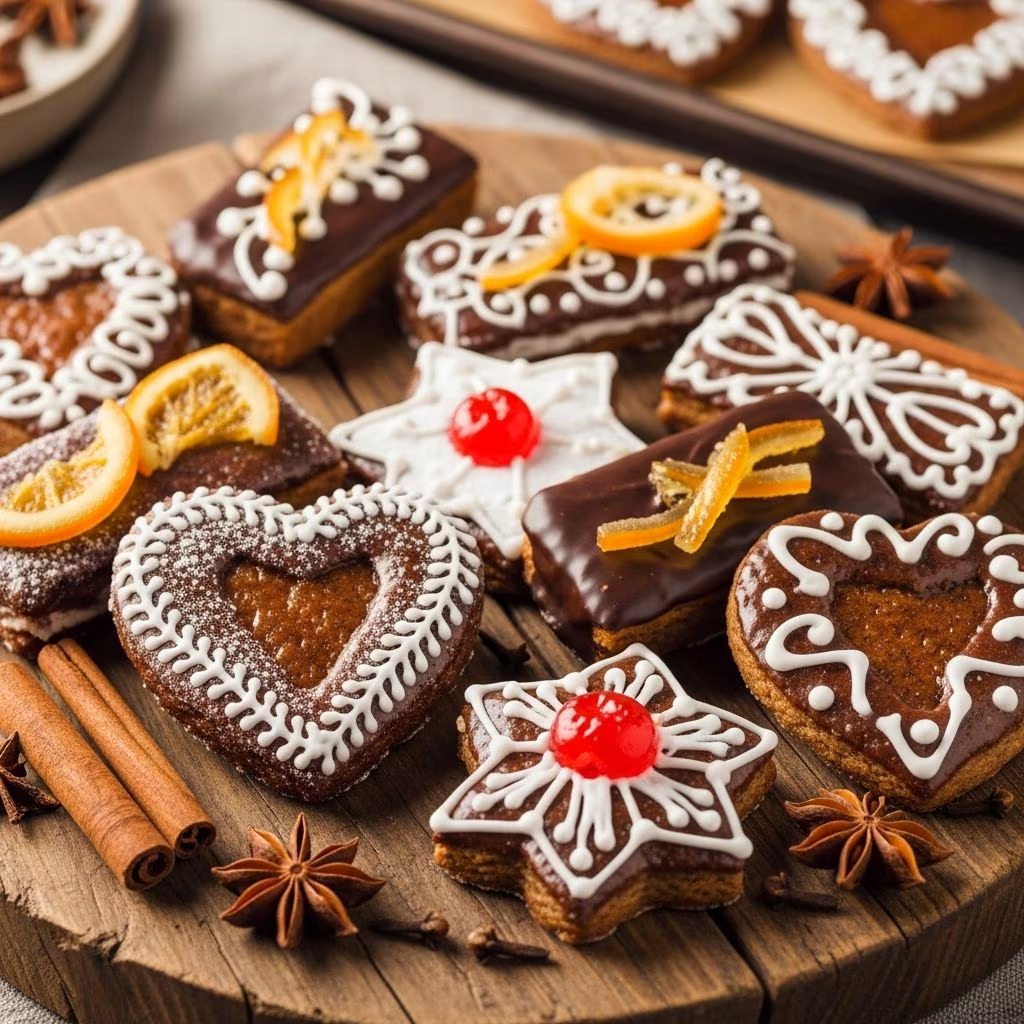
German Lebkuchen represent a cornerstone of festive baking traditions, blending warm spices, honey, and nuts into chewy, aromatic treats. These cookies, often enjoyed during Christmas markets and family gatherings, offer a taste of centuries-old craftsmanship. Originating from regions like Nuremberg, Lebkuchen vary from soft gingerbread-style cakes to nut-heavy drop cookies, all united by their distinctive spice profile and lingering sweetness.
The Origins and Cultural Significance of Lebkuchen
Lebkuchen trace their roots to medieval Germany, where monasteries crafted these spiced confections using honey—a precious commodity preserved through the ages. The name ‘Lebkuchen’ derives from the Latin ‘libum,’ meaning sweet bread, evolving into the German term for gingerbread. By the 14th century, Nuremberg became synonymous with Elisenlebkuchen, a premium variety distinguished by its high nut content and minimal flour.
These cookies hold deep cultural ties to Advent and Christmas. Bakers in Nuremberg received exclusive rights to produce them, stamping guilds on each piece as a mark of authenticity. Today, Lebkuchen symbolize warmth and nostalgia, appearing at Weihnachtsmärkte (Christmas markets) wrapped in festive foils or adorned with chocolate glaze. Their enduring popularity stems from a balance of chewiness, spice complexity, and natural sweetness from honey.
Key Ingredients That Define Lebkuchen Flavor
The magic of Lebkuchen lies in its unique ingredient synergy. Honey provides moisture and subtle floral notes, while nuts like ground almonds and hazelnuts deliver richness and texture. Spices form the heart, with Lebkuchengewürz—a custom blend of cinnamon, cloves, cardamom, ginger, nutmeg, coriander, and allspice—creating an aromatic depth unmatched by standard gingerbread.
Candied citrus peels add bursts of tangy sweetness, preventing the cookies from becoming overly dense. Eggs contribute structure and lightness, especially in flourless versions. Brown sugar or granulated sugar enhances caramelization, and a touch of baking powder or soda ensures a tender crumb. For traditional touches, edible wafers (Backoblaten) serve as bases, absorbing moisture without sogginess.
| Ingredient | Role | Common Variations |
|---|---|---|
| Honey | Moisture, sweetness | Dark vs. light honey |
| Ground Nuts (Almonds/Hazelnuts) | Body, nuttiness | Almond flour only |
| Lebkuchengewürz | Signature spice | Homemade vs. store-bought |
| Candied Peel | Citrus brightness | Lemon/orange mix |
| Eggs | Leavening, binding | 4-5 large eggs |
How Lebkuchen Spice Mix Sets It Apart
Lebkuchengewürz is non-negotiable for authenticity. Unlike American gingerbread’s dominant ginger and molasses, this blend emphasizes a symphony of warming spices. A typical recipe includes 2 parts cinnamon, 1 part each of cloves, cardamom, ginger, nutmeg, anise, coriander, and allspice, with a pinch of white pepper for subtle heat.
Grind whole spices fresh for maximum potency, toasting them lightly to release oils. Store-bought versions work but often lack intensity; homemade ensures vibrancy. This mix not only flavors but also aids preservation, a nod to Lebkuchen’s medieval origins when they were travel rations.
Mastering the Dough: Step-by-Step Guide
Lebkuchen dough requires patience, often resting overnight to meld flavors and relax gluten. Begin by gently heating honey and sugar until dissolved, avoiding boiling to preserve honey’s nuances. Stir in butter, eggs, zest, and spices swiftly to prevent curdling.
- Prepare wet base: Microwave or stovetop honey (½-1 cup) with brown sugar (1-1¼ cups) until melted. Add cubed butter (¼ cup) and lemon zest (1-2 tsp); stir until smooth.
- Incorporate dry elements: Mix in egg, baking agents (½ tsp each powder/soda), salt, and Lebkuchengewürz (1-3 tbsp). Fold in flour (if using, ¼-1¾ cups) and ground nuts (1¾-4 cups total).
- Add fruits: Pulse candied peels (½-8 oz each lemon/orange) finely; coat in flour to prevent sinking.
- Rest dough: Form into a ball, cover, and chill 1 hour to overnight. This hydrates nuts and intensifies spices.
The result is a sticky, fragrant mass—resist adding excess flour, as it toughens the cookies.
Baking Techniques for Perfect Texture
Preheat to 300-350°F (150-175°C). For drop cookies, portion 1-2 tbsp scoops onto parchment or Backoblaten. Roll-outs need ¾-inch thickness, cut into rounds or hearts. Bake 12-35 minutes until set but soft; edges firm while centers stay chewy.
Cool on racks to prevent steaming. Traditional Elisenlebkuchen bake low and slow at 300°F for 25-28 minutes, yielding domed, crackly tops. Overbaking dries them out—aim for slight give when pressed.
Glazes and Toppings: Elevating Your Lebkuchen
No Lebkuchen is complete without a glossy finish. Simple sugar glaze (powdered sugar + lemon juice/water) dries shiny. Chocolate glaze melts 4-8 oz dark chocolate with 1-2 tsp oil for dip-or-drizzle.
- Classic white glaze: 1 cup powdered sugar + 2-3 tbsp liquid (juice/milk).
- Chocolate version: Melt chocolate; dip cooled cookies halfway.
- Nut accents: Blanched almonds halved lengthwise on edges before baking.
Allow glazes to set 1-2 hours. For storage, unglazed cookies keep longer, glazing just before serving.
Recipe Variations for Every Baker
Adapt Lebkuchen to preferences or dietary needs. Gluten-free swaps almond/hazelnut flours entirely, mimicking Elisenlebkuchen. Vegan versions use aquafaba or flax eggs, maple for honey.
| Variation | Key Changes | Bake Time |
|---|---|---|
| Flourless Elisen | Nuts only, Backoblaten base | 25-28 min @ 300°F |
| Soft Cake Style | More flour/honey, sheet pan | 35 min @ 350°F |
| Gluten-Free | 100% nut flours | 12-15 min @ 350°F |
| Chocolate-Dipped | Post-bake dip | Standard |
Experiment with rum-soaked peels or orange zest for twists.
Storage and Make-Ahead Strategies
Lebkuchen improve with age, their spices blooming over weeks. Store airtight at room temp up to 1 month, or freeze dough/baked (unglazed) for 3 months. Tin-lined boxes mimic traditional preservation, softening chewiness.
For gifting, layer with parchment in decorative tins. Humidity softens them delightfully—ideal after 2 weeks rest.
Pairing Lebkuchen with Beverages and Desserts
These cookies shine with mulled wine (Glühwein), its acidity cutting richness. Coffee or hot chocolate balances sweetness; herbal teas like chamomile enhance spices. Crumble into trifles or ice cream for modern desserts.
Frequently Asked Questions (FAQs)
What makes Lebkuchen different from regular gingerbread?
Lebkuchen uses a complex spice mix, more nuts, and honey prominence, often resting dough for deeper flavor. It’s chewier, less gingery.
Can I skip the resting period?
Resting (1hr-overnight) is crucial for flavor melding and texture; skipping yields drier, less flavorful results.
Where to find Backoblaten?
Online German specialty shops or substitute rice paper/communion wafers.
How long do baked Lebkuchen last?
Up to 1 month airtight; they soften and improve over time.
Is Lebkuchengewürz necessary?
Yes for authenticity; make your own or buy German brands for best results.
Lebkuchen embody holiday joy through simple, spice-laden alchemy. With practice, you’ll craft batches rivaling Nuremberg’s finest.
References
- Lebkuchen (German Spice Cookies) — Kitchen Fun With My 3 Sons. 2023. https://kitchenfunwithmy3sons.com/lebkuchen-german-spice-cookies/
- Authentic German Lebkuchen Recipe — Plated Cravings. 2023. https://platedcravings.com/german-gingerbread-elisenlebkuchen/
- Holiday Lebkuchen | Gingerbread Cake Recipe — Our Gabled Home. 2023. https://ourgabledhome.com/how-to-make-german-lebkuchen-gingerbread/
- Authentic German Lebkuchen — The Daring Gourmet. 2023. https://www.daringgourmet.com/traditional-nuernberger-elisenlebkuchen-german-lebkuchen/
- Elisenlebkuchen (Authentic German Gingerbread Cookies) — Kitchen Frau. 2023. https://www.kitchenfrau.com/elisenlebkuchen/
- Advent Lebkuchen — Rosemary Mark. 2023. https://www.rosemarymark.com/advent-lebkuchen/