Why Make Cranberry Sauce From Scratch
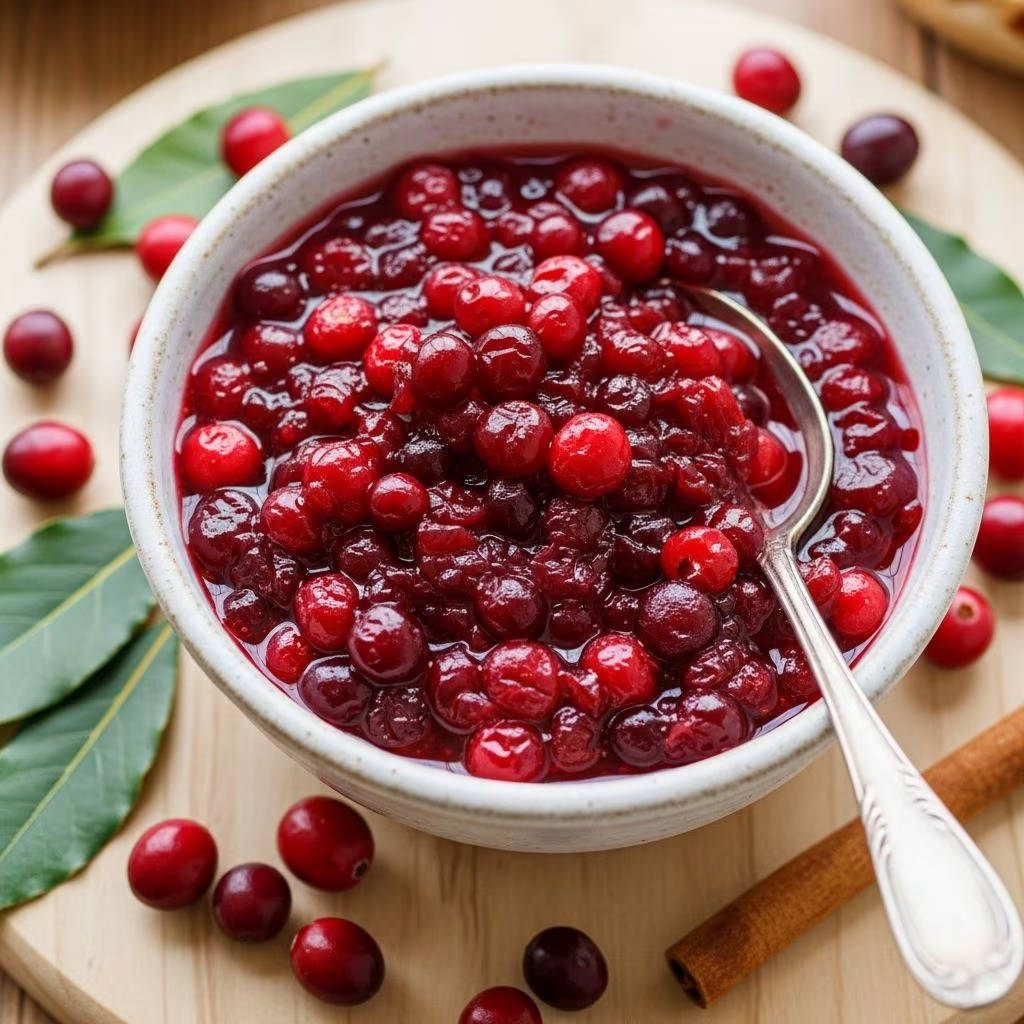
Preparing cranberry sauce at home offers numerous advantages over store-bought alternatives. Fresh cranberry sauce delivers a vibrant, tart flavor that complements rich holiday meals perfectly. The bright ruby color and natural tartness cut through heavier dishes, cleansing the palate between bites. By making your own sauce, you control the sweetness level, ingredient quality, and texture preferences. Store-bought versions often contain excessive additives, preservatives, and refined sugars, whereas homemade versions feature whole cranberries and natural ingredients you recognize.
The simplicity of preparation cannot be overstated. Most homemade cranberry sauce recipes require just five to ten minutes of active cooking time, making them accessible to cooks of all skill levels. The minimal ingredient list keeps preparation straightforward while delivering maximum flavor impact.
Essential Ingredients for Perfect Cranberry Sauce
Creating exceptional cranberry sauce starts with quality ingredients. The foundation relies on a few core components that work harmoniously together.
Fresh Cranberries: The Star Ingredient
Fresh or frozen cranberries form the foundation of this condiment. A standard batch requires approximately twelve ounces of cranberries, which yields about two to two and a quarter cups of finished sauce. When selecting cranberries, look for firm berries free of bruises or soft spots. Frozen cranberries work equally well as fresh options and require no thawing before cooking.
Sweetening Agents
Sugar balances the natural tartness of cranberries. Different sweetening approaches yield varying flavor profiles. Traditional recipes employ granulated white sugar, typically ranging from one-half to three-quarters cup. Some cooks prefer combining white sugar with brown sugar or light brown sugar to add depth and subtle molasses notes. Alternative sweeteners like honey and maple syrup offer naturally sweetened versions that appeal to health-conscious cooks. Each sweetening option produces distinct flavor characteristics; experimentation determines personal preferences.
Liquid Components
Water and citrus juices create the cooking liquid that transforms cranberries into silky sauce. Water typically comprises one-half to one cup, depending on desired thickness. Orange juice adds brightness and complexity to the final product, ranging from one-half to two-thirds cup per batch. Some recipes incorporate apple cider vinegar for added depth and subtle complexity.
Flavor Enhancers
Complementary spices elevate basic cranberry sauce into a sophisticated condiment. Ground cinnamon appears frequently, adding warmth and spice. Ground cloves provide another aromatic option. Orange zest intensifies citrus flavors without adding liquid. A pinch of salt enhances overall flavor perception and balances sweetness.
Step-by-Step Preparation Method
Initial Setup and Ingredient Preparation
Begin by rinsing cranberries thoroughly under cold water and draining excess moisture completely. Inspect the berries carefully, discarding any that appear mushy, bruised, or discolored. This crucial step ensures your finished sauce contains only quality fruit.
Combining and Heating
Pour sugar, water, and citrus juice into a medium-sized saucepan over medium heat. Stir occasionally until sugar dissolves completely and the mixture reaches a rolling boil. The time required varies based on heat intensity and ingredient proportions, typically ranging from three to five minutes. Once boiling, add prepared cranberries along with optional spices and salt.
The Cooking Process
Return the mixture to a boil, then reduce heat to medium or medium-low to maintain a gentle simmer. Cook uncovered, stirring occasionally to prevent sticking and ensure even heat distribution. The cooking duration typically spans ten to fifteen minutes, depending on desired consistency and cranberry size. As berries heat, their skins rupture and release pectin naturally, thickening the sauce. Some cooks prefer berries to burst completely, while others enjoy leaving some whole berries intact for textural interest.
Texture Customization
For those preferring smoother sauce, a potato masher or flat-bottomed glass can further break down berries after cooking. Some cooks blend portions of the sauce for varied textures combining smooth and chunky elements. The sauce continues thickening as it cools due to pectin set, so removing it from heat slightly thinner than desired final consistency prevents overly firm results.
Cooling and Storage Guidelines
After cooking, transfer sauce to a serving dish and allow it to cool completely at room temperature before refrigerating. This cooling period permits proper thickening. Store prepared cranberry sauce in airtight containers in the refrigerator for up to two weeks, or freeze for up to three months.
Popular Recipe Variations
| Recipe Style | Key Ingredients | Distinctive Features |
|---|---|---|
| Classic Traditional | Sugar, water, cranberries | Simple, pure cranberry flavor |
| Citrus-Enhanced | Orange juice, orange zest, cranberries | Bright, zesty notes |
| Spiced Variation | Cinnamon, cloves, cranberries | Warm holiday spice profile |
| Naturally Sweetened | Honey or maple syrup, cranberries | Subtle sweetness, health-conscious option |
| Brown Sugar Blend | White and brown sugar combination | Deeper molasses undertones |
Ingredient Selection and Quality Considerations
Choosing fresh cranberries during peak season offers superior flavor and quality. The cranberry harvest typically occurs in autumn, making fall the optimal purchasing window. Frozen cranberries provide year-round availability without compromising quality, as freezing preserves nutrients and flavor when berries are harvested at peak ripeness.
For sweetening components, select pure granulated sugar, pure honey, or pure maple syrup without additives or syrups. These quality ingredients produce cleaner flavor profiles than alternative products. Orange juice should be freshly squeezed when possible, though high-quality bottled versions work adequately. Organic produce, when available, reduces pesticide exposure and supports sustainable farming practices.
Common Preparation Questions and Solutions
How thick should cranberry sauce be?
Ideal thickness resembles jam consistency—spreadable yet scoopable. Sauce thickens considerably as it cools due to natural pectin release. Remove from heat slightly thinner than desired final consistency to prevent over-thickening. If sauce remains too thin after cooling, return to the saucepan and simmer additional minutes. If too thick, thin with water, juice, or additional liquid while reheating.
Can I use frozen cranberries instead of fresh?
Frozen cranberries work excellently and require no preparation beyond rinsing and inspection. They produce identical results to fresh berries and offer convenience when fresh options are unavailable. Skip the thawing step; cook directly from frozen, though cooking time may extend slightly.
What causes cranberries to stick or burn?
Insufficient heat reduction or prolonged high-heat cooking causes sticking and burning. Maintain a gentle simmer and stir occasionally throughout cooking. Use appropriate cookware with adequate surface area and even heat distribution. If sticking occurs, transfer sauce to a new saucepan if possible.
How can I adjust sweetness levels?
Taste sauce midway through cooking and adjust sweeteners as desired. Whisk in additional sugar if too tart, or add water to dilute excessive sweetness. Remember that sauce tastes less sweet after cooling; account for this when adjusting. Citrus juice naturally balances tartness without additional sweeteners.
Can I prepare cranberry sauce ahead of time?
Prepare sauce up to two weeks in advance and refrigerate in airtight containers. Prepare and freeze up to three months beforehand for maximum convenience. The flavors actually meld and improve slightly over a day or two, making advance preparation advantageous for holiday entertaining.
Nutritional Profile and Health Benefits
Cranberries offer significant nutritional benefits beyond exceptional taste. Fresh cranberries contain substantial vitamin C content, supporting immune function and collagen production. They provide dietary fiber and contain compounds with potential antioxidant properties. A two-tablespoon serving contains approximately fifty-one calories and thirteen grams of carbohydrates, primarily from natural fruit sugars and added sweeteners.
The naturally tart flavor requires sweetening for palatability, making homemade versions healthier than many commercial alternatives through reduced additive and preservative content. By controlling sweetener amounts, cooks can create versions aligned with personal dietary preferences and nutritional goals.
Serving Suggestions and Pairings
Cranberry sauce complements numerous holiday dishes and year-round meals. Serve alongside roasted turkey, ham, or chicken as a traditional accompaniment. The tart flavor pairs beautifully with rich poultry and game meats. Layer cranberry sauce over vanilla ice cream for simple desserts, swirl into yogurt parfaits, or serve on cheese boards with aged cheddar and brie. Use as a glaze for roasted root vegetables, incorporate into cocktails, or top pancakes and waffles for breakfast applications.
Equipment and Cookware Recommendations
A medium-sized saucepan with thick bottoms prevents scorching and distributes heat evenly. Nonstick cookware simplifies cleanup and prevents sticking issues. A wooden spoon or heat-resistant silicone spatula enables comfortable stirring without scratching surfaces. Additional helpful tools include potato mashers for texture customization, fine mesh strainers for rinsing berries, and airtight containers for storage.
Troubleshooting Common Issues
If sauce fails to thicken adequately, continue simmering longer to allow pectin to fully set. If texture becomes too thick, thin with liquid while reheating. If flavor tastes too tart, incorporate additional sweetener gradually. If berries remain whole after cooking, simmer slightly longer or mash manually. If sauce appears watery after cooling, the recipe likely contained excessive liquid; adjust proportions when preparing future batches.
Conclusion
Homemade cranberry sauce represents an accessible, rewarding kitchen endeavor suitable for experienced and novice cooks alike. With minimal ingredients and straightforward preparation methods, anyone can produce restaurant-quality sauce surpassing commercial versions in flavor and quality. The versatility accommodates various taste preferences through ingredient adjustments and flavor additions. Whether following traditional recipes or experimenting with personal variations, homemade cranberry sauce elevates holiday meals and provides year-round serving possibilities. The combination of natural tartness, customizable sweetness, and elegant appearance makes this condiment an invaluable addition to any cook’s repertoire.
References
- Ocean Spray Fresh Cranberry Sauce Recipe — Ocean Spray Cranberries, Inc. https://www.oceanspray.com/recipes/fresh-cranberry-sauce
- Easy Homemade Cranberry Sauce Recipe — She Wears Many Hats. https://shewearsmanyhats.com/easy-homemade-cranberry-sauce-recipe/
- The BEST Cranberry Sauce — Mom On Timeout. https://www.momontimeout.com/best-ever-cranberry-sauce/
- Homemade Cranberry Sauce — Sugar Spun Run. https://sugarspunrun.com/homemade-cranberry-sauce/
- Homemade Cranberry Sauce — The Modern Proper. https://themodernproper.com/classic-cranberry-sauce
- Naturally Sweetened Cranberry Sauce Recipe — Cookie and Kate. https://cookieandkate.com/naturally-sweetened-cranberry-sauce-recipe/
- Easy Cranberry Sauce — Southern Bite. https://southernbite.com/easy-cranberry-sauce/
- Make Perfect Cranberry Sauce in 5 Minutes — YouTube (Oh Yum with Anna Olson). https://www.youtube.com/watch?v=f79FeMr1QAA