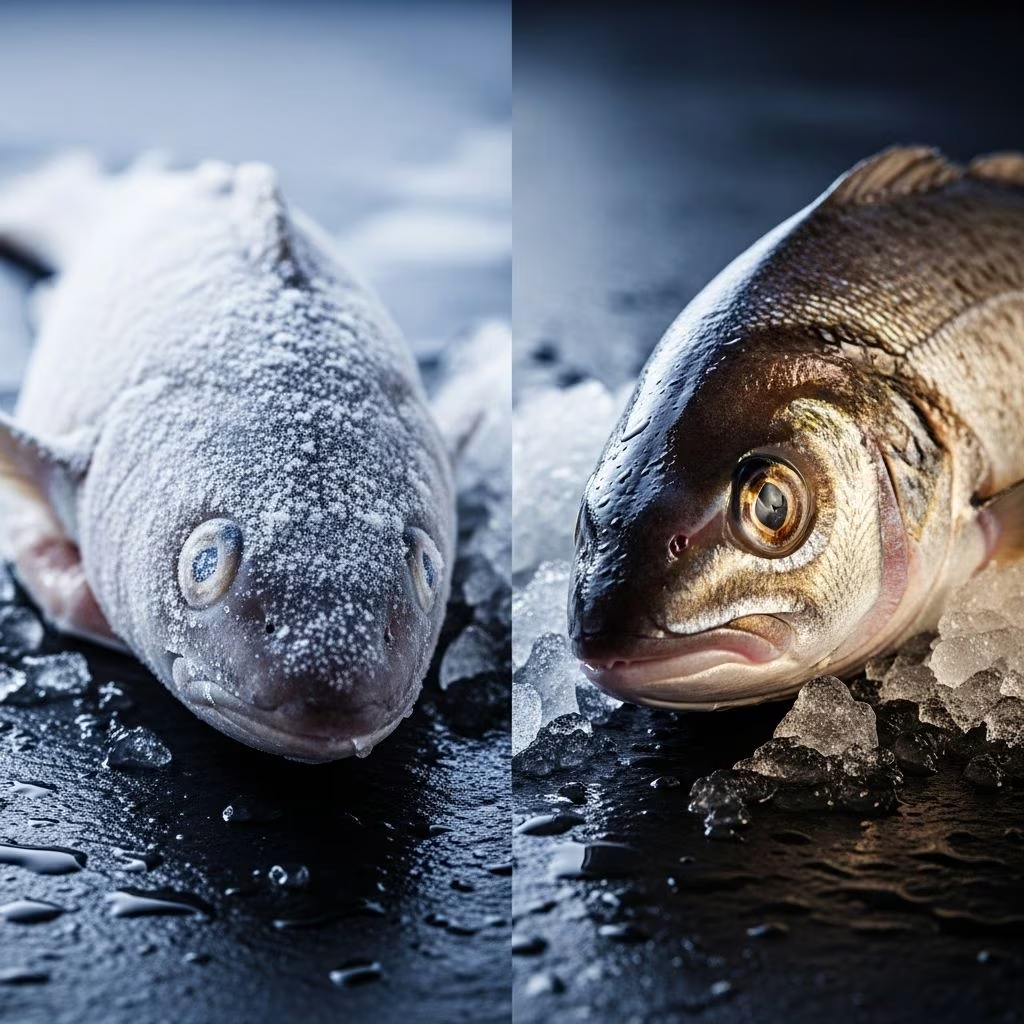
Many home cooks assume fresh fish is always superior, but scientific evidence and industry insights reveal that **frozen fish** frequently equals or surpasses fresh in nutrition, freshness, and practicality. Flash-freezing technology captures seafood at its peak, making it a reliable choice for health-conscious consumers.
Understanding the Freezing Process and Its Impact
The key to high-quality frozen fish lies in **flash-freezing**, where seafood is rapidly chilled to extremely low temperatures shortly after harvest. This method, often using liquid nitrogen or specialized belt freezers, forms tiny ice crystals that preserve cell structure, locking in flavor, texture, and nutrients. Unlike slow freezing, which can damage tissues and lead to mushiness upon thawing, flash-freezing maintains the fish’s integrity.
Fish labeled “frozen at sea” undergoes this process aboard vessels, halting bacterial growth and enzymatic breakdown within hours of capture. In contrast, so-called fresh fish may travel thousands of miles over days, potentially losing quality despite ice packing.
Nutritional Showdown: Do They Really Compare?
Nutritionally, frozen and fresh fish are virtually identical when properly handled. Freezing does not degrade core nutrients like protein, omega-3 fatty acids, vitamins B12 and D, or minerals such as selenium and iodine.
| Nutrient | Fresh Fish | Frozen Fish (Flash-Frozen) | Notes |
|---|---|---|---|
| Protein | High | High | Identical retention |
| Omega-3s (EPA/DHA) | Preserved | Preserved | No degradation; supports heart and brain health |
| Vitamin B12 & D | Present | Present | Fully maintained |
| Minerals (Iodine, Selenium) | Abundant | Abundant | Freezing seals them in |
Some water-soluble vitamins may leach slightly during thawing, but the loss is minimal compared to nutrient decline in fresh fish left sitting. Organizations like the National Fisheries Institute affirm that properly frozen fish retains full nutritional value.
Taste and Texture: Myths Busted
Perception often favors fresh fish for its supposed superior taste, but blind tests show flash-frozen options preferred for their consistent vibrancy. Fresh fish can develop off-flavors from oxidation during transport, while frozen varieties stay pristine.
- Texture preservation: Tiny ice crystals prevent cell rupture, yielding firm, flaky results post-thaw.
- Flavor locking: Freezing at -30°F or lower in under 10 minutes captures peak freshness.
- Sushi-grade standard: High-end sashimi requires frozen fish to eliminate parasites safely.
For optimal taste, thaw frozen fish in the refrigerator overnight rather than microwaving, which can unevenly alter texture.
Health and Safety Advantages
Frozen fish excels in safety by inhibiting bacteria and parasites from the start. The Heart and Stroke Foundation recommends “frozen at sea” options when fresh isn’t available, as they match fresh nutrition post-thaw. Omega-3s in both forms reduce heart disease risk, support brain function, and aid weight management.
Farmed versus wild adds nuance: farmed fish may have higher omega-3s but more calories; freezing preserves these traits equally. Always check for sustainable sourcing to minimize contaminants.
Practical and Economic Wins for Home Cooks
Beyond quality, frozen fish offers unmatched convenience:
- Shelf life: 3-6 months in the freezer versus days for fresh.
- Portioning: Thaw only what you need, cutting waste.
- Cost savings: Bulk buys and stable pricing beat fluctuating fresh markets.
- Meal prep: Ideal for busy schedules without spoilage pressure.
Environmentally, reduced waste from longer storage supports sustainability.
How to Select and Prepare the Best Fish
Choose IQF (individually quick frozen) or “frozen at sea” labels for top quality. Avoid refrozen fish, identifiable by ice crystals or dry spots.
- Buying tips: Opt for vacuum-sealed packs from reputable brands; check harvest dates.
- Thawing methods: Refrigerator (best), cold water (faster), never room temperature.
- Cooking ideas: Grill, bake, or poach thawed fillets; use frozen directly in soups or stews.
Recipe table for quick wins:
| Dish | Frozen Fish Type | Prep Time | Key Benefit |
|---|---|---|---|
| Baked Salmon | Flash-frozen portions | 25 min | Omega-3 rich |
| Fish Tacos | Cod fillets | 20 min | Crisp texture |
| Seafood Stew | Mixed shellfish | 30 min | No thawing needed |
Addressing Common Concerns and Counterarguments
Critics claim fresh offers better taste and higher nutrients, citing potential thawing losses. However, studies show these differences are negligible, and “fresh” fish often isn’t fresher. For landlocked shoppers, frozen is frequently superior.
Contamination risks? Freezing kills many pathogens, making it safer for raw prep.
FAQs: Your Frozen vs Fresh Fish Questions Answered
Is frozen fish less healthy than fresh?
No, freezing preserves nutrients equally or better, per scientific consensus.
Does freezing change the taste of fish?
Flash-freezing maintains or enhances taste; improper thawing is the real culprit.
Can I use frozen fish for sushi?
Yes, sashimi-grade frozen fish is required to eliminate parasites.
How long does frozen fish last?
3-6 months at 0°F; label-guided for best quality.
Wild or farmed: which freezes better?
Both do well; prioritize sustainable labels.
Expert Tips for Incorporating More Seafood
Aim for two servings weekly per health guidelines. Mix frozen staples with occasional fresh for variety. Sustainable choices like Alaskan salmon or barramundi maximize benefits.
References
- Frozen vs Fresh Seafood | Difference Between Fresh and Frozen Fish — Anderson Seafoods. 2023. https://www.shopandersonseafoods.com/blogs/news/frozen-vs-fresh-seafood
- Fresh vs. Frozen Seafood: Why Fresh Seafood Is Better — Nordic Catch. 2023. https://nordiccatch.com/blogs/news/fresh-vs-frozen-seafood
- Frozen Vs Fresh Foods: Which Is Healthier? — Simplot Food Myanmar. 2023. https://www.simplotfood.com/myanmar/blog/frozen-vs-fresh-foods-which-is-healthier
- 4 Reasons Why Frozen Fish Is Often Better Than Fresh Fish — Alaska Gold Brand. 2023. https://alaskagoldbrand.com/blogs/news/4-reasons-why-frozen-fish-is-often-better-than-fresh-fish
- Fresh vs Frozen Seafood: Which Is Best? — North Coast Seafoods. 2023. https://www.northcoastseafoods.com/blogs/know-seafood/fresh-vs-frozen-seafood
- Four Reasons to Reconsider Frozen Fish — The Better Fish. 2023. https://www.thebetterfish.com/learning/reconsider-frozen-fish/
- Your Healthy Fish Guide — Heart and Stroke Foundation of Canada. 2024-04-08. https://www.heartandstroke.ca/articles/your-healthy-fish-guide