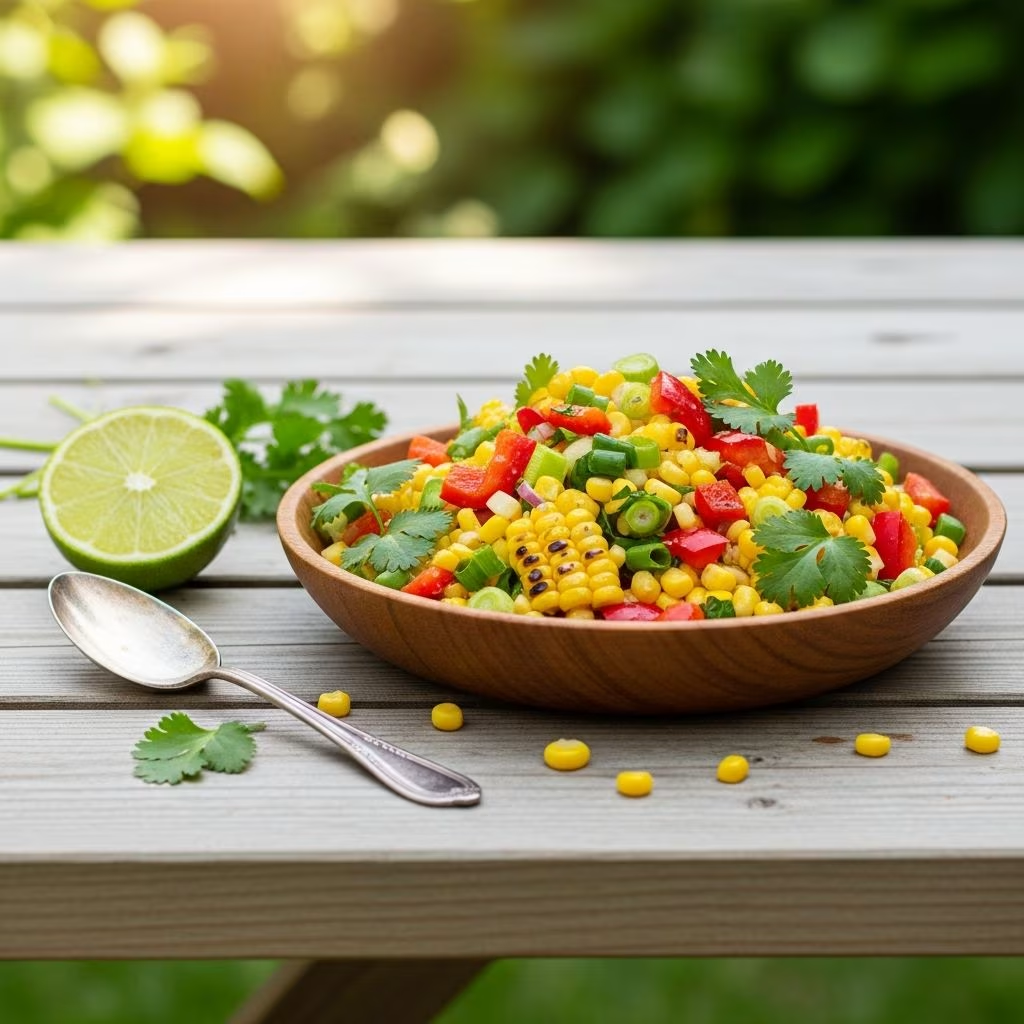
When the warm months arrive, home cooks and entertaining enthusiasts alike seek refreshing dishes that celebrate seasonal produce. A fresh corn salad represents one of the most versatile and crowd-pleasing options available during these warmer periods. This colorful medley combines the natural sweetness of corn kernels with crisp vegetables and bright dressing, creating a dish that complements virtually any summer meal. Unlike heavier side dishes, corn salads offer nutrition-packed ingredients that feel light on the palate while delivering substantial flavor and visual appeal.
The beauty of preparing a corn-based salad extends beyond taste alone. These compositions showcase the vibrant hues of seasonal produce, transforming any table presentation into an eye-catching display. Whether serving at casual backyard gatherings, formal outdoor celebrations, or intimate family dinners, a well-constructed corn salad adapts effortlessly to various occasions and dietary preferences.
Why Corn Salad Deserves a Place on Your Summer Table
Corn salads have earned their position as summer staples for compelling reasons beyond mere convenience. The foundation ingredient—fresh corn—provides natural sugars that develop during the growing season, offering a subtle sweetness that requires minimal additional seasoning. This characteristic makes corn salads forgiving for novice cooks while maintaining sophistication that appeals to experienced culinary enthusiasts.
From a nutritional perspective, corn contributes valuable fiber, essential vitamins, and minerals to any meal composition. When combined with fresh vegetables like bell peppers, tomatoes, and cucumbers, the nutritional profile becomes substantially enriched. The result is a side dish that satisfies both dietary goals and taste preferences, making it an excellent choice for health-conscious entertaining.
The make-ahead quality of corn salads presents another significant advantage. Preparation steps can be completed hours in advance, allowing flavors to meld while reducing last-minute cooking stress. This characteristic proves invaluable when managing multiple dishes during entertaining seasons.
Essential Components: Building Your Base
Creating a successful corn salad begins with understanding the role each component plays in the finished dish. The primary ingredient—corn kernels—provides structural integrity and flavor foundation. Fresh corn on the cob delivers superior texture and taste compared to canned alternatives, though frozen corn works admirably when fresh options are unavailable.
Corn Selection and Preparation Methods
Several cooking techniques yield delicious results when preparing corn for salad composition. Grilling corn on the cob imparts a desirable smokiness while developing caramelized notes that enhance overall depth. Boiling offers a straightforward alternative requiring minimal equipment, while steaming preserves delicate sweetness without water-logging kernels. Some cooks prefer blanching corn briefly before chilling, a method that maintains tender texture while halting enzymatic changes that can affect flavor quality.
Regardless of chosen preparation method, allowing corn to cool completely before kernel removal prevents temperature transfer to other ingredients. Once cooled, kernels slide easily from the cob using a sharp knife or specialized corn-stripping tool. A single ear typically yields approximately three-quarters cup of kernels, providing a useful measurement reference when scaling recipes.
Vegetable Components That Add Color and Crunch
Beyond corn, fresh vegetables create textural contrast and visual interest. Cherry tomatoes contribute bright color and subtle acidity, balancing corn’s natural sweetness. These smaller tomato varieties require minimal cutting while providing abundant flavor and visual appeal. Halving or quartering tomatoes according to size preference ensures consistent pieces throughout the finished salad.
Bell peppers—particularly red, orange, or yellow varieties—introduce sweetness and crunch while contributing antioxidant compounds. Their diced form distributes evenly throughout the composition, ensuring flavor presence in each spoonful. Red onions provide pungent bite that cuts through richness, though their intensity can be tempered by soaking diced pieces in cold water for fifteen minutes before incorporation.
Cucumber additions contribute refreshing coolness and light crunch. English or Persian varieties feature tender skin requiring no peeling, whereas standard grocery store cucumbers benefit from skin removal before dicing. This vegetable category prevents the salad from becoming too dense, maintaining lightness appreciated during warm weather consumption.
Dressing Foundations: Creating Flavor Harmony
A well-constructed dressing unifies disparate ingredients while enhancing inherent flavors rather than masking them. The most successful corn salad dressings employ simple, complementary components whisked together to form cohesive flavor profiles.
Oil and Acid Balance
Quality extra-virgin olive oil forms the fat foundation, contributing subtle fruity notes that enhance rather than dominate. The acid component—typically vinegar or citrus juice—provides brightness and helps preserve the salad’s fresh quality during storage. Rice vinegar offers mild acidity with subtle sweetness, while apple cider vinegar contributes deeper complexity. Fresh lime juice delivers vibrant citrus character that pairs beautifully with corn’s natural sweetness, whereas lemon juice provides slightly more assertive acidity.
The traditional ratio of three parts oil to one part acid serves as a starting point, though personal preference and specific ingredient characteristics may warrant adjustment. Tasting and modifying proportions ensures the dressing enhances rather than overwhelms the delicate vegetable components.
Flavor Enhancement Elements
Garlic powder, when used judiciously, adds subtle savory depth without introducing raw garlic’s aggressive bite. Salt amplifies natural flavors and should be added gradually, as taste preferences vary considerably. Freshly ground black pepper contributes warmth and complexity that pre-ground versions often lack.
Fresh herbs deserve special attention in dressing construction. Basil contributes aromatic qualities that complement corn beautifully, while cilantro appeals to those favoring bolder herbal notes. Mint adds cooling properties, and parsley provides delicate herbaceous background. A combination of herbs creates more nuanced flavor than any single option, though personal preferences should guide final selections.
Optional honey or dijon mustard can be incorporated by those preferring slightly sweet or slightly tangy profiles. These additions remain secondary to the core oil-acid-herb foundation, serving to enhance rather than redefine the dressing’s essential character.
Creative Variations and Ingredient Substitutions
The fundamental corn salad structure welcomes numerous creative interpretations, allowing cooks to adapt recipes according to ingredient availability and personal preferences.
Protein Additions for Expanded Meal Options
Black beans provide plant-based protein and substantial texture, transforming corn salad from side dish to lighter main course. Their mild earthiness complements corn without requiring flavor adjustment. Crumbled cheese—whether feta, cotija, or a sharp cheddar—introduces savory richness and creamy texture that balances the composition. Avocado cubes contribute luxurious creaminess and healthy fats, though their addition should occur close to serving time to prevent oxidative browning.
Herb and Spice Explorations
Jalapeño or serrano pepper introduces heat for those preferring spicy profiles, while chipotle powder in the dressing adds smoky warmth. Cumin whispered into the dressing evokes Latin American flavor traditions, particularly when paired with black beans and cilantro. Smoked paprika contributes color and subtle smokiness that complements grilled corn exceptionally well.
Texture and Temperature Variations
Some preparations incorporate toasted pepitas or sunflower seeds for additional crunch and nutty flavor notes. Crispy tortilla strips transform the salad into a substantial side suitable for accompaniment with grilled proteins. Serving temperature can shift dramatically depending on occasion—chilled salads refresh on particularly warm days, while room-temperature versions showcase flavors more completely than cold preparations.
Preparation Timeline and Make-Ahead Strategies
Understanding how far in advance components can be prepared ensures successful entertaining without last-minute stress. Corn can be cooked and kernels removed up to two days before assembly, stored in airtight containers within refrigerators. Vegetables can be chopped and stored separately, though tomatoes should remain uncut until closer to serving to prevent excessive juice accumulation.
Dressing components keep indefinitely when stored separately, with final whisking occurring just before salad assembly. Combining all components no more than four hours before serving maintains optimal texture and prevents vegetable sogginess. For make-ahead entertaining, keeping dressing separate until final moments before service preserves crispness while allowing flavor melding during storage.
Serving Suggestions and Pairing Guidance
Corn salad’s versatile nature accommodates numerous serving contexts. As a side dish alongside grilled proteins—chicken, steak, seafood—the fresh composition balances richness while contributing nutritional substance. For casual gatherings, serving alongside tortilla chips transforms the salad into an appetizer that guests can enjoy standing or seated.
The salad adapts beautifully to picnics and outdoor entertaining, transporting safely in sealed containers and maintaining quality for several hours at ambient temperature. Packing dressing separately and combining just before consumption preserves optimal texture throughout serving periods.
Nutritional Benefits Worth Celebrating
Fresh corn salads deliver impressive nutritional profiles without requiring complicated ingredient lists. Corn provides fiber supporting digestive health, while its B vitamins contribute to energy metabolism. Tomatoes supply lycopene, an antioxidant associated with cardiovascular benefits. Bell peppers introduce vitamin C, essential for immune function and collagen synthesis. The olive oil in dressing provides heart-healthy monounsaturated fats that aid nutrient absorption.
When prepared without excessive sodium or refined ingredients, corn salad represents a genuinely wholesome contribution to summer meals, providing satisfaction alongside nutritional substance.
Frequently Asked Questions
Can corn salad be prepared the night before?
Yes, individual components can be prepared ahead. Keep vegetables stored separately and combine with dressing no more than four hours before serving to maintain optimal texture and prevent excess moisture accumulation.
What’s the best method for removing corn kernels?
After cooling completely, place a sharp knife’s blade flat against the cob and slice downward in a single motion. Specialized corn-stripping tools also work effectively. Work over a bowl to capture all kernels and their released liquid.
How should corn salad be stored?
Store in airtight containers within refrigerators for up to three days. The dressing will soften vegetables over time, so if maximum crunchiness matters, keep dressing separate and combine just before serving.
Can frozen corn work as a substitute?
Absolutely. Thaw frozen corn completely and pat dry to remove excess moisture. While lacking the caramelization of fresh corn, quality frozen options deliver satisfactory results at lower cost and with no seasonal restrictions.
What if fresh herbs aren’t available?
Dried herbs work in reduced quantities—typically one-third the amount of fresh herbs. While the flavor profile shifts slightly, the salad remains delicious. Dried basil or oregano provide acceptable alternatives when fresh options are unavailable.
Mastering Your Corn Salad Preparation
Creating outstanding corn salads requires attention to ingredient quality and balance rather than complicated techniques. Selecting vibrant produce, mastering straightforward dressing construction, and understanding make-ahead strategies enables consistent success. Whether serving at formal entertaining events or casual family meals, a thoughtfully prepared corn salad demonstrates care for guests while satisfying culinary expectations.
The flexibility inherent in corn salad recipes encourages experimentation and personalization. Each cook’s interpretation reflects ingredient preferences, cultural influences, and creative instincts, ensuring that corn salads never become monotonous despite their familiarity. This adaptability, combined with nutritional substance and genuine flavor appeal, explains why corn salads maintain their status as summer entertaining essentials across diverse cooking traditions and entertaining contexts.
References
- Corn: Kernels and Uses — United States Department of Agriculture, National Agricultural Statistics Service. 2024. https://www.nass.usda.gov/Statistics_by_State/index.php
- Nutritional Composition of Corn and Tomatoes — U.S. National Library of Medicine, National Institutes of Health. 2023. https://pubmed.ncbi.nlm.nih.gov/
- Antioxidants in Bell Peppers and Lycopene in Tomatoes — Food Chemistry, Elsevier Science. 2024. https://www.sciencedirect.com/journal/food-chemistry
- Olive Oil and Monounsaturated Fats in Cardiovascular Health — American Journal of Clinical Nutrition, Oxford Academic. 2023. https://academic.oup.com/ajcn
- Food Safety Guidelines for Produce Storage — U.S. Food and Drug Administration, Center for Food Safety and Applied Nutrition. 2024. https://www.fda.gov/food/consumers/safe-food-handling