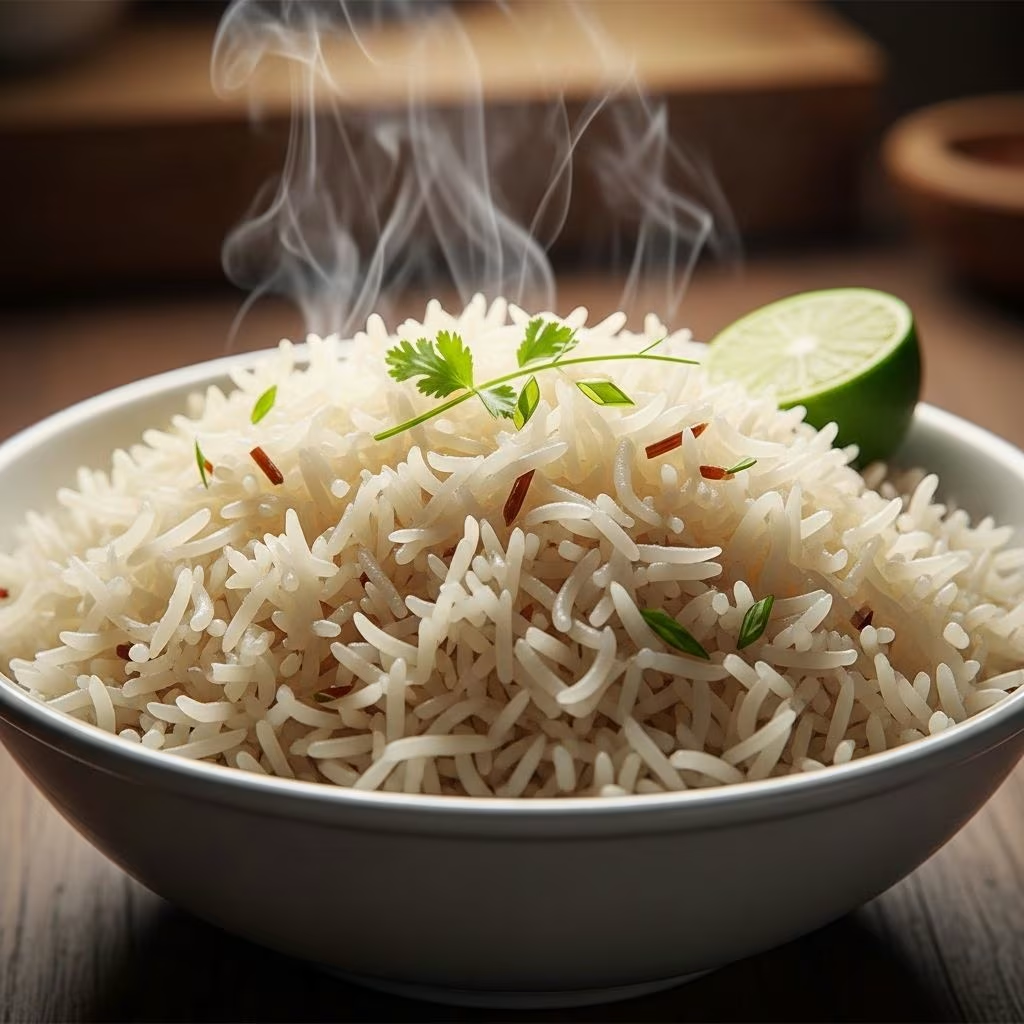
Transform simple basmati rice into a flavorful foundation for your favorite dishes with this comprehensive guide to crafting **fragrant aromatic rice**. Infused with warming spices, aromatic vegetables, and subtle sweetness, this rice dish pairs beautifully with curries, stews, and grilled proteins. Unlike plain boiled rice, aromatic versions release enticing scents during cooking, drawing everyone to the table. We’ll explore everything from selecting the right rice to perfecting the cooking method, ensuring fluffy grains every time.
Why Choose Aromatic Rice?
Aromatic rice stands out due to its unique blend of spices that enhance both flavor and texture. Basmati, the star grain here, is prized for its long, slender shape that elongates during cooking without sticking. When combined with spices like cardamom, cinnamon, and turmeric, it creates a symphony of tastes inspired by global cuisines, particularly South Asian traditions. This rice isn’t just a side; it’s a dish that can shine on its own or complement bold mains.
The magic lies in the toasting process, where dry spices bloom in oil, releasing essential oils that perfume the rice. Health benefits include anti-inflammatory properties from turmeric and digestive aids from ginger and cumin. Regular preparation of such rice introduces variety into daily meals, making nutrient-dense spices a staple.
Selecting the Best Ingredients
Quality starts with premium basmati rice—look for aged varieties with a nutty aroma. Rinse thoroughly to remove excess starch for fluffier results. Essential spices form the backbone:
- Cardamom pods or ground**: Floral notes that brighten the dish.
- Cinnamon stick or ground**: Warm, sweet undertone.
- Turmeric**: Vibrant color and earthy flavor.
- Cumin and coriander**: Nutty depth.
- Ginger and garlic**: Fresh pungency.
- Onions**: Caramelized sweetness as the base.
Opt for fresh ginger and garlic over powdered for maximum impact. Use vegetable broth instead of water to amplify savoriness. Frozen peas add pops of color and sweetness at the end. Butter or oil carries the spices effectively.
Step-by-Step Cooking Guide
Mastery comes from precise steps. This method yields 4-6 servings and takes about 40 minutes.
- Prepare the rice**: Measure 2 cups basmati rice. Rinse under cold water 4-5 times until water runs clear. Soak for 20-30 minutes, then drain. This prevents gumminess.
- Make the spice blend**: In a bowl, mix 1 tsp turmeric, 1 tsp cumin, 1 tsp coriander, ½ tsp cinnamon, ½ tsp cardamom, ¼ tsp nutmeg, ¼ tsp paprika, ⅛ tsp cayenne, 1 tsp salt, and 1 tsp black pepper. Add minced 3 garlic cloves and 1 tbsp grated ginger.
- Sauté the base**: Heat 1 tbsp butter and 1 tbsp oil in a large pot over medium heat. Add 1 diced yellow onion; cook 5-7 minutes until golden. Stir in spice blend; cook 1 minute until fragrant.
- Toast the rice**: Add drained rice. Stir 2-3 minutes to coat grains evenly, enhancing nutty flavor.
- Add liquid**: Pour in 3½ cups vegetable broth and 2 bay leaves. Bring to boil.
- Simmer**: Reduce to low, cover tightly. Cook 15 minutes undisturbed. Rice absorbs liquid fully.
- Rest and finish**: Remove from heat. Stir in 1-2 cups frozen peas. Cover 10 minutes. Fluff with fork, discard bay leaves.
Serve hot, garnished with fresh cilantro or fried onions for crunch.
Ingredient Quantities Table
| Ingredient | Quantity | Purpose |
|---|---|---|
| Basmati rice | 2 cups | Main grain base |
| Yellow onion, diced | 1 large | Aromatic foundation |
| Garlic, minced | 3 cloves | Pungent depth |
| Ginger, grated | 1 tbsp | Fresh zest |
| Turmeric | 1 tsp | Color and earthiness |
| Cumin | ½ tsp | Warm nuttiness |
| Butter + oil | 1 tbsp each | Flavor carrier |
| Vegetable broth | 3½ cups | Enhanced moisture |
| Frozen peas | 2 cups | Texture contrast |
Pro Tips for Perfect Texture
- Pot choice**: Use a heavy-bottomed Dutch oven for even heat.
- Lid seal**: Wrap lid in a clean towel to trap steam, preventing soggy rice.
- No peeking**: Lifting the lid releases steam, leading to undercooked grains.
- Ratio mastery**: 1:1.75 rice-to-liquid for basmati; adjust for altitude.
- Reheating**: Add broth splash; steam in microwave covered.
Common pitfalls include over-rinsing (loses nutrients) or high heat post-boil (burns bottom).
Variations to Suit Every Palate
Customize for dietary needs or tastes:
- Vegan twist**: Skip butter, use all oil.
- Middle Eastern flair**: Add black lemon powder, saffron, cloves, peppercorns, and thyme.
- Nutty upgrade**: Toast almonds or cashews with onions.
- Vegetable boost**: Mix in carrots, bell peppers, or raisins post-simmer.
- Spicy kick**: Double cayenne or add fresh chilies.
- Herbaceous**: Finish with mint or parsley.
For gluten-free or low-carb, serve as is—spices are naturally compliant.
Perfect Pairings and Meal Ideas
This rice elevates weeknight dinners:
- Curry companion**: With chicken tikka masala or vegetable korma.
- Grill match**: Alongside tandoori shrimp or lamb kebabs.
- Bowl build**: Top with fried eggs, avocado, and yogurt.
- Salad base**: Cool and toss with chickpeas, feta, and lemon vinaigrette.
Portion ¾ cup per person as a side. Stores 4 days refrigerated; freezes 1 month.
Health Benefits of Spiced Rice
Beyond taste, spices pack nutrition. Turmeric’s curcumin fights inflammation (supported by NIH studies). Ginger aids digestion. Whole spices retain antioxidants better than ground. Basmati’s lower glycemic index suits balanced diets. Peas provide fiber and vitamins.
Frequently Asked Questions (FAQs)
What rice is best for aromatic dishes?
Basmati is ideal for its fragrance and texture; jasmine works as a substitute.
Can I use chicken broth?
Yes, for non-vegetarian versions—it adds richer flavor.
How to fix undercooked rice?
Add ¼ cup hot broth, cover, simmer 5 minutes more.
Is soaking necessary?
Highly recommended; it shortens cook time and improves fluffiness.
Spice substitutes?
Garam masala blends well if missing individual spices.
Make it in a rice cooker?
Sauté on stove first, then transfer to cooker on white rice setting.
Advanced Techniques for Chefs
Experiment with infusion: Steep saffron in warm broth for golden hue. Dry-toast whole spices separately for intensified aroma. Parboil rice briefly before spicing for pilaf-style separation. Infuse oil with pandan leaves for Southeast Asian notes. Pressure cook for 4 minutes high pressure, natural release.
Scale up: Double ingredients for crowds; use sheet pan for toasting large batches. Track moisture with a digital thermometer—ideal internal temp post-cook: 205°F.
Troubleshooting Common Issues
| Problem | Cause | Solution |
|---|---|---|
| Mushy rice | Too much water or stirring | Precise ratios; hands-off cooking |
| Undercooked | Insufficient simmer time | Extend low heat 5 mins |
| Bland flavor | Stale spices | Fresh grind; toast longer |
| Burnt bottom | High heat | Low simmer; thick pot |
Storing and Reheating
Cool completely before refrigerating in airtight container. Reheat with damp paper towel in microwave or steam with broth splash. Avoid drying out by portioning singles.
References
- Fragrant Indian Style Rice Recipe — Scrambled Chefs. 2023-05-15. https://www.scrambledchefs.com/fragrant-indian-style-rice-recipe/
- How To Make Amazing Rice | Aromatic Rice | The Best Rice — How To Cook Great (YouTube). 2022-11-10. https://www.youtube.com/watch?v=ZjBgzmdZNII
- Delicious And Aromatic Basmati Rice — YouTube Channel. 2023-08-20. https://www.youtube.com/watch?v=uiuLZ6q-nKo