Proper food storage is essential for minimizing waste, preserving nutrients, and ensuring safety in any household. Yet, many people unknowingly commit errors that shorten shelf life and invite spoilage. This guide explores frequent missteps across refrigerators, pantries, freezers, and beyond, offering actionable solutions grounded in best practices.
Mastering Refrigerator Temperature Essentials
The refrigerator serves as the frontline defense against bacterial growth, but incorrect settings undermine its effectiveness. Ideal fridge temperatures hover between 35°F and 38°F (2°C to 3°C), while freezers should stay at 0°F (-18°C) or below. Deviating from these ranges accelerates decay.
- Too Warm Settings: Dialing the thermostat above 40°F allows pathogens like Listeria to thrive, spoiling dairy and meats rapidly.
- Overlooking Thermometer Checks: Built-in dials often misread; use an appliance thermometer for accuracy.
- Door Seal Failures: Cracked gaskets let warm air in, forcing the unit to overwork and creating hot spots.
To fix this, calibrate weekly with a thermometer and test seals by closing a dollar bill in the door—if it pulls out easily, replace the gasket. These habits can extend produce life by days.
Humidity Harmony for Produce Longevity
Vegetables and fruits demand specific moisture levels to avoid wilting or molding. Leafy greens flourish in high humidity (90-95%), while items like apples prefer drier conditions (80-85%).
| Food Type | Ideal Humidity | Storage Tip |
|---|---|---|
| Leafy Greens | High (90-95%) | Crisper drawer on high-humidity setting |
| Berries | High (90-95%) | Loose in vented container |
| Apples, Citrus | Low (80-85%) | Perforated bags in main compartment |
| Root Veggies | Medium (85-90%) | Wrapped in damp towel |
Mismatching these needs causes excess moisture or desiccation. Separate high-humidity lovers from dry-preferring produce using drawer dividers or bins. Regularly inspect for condensation buildup, which signals imbalance.
Airflow Optimization in Cooling Units
Circulation prevents warm pockets where bacteria multiply. Common blockers include overpacking shelves and positioning items against vents.
- Leave 1-2 inches between items and walls for air movement.
- Avoid crowding doors, which fluctuate in temperature during openings.
- Position meats on bottom shelves to contain drips.
Overstocking reduces efficiency by 20-30%, per efficiency studies. Declutter monthly and use lazy Susans for accessibility without blocking flow.
Pantry Organization Overhauls
Non-refrigerated staples like grains and cans demand dark, cool, dry environments below 70°F (21°C). Heat, light, and moisture invite pests and rancidity.
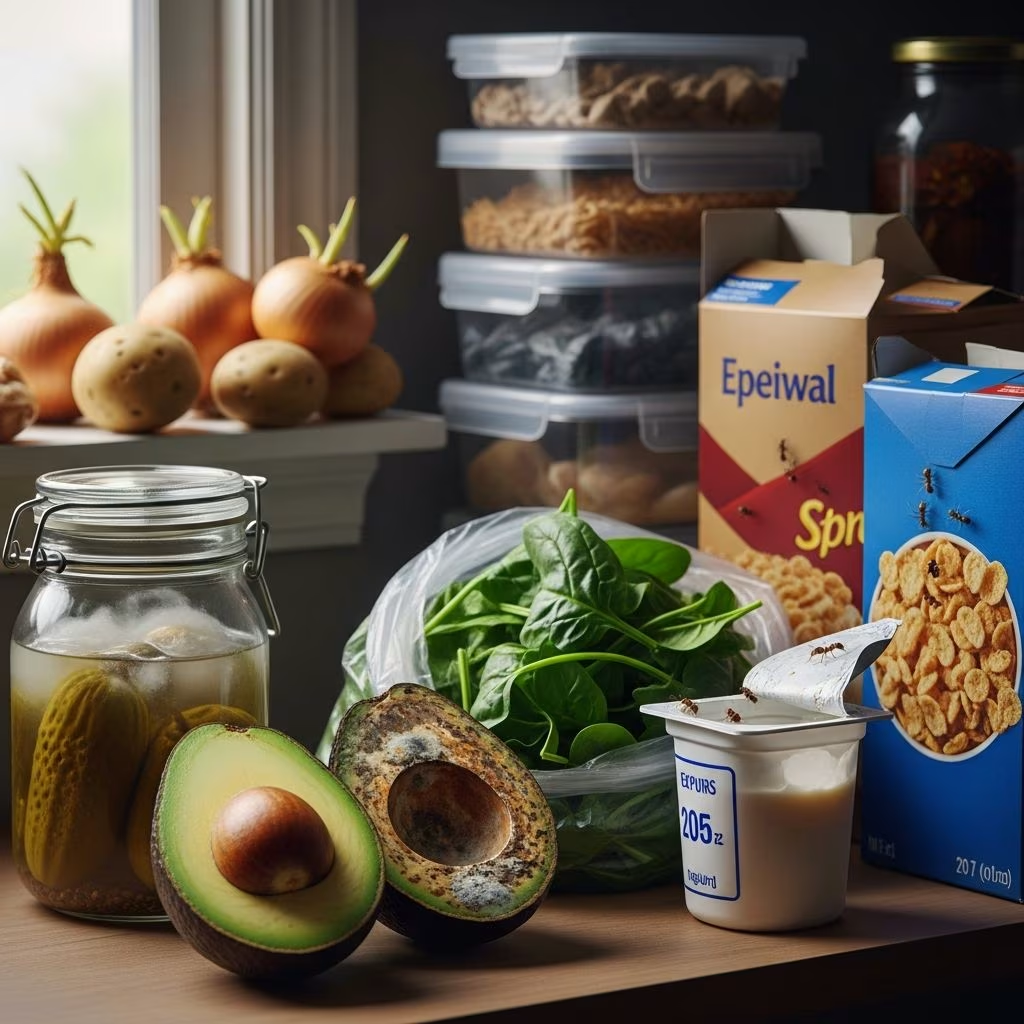
Declutter Expired Goods: Expired items occupy space and risk contamination. Schedule monthly audits: check dates on spices (good for 1-3 years), flours (6-8 months), and canned goods (2-5 years). Donate near-expiries or repurpose into stocks.
Container Upgrades: Ditch original bags prone to tears; transfer to airtight glass or BPA-free plastic with liners. Label with dates for quick scans. This curbs pests and simplifies inventory.
Rotation Routines That Save Resources
“First in, first out” (FIFO) prevents buried old stock from expiring unnoticed. Without it, households waste up to 20% of groceries annually.
- Install tiered shelf risers so older items roll forward.
- Mark purchase dates on packages with markers.
- Group by category: baking, canned, snacks.
For pantries, clear bins reveal contents at a glance. In fridges, magnetic labels track timelines. These systems cut waste and streamline shopping.
Freezer Fundamentals for Peak Freshness
Freezers preserve via rapid freezing, but errors like temperature swings cause freezer burn—dehydration from ice crystal formation.
- Freeze at 0°F; thaw only in fridge, cold water, or microwave.
- Portion into flat bags to maximize space and speed freezing.
- Avoid refreezing thawed meats to prevent texture loss and bacteria.
Use vacuum sealers for airtight protection. Organize by zones: meats bottom, veggies top, baked goods door. A full freezer runs more efficiently, but leave 10% headspace for expansion.
Produce-Specific Preservation Tactics
Each fruit and veggie has unique needs—bananas bruise in cold, tomatoes soften above 50°F.
| Produce | Best Spot | Extra Tip |
|---|---|---|
| Tomatoes | Counter | Stem down, room temp |
| Potatoes | Dark pantry | Away from onions |
| Herbs | Jar with water | Fridge like flowers |
| Avocados | Counter till ripe | Fridge post-ripening |
Ethereum gas onions emit gases hastening spoilage—store separately. Bread stays fresher in paper bags on counter, not plastic.
Long-Term Bulk Storage Strategies
For preppers or bulk buyers, variety trumps monotony. Relying solely on wheat ignores allergies, child tolerances, and appetite fatigue.
- Balance grains: oats, rice, quinoa alongside wheat.
- Stock fats: oils, nuts (refrigerate after opening).
- Include leaveners: baking powder expires in 6-12 months.
Use #10 cans or mylar-lined buckets for 20+ year shelf life. Rotate annually to maintain quality.
Cleaning Schedules to Deter Pests
Sticky residues and crumbs attract ants and roaches. Monthly deep cleans: vacuum shelves, wipe with vinegar solution (1:1 water), dry thoroughly.
Inspect for musty odors signaling mold—empty, scrub, and air out. Clean jars before reuse. Prevention beats infestation.
Inventory Mastery for Efficiency
Track stock via apps or sheets noting item, quantity, expiry. Zone pantries: heavy cans low, light snacks high. This visibility prevents overbuying and underuse.
Semi-annual full inventories reveal patterns, like unused quinoa crowding staples.
Frequently Asked Questions
How often should I check fridge temperature?
Weekly, using a dedicated thermometer placed in the center shelf overnight.
Can I store onions with potatoes?
No—onions release moisture and gases that sprout potatoes prematurely.
What’s the best way to freeze bread?
Slice, wrap tightly in plastic then foil, or use freezer bags; lasts 3 months.
Do spices really expire?
They lose potency after 1-4 years; grind whole spices for fresher flavor.
How to tell if a fridge seal needs replacing?
Light test: if light escapes when door closes, or paper slips out easily.
References
- Common Food Storage Mistakes to Avoid — Qualified Controls. 2023. https://qualifiedcontrols.com/common-food-storage-mistakes-avoid/
- 7 Mistakes of Food Storage — Backwoods Home Magazine. 2022-05-15. https://www.backwoodshome.com/7-mistakes-of-food-storage/
- Pantry Storage Mistakes & How to Solve Them — Clutter Keeper. 2023-08-10. https://www.clutterkeeper.com/pantry-storage-mistakes/
- 7 Food Storage Mistakes – And How to Avoid Them — Mary’s Nest. 2024-01-20. https://marysnest.com/7-food-storage-mistakes-and-how-to-avoid-them/
- Top 5 Common Food Storage Mistakes — Wallaby Goods. 2023-11-05. https://wallabygoods.com/blogs/news/common-food-storage-mistakes