Understanding Flourless Brownie Fundamentals
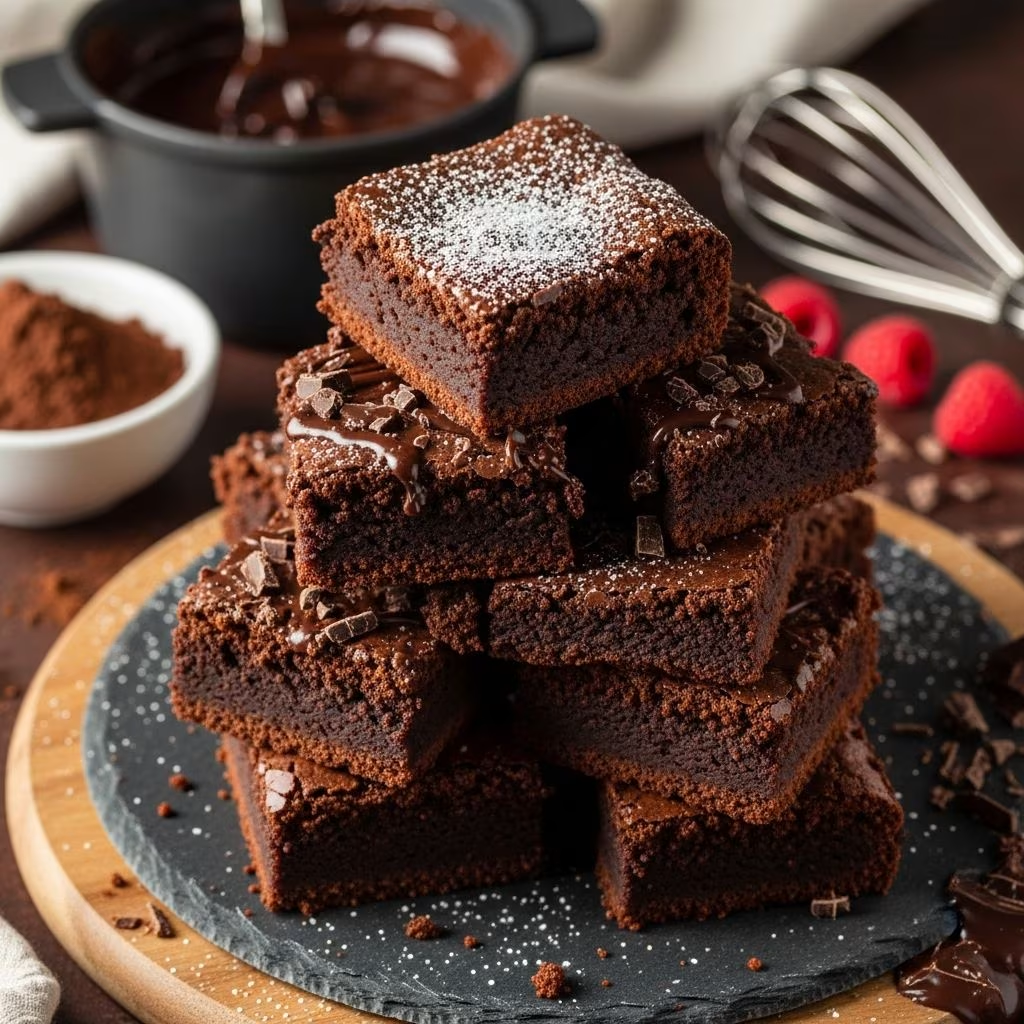
Brownies without flour have transformed the dessert landscape for individuals navigating gluten sensitivities, celiac disease, and various dietary preferences. Unlike their traditional flour-based counterparts, flourless brownies rely on alternative binding agents and structural components to achieve their characteristic dense, fudgy texture. The absence of wheat flour doesn’t diminish the indulgence factor; rather, it often intensifies the chocolate experience by concentrating flavors and creating an ultra-rich crumb structure.
The fundamental principle behind flourless brownie construction involves replacing wheat flour with ingredients that provide similar binding properties while contributing their own flavor dimensions. Cocoa powder serves as the primary structural substitute, working in tandem with eggs to create a stable batter that rises and sets properly during baking. This approach has made flourless brownies increasingly popular not only among those with gluten restrictions but also among bakers seeking denser, more intensely flavored chocolate desserts.
Core Ingredients and Their Critical Functions
Creating successful flourless brownies requires understanding how each ingredient contributes to the final product’s texture, flavor, and structural integrity.
Binding and Structural Components
Eggs function as the primary binder in flourless brownie recipes, providing moisture and structure that would traditionally come from flour. Most recipes call for two to three large eggs, with the quantity affecting brownie density. The eggs also contribute to the characteristic crackly top that develops during baking, creating visual appeal and textural contrast.
Cocoa powder performs a dual role as both a structural agent and the primary flavor source. Unsweetened cocoa powder, when sifted before incorporation, helps create a smoother batter while adding depth and complexity to the chocolate notes. The cocoa’s natural tannins contribute to the brownie’s richness without requiring excessive sweetener.
Leavening agents like baking soda or baking powder maintain the fudgy texture by preventing over-densification. These ingredients are used sparingly—typically a quarter to half teaspoon—to preserve the brownie’s signature dense crumb while preventing a dry, cake-like consistency.
Fat and Chocolate Components
Butter or alternative oils provide essential moisture and contribute to the brownie’s mouthfeel. Unsalted butter, melted and cooled slightly, remains the traditional choice, though coconut oil, avocado oil, or dairy-free butter alternatives work equally well depending on dietary requirements. The fat content typically ranges from one tablespoon to one-half cup, with higher amounts creating fudgier results.
Chocolate chips or baking chocolate add both structural support and intensified cocoa flavor. High-quality dark chocolate or premium chocolate chips ensure superior taste, as lower-quality options often contain stabilizers and fillers that alter texture and mouthfeel. Many bakers incorporate additional chocolate chips into the batter and sprinkle them on top before baking for extra richness.
Sweetening Options
Flourless brownie recipes accommodate various sweetener preferences. Granulated white sugar provides crystalline structure that creates the characteristic crackly brownie top. Brown sugar adds moisture and creates a deeper, more caramel-forward flavor profile. Maple syrup and coconut sugar appeal to those seeking natural or minimally processed sweeteners while maintaining authentic brownie characteristics. Most recipes use between one-half and three-quarters cup of sweetener, allowing flexibility based on chocolate intensity preferences.
Dietary Accommodations and Ingredient Substitutions
One of flourless brownies’ greatest advantages involves their adaptability to various dietary frameworks. The absence of flour already eliminates gluten concerns, making these brownies inherently suitable for celiac disease and gluten sensitivity management.
Dairy-free versions substitute dairy butter with coconut oil, vegan butter, or other plant-based fats while maintaining identical baking times and temperatures. The chocolate components can be verified for dairy content or replaced with certified dairy-free options.
Paleo-compatible brownies use coconut sugar or maple syrup instead of refined white sugar and verify that all ingredients align with paleo dietary principles. Nut butters like almond or tahini replace flour’s binding function in paleo variations, contributing subtle flavor notes that complement chocolate without overpowering it.
Nut-free brownies replace traditional nut butters with tahini or seed-based alternatives, ensuring safety for individuals with tree nut allergies. These variations maintain textural integrity while preventing cross-contamination concerns associated with nut processing facilities.
Step-by-Step Baking Process
Preparation Phase
Successful brownie baking begins with proper pan preparation. Preheating the oven to 350°F allows even heat distribution throughout the baking process. Lining an 8×8-inch baking dish with parchment paper and lightly greasing all surfaces prevents sticking and simplifies removal. This seemingly minor step dramatically improves the final product’s presentation and ease of serving.
Ingredient Combination
Most flourless brownie recipes employ a two-stage mixing approach. First, fat and chocolate are melted together—either via microwave in thirty-second intervals or via double boiler method. This combination must cool slightly before egg incorporation to prevent scrambling. The cooled chocolate mixture is then beaten with sweetener for approximately sixty seconds, creating a slightly thick and frothy foundation.
Eggs are added individually to the chocolate-sweetener mixture, with each egg fully incorporated before adding the next. This gradual integration ensures even distribution and prevents lumping. Vanilla extract typically follows egg addition, enhancing the chocolate profile with subtle complexity.
Dry Ingredient Integration
Cocoa powder, baking soda or baking powder, and salt are whisked together in a separate vessel before folding into the wet mixture. This preliminary combining prevents dry ingredient streaking throughout the batter. The final mixing should be minimal—just until no visible dry particles remain—to prevent over-working the batter, which can result in dense, tough brownies rather than fudgy ones.
Chocolate chips are typically folded in by hand as the final step, creating pockets of melted chocolate throughout the finished brownie. Some bakers reserve additional chips to sprinkle atop the batter before baking, creating visual appeal and ensuring chocolate distribution throughout the entire pan.
Baking Technique and Doneness Assessment
Flourless brownies bake at 350°F for eighteen to thirty minutes, depending on recipe composition and oven characteristics. The critical doneness indicator involves visual assessment rather than a traditional toothpick test. Properly baked flourless brownies display a set, slightly crackly top with slight jiggling in the center when the pan is gently shaken. A toothpick inserted in the center should withdraw with wet crumbs rather than coming out clean, indicating optimal fudginess.
Overbaking results in cake-like texture and loss of the coveted fudgy interior, so conservative baking times prevent disappointment. Brownies continue cooking via residual heat after removal from the oven, so removing them slightly underbaked yields superior final texture.
Troubleshooting Common Brownie Issues
| Issue | Likely Cause | Prevention Strategy |
|---|---|---|
| Brownies Too Dry and Cake-Like | Overbaking or excessive cocoa powder | Reduce baking time by 2-3 minutes; verify cocoa powder measurement |
| Dense, Heavy Center | Insufficient leavening or overmixing | Verify baking soda/powder quantity; minimize mixing after combining ingredients |
| Raw, Gummy Center | Underbaking or insufficient egg incorporation | Increase baking time in 2-minute increments; ensure eggs fully beaten into mixture |
| Collapsed or Sunken Top | Opening oven door prematurely; sudden temperature change | Avoid opening oven until minimum baking time elapsed; maintain stable oven temperature |
| Brownies Spreading Too Much | Insufficient binding or excessive fat | Ensure eggs fully incorporated; reduce fat by one tablespoon if recipe allows |
Creative Flavor Variations and Enhancements
The flourless brownie base accommodates numerous flavor additions without compromising structural integrity. Sea salt sprinkled atop the batter before baking creates sophisticated sweet-salt contrast that elevates simple chocolate flavors. Espresso powder—approximately one-half to one teaspoon—deepens cocoa notes without introducing coffee flavor, creating complexity that appeals to serious chocolate enthusiasts.
Cinnamon, cayenne pepper, or other warming spices can be incorporated into the dry ingredient mixture, adding subtle depth that prevents brownies from tasting one-dimensional. Mint extract, almond extract, or orange zest provide alternative flavor explorations while maintaining chocolate as the primary flavor profile.
Storage and Serving Recommendations
Properly stored flourless brownies maintain quality for up to one week in an airtight container at room temperature. For extended storage, freezing individual brownies in freezer-safe containers preserves texture and flavor for up to three months. Thawing at room temperature for approximately thirty minutes restores optimal consistency.
Flourless brownies pair excellently with simple accompaniments like vanilla ice cream, whipped cream, or fresh berries. Their intense chocolate flavor and fudgy texture shine brightest when served at room temperature or slightly warmed, allowing fat and cocoa compounds to release their full sensory potential.
Frequently Asked Questions
- Can I make flourless brownies without eggs?
- Traditional flourless brownie recipes require eggs for structure and binding. Flax eggs or aquafaba can substitute in smaller quantities, though texture will differ significantly from conventional recipes.
- Why do my flourless brownies crack on top?
- Cracking indicates proper baking—the characteristic crackly top results from the surface setting while the interior remains fudgy. This is desirable and expected.
- Can I use natural peanut butter instead of specified nut butters?
- Yes, though nut butter choices affect final texture and flavor. Creamy, natural nut butters without added sugars work best.
- What temperature should flourless brownies reach internally?
- Unlike traditional brownies, flourless brownies don’t require a specific internal temperature. Visual doneness assessment—slightly jiggly center with set top—indicates proper completion.
- Are flourless brownies naturally paleo-friendly?
- Flourless brownies are grain-free, making them paleo-compatible if prepared with paleo-approved sweeteners like coconut sugar or maple syrup and suitable fats.
Conclusion: Mastering Flourless Brownie Baking
Flourless brownies represent a sophisticated approach to chocolate dessert preparation, offering indulgence without compromising dietary preferences or restrictions. By understanding ingredient functions, respecting critical baking timeframes, and embracing the fudgy texture inherent to flour-free formulations, home bakers can consistently produce exceptional brownies that rival traditional recipes while accommodating contemporary dietary needs. Whether preparing them for personal enjoyment or special occasions, flourless brownies demonstrate that eliminating flour actually elevates the chocolate experience, creating desserts that satisfy both sensory expectations and nutritional considerations.
References
- Understanding Gluten-Free Baking Chemistry — American Association of Cereal Chemists International. 2023. https://www.aaccnet.org
- Cocoa Powder and Chocolate Composition — International Organization for Standardization (ISO). 2022. https://www.iso.org
- Egg Function in Baked Goods — Food and Agriculture Organization of the United Nations. 2021. https://www.fao.org
- Celiac Disease and Gluten-Free Diet Recommendations — National Institutes of Health, National Celiac Disease Awareness Campaign. 2024. https://www.nih.gov
- Paleo Diet Framework and Approved Ingredients — The Paleo Foundation. 2023. https://www.paleovalidated.org