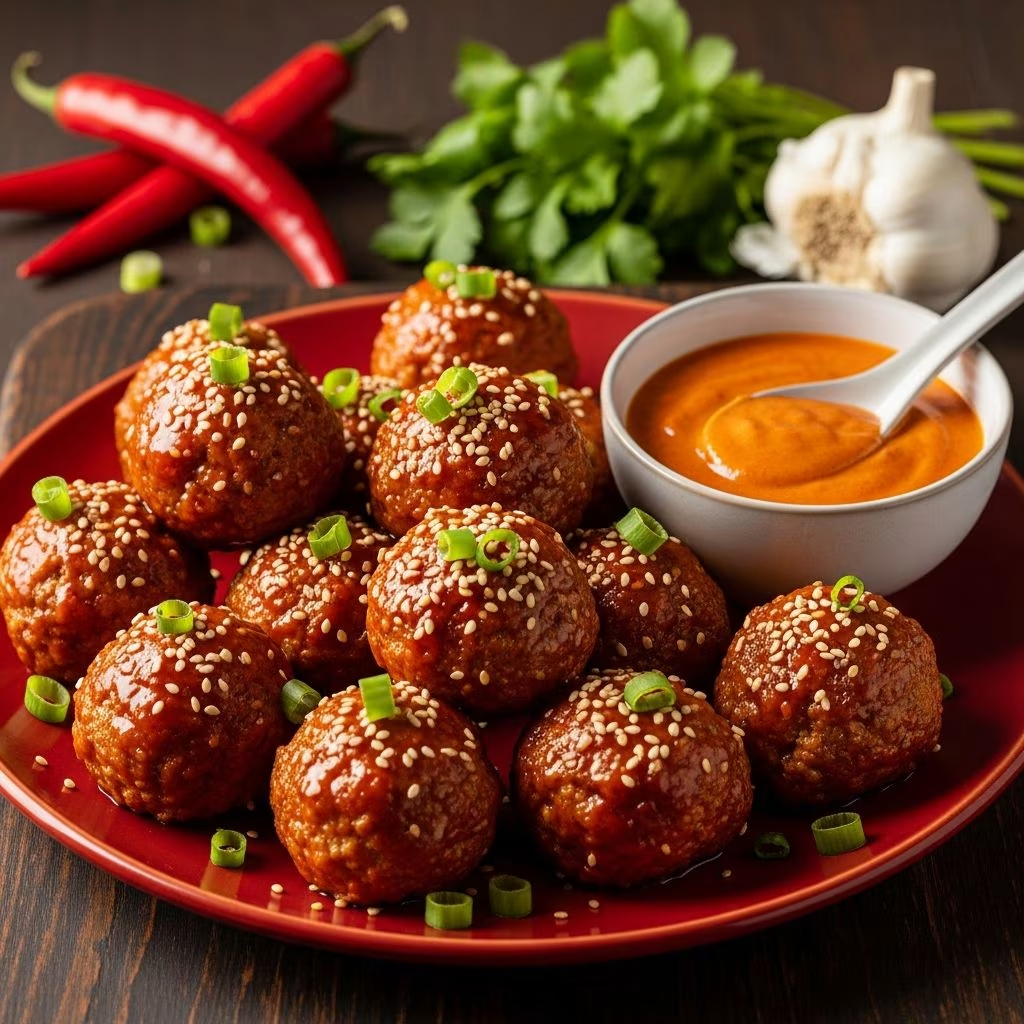
Firecracker chicken meatballs represent an exciting departure from traditional meatball recipes. These spheres of poultry combine tender, juicy chicken with aromatic spices, fresh herbs, and a distinctive sauce that delivers multiple layers of flavor. The name “firecracker” aptly describes the explosive taste experience—a combination of heat, sweetness, and umami that keeps diners reaching for more. Whether you’re planning a weeknight meal or preparing appetizers for entertaining, these meatballs deliver impressive results with manageable effort.
Understanding the Foundation: Quality Meat Selection
The foundation of any exceptional meatball lies in selecting the right meat. Ground chicken serves as the primary protein, offering a leaner alternative to beef or pork while maintaining moisture when prepared correctly. The fat content of your chicken dramatically influences the final texture and juiciness of your finished meatballs. Using ground chicken with a fat content around 15-20% ensures your meatballs remain tender and succulent rather than becoming dry and dense during cooking.
If ground chicken isn’t available or you prefer alternatives, ground turkey provides a comparable option with similar nutritional benefits. Some cooks prefer blending different proteins—combining chicken with a small percentage of pork or beef—to achieve enhanced flavor and binding properties. The key consideration is maintaining sufficient fat to support moisture retention while avoiding excessive fat that creates a greasy final product.
Building Structural Integrity: Binders and Adhesives
Creating meatballs that hold together requires proper binding agents. Eggs function as the primary binder, with one large egg typically sufficient for one pound of ground chicken. The egg proteins coagulate during cooking, creating a network that holds the mixture together. Panko breadcrumbs serve dual purposes: they absorb moisture during mixing and expand slightly during cooking, creating a lighter texture compared to traditional breadcrumbs.
The binding approach should emphasize simplicity and restraint. Overmixing develops gluten networks in breadcrumbs and creates a dense, rubbery texture. The ideal technique involves gentle folding and combining until ingredients barely hold together. Many experienced cooks use one hand for mixing, recognizing that hands provide superior control compared to utensils for preventing overworking the mixture.
Flavor Architecture: Aromatics and Seasonings
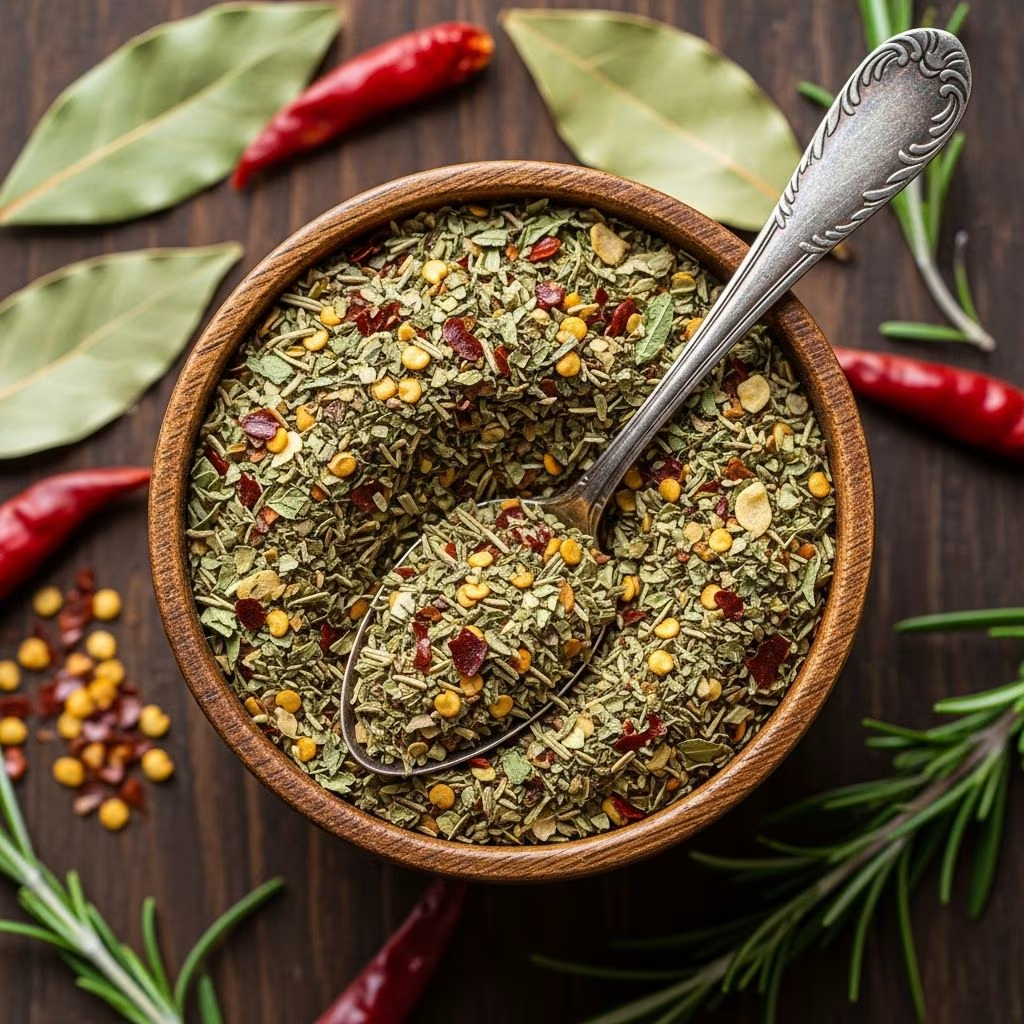
Layering flavors creates the distinctive character firecracker meatballs require. The aromatic foundation begins with fresh minced garlic, providing pungent, complex notes. Onion powder, paprika, and cumin contribute warmth and depth, while cayenne pepper and red pepper flakes deliver the essential heat component.
Beyond dry spices, fresh elements elevate the flavor profile significantly. Finely diced jalapeños introduce immediate heat and vegetable texture. Fresh cilantro adds brightness and herbaceous notes that prevent the dish from becoming monotonously heavy. Soy sauce supplies umami intensity, creating savory undertones that enhance overall complexity.
Hot sauce selection matters considerably. Traditional choices include Sriracha for Asian-inspired profiles or Cholula for Mexican-influenced versions. The sauce doesn’t merely add heat—it contributes fermented complexity and subtle sweetness depending on the variety selected. Building a cohesive flavor profile requires understanding how individual components interact rather than simply adding maximum quantities of each ingredient.
The Shaping Process: Achieving Consistent Results
Properly shaped meatballs cook evenly and present well on serving platters. Most recipes call for golf ball-sized spheres or three-tablespoon portions, though individual preferences and cooking methods may necessitate adjustments. Using an ice cream scoop eliminates guesswork and ensures uniformity, which accelerates cooking and simplifies timing calculations.
Gentle handling during shaping prevents excessive compression. Loosely formed meatballs maintain tender, almost delicate interiors, while tightly packed versions become dense and firm. The mixture should barely cohere—it will firm up during cooking as proteins denature. Many cooks find that lightly coating their hands with oil prevents sticking while minimizing additional handling of the mixture.
Cooking Methods: Choosing Your Approach
Multiple cooking techniques produce excellent firecracker meatballs, each offering distinct advantages. Oven baking represents the most convenient method for quantities exceeding a dozen meatballs. Preheating to 375-400 degrees Fahrenheit and baking uncovered for 15-20 minutes produces evenly cooked meatballs without requiring pan space or constant monitoring.
Stovetop pan-searing creates caramelized exteriors through direct heat contact. Heating oil until shimmering, then cooking meatballs in a single layer until all sides develop golden-brown crusts, requires approximately 3-4 minutes per side. This method demands attention and occasional rotation but produces superior browning and developed flavors from the Maillard reaction.
Slow cooker preparation offers maximum convenience for busy schedules. Combining partially cooked or raw meatballs with sauce in a slow cooker and cooking on low for 4-6 hours produces tender, thoroughly heated meatballs. This technique works particularly well for entertaining, as meatballs remain warm throughout extended serving periods.
Temperature Guidelines for Food Safety
Poultry safety requires reaching an internal temperature of 165 degrees Fahrenheit throughout. Using an instant-read thermometer inserted into the largest meatball’s center eliminates guesswork. Undercooked chicken poses serious foodborne illness risks, while excessive cooking produces dryness—proper thermometer use eliminates both concerns.
Sauce Mastery: Balancing Heat, Sweet, and Tangy
The firecracker sauce transforms simple meatballs into something extraordinary. The classic formulation combines hot sauce as the base, providing both heat and fermented complexity. Brown sugar contributes subtle sweetness that balances the heat, preventing the dish from becoming aggressively spicy. Apple cider vinegar adds acidic tang and brightness, cutting through richness and enlivening the palate.
Red pepper flakes amplify heat levels without dominating other flavors. Many recipes begin conservatively with red pepper flakes, allowing diners to customize spice levels rather than creating an overwhelmingly hot dish. The sauce typically simmers briefly to allow flavors to marry and the sauce to reduce slightly, concentrating flavors.
Sauce Consistency Considerations
Sauce thickness directly impacts how meatballs absorb and coat with the liquid. Thinner sauces create glossy coatings while thicker versions cling more intensely. Achieving desired consistency involves simmering time—extended reduction produces thicker results, while shorter cooking maintains looser consistency. Some cooks prefer double-batch sauces, providing generous coating quantities and additional dipping liquid.
Complementary Components and Serving Strategies
Firecracker meatballs pair beautifully with multiple accompaniments. Coconut pineapple rice offers an Asian-inspired pairing that echoes the sauce’s complex flavor profile. The sweetness of pineapple complements the heat while coconut milk provides richness. Steamed white rice serves as a neutral base, allowing meatball and sauce flavors to dominate. Crispy vegetables including bell peppers, broccoli, or snap peas provide textural contrast and nutritional balance.
Garnishing transforms appearance and provides textural variety. Sliced green onions add fresh onion bite and visual appeal. Fresh cilantro reinforces herbaceous notes. Sesame seeds contribute subtle nutty flavors and sophisticated presentation. These finishing touches elevate the dish from simple weeknight meal to restaurant-quality presentation.
Preparation Timeline and Make-Ahead Options
Firecracker meatballs accommodate advance preparation excellently. The raw meatball mixture can be prepared up to 24 hours ahead, stored covered in the refrigerator, then shaped and cooked as needed. Cooked meatballs refrigerate for up to 4 days and freeze successfully for up to 3 months, making these meatballs ideal for meal preparation strategies.
Reheating frozen meatballs involves thawing overnight in the refrigerator, then warming gently in sauce over low heat or in a 350-degree oven. This approach maintains texture superior to microwave reheating. Sauce can be prepared separately and stored for 5-7 days refrigerated, allowing flexible meal assembly at serving time.
Nutritional Considerations and Dietary Modifications
Ground chicken provides lean protein with substantially lower fat content than beef or pork alternatives. A typical serving delivers 20-25 grams of protein with minimal saturated fat. The sauce contributes primarily from sugar content, with hot sauce providing negligible calories beyond sodium contributions.
Dietary customizations expand accessibility. Gluten-free variations substitute almond flour or gluten-free breadcrumb alternatives for panko without significantly altering texture. Low-sodium soy sauce reduces sodium content for health-conscious diners. Reducing sugar in the sauce or substituting with honey or maple syrup accommodates various dietary preferences while maintaining the essential sweet-heat balance.
Flavor Variation Possibilities
While the classic firecracker profile delivers consistent excellence, creative variations expand the recipe’s versatility. Asian-inspired versions emphasize ginger, incorporating fresh minced ginger into the meatball mixture and sauce for warming spice notes. Mexican-influenced adaptations increase jalapeño quantities, add cilantro intensely, and incorporate lime juice into the sauce.
Mediterranean variations substitute Italian herbs for cilantro, use marinara-based sauces instead of hot sauce, and incorporate fennel or Italian seasoning. Korean-inspired versions incorporate gochujang paste alongside hot sauce, creating fermented complexity. Experimenting with regional flavor combinations maintains long-term interest while utilizing the fundamental meatball technique.
Common Mistakes and Prevention Strategies
Overmixing represents the primary error, creating dense meatballs lacking tender interiors. The solution involves minimal stirring—fold ingredients together just until barely combined. Second, temperature inconsistency leads to some meatballs cooking while others remain undercooked. Ensuring uniform size through portion control and using instant-read thermometers eliminates this issue.
Inadequate sauce coating creates dry meatballs that fail to deliver full flavor. Tossing finished meatballs in sauce or brushing individual meatballs ensures complete coverage. Finally, forgetting about texture variety leaves dishes one-dimensional. Including garnishes, serving with textured sides, and considering temperature variations maintains interest throughout the meal.
Frequently Asked Questions
Can I substitute ground turkey for ground chicken? Yes, ground turkey works beautifully as a direct substitute, offering similar lean protein content and mild flavor. Adjust seasonings slightly as turkey has marginally different flavor profiles compared to chicken.
How long do firecracker meatballs keep refrigerated? Properly stored in airtight containers, cooked meatballs last 3-4 days refrigerated. The sauce protects meatballs from drying, making refrigeration in sauce preferable to storage without liquid.
Can these meatballs be frozen? Absolutely. Cool meatballs completely, arrange in a single layer on a baking sheet, freeze until solid, then transfer to freezer bags. They freeze successfully for up to 3 months and thaw overnight in the refrigerator.
What’s the ideal serving size? Plan on approximately 4-6 meatballs per person as an entrée, fewer for appetizers. The sauce quantity determines satisfaction as much as meatball quantity.
How can I reduce the spice level? Decrease red pepper flakes, use milder hot sauce varieties, or reduce overall hot sauce quantity. Build heat gradually rather than starting with maximum spice levels.
Are these suitable for slow cooker preparation? Yes, firecracker meatballs excel in slow cookers. Cook on low for 4-6 hours, maintaining quality and allowing convenient serving for crowds.
References
- Ground Poultry: Selection and Safe Handling — U.S. Department of Agriculture Food Safety and Inspection Service. 2024. https://www.fsis.usda.gov/food-safety/safe-food-handling-and-preparation/poultry/chicken
- Food Temperature Guidelines for Poultry Products — Centers for Disease Control and Prevention. 2024. https://www.cdc.gov/foodsafety/communication/steps-healthy-habits/cook.html
- Maillard Reaction in Cooking: Understanding Flavor Development — Institute of Food Technologists. 2023. https://www.ift.org
- Nutritional Composition of Ground Poultry — USDA FoodData Central. 2024. https://fdc.nal.usda.gov
- Freezing and Food Storage Best Practices — United States Department of Agriculture. 2024. https://www.usda.gov/our-agency/fsn/food-storage