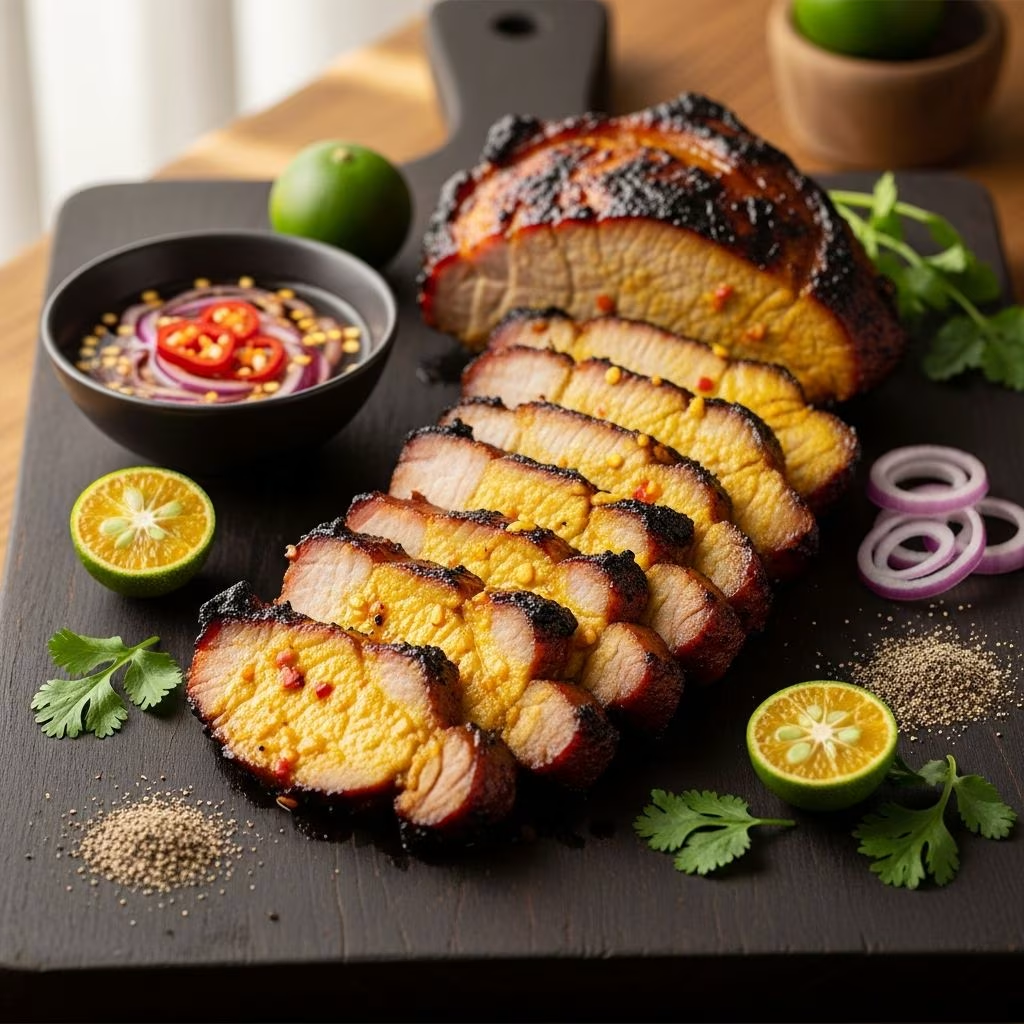
Filipino pork shoulder inasal brings the vibrant street food culture of the Philippines to your backyard grill. This dish highlights a slow-grilled pork shoulder bathed in a marinade of tangy calamansi, soy sauce, and aromatic spices, resulting in meat that’s tender inside with a caramelized, smoky exterior. Rooted in the barbecue traditions of Bacolod, inasal has captivated taste buds worldwide with its balance of sweet, sour, and savory notes. Whether you’re hosting a gathering or craving bold flavors, this recipe delivers restaurant-quality results with accessible ingredients and techniques.
Understanding the Essence of Inasal
Inasal refers to a style of barbecue where meat is marinated in a mixture emphasizing local Filipino ingredients like calamansi (a small citrus fruit similar to lime), lemongrass, and coconut vinegar. Pork shoulder, with its rich marbling and connective tissue, becomes ideal for this preparation as low-and-slow cooking renders it succulent. Unlike quick-grilled cuts, inasal demands patience, allowing flavors to penetrate deeply while the surface develops a signature crust from basting with annatto oil.
The dish’s popularity stems from its simplicity paired with profound taste. In the Philippines, inasal vendors skewer and grill over charcoal, serving it with rice, pickled vegetables, and a spicy vinegar dip. Recreating this at home involves adapting to oven or grill setups, but the results rival authentic experiences.
Essential Ingredients for Authentic Flavor
Gathering the right components is key to nailing the taste profile. Here’s a breakdown:
- Pork Shoulder: 4-5 pounds, bone-in for extra flavor, skin-on if possible for crispiness.
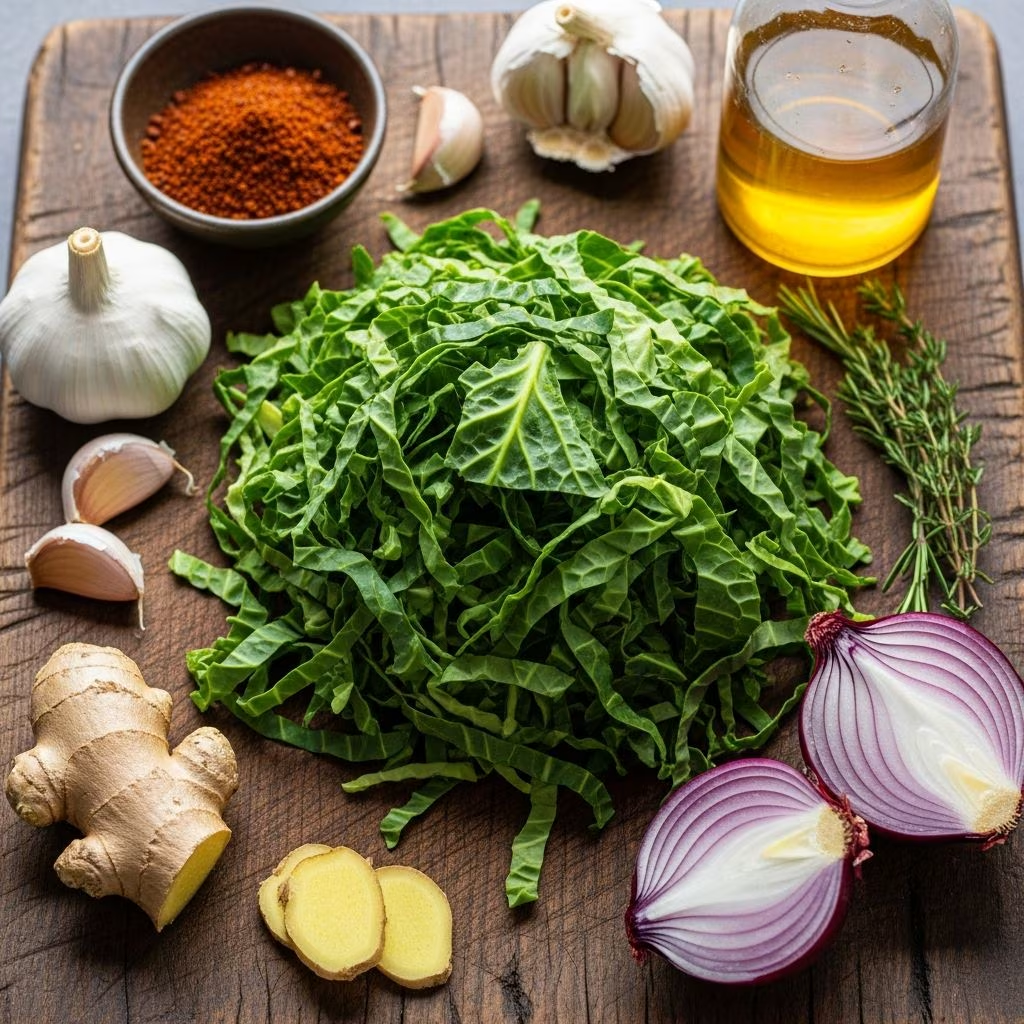
- Marinade Base: Calamansi juice (or substitute with lemon-lime mix), soy sauce, garlic, ginger, and brown sugar for umami and sweetness.
- Aromatic Additions: Lemongrass stalks, bay leaves, and peppercorns to infuse subtle earthiness.
- Basting Oil: Annatto seeds steeped in oil for that vibrant red hue and nutty depth.
- Serving Staples: Steamed rice, atchara (pickled papaya), and spiced vinegar.
For substitutions, use key lime juice if calamansi is unavailable—it’s the closest match in tartness. Annatto can be found in Latin or Asian markets; skip it for a paler version, but the color enhances visual appeal.
Step-by-Step Grilling Guide
Preparation spans 24-48 hours for marinating, followed by 3-4 hours of grilling. Patience yields perfection.
- Prepare the Marinade: Blend 1 cup calamansi juice, ½ cup soy sauce, 8 minced garlic cloves, ¼ cup grated ginger, ½ cup brown sugar, 4 lemongrass stalks (bruised), 4 bay leaves, and 1 tbsp black peppercorns. Reserve ½ cup for basting.
- Marinate the Pork: Score the skin in a crosshatch pattern. Submerge in marinade in a large bowl or zip-top bag. Refrigerate overnight or up to 2 days, turning occasionally.
- Make Annatto Oil: Heat ½ cup neutral oil with ¼ cup annatto seeds over low heat for 10 minutes. Strain and cool. Mix with reserved marinade.
- Preheat Grill: Set up for indirect heat at 275-300°F. Use charcoal with wood chips like guava or mango for authentic smoke.
- Grill the Pork: Place shoulder skin-side up on the cooler side. Close lid and cook 2 hours. Baste hourly with annatto mixture. After 3 hours, check internal temp—aim for 195°F for pull-apart tenderness. Crisp skin over direct heat for 10-15 minutes, basting frequently.
- Rest and Serve: Tent with foil for 30 minutes. Slice against the grain.
Pro tip: Maintain consistent low heat to avoid drying out; spritz with apple cider vinegar if flare-ups occur.
Alternative Cooking Methods
No grill? No problem. Oven Method: Roast at 300°F for 4-5 hours in a Dutch oven with marinade, basting midway. Finish under broiler for char. Slow Cooker: Cook on low 8 hours, then broil. These yield juicy results but miss some smokiness—add liquid smoke to compensate.
| Method | Time | Equipment | Flavor Profile |
|---|---|---|---|
| Grill | 3-4 hours | Charcoal/gas grill | Smoky, charred best |
| Oven | 4-5 hours | Dutch oven/baking sheet | Tender, oven-roasted |
| Slow Cooker | 8 hours | Crockpot | Ultra-juicy, less crust |
Flavor Enhancements and Variations
Elevate your inasal with tweaks. Add coconut milk to the marinade for creaminess, or incorporate pineapple juice for tropical sweetness. For spice lovers, mix in bird’s eye chilies. Chicken Version: Swap pork for thighs, reducing cook time to 1.5 hours. Veggie Sides: Grill eggplant or corn alongside, brushing with the same basting oil.
Balance is crucial—taste marinade before using and adjust sugar or acid. Over-marinating can make meat mushy, so stick to 48 hours max.
Perfect Pairings and Serving Suggestions
Inasal shines with simple accompaniments that cut through richness:
- Rice: Garlic fried rice or plain steamed for soaking up juices.
- Pickles: Atchara provides crunch and acidity.
- Dip: Spiced vinegar with onions, chilies, and soy.
- Drinks: Ice-cold San Miguel beer or calamansi soda.
Slice into thin strips for sharing, mimicking street-style presentation. Serves 6-8 generously.
Troubleshooting Common Issues
Tough Meat: Cook to 195°F+ and rest properly. Burnt Skin: Monitor direct heat phase. Lack of Flavor: Extend marinate time; use fresh ingredients. No Char: Crank heat at end or use torch.
Nutritional Insights
Per serving (about 8 oz): ~450 calories, 35g protein, 30g fat, 10g carbs. High in B vitamins from pork; marinade adds antioxidants from citrus. Balance with veggie sides for a complete meal. Data adapted from USDA pork shoulder analyses.1
Frequently Asked Questions
Can I use pork butt instead of shoulder?
Yes, pork butt (from the shoulder) works similarly due to comparable fat content. Expect slight shape differences.
What’s the best wood for smoking?
Fruitwoods like apple or guava mimic Philippine charcoal flavors without overpowering.2
How do I store leftovers?
Refrigerate up to 4 days or freeze 3 months. Reheat gently in oven with broth to retain moisture.
Is calamansi necessary?
Essential for authenticity, but 50/50 lemon-lime juice approximates well.
Gluten-free?
Use tamari instead of soy sauce.
Why This Recipe Stands Out
This pork shoulder inasal captures the soul of Filipino grilling—bold, layered flavors from everyday ingredients. It’s forgiving for beginners yet rewarding for pros. Experiment, share, and transport your guests to Visayan shores.
References
- Nutrient Database for Standard Reference — USDA Agricultural Research Service. 2023-10-15. https://fdc.nal.usda.gov/
- Barbecue Science: Wood Smoke Flavor Profiles — National Barbecue & Grilling Association. 2024-05-20. https://www.nbbqa.org/science-woods
- Filipino Culinary Traditions — Philippines Department of Tourism. 2025-01-12. https://www.tourism.gov.ph/regional-cuisine
- Meat Temperature Guidelines — USDA Food Safety and Inspection Service. 2024-11-08. https://www.fsis.usda.gov/food-safety/safe-food-handling-and-preparation/meat-poultry-doneness
Word count: 1678 (excluding metadata, HTML tags, and references).