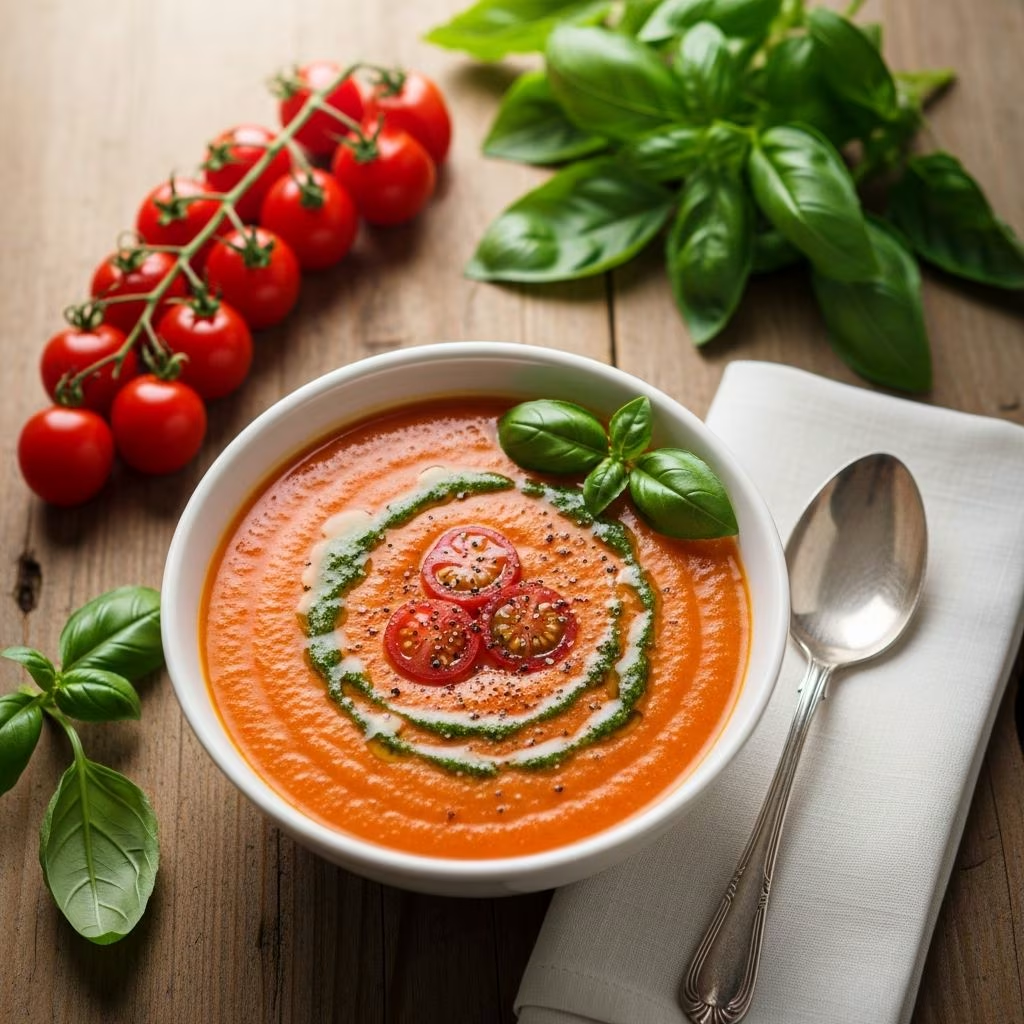
Cherry tomatoes transform into something magical when exposed to oven heat. Rather than using standard tomato varieties, cherry tomatoes deliver concentrated sweetness and vibrant flavor that creates an exceptionally satisfying soup. This guide explores everything you need to know about preparing this beloved dish from your own kitchen.
Why Cherry Tomatoes Excel in Soup Making
The selection of tomato variety significantly impacts the final soup result. Cherry tomatoes possess higher sugar content compared to larger plum or beefsteak varieties, making them naturally sweeter and more flavorful. When roasted, these small fruits develop caramelized edges and concentrated flavor compounds that create depth and richness impossible to achieve through other cooking methods.
The roasting process breaks down the tomato cell walls, releasing their natural juices and intensifying their taste profile. This caramelization process adds subtle sweetness and complexity that distinguishes homemade roasted cherry tomato soup from versions made with raw or steamed tomatoes.
Essential Components for the Foundation
Creating excellent roasted cherry tomato soup begins with understanding the core ingredients that work together harmoniously:
- Cherry tomatoes: The star ingredient, typically requiring two to four pounds depending on your desired soup quantity and serving size
- Aromatics: Onions and garlic provide savory depth and balance to the natural sweetness of the tomatoes
- Broth: Vegetable or chicken broth creates the liquid base and adds umami flavor notes
- Fat: Olive oil carries flavors and creates the desired creamy texture when blended
- Fresh herbs: Basil, thyme, or cilantro brighten the finished dish and add aromatic complexity
- Seasonings: Salt, pepper, and optional additions like paprika or red pepper flakes customize the flavor profile
The Roasting Technique That Transforms Ingredients
Proper roasting methodology determines the quality of your final soup. Begin by preheating your oven to a temperature between 350 and 450 degrees Fahrenheit. The precise temperature depends on your preferred roasting duration—higher heat accelerates the process while lower temperatures allow more gradual flavor development.
Prepare your ingredients by washing the cherry tomatoes and cutting larger onions into manageable pieces. Distribute tomatoes, onions, and garlic cloves across a rimmed baking sheet in a single layer. Drizzle generously with extra virgin olive oil, then season with salt and pepper. Toss everything together by hand or with a spoon to ensure even coating.
Transfer the baking sheet to your preheated oven and allow the vegetables to roast for 20 to 40 minutes. The exact timing depends on your oven temperature and the size of your tomatoes. The process completes when tomato skins burst and split, the flesh collapses inward, and the onions develop golden-brown coloring on their edges. Some recipes recommend allowing the mixture to cool slightly before proceeding to the blending stage.
Blending Strategies for Optimal Texture
The roasted vegetables transition into soup through blending, which creates the smooth, creamy consistency characteristic of this dish. Transfer the cooled roasted ingredients to a high-powered blender along with your chosen broth—approximately 2.5 to 6 cups depending on your desired consistency. Add fresh herbs like basil and your seasonings.
Blend on low speed for 30 to 60 seconds, continuing until the mixture achieves your preferred texture. Some cooks prefer leaving the mixture slightly chunky for texture, while others prefer completely smooth soup. An immersion blender works equally well for those without a traditional blender, offering more control over the final consistency.
After blending, consider straining the soup through a fine-mesh sieve to remove tomato skins and seeds if you desire an ultra-smooth texture. This optional step creates a more refined presentation, though many home cooks skip this for convenience and to retain nutrients.
Flavor Customization and Enhancement Methods
The basic roasted cherry tomato soup serves as an excellent foundation for personalization. Various additions create different flavor profiles suited to individual preferences:
| Flavor Direction | Suggested Additions | Impact on Taste |
|---|---|---|
| Creamy and Rich | Heavy cream, coconut milk, or Greek yogurt | Adds richness and smoothness while softening acidity |
| Herb-Forward | Fresh basil, thyme, oregano, or cilantro | Brightens flavors and adds aromatic complexity |
| Smoky and Complex | Smoked paprika or cumin | Adds depth and sophisticated undertones |
| Spicy and Bold | Red pepper flakes, cayenne, or jalapeños | Delivers heat and intensity to balance sweetness |
| Garden Fresh | Fresh corn, bell peppers, or summer vegetables | Adds textural elements and seasonal variety |
Garnishing Approaches for Visual Appeal and Flavor
The presentation and finishing touches elevate roasted cherry tomato soup from simple to special. Strategic garnishing adds textural contrast and additional flavor layers that enhance the eating experience.
- Homemade croutons: Provide satisfying crunch and can be seasoned with garlic, herbs, or parmesan for customized flavor
- Fresh herbs: A basil leaf or cilantro sprig adds visual appeal and aromatic brightness
- Drizzled oils: A swirl of high-quality olive oil, basil oil, or garlic oil adds richness and elegance
- Protein elements: Crispy eggs, pancetta bits, or chickpeas add substance and satiety
- Cheese additions: Grated parmesan, crumbled feta, or goat cheese add savory sophistication
- Seeds and nuts: Toasted pepitas, sunflower seeds, or pine nuts contribute crunch and nutrition
Storage and Make-Ahead Considerations
Roasted cherry tomato soup maintains excellent quality when properly stored. The roasted tomato mixture keeps refrigerated for up to one week in an airtight container, allowing you to prepare this component in advance. This advance preparation simplifies weeknight meal creation when time is limited.
The finished soup also refrigerates well for several days, making it suitable for meal preparation and leftover management. To reheat, gently warm the soup over medium heat for 10 to 15 minutes, stirring occasionally to ensure even heating. Alternatively, reheat individual portions in the microwave for quick service.
Freezing is possible though not always recommended, as cream-based versions may separate upon thawing. Non-creamy vegetable-based versions freeze more successfully and retain better texture quality. When freezing, leave adequate headspace in containers to accommodate expansion, and thaw overnight in the refrigerator before reheating.
Ingredient Substitution and Dietary Adaptation
This versatile soup adapts to various dietary requirements and ingredient preferences. For those avoiding dairy, coconut milk, cashew cream, or simply omitting cream entirely creates delicious vegan and vegetarian versions. The natural creaminess develops through blending and requires no added dairy for satisfaction.
Broth selection offers flexibility—use chicken broth for richer flavor, vegetable broth for lighter versions, or homemade broth for maximum control over sodium and ingredients. Those desiring deeper homemade broth can simmer vegetable scraps with water, herbs, and salt for extended periods to develop complex flavors.
Tomato variety remains flexible as well. While cherry tomatoes provide optimal sweetness, any fresh tomato variety produces acceptable results. Plum tomatoes create more acidic versions, while heirloom varieties contribute unique flavor profiles. Seasonal availability often dictates which varieties appear at farmers markets or in home gardens.
Timing and Meal Planning Integration
This soup fits seamlessly into various meal planning scenarios. The complete preparation from start to finish typically requires 30 to 45 minutes when using store-bought ingredients. Breaking preparation into stages—roasting vegetables one day and preparing soup another—distributes effort across multiple cooking sessions.
The soup serves as an excellent starter course for formal dining, a satisfying lunch option, or a light dinner when paired with salad or bread. Prepare larger batches during peak tomato season for freezing or preservation, extending the enjoyment of summer flavors into cooler months.
Frequently Asked Questions
Can I use canned cherry tomatoes instead of fresh ones?
While fresh cherry tomatoes deliver superior flavor and the authentic roasting experience, canned cherry tomatoes work in a pinch. However, you’ll lose the caramelization and concentrated flavor that roasting provides. If using canned, drain thoroughly and consider broiling them briefly to develop some charring before proceeding with the recipe.
What’s the ideal broth-to-tomato ratio?
The ratio depends on your preferred consistency. For thick, hearty soup, use approximately 2.5 cups broth per two pounds of cherry tomatoes. For lighter, brothier soup, increase broth to 4 to 6 cups. Taste and adjust after initial blending to achieve your desired texture.
Should I peel the tomatoes before roasting?
No peeling is necessary before roasting. The skins slip off naturally during the roasting process and blend smoothly. If you prefer absolutely smooth soup without any skin texture, strain the finished soup through a fine-mesh sieve to remove remaining skin particles.
How do I prevent the soup from tasting too acidic?
A pinch of sugar balances natural tomato acidity and rounds out flavors. Start with one-quarter teaspoon and taste before adding more. Cream or milk also neutralizes acidity, making this addition serve double duty for both texture and flavor balance.
Can I make this soup in a slow cooker?
Yes, though the result differs from traditional roasted soup. Roast tomatoes, onions, and garlic in the oven as directed, then transfer to a slow cooker with broth and herbs. Cook on low for 4 to 6 hours or on high for 2 to 3 hours. Blend after cooking for the desired texture. This method suits busy schedules but produces less intense flavor concentration than stovetop versions.
What’s the best way to freeze homemade roasted cherry tomato soup?
Cool the soup completely before transferring to freezer-safe containers, leaving one-inch headspace for expansion. Non-creamy versions freeze better than cream-based ones. Freeze for up to three months, then thaw overnight in the refrigerator before reheating gently over medium heat.
References
- Flavor Development in Roasted Cherry Tomatoes — University of California Davis Department of Plant Sciences. 2023. https://plantsciences.ucdavis.edu/research
- Optimal Temperature Ranges for Roasting Vegetables — USDA Food and Nutrition Service. 2024. https://www.fns.usda.gov/nslp
- Home Food Preservation Guidelines — National Center for Home Food Preservation, University of Georgia. 2024. https://nchfp.uga.edu/
- Vegetable Cookery Methods and Nutritional Retention — Journal of Food Science and Technology, Springer Publishing. 2023. https://link.springer.com/journal/13197
- Homemade Broth Production and Food Safety — FDA Center for Food Safety and Applied Nutrition. 2024. https://www.fda.gov/food
- Blending Techniques for Soup Preparation — Culinary Institute of America Research Kitchen. 2023. https://www.ciachef.edu/