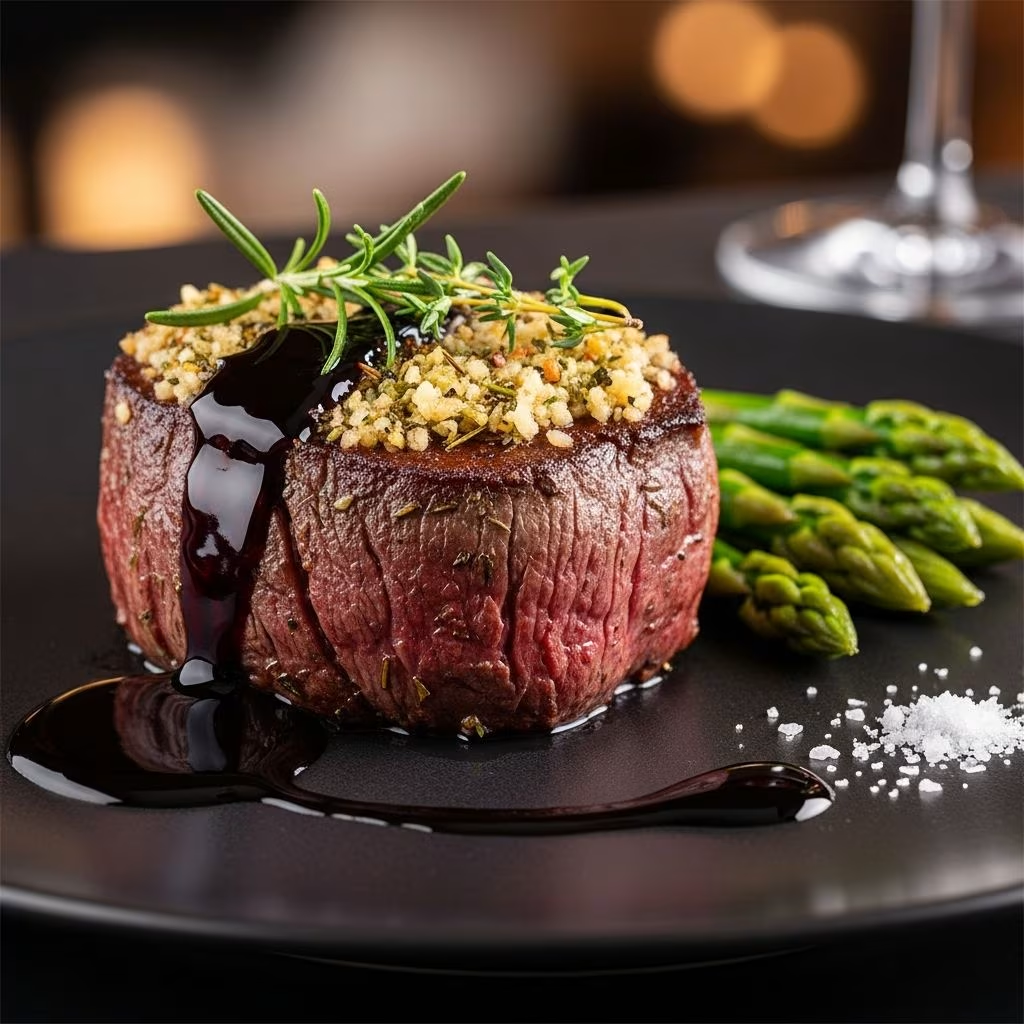
Premium beef cuts deserve equally refined preparation methods, and few dishes exemplify culinary sophistication quite like a perfectly seared filet mignon paired with an unexpected sauce. The combination of savory herbs, tender beef, and a rich chocolate-infused wine reduction creates a dining experience that rivals upscale steakhouse offerings. This guide explores the techniques, ingredient selection, and execution strategies that transform quality beef into an unforgettable meal.
Understanding Your Protein: Selecting and Preparing Quality Filet Mignon
The foundation of this dish rests entirely on the quality of the beef itself. Filet mignon, known scientifically as the psoas major muscle, represents one of the most tender cuts available due to its minimal connective tissue and low fat content. When selecting filets at your butcher or supermarket, look for bright red color with white marbling throughout—this intramuscular fat will render during cooking, enhancing flavor and texture.
Proper preparation begins well before the pan reaches temperature. Remove your filets from refrigeration approximately 30 minutes before cooking, allowing them to reach closer to room temperature. This ensures even heat distribution throughout the meat during the searing process. Pat the surface thoroughly dry using paper towels; moisture on the exterior prevents proper browning and creates steam rather than the desirable caramelization.
Constructing the Aromatic Herb Rub
The herb crust provides aromatic complexity and visual appeal while creating a flavorful exterior through the Maillard reaction during searing. The foundation typically includes fresh rosemary, which contributes pine-like notes that complement beef’s natural umami qualities. Combine minced fresh rosemary with coarsely ground black pepper, creating textural contrast against the meat’s surface.
Complementary aromatics include mustard powder, which adds subtle heat and aids in browning, and garlic powder, which deepens the savory profile. A minimal amount of salt—applied sparingly—draws out moisture initially but then dissolves into the meat during the resting period, seasoning it throughout rather than just the surface. The complete rub combines these elements in measured proportions, allowing each component to contribute without overwhelming the beef’s natural flavor.
The Rub Application Method
- Combine all dry ingredients in a small mixing vessel
- Pat beef filets completely dry with absorbent paper towels
- Press the herb mixture firmly onto all surfaces of the meat
- Allow the coated filets to rest briefly before cooking, permitting flavors to begin penetrating the exterior
Achieving the Perfect Sear: Temperature and Technique Fundamentals
Searing represents a critical technique that develops the flavorful crust while preserving the tender, pink interior. High heat is essential—bring your cooking vessel to medium-high temperature before adding oil. Premium extra-virgin olive oil provides excellent heat tolerance and contributes subtle flavor, though refined oils work equally well if you prefer neutral taste.
Place the herb-coated filets gently into the hot oil, resisting the urge to move them. Allow 3 minutes of undisturbed contact with the pan’s surface, enabling the Maillard reaction to create that prized golden-brown crust. Flip carefully, then repeat on the opposite side for another 3 minutes. The goal isn’t to cook the interior to final doneness but rather to establish color and crust while keeping the center relatively rare.
Two distinct cooking methods follow this initial searing: traditional oven finishing and sous vide continuation. Conventional oven roasting involves transferring the seared filets to a preheated 400°F oven until an instant-read thermometer inserted into the thickest section reads 125°F for rare or 135°F for medium-rare—typically 8-12 minutes depending on filet thickness. Sous vide cooking, alternatively, involves vacuum-sealing the seared steaks and submerging them in precisely controlled water (131°F for rare, 135°F for medium-rare) for 45 minutes, ensuring absolutely uniform doneness throughout.
Constructing the Complex Chocolate-Port Wine Reduction
The sauce elevates this dish from excellent to extraordinary, merging unexpected flavor dimensions into a harmonious whole. Port wine provides the foundation—this fortified wine from Portugal’s Douro Valley possesses concentrated fruit flavors and natural sweetness that caramelize when reduced. Quality matters significantly; select ports labeled as Ruby or Vintage rather than the least expensive options.
Into the same skillet used for searing, add your port wine along with beef stock and additional minced rosemary. The residual beef bits and browned fond coating the pan dissolve into this liquid, enriching the flavor through a process called deglazing. Increase heat to medium-high and allow the mixture to simmer, reducing in volume as the alcohol evaporates and flavors concentrate. When the liquid reaches a syrup-like consistency—typically requiring 10-15 minutes—you’ve achieved the ideal reduction.
Incorporating Chocolate: Technique and Flavor Balance
Remove the pan from heat before introducing chocolate; this prevents scorching and ensures smooth incorporation. Select dark chocolate with at least 72% cocoa content, as higher percentages provide sophisticated bitterness that balances the wine’s sweetness and the sauce’s richness. Approximately 1 ounce (roughly one-third of a standard chocolate bar) suffices for two servings.
Chop the chocolate into small pieces and add them to the hot—but not boiling—reduction along with butter. The residual heat melts both ingredients gradually; gentle stirring with a whisk ensures smooth integration without introducing air bubbles. Aged balsamic vinegar, added at approximately one-half tablespoon per two servings, introduces subtle acidity that brightens the sauce’s overall profile and prevents it from becoming cloying.
Taste and adjust seasoning with salt and pepper to your preference. The chocolate should present as a subtle background note rather than a dominant flavor—diners should experience umami complexity with intriguing depth rather than obvious chocolate presence.
Plating and Presentation: Finishing Touches That Enhance the Dining Experience
Remove your rested filets from their cooking vessel and transfer them to warmed serving plates. If using oven-roasting, allow the meat 5 minutes of resting time after removal from heat, permitting carryover cooking to reach desired doneness while enabling juices to redistribute throughout the muscle fibers.
Spoon the chocolate-port reduction generously across each filet, allowing sauce to pool slightly on the plate. A modest pinch of fleur de sel (fine sea salt crystals with minerality superior to conventional table salt) adds textural contrast and emphasizes the beef’s natural flavors. Fresh rosemary sprigs positioned artfully on the plate bridge the visual gap between the herb-crusted meat and the wine-chocolate sauce, tying the dish’s flavor narrative together.
Ingredient Selection Guidelines and Quality Considerations
| Component | Selection Criteria | Approximate Quantity (per 2 servings) |
|---|---|---|
| Filet Mignon | Bright red color, white marbling, 5-6 oz per filet | 10-12 oz total |
| Fresh Rosemary | Vibrant green, fragrant, not dried or browning | 3-4 teaspoons minced |
| Port Wine | Ruby or Vintage classification, quality producer | ¾ cup |
| Dark Chocolate | 72% cocoa content minimum, premium brand | 1 oz |
| Beef Stock | Reduced-sodium, preferably homemade or quality brand | ¼ cup |
| Extra-Virgin Olive Oil | Cold-pressed, robust flavor preferred | 1 tablespoon |
Common Questions and Solutions
What if I don’t have access to port wine?
While port wine contributes specific characteristics, alternatives including Madeira, quality red wine with additional reduction time, or even balsamic vinegar-based reductions can substitute. The sauce’s fundamental character will shift, but remain delicious and complementary.
Can this dish be prepared in advance?
The herb rub can be applied several hours ahead, allowing flavors to penetrate deeper. The sauce can be prepared completely and gently reheated before serving. The steak itself, however, benefits from cooking relatively close to serving time, though properly wrapped leftovers reheat adequately at low oven temperatures.
How do I achieve medium-rare doneness consistently?
An instant-read thermometer removes guesswork; aim for 135°F internal temperature at the thickest point. Cooking slightly below target and allowing carryover cooking to complete ensures consistency, as the meat’s temperature rises 3-5 degrees during resting.
Are there vegetarian alternatives to this sauce?
Mushroom-based reductions with dark chocolate and port provide similar umami depth when applied to vegetable-based entrées, demonstrating the sauce’s versatility beyond beef applications.
Expanding Your Culinary Repertoire: Variations and Adaptations
Once comfortable with this foundational technique, consider modifications that expand your skillset. Alternative herbs—thyme, oregano, or marjoram—can replace or supplement rosemary. Different chocolate percentages (60% for sweeter sauce, 85% for more bitter profile) adjust the final flavor trajectory. Spirits including cognac or bourbon can partially replace port, creating distinct sauce characteristics.
The technique itself translates to other premium proteins. Duck breast, venison, lamb loin, and even some fish varieties benefit from herb crusting and wine-chocolate reductions, allowing single-technique mastery to expand your overall cooking capabilities significantly.
Nutritional and Culinary Science Insights
Understanding the underlying chemistry enhances both execution and troubleshooting capabilities. The Maillard reaction—responsible for the herb crust’s browning—requires temperatures exceeding 300°F and occurs between amino acids and reducing sugars in meat. This explains why high-heat searing proves essential and why lower-temperature cooking methods alone cannot replicate this crust.
Collagen within connective tissue transforms into gelatin through slow, moist heating, whereas minimal-connective-tissue cuts like filet mignon rely on quick, dry-heat methods. Port wine’s alcohol content evaporates during reduction, leaving concentrated sugars and flavor compounds. Dark chocolate contains phenolic compounds and theobromine—compounds that interact with beef’s amino acids and iron content, creating unexpected flavor synergies that elevate both components beyond their individual profiles.
References
- Rosemary-Rubbed Filet Mignon with Chocolate Port Reduction — Anova Culinary. Accessed April 2026. https://recipes.anovaculinary.com/recipe/rosemary-rubbed-filet-mignon-with-chocolate-port-reduction
- Valentine’s Day Beef Tenderloin with Dark Chocolate Port Sauce — Abbey Sharp, Abbey’s Kitchen. Accessed April 2026. https://www.abbeyskitchen.com/recipe-rosemary-rubbed-beef-tenderloin-chocolate-port-reduct/
- Filet Mignon with Chocolate Sauce — Cookaholic Wife. Accessed April 2026. https://www.cookaholicwife.com/filet-mignon-with-chocolate-sauce/
- Roasted Beef Tenderloin with Rosemary, Chocolate and Wine Sauce — Shaklee. Accessed April 2026. https://go.shaklee.com/roasted-beef-tenderloin-with-rosemary-chocolate-and-wine-sauce/