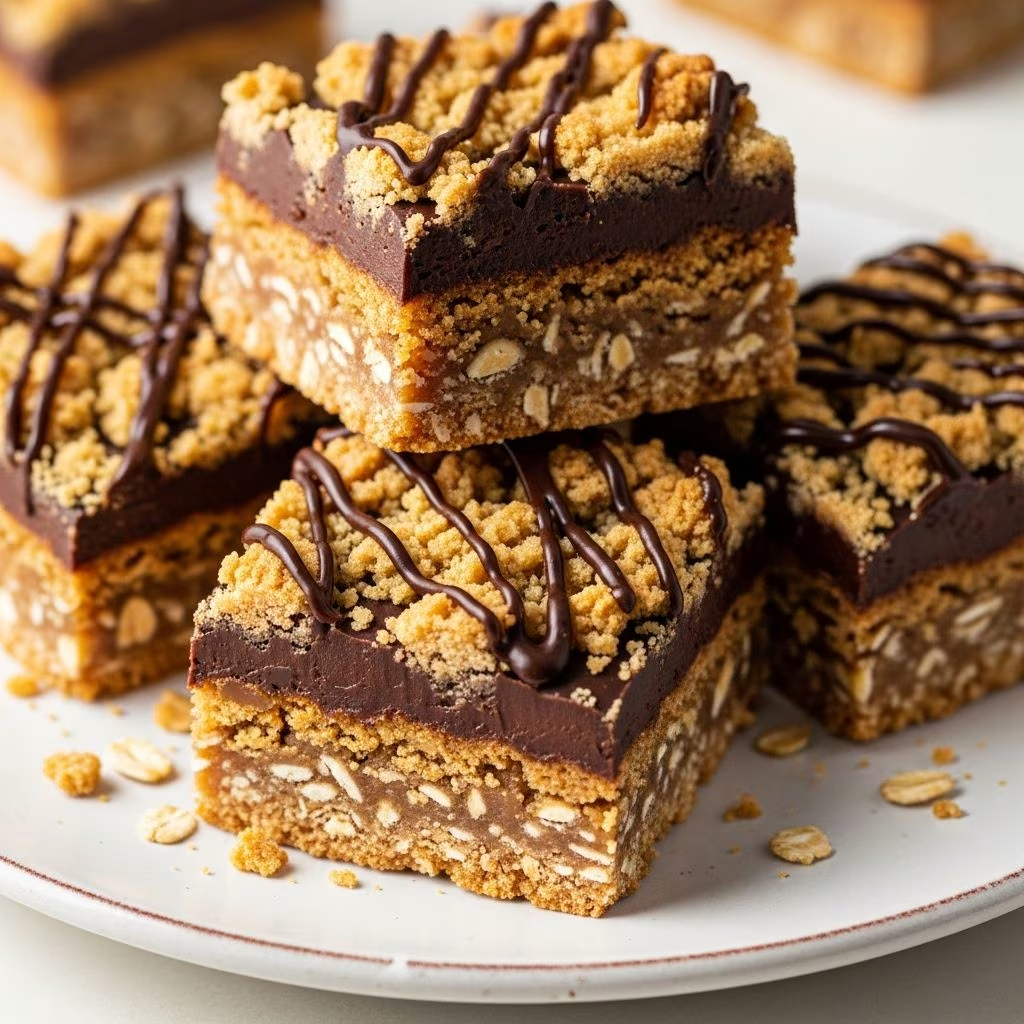
Chocolate revel bars represent a cherished approach to homemade dessert-making, combining three distinct yet complementary components into one indulgent treat. These bars showcase a distinctive architectural design featuring a base layer of oatmeal cookie dough, a middle section of thick chocolate fudge, and a crumbly oatmeal topping that bakes into a textured finish. The result is a dessert that bridges the gap between cookie, brownie, and confection, making it an ideal choice for gatherings, bake sales, or personal enjoyment.
Understanding the Three-Layer Structure
The brilliance of chocolate revel bars lies in their tri-level composition, which creates varied textures and flavor profiles in every bite. The foundation begins with an oatmeal-based dough that serves a dual purpose: half forms the bottom crust while the remaining portion becomes the topping. This base layer provides structural integrity and a wholesome, slightly nutty flavor profile that complements the sweetness of the filling.
The middle layer, which gives these bars their signature appeal, consists of a chocolate fudge mixture prepared by combining melted chocolate chips, sweetened condensed milk, and butter. This filling develops into a chewy, rich component that contrasts beautifully with the crumbly oatmeal layers above and below. The condensed milk serves as both a sweetener and a binding agent, creating the characteristic fudgy texture without requiring additional thickening agents.
The final topping layer incorporates the remaining oatmeal dough crumbled over the chocolate filling before baking. During the baking process, this top layer becomes golden and slightly firm while maintaining some softness underneath, creating a pleasant crunch that complements the gooey center.
Essential Ingredients and Their Roles
Creating successful chocolate revel bars requires understanding how each ingredient contributes to the final product. The oatmeal foundation typically combines quick-cooking or old-fashioned rolled oats, all-purpose flour, butter, and brown sugar. These components work together to create a dough with the appropriate texture for pressing into pans and crumbling over the filling.
Brown sugar serves as the primary sweetener for the oatmeal layer, adding moisture and a subtle caramel note. The butter, whether creamed with the sugar or mixed throughout, provides richness and helps achieve the desired crumbly consistency. Eggs bind the mixture while vanilla extract adds aromatic depth.
For the chocolate layer, semi-sweet or milk chocolate chips represent the star ingredient. The choice between these options affects the overall sweetness and intensity of the final bars. Milk chocolate creates a milder, creamier fudge, while semi-sweet chocolate produces a more pronounced chocolate flavor that balances the sweetness of the condensed milk.
Sweetened condensed milk distinguishes the fudge layer from traditional chocolate ganache. This ingredient contains both milk solids and added sugar, creating a naturally thick and creamy mixture when combined with melted chocolate. A small amount of butter enhances the texture, preventing the filling from becoming overly stiff as it cools.
Optional Enhancements
- Chopped walnuts or pecans incorporated into the fudge layer add textural contrast and subtle earthiness
- Vanilla extract in the chocolate filling deepens the chocolate flavor profile
- A pinch of sea salt in the fudge layer can amplify chocolate perception and reduce cloying sweetness
- Peanut butter mixed into the oatmeal base creates a complementary flavor variation
Step-by-Step Preparation Method
Beginning the baking process starts with preheating the oven to 350°F, a temperature that allows the bars to bake through without the top layers browning too quickly. Preparing a 9×13-inch pan by lightly greasing it prevents sticking and ensures easy removal after cooling.
The oatmeal dough preparation follows standard cookie-making methodology. Butter and brown sugar are creamed together until the mixture becomes light and fluffy, typically requiring one to two minutes of mixing. This step incorporates air into the dough, which contributes to the final texture. Eggs and vanilla are then added and mixed until fully combined, creating a wet mixture that will eventually be bound with dry ingredients.
The dry ingredients—flour, oats, baking powder or baking soda, and salt—are whisked together separately before folding into the wet mixture. This approach ensures even distribution of leavening agents and prevents overmixing, which could result in dense, tough bars. The final dough should resemble a thick cookie batter with visible oat particles.
Approximately two-thirds of the oatmeal mixture is pressed firmly into the prepared pan, creating an even base layer. The remaining third is reserved for the topping and set aside for later use.
The chocolate filling preparation occurs simultaneously with the dough assembly. In a medium saucepan, chocolate chips, sweetened condensed milk, and butter are combined over low heat. Gentle heating and frequent stirring ensure that the chocolate melts smoothly without developing a grainy texture. Once fully melted and combined, the mixture is removed from heat and cooled slightly before spreading over the oatmeal base.
The reserved oatmeal dough is crumbled by hand into varied-sized pieces and distributed across the chocolate layer. Leaving some gaps in the topping allows the chocolate to remain visible, creating an appealing appearance while preventing a completely covered surface.
Baking proceeds at 350°F for 25 minutes or until the top layer achieves a light golden-brown color. The chocolate filling will appear slightly puffed and may develop a subtle sheen. Complete cooling at room temperature is essential before cutting into squares, as cutting while warm results in a messy, falling-apart texture.
Texture Considerations and Baking Variables
The final texture of chocolate revel bars depends on several factors within your control. Overbaking results in a drier top layer and a stiffer chocolate filling, while underbaking creates bars that fall apart when cut. The optimal baking time produces a top layer that is lightly set but still slightly yielding when pressed gently.
The type of oatmeal chosen influences the final crumb structure. Quick-cooking oats create a finer, more uniform crumb, while old-fashioned rolled oats produce a more rustic, visibly chunky texture. Either option works successfully, depending on personal preference.
Room temperature ingredients blend more easily and create a more uniform dough than cold ingredients directly from refrigeration. Planning ahead to allow eggs, butter, and milk to reach room temperature before mixing improves the overall consistency.
Flavor Variation Possibilities
The classic recipe provides an excellent foundation for creative modifications. Incorporating peanut butter into the oatmeal base creates a complementary flavor pairing with the chocolate filling. A quarter cup of smooth peanut butter can be creamed along with the butter and sugar, though this may require slight adjustments to the flour quantity.
Adding chopped nuts—particularly walnuts, pecans, or almonds—to the chocolate filling introduces textural contrast and subtle flavor complexity. These additions also help cut through the sweetness of the condensed milk, creating a more balanced taste profile.
Espresso powder stirred into the chocolate filling intensifies the chocolate flavor without adding additional sweetness. A half teaspoon to one teaspoon per batch provides noticeable depth without making the bars taste like coffee.
Mint extract can replace or complement vanilla in both layers, creating a sophisticated chocolate-mint flavor combination reminiscent of popular candy bars.
Storage and Shelf Life Guidelines
Properly stored chocolate revel bars maintain their quality for several days after baking. Airtight containers prevent moisture loss and protect against external odors. Storing the bars at room temperature is preferable to refrigeration, which can make the chocolate filling excessively firm and the oatmeal layers tough.
These bars freeze exceptionally well, maintaining their texture and flavor for up to three months when stored in freezer-safe containers or wrapped tightly in plastic wrap. Individual bars can be thawed at room temperature for 30 minutes before serving, or consumed directly from frozen for a more solid, less gooey texture.
Troubleshooting Common Issues
Bars that crack or break apart during cutting often indicate underbaking or insufficient cooling time. Allowing the bars to cool completely to room temperature, and even briefly refrigerating them before cutting, improves the cutting process significantly.
A filling that is grainy rather than smooth typically results from overheating the chocolate mixture. Chocolate should be melted gently over low heat, and removing it from the heat source once it begins to melt prevents scorching and texture degradation.
An overly dry top layer suggests either excessive baking time or too little condensed milk in the filling. Ensuring accurate measurement and monitoring the oven timer closely prevents this outcome.
Serving Suggestions and Occasions
Chocolate revel bars suit numerous occasions, from casual family snacking to formal dessert presentations. Their portability makes them ideal for picnics, potlucks, and school functions. Paired with cold milk or hot coffee, they provide satisfying refreshment in any season.
These bars can be cut into various sizes depending on the intended serving context. Smaller squares work well for formal events or when combined with other desserts on a mixed platter, while larger pieces satisfy substantial appetites for casual settings.
Dusting the baked bars with powdered sugar before serving adds visual appeal and subtle sweetness enhancement, though this is entirely optional.
Nutritional Considerations
A single bar contains approximately 200-250 calories, with the majority coming from fat and carbohydrates. The oats provide fiber and whole grain nutrition, while the chocolate contributes antioxidants. These bars are best enjoyed in moderation as part of a balanced diet.
For those seeking reduced-sugar versions, substituting a portion of the brown sugar with monk fruit sweetener or erythritol can lower the total sugar content, though this may affect texture slightly. Similarly, using natural peanut butter instead of regular peanut butter in variations reduces added sugars from processed ingredients.
Frequently Asked Questions
Can I use evaporated milk instead of sweetened condensed milk?
Evaporated milk lacks the added sugar present in sweetened condensed milk and would result in a less sweet, thinner filling. It is not recommended as a direct substitute without additional sugar adjustments.
What is the difference between quick-cooking and old-fashioned oats?
Quick-cooking oats are rolled thinner and smaller, creating a finer crumb texture and faster water absorption. Old-fashioned oats retain their shape better and produce a more visibly chunky texture. Both work in this recipe; the choice depends on texture preference.
How can I prevent the bars from sticking to the pan?
Greasing the pan thoroughly with butter or cooking spray prevents sticking. Alternatively, lining the pan with parchment paper allows easy removal and cleanup.
Can I double this recipe to make two pans?
Yes, doubling the recipe works perfectly. Simply multiply all ingredients by two and divide between two prepared pans, maintaining the same baking time and temperature.
Why is my chocolate filling too thick or too thin?
Temperature affects the consistency of the chocolate filling. If it becomes too thick while cooling, gentle reheating over low heat restores spreadability. Using room-temperature ingredients helps achieve the proper consistency for spreading.
References
- Chocolate Revel Bars — Chocolate with Grace. Accessed April 2026. https://chocolatewithgrace.com/chocolate-revel-bars/
- Chocolate Revel Bars — Mom Endeavors. Accessed April 2026. https://www.momendeavors.com/chocolate-revel-bars/
- Oatmeal Revel Bars — My Crazy Good Life. Accessed April 2026. https://mycrazygoodlife.com/chocolate-oatmeal-revel-bars/
- Small Batch Chocolate Revel Bars — The Practical Kitchen. Accessed April 2026. https://thepracticalkitchen.com/small-batch-chocolate-revel-bars/
- Chocolate Revel Bars — Rocky Mountain Lodge. Accessed April 2026. https://rockymountainlodge.com/recipe/chocolate-revel-bars